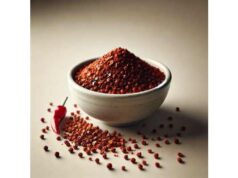
Bird’s eye chili is a small pepper with a sharp, piercing heat and a strong presence in Southeast Asian and African cuisines. Despite its size, it contributes bold flavor, bright color, and a notable amount of bioactive compounds such as capsaicin, carotenoids, and vitamin C. Cooks use it to bring life to curries, stir-fries, sauces, and pickles, often in quantities of just one or two chilies for an entire dish.
Beyond its culinary role, bird’s eye chili has attracted scientific interest for its potential influence on metabolism, appetite, and cardiovascular health, as well as its effects on the digestive tract and pain pathways. At the same time, its intense pungency means that some people experience discomfort, heartburn, or irritation when they eat very spicy foods or handle the chilies without care.
This article explores what bird’s eye chili is, how it behaves nutritionally, how it may affect health, who should be cautious, and how to choose, cook, and portion it wisely.
Essential Insights at a Glance
- Bird’s eye chili is a very hot, small chili used in tiny amounts to add intense flavor, aroma, and heat to a wide range of dishes.
- It provides vitamin C, carotenoids, and capsaicin, which may support metabolic and cardiovascular health as part of an overall balanced diet.
- A practical culinary serving is around 1–2 small chilies (about 2–4 g total) in a shared dish, enjoyed several times per week according to personal tolerance.
- People with heartburn, peptic ulcers, irritable bowel conditions, or known sensitivity to spicy foods should use bird’s eye chili sparingly or avoid it.
- Careful handling is important because the chili can cause intense burning of the skin, eyes, and mucous membranes on direct contact.
Table of Contents
- Bird’s Eye Chili Fundamentals
- Bird’s Eye Chili Nutrition and Compounds
- Health Benefits of Bird’s Eye Chili
- Risks, Allergies and Interactions
- Selecting Quality and Sustainable Storage
- Cooking Preparation and Nutrient Retention
- Portions, Comparisons and FAQs
Bird’s Eye Chili Fundamentals
Bird’s eye chili, often classified as Capsicum frutescens, is a compact, slender chili pepper usually 2–4 centimeters long. It grows on bushy plants that produce clusters of upright, pointed fruits which ripen from green to vivid red, orange, or occasionally yellow and purple. Originating from the broader Capsicum family in the Americas, it became deeply woven into Southeast Asian and African cuisines through centuries of trade and cultivation.
In everyday cooking and markets, bird’s eye chili goes by several names. In Thailand and neighboring countries it is commonly called Thai chili or Thai bird chili. In parts of Africa and Portugal-related cuisines, closely related peppers are known as piri piri or peri peri. While botanists may distinguish between specific varieties, home cooks often group these small, very hot chilies together under the bird’s eye label.
On the Scoville scale, bird’s eye chili generally falls in the range of about 50,000 to 100,000 Scoville Heat Units. That makes it significantly hotter than jalapeño and roughly comparable to or a little milder than many habanero-style sauces when used in similar proportions. The heat comes from capsaicin and related capsaicinoids concentrated in the white inner membrane and the seeds, although the outer flesh also carries pungency.
Culinarily, bird’s eye chili contributes much more than sheer heat. The flavor has a sharp, bright quality with hints of citrus and fresh green notes in the unripe chilies and a fruitier depth in ripe red ones. Small amounts can make a dish taste livelier, even when the overall spice level is moderate. Typical uses include:
- Finely sliced or crushed in fish sauces, lime-based dressings, and dipping sauces.
- Pounded with garlic, shallots, herbs, and shrimp paste into chili pastes and sambals.
- Added whole to soups and stews to perfume the broth, then removed before serving.
- Dried and ground into powders or flakes for long-term seasoning.
Because the chili is so potent, a little goes a long way. Most recipes call for one or a few pods to season several portions of food. This pattern of use is important when later considering its nutritional and physiological impacts: bird’s eye chili is usually a condiment and flavoring, not a bulk vegetable.
Bird’s Eye Chili Nutrition and Compounds
Bird’s eye chili, like other hot peppers, is low in calories but rich in certain vitamins, minerals, and phytochemicals. The exact nutrient profile depends on growing conditions, ripeness, and whether the chili is fresh, dried, or processed, but several consistent features stand out.
Fresh hot chilies typically provide around 30–40 kilocalories per 100 grams, with most of this energy coming from carbohydrates. The protein and fat content are both low in the edible portion, though the seeds contain more fat and protein than the flesh. Since bird’s eye chili is rarely eaten in large amounts, the energy contribution per serving is usually negligible.
Micronutrient content is more interesting. Fresh red chilies are recognized as good sources of vitamin C, often providing well over half of the daily requirement in 100 grams, along with varying amounts of vitamin A activity from carotenoids such as beta carotene and capsanthin. The peppers also supply small amounts of B vitamins and minerals such as potassium and manganese. In a typical meal, however, a person might consume only a few grams of bird’s eye chili, so the absolute vitamin intake from the chili itself remains modest.
The compounds that give bird’s eye chili its fiery reputation are the capsaicinoids, chiefly capsaicin and dihydrocapsaicin. These molecules bind to TRPV1 receptors on sensory nerve endings, creating the familiar burning sensation and prompting the body to respond with increased blood flow and, in some people, sweating and a perception of warmth. Bird’s eye chili varieties are generally considered capsaicin-rich compared with many larger peppers.
In addition to capsaicinoids, bird’s eye chili contains:
- Carotenoids that contribute red, orange, or yellow pigments and have antioxidant properties.
- Flavonoids and other polyphenols that may help neutralize reactive oxygen species.
- Organic acids and volatile compounds that influence aroma and perceived brightness.
Dried bird’s eye chili concentrates many of these components by removing water. Capsaicin and most carotenoids are relatively stable during drying, while vitamin C is more sensitive and can decline with prolonged heat and storage. Chili powders and flakes made from bird’s eye chili therefore tend to deliver high levels of pungency and color but somewhat less vitamin C per gram than fresh chilies.
Because bird’s eye chili is used as a seasoning, it functions less as a primary nutrient source and more as a carrier of bioactive compounds. A few grams per day can still provide several milligrams of capsaicin, enough to influence sensory perception, digestive responses, and, over time, certain metabolic pathways discussed in the next section.
Health Benefits of Bird’s Eye Chili
Most of what is known about the health effects of bird’s eye chili comes from research on capsaicin and on hot chili consumption more broadly, rather than on this specific variety alone. Given its high capsaicin content and traditional use, it is reasonable to consider bird’s eye chili as representative of many culinary hot peppers in this context.
One area of interest is cardiovascular and overall mortality. Large observational studies in different populations have reported that people who regularly consume hot chilies tend to have lower rates of death from cardiovascular and some non-cardiovascular causes compared with those who rarely eat spicy foods. These findings do not prove that chili peppers themselves are responsible, but they support the idea that including chilies as part of a varied, plant-forward diet is compatible with long-term health and may be beneficial.
Another focus is metabolism and weight management. Capsaicin activates TRPV1 receptors, which can slightly increase thermogenesis and energy expenditure after meals. Some clinical trials have shown that capsaicin or chili-containing preparations can modestly raise metabolic rate and increase fat oxidation, especially in individuals who do not regularly consume spicy food. The observed changes are usually small but may contribute to weight maintenance when combined with other lifestyle strategies.
Capsaicin may also influence appetite. Experimental studies suggest that eating spicy meals can enhance feelings of fullness and reduce the desire for high-fat or high-salt foods in the short term. For some people, this means that adding bird’s eye chili to vegetable dishes, soups, or lean protein can make them more satisfying without significantly increasing calories.
Beyond metabolism, capsaicin has been studied for its effects on the digestive tract and gut microbiota. At moderate intakes, it appears capable of stimulating protective mucus secretion and improving blood flow in the stomach lining. Some emerging research suggests that capsaicin may shift the composition of gut bacteria in ways linked to better metabolic and anti-inflammatory profiles, although these findings are still being explored and are not yet definitive.
Finally, there is interest in capsaicin’s impact on pain pathways and nerve function. Topical capsaicin preparations are already used in medicine to relieve certain types of nerve pain. Dietary chili intake may influence the body’s perception of pain and temperature, although this is an evolving field and much of the work remains experimental.
Overall, the potential benefits of bird’s eye chili can be summarized as small but meaningful contributions to metabolic health, appetite regulation, and possibly cardiovascular resilience, when it is used sensibly within an overall healthy dietary pattern. It should not be viewed as a stand-alone treatment or a replacement for medical care, but rather as one flavorful element that may offer additional advantages for those who tolerate it well.
Risks, Allergies and Interactions
The same capsaicin that makes bird’s eye chili interesting from a health perspective also underlies many of its risks. For some people, even small amounts can cause discomfort or more serious symptoms, so it is important to understand where caution is warranted.
The most common issue is gastrointestinal irritation. Capsaicin can relax the lower esophageal sphincter and stimulate acid production, which may worsen heartburn or reflux in susceptible individuals. People with gastroesophageal reflux disease, peptic ulcers, gastritis, or inflammatory bowel conditions often find that very spicy foods trigger or intensify their symptoms. While moderate chili intake can be well tolerated by many, those with known digestive disease should introduce bird’s eye chili carefully and pay close attention to how their bodies respond.
Handling risks are also significant. When chopping or crushing bird’s eye chilies, capsaicin-rich juices can coat the skin. If the fingers then touch the eyes, nose, mouth, or other sensitive areas, the result is intense burning, tearing, and redness. In rare situations, exposure to concentrated chili aerosols in poorly ventilated spaces can cause coughing and throat irritation. Practical safety steps include wearing disposable gloves when handling larger amounts, avoiding touching the face, and washing knives, cutting boards, and hands thoroughly with soap and warm water.
Allergic reactions to chili peppers are less common than intolerances but can occur. Symptoms may include itching, hives, swelling of the lips or tongue, wheezing, or, in severe cases, signs of anaphylaxis. People with confirmed allergies to other members of the nightshade family, such as certain peppers or tomatoes, should be particularly cautious and seek professional evaluation if they suspect chili allergy. A milder but more frequent pattern involves non-allergic sensitivity, where small amounts of spicy food cause flushing, palpitations, or digestive upset. For these individuals, limiting or avoiding very hot chilies is often the most comfortable choice.
Potential interactions with medications and chronic conditions deserve attention as well. While capsaicin is not widely known to interfere directly with drug metabolism, the irritation it can cause may complement the stomach effects of certain medicines, such as some anti-inflammatory drugs. People taking multiple medications, especially those with blood pressure or heart medicines, should avoid extreme spicy challenges that provoke severe distress, as the physiological stress response could, in theory, complicate underlying conditions.
Children are a special group. Their smaller size and limited experience with spicy foods mean that a quantity tolerated by adults may be overwhelming for them. Very hot chilies, concentrated chili extracts, and novelty products should be kept out of reach of children, and any introduction to bird’s eye chili should be gradual and carefully supervised.
In summary, bird’s eye chili can be part of a healthy diet for many people, but those with digestive disease, known chili allergy, very low tolerance for spicy foods, or complex medical conditions should exercise particular caution and seek individual advice where needed.
Selecting Quality and Sustainable Storage
Choosing good-quality bird’s eye chili and storing it correctly improves flavor, safety, and consistency of heat. It also allows you to support more sustainable and ethical supply chains when possible.
When buying fresh bird’s eye chilies, look for fruits that are firm, smooth, and brightly colored. The skins should appear glossy and unwrinkled, and the stems should be green and intact. Avoid chilies that feel soft, show dark or moldy spots, or have an off odor, as these may be old or starting to spoil. Green chilies tend to offer a sharper, more herbaceous flavor, while fully red chilies bring a rounder, slightly fruitier character.
If you have access to markets that specialize in Southeast Asian or African foods, you may find several types of small hot chilies sold side by side. Local vendors often know which varieties are hotter or more aromatic, so asking questions and experimenting with small amounts can help you select a type that suits your cooking style.
Dried bird’s eye chilies are an excellent pantry staple. Whole dried chilies preserve their flavor and pungency longer than pre-ground powders. When choosing dried pods, look for uniform color, minimal broken pieces, and a clean, pungent aroma. Stale or poor-quality chilies may smell dusty rather than spicy. Store them in airtight containers away from light and heat to protect delicate compounds from oxidation.
Ethical and sustainable sourcing is increasingly important for spices, including chilies. Bird’s eye chili is frequently grown by smallholder farmers whose livelihoods can be vulnerable to price fluctuations and climate variability. When you can, consider purchasing from producers or brands that provide information about their supply chains, support small-scale growers, or follow organic or low-input farming practices. While these labels do not guarantee every aspect of sustainability, they can be one indicator of broader environmental and social considerations.
At home, proper storage extends shelf life and maintains flavor:
- Fresh chilies keep best in the refrigerator, stored unwashed in a breathable container or loosely wrapped in paper. Check them regularly and remove any that show mold or soft spots.
- For long-term use, fresh bird’s eye chilies can be frozen. Wash and dry them completely, then place them whole in a freezer-safe bag. They can be chopped from frozen and added directly to cooked dishes.
- Dried chilies should be kept in sealed jars in a cool, dark cupboard. Although they may remain safe for longer, best flavor is usually achieved within about a year.
- Homemade chili pastes and oils should be prepared with food safety in mind. If they contain fresh garlic, herbs, or low-acid ingredients, they should be refrigerated and consumed within a short time to reduce the risk of spoilage.
By selecting sound, well-preserved chilies and paying attention to origin and storage, you maintain the sensory quality of bird’s eye chili and help reduce waste, while also supporting more responsible production where possible.
Cooking Preparation and Nutrient Retention
How you prepare and cook bird’s eye chili strongly influences both the flavor and the way its active compounds are delivered in a meal. Thoughtful techniques can make dishes more enjoyable and help manage heat level while retaining desirable nutrients where practical.
The first decision is how much of the chili to use and which parts to include. The white inner membrane and seeds carry much of the pungency. Removing them with the tip of a knife or a small spoon can noticeably reduce heat while preserving characteristic flavor. Keeping the chili whole and slightly bruised allows it to perfume soups or stews gently; cutting it finely and cooking it into a paste distributes the heat evenly throughout a dish.
Because capsaicin is fat soluble, it dissolves well in oils and fats. Briefly sautéing chopped or crushed bird’s eye chili in a small amount of oil at the beginning of cooking releases aroma and creates a spicy base for stir-fries, curries, or sauces. Adding chili closer to the end of cooking, or using it raw as a garnish, results in a sharper, more immediate heat that sits on top of other flavors rather than blending in.
Fresh, dried, and fermented forms each have distinct roles:
- Fresh chilies contribute bright, fresh heat and are useful in salads, salsas, and finishing sauces.
- Dried chilies provide deeper, rounder flavors and are ideal for slow-cooked stews, chili oils, and rubs.
- Fermented chili pastes develop complex savory and tangy notes and can serve as a foundation for soups and braises.
From a nutrient perspective, vitamin C is the most fragile component, as it diminishes with prolonged heat and exposure to air. If you wish to preserve some of this vitamin, you can combine cooking methods: use a portion of the chili earlier in the cooking process to build flavor, then add a small amount of fresh chili or chili-based condiment at the table. Capsaicin and carotenoids are more heat stable, so typical cooking conditions do not destroy them to the same extent.
Simple, practical uses for bird’s eye chili include:
- Stir-fries where a small amount of chopped chili is cooked with garlic and shallots before adding vegetables, tofu, or lean meat.
- Soups and broths that simmer with one or two whole chilies, which can be removed before serving to avoid surprises.
- Marinades for grilling, where fresh or dried chili is combined with citrus juice, herbs, and a modest amount of oil.
- Table condiments such as chili-lime dipping sauce, chili vinegar, or chili oil, allowing each person to adjust the heat level.
Safe preparation also involves precautions: cutting the chilies on a stable board, keeping them away from children, and cleaning surfaces thoroughly afterward. If accidental over-spicing occurs, you can soften the effect by adding more of the other ingredients, including starches or dairy where appropriate for the cuisine, or by serving the dish with plain rice or bread.
Thoughtful cooking of bird’s eye chili lets you enjoy its characteristic heat and aroma in a controlled and pleasurable way, while still benefiting from its main bioactive components.
Portions, Comparisons and FAQs
Portion size is especially important for bird’s eye chili because of its high pungency. Understanding how much to use and how it compares with other chilies can help you enjoy it safely and consistently.
There is no official recommended daily intake for capsaicin or bird’s eye chili. In practical cooking terms, a typical serving might involve 1–2 small fresh chilies, amounting to roughly 2–4 grams in a dish that serves several people. For dried forms, this might translate to about one half to one teaspoon of crushed chili flakes distributed through a recipe. People who are very accustomed to spicy foods may use more, while those who are sensitive should start with less and increase gradually only if comfortable.
As a rough comparison on the Scoville scale, jalapeño peppers usually range from about 2,500 to 8,000 units, cayenne peppers from about 30,000 to 50,000 units, bird’s eye chilies from around 50,000 up to 100,000 units, and habanero-type peppers can reach several hundred thousand units. This means that substituting one bird’s eye chili directly for one jalapeño will likely make a dish much hotter. When replacing milder chilies with bird’s eye chili, it is usually safe to start with one quarter or less of the original amount.
Frequency of use depends on individual tolerance and overall diet. For many healthy adults who enjoy spicy food, dishes seasoned with hot chilies several times per week can fit comfortably into a balanced pattern of eating. Cultures where bird’s eye chili or similar peppers are daily staples demonstrate that regular consumption can be compatible with good health, though genetic, environmental, and dietary factors all differ between populations. If you are new to spicy food, increasing intake slowly is more comfortable than making sudden, large changes.
Some common questions include:
Can bird’s eye chili help with weight loss?
Bird’s eye chili alone does not cause weight loss. However, capsaicin can slightly increase energy expenditure and may help some people feel more satisfied after meals. Using spicy seasonings to make vegetable-rich, lower-calorie dishes more appealing can support weight-control efforts as part of a broader plan that also addresses eating patterns, activity, and sleep.
Is bird’s eye chili safe during pregnancy?
For those who are already used to spicy food, moderate culinary amounts of bird’s eye chili are generally considered acceptable during pregnancy unless they worsen heartburn, nausea, or other symptoms. Very hot preparations, self-imposed spicy challenges, or concentrated supplements are best avoided. All decisions in this period should be guided by advice from a healthcare professional familiar with the individual’s medical history.
Can children eat bird’s eye chili?
Children can react strongly to capsaicin because of their smaller size and limited exposure. Mild chilies are usually a safer introduction than very hot ones. If bird’s eye chili is used in family meals, it may be helpful to keep it in sauces or condiments that can be added at the table, rather than mixing large amounts into foods that children must eat.
Who should limit or avoid bird’s eye chili?
People with active peptic ulcers, severe reflux, inflammatory bowel disease, or previous strong adverse reactions to chili peppers should limit or avoid bird’s eye chili unless a healthcare professional advises otherwise. Those taking medications that irritate the stomach, or who have complex heart or metabolic conditions, should be cautious about very spicy foods and consider seeking individual guidance.
Used thoughtfully, bird’s eye chili can be a vivid and versatile ingredient. Respecting its strength, tailoring portions to personal tolerance, and paying attention to health conditions allows you to enjoy its flavor and potential benefits without undue risk.
References
- The Association of Hot Red Chili Pepper Consumption and Mortality in a Large Population-Based Cohort 2017 (Cohort Study)
- Chili Pepper Consumption and Mortality in Italian Adults 2019 (Cohort Study)
- Spicy Foods, Chili Peppers, and Health Outcomes: A Comprehensive Review 2022 (Systematic Review)
- Biological Effects of Capsaicin and Its Possible Role in Human Health 2017 (Narrative Review)
- Scientific Opinion on the Safety of Capsaicin as a Food Ingredient 2012 (Risk Assessment)
Medical Disclaimer
The information in this article is provided for general educational purposes only and is not intended to replace professional medical advice, diagnosis, or treatment. Bird’s eye chili and other spicy foods can affect individuals differently, especially in the presence of digestive disorders, allergies, pregnancy, or chronic medical conditions. Never ignore or delay seeking advice from a qualified healthcare professional because of something you have read here. Always talk with your doctor, dietitian, or other licensed provider before making significant changes to your diet or using new supplements.
If you found this article useful, you are welcome to share it with others on Facebook, X (formerly Twitter), or any platform you prefer. Thoughtful sharing helps more readers access balanced, evidence-informed information and supports the continued creation of high-quality nutrition content.