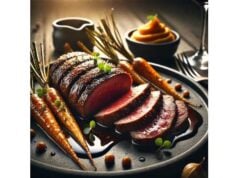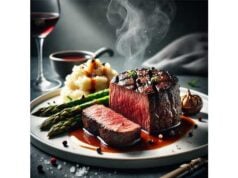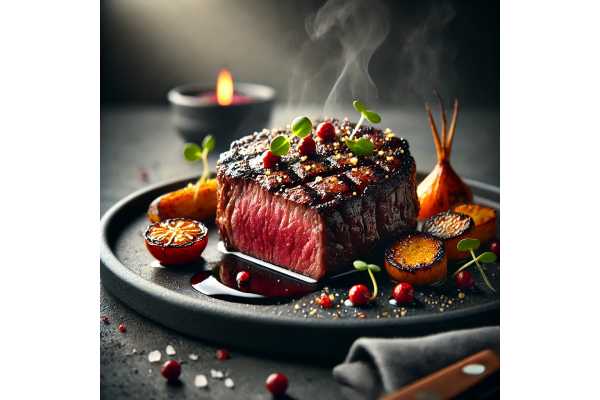
Bison meat has moved from specialty shops to everyday kitchens for good reason. It offers the familiar savor of beef with a cleaner, sweeter finish and naturally leaner cuts. Ounce for ounce, bison provides high-quality protein with notable amounts of iron, zinc, selenium, and vitamin B12—nutrients many people fall short on. Because bison is typically raised on pasture and federal rules prohibit growth hormones in bison, shoppers often view it as a straightforward, minimally handled red meat. In the kitchen, it’s versatile: quick-searing steaks, juicy burgers (with mindful doneness), slow-braised roasts, and richly flavored stews. Its leanness means it cooks faster than beef and benefits from attentive heat and moisture. As with any meat, handling and cooking temperatures matter for safety. And for some, such as people with alpha-gal syndrome, bison may need to be limited or avoided. This guide translates the science into practical steps—how to choose, store, cook, and enjoy bison—while keeping nutrition, safety, and sustainability in view.
Fast Facts
- Naturally lean source of complete protein with iron, zinc, selenium, and vitamin B12 per 100 g.
- Typical serving: 85–115 g (3–4 oz) cooked, up to two to three times weekly as part of a balanced diet.
- Cook ground bison to 71°C/160°F and steaks/roasts to 63°C/145°F with a 3-minute rest to reduce foodborne illness risk.
- People with alpha-gal syndrome, a red-meat allergy, should avoid bison or seek medical guidance.
Table of Contents
- Bison Meat: Detailed Overview
- Bison Nutrition Profile (per 100 g)
- Evidence-Based Health Benefits of Bison
- Risks, Allergies and Interactions
- Selecting, Quality, Sustainability and Storage
- Preparation, Cooking and Nutrient Retention
- Portions, Comparisons and FAQs
Bison Meat: Detailed Overview
Bison (American buffalo, Bison bison) is a red meat prized for bold flavor, tenderness, and naturally lean cuts. Compared with many beef cuts, bison usually contains less total fat and saturated fat while still delivering the same high-quality, complete protein. That combination appeals to people seeking nutrient density without excessive calories.
From a nutrition perspective, bison’s standouts are iron (for oxygen transport), zinc (for immune function and wound healing), selenium (for antioxidant enzymes), and vitamin B12 (for red blood cell formation and nerve health). A modest 100 g portion of lean, raw bison typically provides roughly 21 g protein and notable B-vitamins and minerals (see full profile below), making it easy to meet daily needs without very large servings.
Production practices also interest shoppers. In the United States, growth hormones are not permitted in bison. Antibiotics may still be used to treat illness, but the species’ handling tends to be lower-intervention than intensive feedlot systems. While “grass-fed” is common, finishing practices vary by ranch and season. As always, labels focus on the individual producer’s approach rather than an ironclad guarantee about every bison product.
Culinarily, bison behaves like a leaner beef. That means quicker cooking and a narrower window between perfectly done and overcooked. Burgers need to be cooked through for safety because they’re ground, but you can still keep them juicy with proper fat ratio, modest handling, and temperature control. Steaks benefit from medium-rare to medium doneness with a short rest; roasts and shanks reward low-and-slow braising. For weeknights, thin steaks (sirloin, top round) take well to fast searing, while ground bison swaps into tacos, chilis, and stuffed peppers without changing your workflow.
Flavor-wise, expect a clean, slightly sweet, mineral profile that stands up to pepper, garlic, juniper, thyme, rosemary, espresso rubs, and fruit-based glazes. Because the meat is lean, marinades with some oil help carry flavor and support browning; acidic ingredients like vinegar or citrus can also temper high-heat browning by promoting faster surface moisture evaporation and, when used with herbs/spices, can limit char-related compounds.
Finally, bison fits within a balanced pattern that emphasizes vegetables, whole grains, legumes, nuts, and seeds. Keep portions moderate, focus on lean cuts, and vary proteins across the week, and bison can be both satisfying and nutritionally strategic.
Bison Nutrition Profile (per 100 g)
Reference item for tables: Lean raw bison, separable lean only (top sirloin–type cut). Actual values vary by cut, leanness, feeding, and cooking method. Amounts are per 100 g. %DV uses current FDA Daily Values for adults.
Macros & Electrolytes
| Nutrient | Amount (per 100 g) | %DV |
|---|---|---|
| Energy | 113 kcal | — |
| Protein | 21.4 g | 43% |
| Total Fat | 2.4 g | 3% |
| Carbohydrates | 0.0 g | 0% |
| Fiber | 0.0 g | 0% |
| Sodium | 51 mg | 2% |
| Potassium | 335 mg | 7% |
| Phosphorus | 203 mg | 16% |
Fats & Fatty Acids
| Fatty Acid | Amount | %DV* |
|---|---|---|
| Saturated Fat | 0.9 g | 4% |
| Monounsaturated Fat | 1.0 g | — |
| Polyunsaturated Fat | 0.2 g | — |
| Cholesterol | 71 mg | — |
*No FDA %DV for most individual fatty acids or cholesterol.
Vitamins
| Vitamin | Amount | %DV |
|---|---|---|
| Vitamin B12 (Cobalamin) | 2.3 µg | 96% |
| Vitamin B6 (Pyridoxine) | 0.25 mg | 15% |
| Niacin (Vitamin B3) | 2.0 mg | 13% |
| Riboflavin (Vitamin B2) | 0.11 mg | 8% |
| Thiamin (Vitamin B1) | 0.04 mg | 3% |
| Vitamin E (alpha-tocopherol) | 0.04 mg | 0% |
Minerals
| Mineral | Amount | %DV |
|---|---|---|
| Iron | 3.0 mg | 17% |
| Zinc | 3.4 mg | 31% |
| Selenium | 25 µg | 45% |
| Magnesium | 24 mg | 6% |
| Copper | 0.14 mg | 16% |
| Calcium | 5 mg | 0% |
Protein & Amino Acids (overview)
Bison provides all nine essential amino acids in proportions typical of lean red meat; a 100 g portion delivers ~21 g complete protein. For muscle repair and satiety, pairing bison with leucine-rich sides (e.g., legumes, dairy) is optional but not required for completeness.
Bioactives/Phytonutrients
Bison, like other red meats, naturally contains small amounts of creatine and carnosine—compounds involved in muscle energy and buffering. Amounts vary by cut and cooking and are similar in scale to lean beef.
Glycemic & Acid–Base Metrics
| Metric | Value |
|---|---|
| Net Carbs | 0 g |
| Glycemic Index | Not applicable (no carbohydrate) |
| Glycemic Load | 0 |
| PRAL (acid load) | Positive (typical of animal proteins) |
Allergens & Intolerance Markers
| Concern | Notes |
|---|---|
| Alpha-gal (red-meat allergy) | Bison contains the alpha-gal sugar; individuals with alpha-gal syndrome may react and should avoid or consult an allergist. |
| Histamine | Not inherently high, but levels can rise in aged/processed products and with improper storage. |
| Additives | Plain fresh cuts have none; processed bison (jerky, sausages) may include salt, curing agents, spices. |
Footnotes:
Values reflect a lean raw cut (separable lean only). Ground bison and fattier cuts will be higher in calories and fat. Cooking changes water content and can concentrate or reduce heat-sensitive vitamins. %DV: Protein 50 g, Total Fat 78 g, Saturated Fat 20 g, Sodium 2300 mg, Potassium 4700 mg, Phosphorus 1250 mg, Iron 18 mg, Zinc 11 mg, Selenium 55 µg, Magnesium 420 mg, Copper 0.9 mg, Calcium 1300 mg, Vitamin B12 2.4 µg, Vitamin B6 1.7 mg, Niacin 16 mg, Riboflavin 1.3 mg, Thiamin 1.2 mg.
Evidence-Based Health Benefits of Bison
Nutrient density with fewer calories. Lean bison packs ~21 g of high-quality protein per 100 g for about 113 kcal. That protein supports muscle repair, bone health (via collagen matrix formation), and satiety. For people managing weight or blood sugar, swapping fattier red meats for lean bison helps trim calories while preserving satisfaction and meal structure.
Iron, zinc, selenium, and vitamin B12 support vital systems.
- Iron in red meat is largely heme iron, which is more readily absorbed than non-heme iron in plants. Adequate iron helps prevent fatigue linked to iron deficiency.
- Zinc is essential for immune function and tissue repair; a modest portion of bison provides around a third of the daily value.
- Selenium participates in antioxidant enzymes that protect cells from oxidative stress.
- Vitamin B12 underpins red blood cell formation and neurologic function and is naturally abundant in bison.
A smart fit for active lifestyles. Beyond amino acids, red meats contain small, native amounts of creatine and carnosine, which take part in rapid energy transfer and acid buffering in muscle. While bison isn’t a supplement, including lean red meat periodically can contribute to these compounds as part of a performance-supportive eating pattern.
Cardiometabolic awareness without fear-mongering. Observational research links higher intakes of red—especially processed—meat with elevated risks of some chronic diseases. At the same time, dietary patterns matter. Choosing lean, minimally processed bison in modest portions, cooking gently (rather than charring), and filling most of the plate with vegetables, legumes, whole grains, nuts, and seeds aligns with current guidance and balances cardiometabolic considerations with nutritional adequacy.
Digestibility and satiety. Bison’s complete protein and low carbohydrate content help stabilize post-meal hunger. Pairing bison with fiber-rich sides (lentils, barley, sweet potatoes, cruciferous vegetables) further slows digestion, supports the gut microbiome, and improves overall diet quality.
Practical takeaways:
- Favor fresh, unprocessed cuts most of the time; reserve jerky or cured sausages for occasional use.
- Keep portions moderate (3–4 oz cooked), plan plant-forward sides, and vary proteins across the week (fish, legumes, poultry, eggs, tofu/tempeh).
- Use marinades rich in herbs and spices and cook over moderate heat to minimize char and retain juiciness.
Risks, Allergies and Interactions
Foodborne illness risk. As with beef and other meats, undercooked bison can harbor pathogens. Follow doneness temperatures: cook ground bison to 71°C/160°F, and cook steaks/roasts to 63°C/145°F and rest 3 minutes. Use a calibrated thermometer, avoid cross-contamination (separate boards/utensils), and chill leftovers within 2 hours.
Alpha-gal syndrome (red-meat allergy). Tick exposure can trigger sensitivity to the alpha-gal sugar found in mammalian meats, including bison. Reactions may be delayed (3–6 hours) and range from hives to anaphylaxis. Anyone with suspected alpha-gal syndrome should avoid bison and seek an allergist’s care. Some people tolerate certain dairy or gelatin, but this is highly individual and requires medical guidance.
Processed forms and sodium. Bison jerky and sausages can be high in sodium and sometimes curing agents. If you enjoy them, treat them as occasional foods, prioritize products with transparent ingredients, and balance the day’s sodium from other sources.
High-heat cooking by-products. Frying or grilling at very high temperatures—especially to well-done—can produce heterocyclic amines (HCAs) and polycyclic aromatic hydrocarbons (PAHs). Practical steps reduce exposure: cook at moderate heat, avoid flames and heavy smoke, flip often, remove charred bits, precook in the oven before finishing on the grill, and use marinades with herbs/spices.
Gout and purines. Bison, like other meats, contains purines. People with gout may need to limit total purine intake; discuss individualized limits with a clinician or dietitian.
Medication considerations. There are no common direct drug–bison interactions. As always, if you take anticoagulants, immunosuppressants, or have chronic kidney disease, discuss overall protein targets and food safety practices with your care team.
Pregnancy and vulnerable groups. Pregnant people should avoid undercooked meats and unpasteurized products, reheat leftovers thoroughly, and follow refrigerator/freezer storage guidance. For infants and toddlers, finely minced, well-cooked bison can be a nutrient-dense way to provide iron and zinc after the introduction of solids.
Selecting, Quality, Sustainability and Storage
How to choose.
- Cuts: For quick cooking, choose strip, ribeye, sirloin, tri-tip, or medallions. For braising, pick chuck, shoulder clod, brisket, or shank. Ground bison varies in fat (often 85–95% lean); select for the recipe and your preference.
- Appearance: Look for deep red color with fine, even grain. Bison is naturally lean, so marbling is modest; avoid packages with excessive purge (liquid) or gray/brown areas.
- Labels that matter: “Ground” always requires thorough cooking. “Grass-fed” or “pasture-raised” describes husbandry but not safety. Claims like “no hormones” are marketing—growth hormones are not permitted in bison. Third-party certifications may add transparency but vary in rigor.
Sustainability pointers. Bison are adapted to North American grasslands and can be raised on pasture, potentially supporting rangeland ecology when well-managed. Transportation, feed finishing, and processing still carry environmental footprints. Diet pattern changes (more plants, less waste, smaller portions) often yield larger climate benefits than switching among red meats alone. Choose producers who communicate clearly about grazing, welfare, and land stewardship.
Smart storage.
- Refrigerate promptly at ≤4°C/40°F. Use ground bison within 1–2 days and steaks/roasts within 3–5 days.
- Freeze for quality: ground for 3–4 months; steaks/roasts for 4–12 months. Double-wrap or vacuum-seal to limit freezer burn; label with date and cut.
- Thaw in the refrigerator (best), in cold water (change every 30 minutes; cook right away), or in the microwave (cook immediately).
- Leftovers: chill within 2 hours; keep 3–4 days refrigerated or 2–3 months frozen for best quality.
Shopping checklist.
- Plan recipes around lean cuts and gentle cooking.
- Bring an insulated bag if errands are long.
- Keep raw bison away from ready-to-eat foods in your cart and fridge.
- Stock a reliable thermometer (instant-read) and a freezer-safe marker for labeling.
Preparation, Cooking and Nutrient Retention
General rule: bison cooks faster than beef because it’s lean. Keep heat moderate, monitor temperature, and rest briefly to preserve juices.
Steaks (strip, ribeye, sirloin).
- Pat dry and season simply (salt 0.6–1.0% of meat weight).
- Sear in a hot but not smoking pan or grill (medium-high) 2–3 minutes per side for 2–3 cm thickness.
- Target 63°C/145°F, then rest 3 minutes.
- Add a finishing knob of butter/oil or a brush of olive oil–herb mixture to enhance mouthfeel.
Roasts and shanks.
- Braising: Brown briefly, then cook covered with aromatic liquid at 135–160°C/275–325°F until fork-tender (2.5–4 hours depending on cut). Low-and-slow preserves moisture and collagen-to-gelatin conversion.
- Roasting (lean roasts): Start at 220°C/425°F for 10–15 minutes, then continue at 160–175°C/325–350°F until internal temperature reaches target doneness. Rest before slicing.
Ground bison (burgers, meatballs, tacos).
- Blend in 10–15% moisture-retaining ingredients (grated onion, minced mushrooms, beaten egg, breadcrumbs, or cooked grains).
- Handle lightly; over-working tightens texture.
- Cook to 71°C/160°F. For burgers, consider 85–90% lean for better juiciness.
Marinades and rubs.
Acid-plus-herb marinades (e.g., red wine vinegar, citrus, yogurt) with rosemary, thyme, oregano, garlic, black pepper, or paprika do double duty: they add flavor and can reduce formation of char-related compounds during grilling. Aim for 30 minutes to 4 hours of marinating for steaks; pat dry before cooking to encourage browning.
Techniques that protect nutrients.
- Gentle heat preserves B-vitamins better than prolonged high-heat searing.
- Minimal water limits water-soluble vitamin loss; use pan juices for sauces.
- Quick cook, short rest helps retain moisture and micronutrients concentrated in juices.
- Pairing strategy: serve with vitamin C–rich sides (peppers, broccoli, citrus salad) to enhance iron absorption.
Seasoning map (quick ideas).
- Savory-herb: garlic, thyme, bay leaf, mustard, cracked pepper.
- Southwest: chipotle, cumin, ancho, lime, cilantro.
- Nordic: juniper, caraway, dill, rye breadcrumbs.
- Coffee-cocoa rub: finely ground espresso, unsweetened cocoa, brown sugar, smoked paprika.
Safety recap: Always sanitize boards/knives after raw handling, keep raw meat below ready-to-eat foods, and verify using a thermometer—not color.
Portions, Comparisons and FAQs
How much is a portion?
A sensible cooked portion is 85–115 g (3–4 oz)—about a deck of cards. That delivers ~24–30 g protein depending on cut and cooking concentration. Most healthy adults do well including lean red meat like bison up to two to three times per week within a plant-forward pattern.
Bison vs. beef.
- Leanness: Comparable cuts of bison are often leaner. This reduces calories and saturated fat per serving.
- Flavor: Bison tastes “beef-like” with a slightly sweeter, mineral edge.
- Cooking: Because it’s lean, bison overcooks faster—watch temperatures closely.
- Micronutrients: Both are rich in B12, zinc, iron, and selenium; differences hinge more on the specific cut and leanness than the species.
Bison vs. venison or elk.
All are lean red meats with high protein and minimal carbohydrate. Venison often runs even leaner in field-harvested animals. Elk sits between bison and venison in flavor intensity. Handling and cooking principles are similar.
Is bison “healthier” than beef?
“Healthier” depends on the cut, preparation, and overall diet. Lean bison can be a strong choice when you want high protein and micronutrients with fewer calories. The larger picture—plenty of plants, minimal ultra-processed foods, moderate portions—matters most.
Can I eat bison if I have high cholesterol?
Work with your clinician or dietitian. Many people with cholesterol concerns prioritize leaner cuts, moderate portions, and gentle cooking methods, and balance red meat days with fish, legumes, or poultry.
Is bison safe for kids?
Yes, when fully cooked and appropriately textured. Finely mince or shred for toddlers and serve with soft, vitamin C–rich sides to aid iron absorption.
Budget tips.
Buy larger roasts to cook once/eat twice, choose ground bison when steaks are pricey, and stretch meals with beans, mushrooms, bulgur, or barley. Vacuum-seal and freeze sale cuts for later.
Common mistakes to avoid.
- Treating bison like beef with long, high-heat cooking—results in dryness.
- Skipping a thermometer—leading to undercooked burgers or overcooked steaks.
- Forgetting to rest meat—juices redistribute, improving texture and yield.
References
- Safe Minimum Internal Temperature Chart 2024 (Guideline)
- About Alpha-gal Syndrome 2025 (Guideline)
- Nutrition Facts for Game meat, bison, top round, 1″ steak, raw 2024
- Total, red and processed meat consumption and human health: an umbrella review of observational studies 2022 (Systematic Review)
- Chemicals in Meat Cooked at High Temperatures and Cancer Risk 2017 (Guideline)
Medical Disclaimer
The information in this article is educational and is not a substitute for personalized medical advice, diagnosis, or treatment. Always speak with a qualified healthcare professional about your specific health needs, especially if you have food allergies, chronic conditions, are pregnant, or are managing a medically prescribed diet.
If you found this guide helpful, please consider sharing it with others on Facebook, X (formerly Twitter), or any platform you prefer. Your support helps us continue producing practical, trustworthy nutrition content.