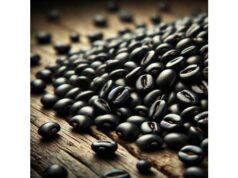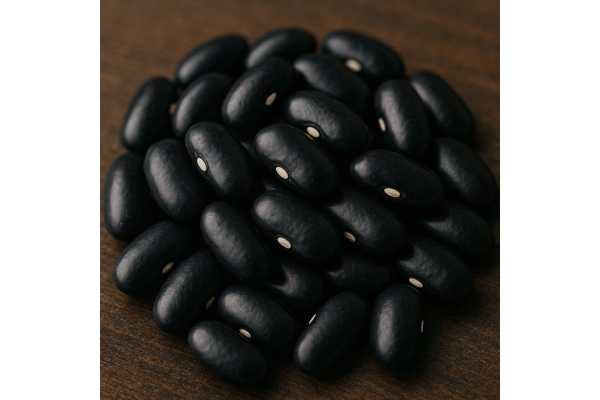
Black beans (Phaseolus vulgaris) are a staple across Latin America and the Caribbean, valued for their deep color, savory flavor, and reliable nutrition. A typical cooked serving delivers meaningful amounts of fiber and plant protein with very little fat or sodium—an easy way to upgrade everyday meals without much cost. Their naturally occurring pigments (anthocyanins) and other polyphenols add antioxidant potential, while minerals like magnesium, potassium, and iron support muscle, nerve, and blood health. In the kitchen, black beans are versatile: they simmer to creamy tenderness for soups and stews, hold their shape in salads and bowls, and blend smoothly for dips and spreads. With good preparation, most people also find them digestible. If you’re looking to lower the glycemic impact of a plate or swap some refined starches for whole-food fiber, black beans make that shift straightforward. This guide walks you through the essentials—nutrition details, evidence-backed benefits, safety and allergies, smart shopping and storage, and exactly how to cook them for maximum flavor and nutrient retention.
Key Takeaways
- Per 100 g cooked: ~8.8 g protein and ~8.7 g fiber; low fat and very low sodium.
- Cook thoroughly; undercooked beans may cause acute GI symptoms due to lectins.
- Typical serving: ½ cup cooked (≈85–90 g), 3–7 times weekly within a varied diet.
- Limit or adjust if you’re on a potassium-restricted plan, have a legume allergy, or are in a low-FODMAP elimination phase.
Table of Contents
- Black beans: detailed overview
- Black beans nutrition profile
- Evidence-based health benefits
- Risks, allergies and interactions
- Selecting, quality, sustainability and storage
- Preparation, cooking and nutrient retention
- Portions, comparisons and FAQs
Black beans: detailed overview
Black beans—also called frijoles negros, feijão preto, or poroto negro—are small, glossy seeds of the common bean species. Their dark seed coat owes its color to anthocyanins, the same family of pigments found in blueberries and purple corn. In the pot, black beans cook to a pleasantly creamy interior while holding their shape, a quality that makes them usable in brothy soups, hearty stews, salads, tacos, rice-and-bean plates, and veggie burgers. Their flavor is savory with gentle sweetness and a touch of earthiness; a simple sofrito (onion, garlic, bell pepper) or aromatics like bay leaf, cumin, oregano, and citrus zest deepen their character without overpowering them.
From a nutrition standpoint, black beans are high in dietary fiber and provide complete-meal utility: the fiber supports digestive regularity and a healthy gut microbiome; the protein helps with satiety and muscle maintenance; and the complex carbohydrates supply steady energy. They’re naturally low in fat and sodium and contain notable amounts of potassium, magnesium, iron, folate, and copper. When you swap refined grains or ultra-processed meats for black-bean dishes, you often reduce saturated fat and sodium while raising fiber and micronutrients—two shifts strongly associated with better cardiometabolic markers when sustained.
Black beans pair well with grains because their amino acids complement each other. Beans are rich in lysine yet relatively lower in methionine; grains invert that pattern. In practice, classics like rice and beans or corn tortillas with black beans provide balanced protein quality without needing to combine foods in the same bite—your body “balances the ledger” across the day.
Black beans also fit a sustainability story. As legumes, they host nitrogen-fixing bacteria on their roots. This symbiosis reduces the need for synthetic nitrogen fertilizer in rotations, improving soil health over time. Dry beans store well with minimal energy use, and cooked beans are efficient to batch-prep and freeze, cutting food waste. In short, they’re a rare triple win: affordable, nutritious, and climate-conscious.
Culturally, black beans anchor beloved dishes: Cuban black bean soup, Brazilian feijoada (a bean stew typically served with rice, orange slices, and farofa), Mexican enfrijoladas, and Central American casamiento (beans with rice). The take-home lesson is flexibility: a pot of well-cooked black beans can become a week’s worth of quick meals—bowls with roasted vegetables, quesadillas, salads, stuffed sweet potatoes, or blended dips with lime and chili.
Black beans nutrition profile
Basis: cooked, boiled black beans without salt, per 100 g. Percent Daily Values (%DV) use adult reference intakes for a 2,000 kcal diet. Values are rounded for kitchen use; nutrition varies slightly by variety and preparation.
Macros and electrolytes (per 100 g cooked)
| Nutrient | Amount | %DV |
|---|---|---|
| Energy | 132 kcal | — |
| Protein | 8.8 g | 18% |
| Total Carbohydrate | 23.7 g | 9% |
| Dietary Fiber | 8.7 g | 31% |
| Total Sugars | ~0.3–0.6 g | — |
| Total Fat | 0.5 g | 1% |
| Saturated Fat | ~0.1 g | 1% |
| Sodium | 1 mg | 0% |
| Potassium | 355 mg | 8% |
| Water | ~66 g | — |
Carbohydrates
- Predominantly slowly digestible starch plus resistant starch and soluble fibers (e.g., pectins).
- Very low intrinsic sugars; the fiber-starch blend contributes to a low glycemic impact in typical servings.
Protein and amino acids
- ~8.8 g high-quality plant protein per 100 g cooked.
- Lysine-rich; relatively lower in methionine and cysteine. Pair with grains (rice, corn, wheat, barley, quinoa) for complementary amino acids.
- Protein digestibility improves with soaking, adequate heat, and (optionally) fermentation or germination.
Fats and fatty acids (typical)
| Component | Amount | Notes |
|---|---|---|
| Total fat | 0.5 g | Very low overall |
| Monounsaturated fatty acids | ~0.05 g | Primarily oleic acid |
| Polyunsaturated fatty acids | ~0.23 g | Linoleic (~0.13 g) and alpha-linolenic (~0.10 g) |
| Saturated fatty acids | ~0.1–0.2 g | Predominantly palmitic, very small amounts |
Minerals (per 100 g cooked)
| Mineral | Amount | %DV |
|---|---|---|
| Calcium | 27 mg | 2% |
| Iron | 2.1 mg | 12% |
| Magnesium | 70 mg | 17% |
| Phosphorus | 140 mg | 11% |
| Zinc | 1.1 mg | 10% |
| Copper | 0.21 mg | 23% |
| Manganese | 0.44 mg | 19% |
| Selenium | 1.2 µg | 2% |
Vitamins (per 100 g cooked)
| Vitamin | Amount | %DV |
|---|---|---|
| Thiamin (B1) | 0.24 mg | 20% |
| Riboflavin (B2) | 0.06 mg | 5% |
| Niacin (B3) | 0.51 mg | 3% |
| Pantothenic Acid (B5) | 0.24 mg | 5% |
| Vitamin B6 | 0.07 mg | 4% |
| Folate (DFE) | 149 µg | 37% |
| Choline | ~33 mg | 6% |
Bioactives and phytonutrients
- Anthocyanins and proanthocyanidins concentrated in the seed coat contribute color and antioxidant capacity.
- Resistant starch and oligosaccharides feed beneficial gut microbes and support short-chain fatty acid (SCFA) production.
Anti-nutrients (naturally occurring)
- Phytate, lectins, tannins, and trypsin inhibitors exist primarily in raw or undercooked beans. Soaking and full boiling or pressure-cooking markedly reduce these compounds and improve mineral bioavailability.
Glycemic and acid–base notes
- Black beans have a low glycemic impact in realistic portions due to fiber, resistant starch, and protein.
- Slightly alkaline-forming relative to refined grains.
Footnote: Canned beans are pre-cooked and can include salt and sometimes firming agents (e.g., calcium chloride). Draining and rinsing canned beans typically lowers sodium substantially.
Evidence-based health benefits
Cardiometabolic support
When black beans replace refined starches or some processed meats, you usually raise fiber and potassium while lowering sodium and saturated fat—changes linked with favorable blood pressure and cholesterol patterns. Across observational research, higher legume intake is associated with a modestly lower risk of cardiovascular disease (especially coronary outcomes), with benefits leveling off around a few hundred grams per week. In practical terms, a few half-cup servings spread across the week align with those patterns. Beyond epidemiology, the nutrient package makes sense mechanistically: soluble fibers bind bile acids (supporting LDL reduction), potassium helps counterbalance sodium’s effect on blood pressure, and magnesium takes part in hundreds of enzymatic reactions central to glucose and vascular function.
Glycemic control and satiety
Meta-analyses of randomized controlled trials suggest pulses can blunt post-meal glucose rises and, over time, support small improvements in fasting glucose, HbA1c, and insulin resistance metrics when incorporated regularly. For many people, swapping part of the rice or tortillas for a generous scoop of black beans results in steadier energy and longer fullness. The texture—creamy yet structured—also makes it easy to craft satisfying, lower-glycemic bowls and wraps.
Gut microbiome benefits
Black beans supply fermentable fibers and resistant starch that feed beneficial bacteria. As microbes ferment these carbohydrates, they produce SCFAs such as butyrate, which may support intestinal barrier integrity, immune modulation, and metabolic signaling. If you’re new to legumes, ramp portions gradually—your microbiome adapts within days to weeks.
Micronutrient density in a small package
Per 100 g cooked, black beans provide ~37% DV folate, ~17% DV magnesium, ~12% DV iron, plus notable copper, manganese, zinc, and potassium. For plant-forward eaters or anyone aiming to diversify beyond animal proteins, that’s rare value per calorie. Pair with vitamin C sources (lime, orange segments, bell pepper, tomatoes) to enhance non-heme iron absorption.
Polyphenols and color-linked benefits
The seed coat’s anthocyanins and other flavonoids give black beans their signature color and contribute antioxidant capacity in vitro. While color compounds aren’t a stand-in for overall diet quality, a pattern of colorful plant foods—beans included—tends to correlate with better diet quality and metabolic markers.
Weight-management friendly
Low energy density, high fiber, and meaningful protein help black beans support calorie control without hunger. Try half rice/half beans in burrito bowls; replace part of ground meat in tacos or chili with chopped or lightly mashed black beans to reduce saturated fat while keeping texture and flavor.
Everyday applications that work
- Stir a cup of cooked beans into vegetable soup to increase fiber and protein without many calories.
- Build a lunch bowl: brown rice (½ cup), black beans (½–¾ cup), roasted peppers, salsa, avocado, and lime.
- Blend black beans with cocoa, dates, and vanilla for a better-for-you dessert dip or brownie base.
Risks, allergies and interactions
Undercooking risk
Raw or undercooked beans can contain active lectins, which may trigger acute gastrointestinal symptoms (nausea, vomiting, diarrhea). Proper soaking and full boiling or pressure-cooking deactivate these proteins. Avoid slow-cooker “low” settings for dried beans unless the beans have been fully boiled first; canned beans are pre-cooked and safe when heated.
Gas and digestive comfort
Oligosaccharides (raffinose-family carbohydrates) can cause bloating in sensitive people. To improve tolerance: soak dried beans 8–12 hours, discard the soak water, cook in fresh water until very soft, and consider pressure-cooking. Rinsing canned beans well removes some water-soluble oligos. If you follow a low-FODMAP elimination, start with small portions (2–3 tablespoons cooked), preferably from canned beans, and increase as tolerated during reintroduction.
Allergies
Black beans are legumes, not tree nuts, but legume allergies do exist (e.g., peanut, soy, lentil). Cross-reactivity is possible. People with known legume allergy should consult an allergist before trying new legumes or should avoid them if advised.
Kidney and potassium considerations
Black beans are moderately high in potassium. People with advanced chronic kidney disease or those on potassium-restricted diets should tailor serving sizes with their renal dietitian. For many others, potassium is beneficial for blood-pressure balance.
Iron and zinc absorption
Phytate and tannins can bind minerals, lowering absorption. Strategies: soak and cook thoroughly; pair with vitamin C-rich foods (citrus, peppers, tomatoes); include fermented foods or sour dressings with bean dishes; and separate tea or coffee from iron-rich meals.
Medication timing
High-fiber meals can reduce absorption of certain drugs and minerals (e.g., levothyroxine, iron supplements). Take such medications on an empty stomach or separate them from high-fiber meals by several hours as directed by your clinician.
Infants and children
Offer thoroughly cooked, mashed, or finely chopped beans to reduce choking risk. Introduce one new legume at a time and observe tolerance.
Food safety at home
Refrigerate cooked beans within 2 hours; use within 3–5 days. Reheat to steaming hot. Discard any batch with off-odors, unusual foam after storage, or signs of spoilage.
Selecting, quality, sustainability and storage
Buying dried or canned
- Dried beans: Choose clean, whole beans without cracks or weevil damage. Fresher beans (recent harvest) cook more uniformly and faster than old stock; if possible, buy from shops with high turnover. Heirloom or region-specific varieties can offer subtle differences in flavor and cook time.
- Canned beans: Look for short ingredient lists (beans, water, salt). If you monitor sodium, choose no-salt-added varieties or drain and rinse well. Some brands add calcium chloride as a firming agent, which is safe but can keep beans slightly firmer—useful for salads.
Sustainability snapshot
- Nitrogen fixation: As legumes, black beans enrich soil by working with root bacteria that fix nitrogen, allowing farmers to use less synthetic fertilizer in rotations.
- Resource efficiency: Dried beans have a fraction of the land, water, and greenhouse-gas footprint of animal proteins. Canned beans require more manufacturing energy but save at-home cooking fuel and time; overall, both forms remain climate-friendly.
- Food waste reduction: Dry beans store for months; cooked beans freeze well, decreasing spoilage and takeout reliance.
Smart storage
- Dried beans: Keep in airtight containers in a cool, dark, dry place. Ideal shelf life is up to 12–18 months. Very old beans may remain safe but take much longer to soften.
- Cooked beans: Refrigerate in liquid for 3–5 days.
- Freezing: Portion with a bit of cooking liquid in labeled containers or freezer bags for up to 3 months (quality) to 6 months (safety with slight texture change). Thaw overnight or under cold running water; reheat gently.
Label terms decoded
- “Low sodium” canned beans have ≤140 mg sodium per serving. “No salt added” indicates sodium only from the beans themselves.
- “Organic” reflects growing standards; flavor and cooking behavior are similar to conventional beans.
Budget and meal planning
- Dried beans are the most economical per serving. Save energy by soaking and using a pressure cooker. Batch-cook once, then spin leftovers into quick meals: tacos, soups, salads, grain bowls, and spreads.
Preparation, cooking and nutrient retention
Goal: tender beans with excellent flavor and digestibility, minimal fuel use, and strong nutrient retention.
1) Soak (recommended for even cooking and comfort)
- Overnight soak: Rinse, then soak 8–12 hours in plenty of water (3–4× volume). Drain and rinse; this removes some water-soluble oligosaccharides and tannins and shortens cook time.
- Hot-soak shortcut: Bring beans and water to a boil for 2–3 minutes; cover and rest 1 hour. Drain, rinse, and cook.
2) Cook thoroughly
- Stovetop simmer: Cover soaked beans with fresh water by 3–5 cm. Add aromatics (bay leaf, onion, garlic) if desired. Simmer gently until creamy-tender—typically 45–90 minutes depending on bean age and water hardness. Avoid hard rolling boils that can split skins.
- Pressure cooker: After soaking, cook 15–25 minutes at pressure (whole beans) with natural release. Unsoaked beans typically need 30–40 minutes.
- Salt strategy: If your water is soft, salting early can help season throughout. With very hard water, salt later to avoid tough skins, or use filtered water.
3) Flavor layering that works
- Base: onion, garlic, bell pepper, bay leaf, cumin, oregano.
- Finishes: lime juice or vinegar, chopped cilantro, scallions, or a spoon of salsa or chimichurri to brighten.
- For smoky notes: smoked paprika or a small piece of chipotle in adobo.
4) Improve digestibility and mineral uptake
- Combine soaking + full boiling or pressure-cooking to reduce lectins and enzyme inhibitors.
- Pair with vitamin C sources (lime, citrus, tomatoes, peppers) to enhance iron absorption.
- Experiment with fermented sides (e.g., curtido, sauerkraut) or sprouted cooking for added variety and potential benefits.
5) Preserve nutrients
- Use the cooking liquid (pot liquor) in soups, stews, or to cook rice—it holds soluble minerals and flavor.
- Avoid prolonged high-heat “drying” after cooking; it can toughen skins and lower palatability.
- For canned beans, rinse briefly to lower sodium; keep some liquid if you want extra body in soups.
6) Quick recipe ideas
- Everyday black bean soup: sauté onion, garlic, cumin; add beans with cooking liquid, a splash of orange juice, and oregano; simmer and finish with lime.
- Sheet-pan bowls: roast peppers, onions, and sweet potato; toss with warm black beans, cilantro, and lime over brown rice or quinoa.
- Black bean dip: blend beans with lime, garlic, tahini or olive oil, a touch of chili, and a spoon of yogurt for creaminess.
- Crunchy snack: pat dry cooked beans, toss with spices, and roast at moderate heat, shaking the pan to crisp evenly.
7) Batch cook like a pro
Cook 500 g dried beans after an overnight soak; pressure-cook ~20 minutes, natural release. Portion into 6–8 containers with some liquid. Freeze most, refrigerate a couple. You now have the backbone for tacos, salads, soups, and quick breakfasts (beans, eggs, salsa).
Portions, comparisons and FAQs
Suggested portion and frequency
- Standard serving: ½ cup cooked (≈85–90 g).
- How often? Anywhere from 3–7 servings per week fits well in heart-healthy, Mediterranean-style, or plant-forward patterns, provided digestion is comfortable and potassium isn’t restricted.
Who benefits most?
- People moving toward plant-forward eating who want budget-friendly, non-soy proteins.
- Anyone aiming for better glycemic steadiness by replacing refined starches with high-fiber sides.
- Active individuals who value potassium and magnesium for muscle and nerve function.
Comparisons (per 100 g cooked, typical)
- Black beans vs kidney beans: Similar calories; black beans often provide slightly more fiber per 100 g and a creamier texture at equal tenderness.
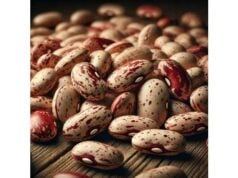
- Black beans vs pinto beans: Both are fiber-rich; black beans bring anthocyanin pigments and a denser bite, while pinto beans mash more easily.
- Black beans vs lentils: Lentils cook faster and can be softer; black beans hold shape better in salads and bowls.
- Black beans vs chickpeas: Chickpeas have a nutty flavor and higher folate on average; black beans are usually lower in fat and often higher in magnesium per 100 g.
Smart pairings
- With grains: rice, corn tortillas, farro, or barley for complementary amino acids.
- With vitamin C: lime, orange segments, pico de gallo, roasted peppers to enhance iron uptake.
- With healthy fats: avocado, olive oil, or pumpkin seeds for satiety and flavor.
Frequently asked questions
Are black beans low glycemic?
Yes. Typical portions have a low glycemic impact thanks to fiber, resistant starch, and protein. Cooking method and what you serve with them also influence responses.
Can I use a slow cooker?
Use caution. Unless pre-boiled, slow cookers set to low may not reach temperatures high enough for safety. Prefer stovetop simmering, pressure-cooking, or fully pre-boiled beans in a slow cooker.
Do canned beans count the same nutritionally?
Generally yes for macros and minerals. Rinse to reduce sodium if needed. Some firming agents keep texture; adjust cooking time in recipes.
How do I reduce gas?
Soak and discard the soak water, cook until very tender (pressure-cooking helps), rinse canned beans, start with smaller portions, and use digestive aromatics like ginger, bay, and cumin. Many people adapt within a week or two of regular intake.
Is there gluten in black beans?
No. Beans are naturally gluten-free. If you’re sensitive, check labels on canned products and spice mixes for cross-contact.
References
- Nutrition Facts for Cooked Black Beans 2025
- Intake of legumes and cardiovascular disease: A systematic review and dose-response meta-analysis 2023 (Systematic Review and Meta-analysis)
- Pulse consumption improves indices of glycemic control in adults with and without type 2 diabetes: a systematic review and meta-analysis of acute and long-term randomized controlled trials 2022 (Systematic Review and Meta-analysis)
- Antinutritional factors, nutritional improvement, and future food use of common beans: A perspective 2022 (Review)
- Natural Toxins in Food 2024 (Guidance)
Medical Disclaimer
This article is educational in nature and is not a substitute for personalized medical advice, diagnosis, or treatment. Nutrition needs, tolerances, and medication timing vary by individual. If you have a medical condition (such as kidney disease, food allergies, or diabetes), are pregnant or breastfeeding, or take prescription medications, consult your healthcare professional or a registered dietitian for tailored guidance.
If you found this guide helpful, please consider sharing it on Facebook, X (formerly Twitter), or your preferred platform. Your support helps us continue producing clear, trustworthy nutrition content.