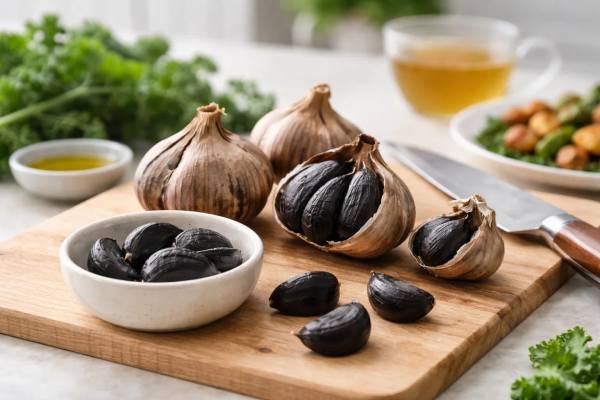
Black garlic looks dramatic, but its appeal is surprisingly practical: it is regular garlic that has been “aged” under warm, humid conditions until the cloves turn soft, dark, and gently sweet. That slow transformation changes both flavor and chemistry, reducing the sharp bite of raw garlic while concentrating certain antioxidant compounds that help the body manage everyday inflammatory stress. For immune support, this matters because your immune system is not just about “fighting germs,” it is also about controlling the intensity and timing of inflammation—especially in the airways during cold and flu season.
Used consistently, black garlic can be a simple, food-first way to support overall resilience, from oxidative balance to cardiovascular health, with fewer odor and stomach complaints than raw garlic for many people. The key is knowing what it can realistically do, and how to use it safely.
Core Points for Immune Support
- Black garlic is easier to tolerate than raw garlic for many people and can be used daily as a food-based immune-support habit.
- Its immune value is most plausible through antioxidant and inflammation-balancing effects, not as a direct “antiviral cure.”
- Human evidence is promising but still limited; benefits are usually subtle and build with consistent use.
- Avoid high-dose products if you use blood thinners or have surgery scheduled, unless your clinician approves.
- Aim for a steady routine (for example, 1–2 cloves with a meal most days for 6–8 weeks) and reassess based on tolerance.
Table of Contents
- What makes black garlic different
- The immune support science
- Cold and respiratory benefits you can expect
- How to use black garlic daily
- Side effects and drug interactions
- Choosing high-quality black garlic
- When to skip supplements and seek care
What makes black garlic different
Black garlic is not a different plant. It starts as the same Allium sativum you buy fresh, but it is held for weeks in a controlled warm, humid environment. Many producers use temperatures roughly in the range of 60–80°C (140–176°F) with high humidity for 2–6 weeks, followed by a rest period. The cloves gradually turn dark brown to black, become soft and sticky, and develop a flavor closer to balsamic, tamarind, or molasses than to pungent garlic.
The most important change is chemical, not cosmetic. Raw garlic’s “kick” comes from alliin converting to allicin when the clove is crushed. Allicin is reactive and short-lived, which is part of why raw garlic is strong in both smell and stomach impact. During the aging process, allicin decreases, and other sulfur compounds become more prominent and more stable. One compound frequently discussed is S-allyl cysteine (often shortened to SAC), which tends to be better tolerated and easier to measure in extracts. At the same time, the Maillard reaction (the same browning chemistry that makes toasted bread aromatic) produces dark pigments and new antioxidant compounds called melanoidins.
From a practical standpoint, this means black garlic often feels “friendlier” as a daily food: less burning, less lingering breath, and less digestive upset for many people. It also means black garlic is not simply “raw garlic, but stronger.” It is a different balance of compounds with different strengths, which is why the evidence for raw garlic cannot be copied and pasted onto black garlic without caution.
You will also see related products that sound similar but are not identical:
- Black garlic cloves or paste: the whole food, usually easiest to use consistently.
- Black garlic powder: convenient, but potency varies widely with processing and storage.
- Aged black garlic extract: a concentrated supplement form; quality matters more here.
- Aged garlic extract: often a separate category that may not be “black garlic,” even though it is also aged; it can have different standardization and evidence.
If your goal is immune support during cold season, thinking of black garlic as a steady, food-based addition (rather than a rapid “treatment”) usually leads to better expectations and better consistency.
The immune support science
Immune support is often marketed as “boosting” immunity, but a healthier framework is immune readiness and immune balance. A strong immune response that overreacts can be as unhelpful as a weak one, especially in respiratory infections where inflammation drives many symptoms. Black garlic is most plausibly supportive because it may help the body manage oxidative stress and inflammatory signaling—two processes that influence how your immune system responds and recovers.
Here are the main ways black garlic may support immune function, based on mechanistic and early clinical research:
- Antioxidant buffering: Immune cells produce reactive oxygen species to help control pathogens, but too much oxidative stress can damage tissues and prolong recovery. Black garlic’s polyphenols and melanoidins may improve antioxidant capacity, which is relevant during repeated seasonal exposures.
- Inflammation modulation: Several pathways involved in inflammation (including cytokine signaling) appear to be influenced by compounds found in aged garlic products. The goal is not to “turn off” inflammation, but to keep it proportionate and time-limited.
- Support for barrier tissues: Your airway lining and gut lining are physical barriers that interact with immune cells. A diet that reduces oxidative stress and supports a healthy microbiome can indirectly support immune resilience. Black garlic’s melanoidins may act like prebiotic fibers for some gut microbes, which could matter over time.
- Metabolic and vascular effects that influence immunity: Sleep, blood sugar stability, and circulation all influence immune function. Some trials of aged black garlic extracts focus on cardiovascular outcomes. While that is not “immune” research directly, it matters because immune performance is tightly linked to overall metabolic and vascular health.
A key limitation is that human immune-outcome studies on black garlic itself are still relatively limited compared with other nutrition interventions. Some clinical research exists for aged garlic extracts more broadly, including changes in inflammatory markers and immune cell patterns in specific populations. That is encouraging, but it does not guarantee that every black garlic clove or supplement will deliver the same effect. Production methods, storage, and standardization can change the final compound profile substantially.
The most honest takeaway is this: black garlic is unlikely to be a dramatic, immediate immune “booster,” but it is a plausible, low-effort daily tool for supporting the body’s inflammatory balance and oxidative defenses—especially when it replaces less supportive habits (like skipping meals, over-relying on sugar for energy, or neglecting sleep).
Cold and respiratory benefits you can expect
People usually try black garlic for immune support with one of three goals: fewer colds, milder symptoms, or faster recovery. It helps to separate what is realistic from what is marketing.
What you can reasonably expect (for many people):
- A small “margin of resilience,” not immunity armor. If black garlic helps, it may show up as fewer days feeling run-down, slightly less intense sore throat or congestion, or better ability to keep functioning during minor infections.
- Support for inflammatory tone in the airways. During respiratory infections, symptoms like sinus pressure, cough irritation, and throat pain often reflect inflammation. Nutritional compounds that support antioxidant capacity can make that inflammatory phase less disruptive for some individuals.
- Better consistency than raw garlic. This is an underrated benefit. A supplement or food only helps if you can actually use it regularly. Because black garlic is milder in taste and smell and often easier on the stomach, many people stick with it longer than raw garlic.
What you should not expect:
- It will not prevent exposure. Hand hygiene, ventilation, and vaccination (when appropriate) are still the heavy hitters for respiratory infection prevention.
- It will not “kill viruses” in your body on demand. Lab studies may show antimicrobial activity in controlled settings, but real infections are more complex, and doses in food are not the same as doses in a petri dish.
- It is not a substitute for medical care. Persistent high fever, shortness of breath, chest pain, wheezing that is new or worsening, or dehydration require prompt evaluation.
A practical way to think about black garlic is as part of a broader “respiratory season” plan:
- Baseline support (daily): black garlic with meals, sleep routine, hydration, protein, and micronutrient adequacy.
- High-exposure periods (days to weeks): tighten the basics—sleep, stress management, and meal regularity—because these change immune response quickly.
- When symptoms start: continue food-based support, but lean most heavily on evidence-based symptom care (fluids, rest, fever control when needed, and clinician-guided treatment).
If you are someone who catches “every cold going around,” the most valuable role of black garlic may be as a consistent, low-friction habit that supports overall inflammatory balance—while you also look for bigger drivers such as sleep debt, iron deficiency, vitamin D deficiency, uncontrolled allergies, chronic sinus disease, or high stress load.
How to use black garlic daily
For immune support, black garlic works best as a routine, not a rescue. The simplest plan is to use the whole food most days and reserve supplements for cases where food use is not practical.
Food-first serving ideas
A common starting point is 1 clove per day, taken with a meal. If you tolerate it well, many people move to 1–2 cloves per day. Because clove size varies, consistency matters more than precision. The goal is regular exposure over weeks, not a single large dose.
Easy ways to use it without “garlic overload”:
- Mash into a vinaigrette with olive oil and lemon, then toss with vegetables.
- Stir into warm soups after cooking (heat can dull flavor nuances).
- Spread on whole-grain toast with a protein topping (egg, yogurt-based spread, or fish).
- Blend into hummus or bean dips for a sweet-savory depth.
- Add to marinades for chicken, tofu, or roasted vegetables.
If you prefer a supplement
Supplements vary widely, so treat label claims carefully. If a product states it is standardized to a compound like SAC, that can be a useful quality signal. For non-standardized products, dosing guidance is less reliable.
A conservative approach:
- Start at the lowest labeled daily dose for 1 week to assess tolerance.
- Increase only if needed and only within label directions.
- Use consistently for 6–8 weeks before judging whether it helps.
Timing matters more than you think
- Take black garlic with food if you are prone to reflux, nausea, or a “hot” stomach sensation.
- If you notice daytime burping, try it with your largest meal, not on an empty stomach.
- If you are using it for general resilience, consistency beats perfect timing.
Storage and freshness
Whole black garlic should be stored according to the package directions. In general, keep it cool and sealed; moisture swings can affect texture and flavor. Black garlic paste and peeled cloves are more vulnerable to drying out or picking up fridge odors, so airtight storage helps.
Finally, if you want to use black garlic specifically during cold season, consider a simple “seasonal rhythm”: daily use for 8–12 weeks during the highest-risk months, then reassess and decide whether to continue year-round.
Side effects and drug interactions
Black garlic is generally used as a food, and most people tolerate it well in culinary amounts. Still, “natural” does not mean risk-free—especially when concentrated extracts are involved.
Common side effects (usually dose-related)
- Digestive upset: bloating, gas, nausea, or loose stools, especially if you increase too quickly.
- Reflux symptoms: some people notice heartburn or throat irritation.
- Headache or lightheadedness: uncommon, but can occur if blood pressure shifts in sensitive individuals.
- Skin or mouth irritation: rare, but possible in people with garlic sensitivity.
If you get symptoms, the safest adjustment is to reduce the dose, take it with food, or switch from supplements to the whole food.
Medication and health-condition cautions
Discuss black garlic (especially supplements) with your clinician if any of the following apply:
- Blood thinners or bleeding risk: Garlic can influence platelet function in some contexts. If you use anticoagulants or antiplatelet medications, avoid high-dose garlic products unless your clinician approves.
- Upcoming surgery or dental procedures: Many clinicians advise stopping concentrated herbal supplements in advance of procedures. If you use black garlic as a food, ask whether you should pause; if you use an extract, be more cautious.
- Blood pressure medications: Some aged black garlic extracts have been studied for blood pressure support. Combined effects can be relevant if you are already treated for hypertension.
- Diabetes medications: Garlic products may influence glucose metabolism in some people. Monitor for low blood sugar if you are adjusting diet or supplements.
- Allergy or intolerance: People allergic to garlic or other alliums should avoid black garlic.
Pregnancy and breastfeeding
Culinary use is generally considered lower risk, but concentrated supplements are a different category. If you are pregnant or breastfeeding, it is wise to keep intake food-based and conservative unless your obstetric clinician recommends otherwise.
A practical safety rule
If you are using black garlic for immune support, you rarely need “high-dose.” Aim for the smallest amount that fits into your routine and feels good in your body. If you cannot tolerate it comfortably, it is not the right tool for you—and that is a valid outcome.
Choosing high-quality black garlic
Quality matters more with black garlic than many people realize, because the aging process can be done well—or rushed. A low-quality product may taste off, dry out quickly, or deliver inconsistent bioactive compounds.
What good whole black garlic looks and feels like
- Color: deep brown to black, fairly uniform.
- Texture: soft, slightly sticky, and easy to mash.
- Aroma: sweet, tangy, and mild—not sharply sulfurous.
- Taste: complex sweetness with a gentle savory finish, not bitterness.
Warning signs include extreme dryness, a burnt taste, or a sour “spoiled” smell. Some tang is normal; a sharp rotten odor is not.
Label clues that help
For whole cloves, the ingredient list should be short. Ideally, it is simply garlic. Some products include preservatives or added sugars; that is not automatically bad, but it changes the food. If immune support is your goal, you want consistency and minimal unnecessary additives.
For supplements and extracts, consider the following:
- Standardization: If the label specifies an amount of SAC or another measurable marker, it suggests tighter quality control.
- Third-party testing: Look for evidence of independent testing for contaminants and label accuracy.
- Clear dosing instructions: Avoid products that hide amounts in proprietary blends.
- Batch and storage guidance: Better producers usually provide clearer storage instructions, because stability matters.
Homemade black garlic: proceed thoughtfully
Some people make black garlic using a temperature-controlled cooker. If you do, food safety and consistency are the main concerns. True black garlic requires stable heat and humidity for weeks, not casual countertop fermentation. A setup that runs too cool or fluctuates can lead to unpredictable results and spoilage risk. If you choose to try it, treat it like a controlled cooking project: steady temperature, clean equipment, and careful storage.
The immune-support perspective on quality
For immune goals, the “best” product is the one you will use steadily and tolerate well. For many people, that is simply high-quality whole black garlic cloves used daily with meals. Supplements can be useful, but they raise the stakes on quality control, dosing, and interactions.
When to skip supplements and seek care
Black garlic can be a helpful addition, but it should not become a distraction from red flags, underlying conditions, or the basics that most strongly shape respiratory health.
Seek medical care promptly if you have:
- Shortness of breath, chest pain, bluish lips, or trouble staying awake.
- Persistent high fever, severe dehydration, or confusion.
- Wheezing that is new, worsening asthma symptoms, or oxygen levels that concern you.
- Symptoms that improve then sharply worsen again.
- Frequent infections that are unusual for you, or infections that linger longer than expected.
These situations need evaluation. No food or supplement should delay care.
When black garlic may not be a good fit
- You cannot tolerate it even at small amounts.
- You use blood thinners or have a bleeding disorder and cannot get clinician guidance.
- You are relying on it instead of evidence-based prevention steps.
- You have uncontrolled reflux and notice it consistently worsens symptoms.
A grounded, effective way to use black garlic for immune support
If you want a clear plan that stays realistic:
- Choose whole black garlic first (or a reputable standardized extract if food is not practical).
- Use 1 clove daily with a meal for 1–2 weeks.
- If tolerated, continue most days for 6–8 weeks.
- Track something measurable: number of “sick days,” symptom intensity, or how quickly you recover from minor colds.
- Keep your foundation strong: sleep regularity, protein intake, hydration, and management of allergies or sinus problems.
- Reassess. If you notice no benefit and it adds cost or hassle, stop. If you do notice a benefit, keep it seasonal or continue at the smallest effective routine.
Immune support is rarely one magic ingredient. Black garlic is best viewed as a supportive piece—useful, often enjoyable, and potentially meaningful over time—when it sits on top of solid daily health habits.
References
- Black Garlic: Evolution of the Chemical Composition and Broad Biological Activities 2025 (Review)
- Black Garlic and Its Bioactive Compounds on Human Health Diseases: A Review 2021 (Review)
- Anti-Cancer and Anti-Inflammatory Properties of Black Garlic 2024 (Review)
- Antihypertensive Effects of an Optimized Aged Garlic Extract in Subjects with Grade I Hypertension and Antihypertensive Drug Therapy: A Randomized, Triple-Blind Controlled Trial 2023 (RCT)
- Aged garlic extract supplementation modifies inflammation and immunity of adults with obesity: A randomized, double-blind, placebo-controlled clinical trial 2018 (RCT)
Disclaimer
This article is for general educational purposes and does not provide medical advice, diagnosis, or treatment. Dietary supplements and concentrated herbal extracts can interact with medications and may not be appropriate for everyone, including people who are pregnant, breastfeeding, preparing for surgery, or managing chronic conditions. If you have symptoms of a serious respiratory illness (such as shortness of breath, chest pain, persistent high fever, severe weakness, or dehydration), seek urgent medical care. For personalized guidance—especially if you take blood thinners, blood pressure medicines, or diabetes medications—talk with a licensed healthcare professional.
If you found this article useful, consider sharing it on Facebook, X (formerly Twitter), or any platform you prefer.