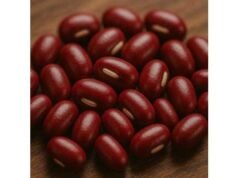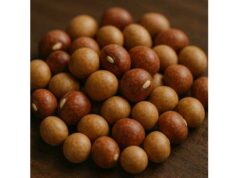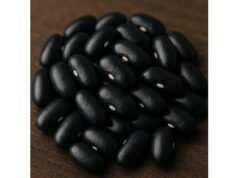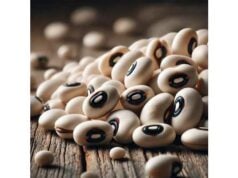
Black gram (Vigna mungo), also called urad dal or black matpe, is a small but mighty pulse with a long culinary and agricultural history across South Asia. Its earthy flavor and creamy texture make it essential for fermented batters (idli, dosa), rich dals, hearty stews, papad, and even nutrient-dense flours. Like other pulses, black gram is naturally rich in plant protein, prebiotic fiber, folate, iron, magnesium, and potassium while staying low in saturated fat and sodium. It cooks up soft yet holds shape, works in pressure cookers and slow cookers, and takes well to tempering spices. Beyond the kitchen, black gram supports crop diversity and soil health as a nitrogen-fixing legume that thrives in semi-arid climates. Whether you are building more plant-forward meals, exploring traditional recipes, or looking for affordable nutrition, black gram brings steady energy, digestive-friendly fiber, and versatile culinary uses to your table.
At a Glance
- Provides ~7.6 g protein and ~6.4 g fiber per 100 g cooked; supports fullness and steady blood sugar.
- Typical serving: ½ cup (≈100 g) cooked, enjoyed 3–5 times per week within a varied diet.
- Safety note: always cook thoroughly; never eat raw or undercooked dried beans.
- People with legume allergies or on low-FODMAP elimination should limit or avoid unless advised.
Table of Contents
- Black gram: detailed overview
- Black gram nutrition profile
- Evidence-based health benefits
- Risks, allergies and interactions
- Selecting, quality, sustainability and storage
- Preparation, cooking and nutrient retention
- Portions, comparisons and FAQs
Black gram: detailed overview
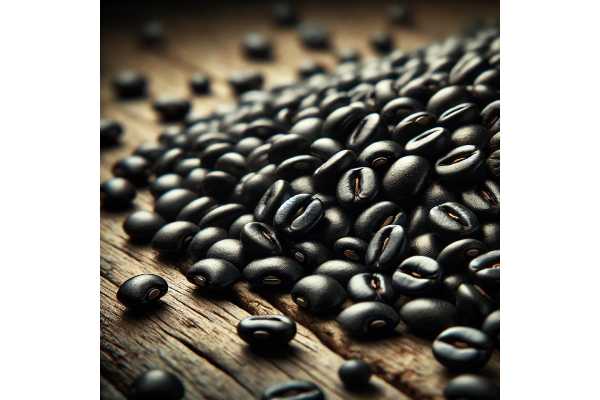
Black gram (Vigna mungo) is a warm-season pulse closely related to mung bean but distinct in look, flavor, and culinary uses. Whole seeds have a charcoal-black seed coat with a white cotyledon inside; the split, skinned form is the white urad dal common in fermented South Asian batters. In the kitchen, black gram delivers a uniquely creamy body that enriches dals and soups without cream, and it anchors batters that steam or griddle into soft, airy staples—idli, dosa, appam, vada. Toasted and ground, it becomes a gluten-free flour that adds protein and binding to flatbreads and crackers (papad/papadum). It pairs naturally with aromatics (onion, garlic, ginger), tomato, coconut, and warming spices (mustard seed, cumin, curry leaves), and it welcomes pressure cooking for weeknight speed.
From a nutrition standpoint, cooked black gram provides a satisfying mix of plant protein, resistant starch and soluble fiber (including prebiotic fractions), and a notable dose of folate and minerals like iron, magnesium, phosphorus, and potassium. Its carbohydrate quality—not just quantity—matters: the fiber and slowly digestible starch blunt post-meal glucose spikes while feeding beneficial gut microbes. Protein quality is strong for a plant food; legumes complement cereal grains by supplying lysine (often short in wheat and rice), while grains contribute methionine to complete the amino acid pattern.
Agronomically, black gram supports climate-smart food systems. It is short-season, drought-tolerant, and fixes atmospheric nitrogen through root nodules, reducing synthetic fertilizer needs and improving soil fertility for subsequent crops. It also fits mixed and smallholder systems, intercropping with cereals (rice, millet, sorghum) and oilseeds (sesame) to diversify income and diets. Storage is straightforward: once fully dried and kept airtight away from moisture and pests, whole seeds store well for many months, making them valuable pantry staples and food-security allies.
Culinary substitutions are flexible: black gram can stand in for other small beans or lentils in soups and stews, though it brings a creamier, more cohesive texture. In fermented recipes, its mucilage and protein content are difficult to replace one-for-one; a practical alternative is a blend of split chickpea (chana dal) and a little rolled oats to mimic body and binding if black gram is unavailable. For salads and grain bowls, cook until just tender to keep shape; for creamy dals, cook a touch longer or briefly mash to release starches.
If you are new to black gram, begin with the split form (skinned or with skin) for quicker cooking, or try convenient canned versions (rinse well). Build flavor with a quick tadka—whole spices bloomed in a small amount of hot oil or ghee—and finish with acid (lemon, tamarind) and fresh herbs. The result is hearty, aromatic, and naturally satisfying.
Black gram nutrition profile
Serving basis: cooked, boiled black gram (mature seeds), per 100 g.
Label note: % Daily Value (%DV) uses adult DVs (2,000 kcal diet).
Macros & Electrolytes (per 100 g cooked)
| Nutrient | Amount | %DV |
|---|---|---|
| Energy | 105 kcal | — |
| Protein | 7.6 g | 15% |
| Total Carbohydrate | 18.3 g | — |
| Dietary Fiber | 6.4 g | 23% |
| Total Sugars | 2.0 g | — |
| Total Fat | 0.55 g | 1% |
| Saturated Fat | 0.04 g | 0% |
| Sodium | 7 mg | 0% |
| Potassium | 231 mg | 5% |
| Water | 73 g | — |
Carbohydrates (quality markers)
- Fiber: ~6.4 g per 100 g cooked (mix of soluble and insoluble; includes prebiotic fractions).
- Net digestible carbs: ~12 g per 100 g.
- Naturally free of added sugars.
Fats & Fatty Acids
| Component | Amount | %DV/Note |
|---|---|---|
| Total Fat | 0.55 g | 1% |
| Saturated | 0.04 g | 0% |
| Monounsaturated | ~0.03 g | — |
| Polyunsaturated | ~0.36 g | includes small ALA |
Protein & Amino Acids
| Essential Amino Acid | Per 100 g cooked |
|---|---|
| Histidine | ~211 mg |
| Isoleucine | ~385 mg |
| Leucine | ~625 mg |
| Lysine | ~500 mg |
| Methionine | ~110 mg |
| Phenylalanine | ~440 mg |
| Threonine | ~262 mg |
| Tryptophan | ~78 mg |
| Valine | ~423 mg |
Vitamins
| Vitamin | Amount | %DV |
|---|---|---|
| Thiamin (B1) | 0.15 mg | 13% |
| Riboflavin (B2) | 0.08 mg | 6% |
| Niacin (B3) | 1.5 mg | 9% |
| Pantothenic Acid (B5) | 0.43 mg | 9% |
| Vitamin B6 | 0.06 mg | 3% |
| Folate (DFE) | 94 µg | 24% |
| Vitamin K | 2.7 µg | 2% |
| Choline | 29.6 mg | 5% |
Minerals
| Mineral | Amount | %DV |
|---|---|---|
| Calcium | 53 mg | 4% |
| Iron | 1.78 mg | 10% |
| Magnesium | 63 mg | 15% |
| Phosphorus | 156 mg | 12% |
| Potassium | 231 mg | 5% |
| Zinc | 0.83 mg | 8% |
| Copper | 0.14 mg | 15% |
| Manganese | 0.41 mg | 18% |
| Selenium | 2.5 µg | 5% |
Allergens & Intolerance Markers
- Contains legume proteins that can provoke IgE-mediated allergy in sensitive individuals; potential cross-reactivity with other legumes (e.g., peanut, soy) is reported.
- FODMAPs: like many pulses, black gram contains galacto-oligosaccharides (GOS); soaking, sprouting, fermenting, and thorough cooking reduce them.
Anti-nutrients & Processing Notes
- Naturally occurring phytic acid, tannins, and trypsin inhibitors may reduce mineral and protein digestibility; soaking, discarding soak water (partial), pressure cooking, and fermentation markedly decrease these compounds and improve bioavailability.
Glycemic & Acid–Base Metrics
- Low glycemic impact typical of pulses due to fiber, resistant starch, and protein; helpful as a swap for refined starch sides.
- PRAL (acid–base) is low; black gram fits well in balanced meal patterns.
Footnote: values reflect cooked, unfortified black gram (boiled, without salt). Small natural variability occurs across varieties and cooking methods.
Evidence-based health benefits
Cardiometabolic support (blood sugar and heart health). Black gram’s steady-carb profile and high fiber make it a practical swap for refined grains and starchy sides. The fiber and slowly digestible starch lower the glycemic load of mixed meals, tempering post-meal glucose and insulin responses. Regular pulse intake is linked with improved markers of glycemic control in randomized trials—think small but meaningful reductions in fasting glucose and post-prandial spikes over weeks of consistent intake. For many, substituting black gram for a portion of rice or pasta in a few meals per week is a realistic strategy to support glucose stability, especially when combined with protein and healthy fats. From a heart-health lens, diets higher in legumes are associated with modestly lower risks of coronary outcomes in observational studies, and clinical trials often show improvements in LDL cholesterol and blood pressure when pulses replace refined carbohydrates or processed meats. The practical takeaway: use black gram as the protein-rich, high-fiber anchor in grain bowls, stews, and batters to nudge cardiometabolic risk in the right direction.
Digestive health and satiety. Each 100 g cooked serving delivers ~6.4 g of fiber, including fermentable fractions that act as prebiotics. These feed short-chain-fatty-acid-producing microbes (butyrate makers) that help maintain a healthy gut lining and modulate inflammation. Fiber also adds bulk and viscosity, increasing satiety and helping normalize bowel habits. If you are fiber-sensitive or new to legumes, titrate portions gradually and use preparation methods (extended soak, rinse, cook thoroughly, consider pressure cookers) to reduce gas-forming oligosaccharides.
Micronutrient density and plant protein. Black gram contributes folate (≈24% DV per 100 g), iron (≈10% DV), magnesium (≈15% DV), phosphorus (≈12% DV), and manganese (≈18% DV) with minimal sodium and saturated fat. For plant-forward eaters, it supplies lysine-rich protein that complements cereal grains: pairing black gram with rice or wheat improves overall amino acid balance. Traditional fermented batters (urad dal plus rice) do this automatically—and fermentation further enhances B-vitamin content and mineral bioavailability while adding a delicate sour aroma and digestibility.
Weight management patterns. Fiber and protein promote fullness on fewer calories. Replacing energy-dense sides with black gram helps lower overall calorie density of meals, supporting weight goals without perceived restriction. Pulses also fit Mediterranean-style, DASH-style, and vegetarian diets associated with lower cardiometabolic risk when overall patterns are balanced.
Healthy aging and sustainability. Nutrient density, affordability, and long shelf life make black gram a practical component of resilient, climate-conscious diets. As a nitrogen-fixing legume, it improves soil fertility and supports diversified cropping—impactful at household and regional scales.
How much helps? Patterns that include roughly 3–6 cooked legume servings per week (≈300–600 g total) are commonly used in research and dietary guidance. Start with ½ cup cooked black gram at a meal and adjust based on tolerance and goals.
Risks, allergies and interactions
Undercooking risk (lectins). Like many legumes, raw or undercooked beans can contain lectins that cause acute gastrointestinal upset (nausea, vomiting, diarrhea). Proper soaking and thorough boiling (or pressure cooking) deactivate these proteins. Canned beans are pre-cooked and safe when rinsed; never eat raw soaked beans or taste test before the pot reaches a full, sustained boil.
Allergy and cross-reactivity. While less common than peanut or soy allergy, black gram can trigger IgE-mediated reactions in sensitive individuals. Cross-reactivity among legumes exists because seed storage proteins share similar structures. Anyone with a known legume allergy should introduce new legumes cautiously with medical guidance. Symptoms can include oral itching, hives, wheeze, or anaphylaxis—seek urgent care for severe reactions.
Digestive intolerance and FODMAPs. Galacto-oligosaccharides (GOS) and fermentable fibers can cause bloating and gas. Tolerance varies widely. Strategies that help: soak 8–12 hours (changing the water once), rinse, cook until very tender (pressure cookers excel), and portion modestly at first. Fermented or sprouted preparations often digest more comfortably.
Mineral interactions. Unprocessed legumes contain phytic acid that can bind minerals like iron and zinc, modestly reducing absorption. Traditional methods—soaking, sprouting, fermenting, and cooking—meaningfully decrease phytic acid. Pair with vitamin C sources (lemon, tomato) to enhance non-heme iron absorption.
Medication considerations.
- Blood glucose-lowering drugs: high-fiber pulse meals can modestly improve glycemia; monitor if you use insulin or sulfonylureas to avoid lows when changing carbohydrate patterns.
- Mineral supplements: take iron or zinc supplements away from high-phytate meals if you struggle to replete stores; your clinician can tailor timing.
Food safety and storage. Dried beans are shelf-stable when kept in airtight containers away from heat and humidity. Long storage can slightly lengthen cooking time. Protect from pantry pests by using sealed jars, rotating stock, and storing in cool, dry conditions. Discard any beans with mold, off-odors, or insect damage. Cooked beans keep ~3–4 days chilled and up to 2–3 months frozen.
Who should limit or avoid?
- Individuals with diagnosed legume allergy or prior reactions to black gram.
- People strictly following a low-FODMAP elimination phase (unless advised otherwise).
- Anyone advised by their clinician to limit potassium or phosphorus may need portion guidance if intakes are high and kidney function is reduced.
Selecting, quality, sustainability and storage
Buying forms.
- Whole black gram (with skin): glossy black seeds; cooks to a creamy, cohesive texture while retaining body—ideal for hearty dals and stews.
- Split black gram (with skin): halves cook faster with a pleasant nubbly texture; great in tempereds and rustic soups.
- Split, skinned (white urad dal): the hallmark of batter recipes (idli, dosa, vada) thanks to its mucilage that aerates and binds.
- Flour (urad dal flour): binds papad/papadum, crackers, and flatbreads; adds protein to gluten-free baking.
- Canned: fully cooked; rinse to reduce sodium and minimize FODMAPs.
Quality cues. Choose uniform, intact seeds with a clean aroma. Avoid cracked beans, moisture damage, or evidence of pests. For split forms, prefer even halves with minimal broken fragments and dust. If you can, purchase from stores with good turnover to ensure freshness; older beans may require longer cooking.
Sustainability profile. Black gram is a nitrogen-fixing pulse with relatively low water needs compared with many animal proteins. It fits into rain-fed and smallholder systems and can be intercropped to enhance biodiversity. When possible, support producers who use integrated pest management and fair sourcing. At home, sustainability also means minimizing waste: batch-cook, refrigerate promptly, and freeze in meal-ready portions.
Smart storage.
- Dry pantry: airtight container in a cool, dark place; ideal temperature under ~20 °C. Shelf life: 8–12 months (quality gradually declines).
- Cooked: store in shallow, covered containers; refrigerate within 2 hours of cooking. Use within 3–4 days or freeze up to ~3 months.
- Flour: seal tightly and refrigerate or freeze to retain aroma and prevent rancidity.
Label literacy. Ingredient lists for canned beans should be short (beans, water, salt), sometimes calcium chloride (firming) and ascorbic acid (color). For dried beans, country and year of harvest may be listed by premium brands; fresher lots often cook more evenly.
Cost-savvy tips. Buy in bulk, then divide into jars. Save time and energy by pressure cooking larger batches and freezing in 1-cup (~200–240 g) or ½-cup (~100–120 g) portions. Repurpose leftovers into salads, wraps, or quick curries.
Culinary pairing ideas. Black gram loves mustard seeds, cumin, asafoetida, ginger, garlic, curry leaves, turmeric, coconut, tomato, spinach, and lemon. For a complete protein at a meal, pair with rice or wheat; add a vitamin-C-rich side (lemon, tomato, bell pepper) to boost iron absorption.
Preparation, cooking and nutrient retention
Soaking (optional but helpful). Soak whole or split beans 8–12 hours in plenty of cool water; change water once mid-soak if convenient. Soaking:
- Shortens cooking time by ~25–35%.
- Helps leach out some GOS and surface anti-nutrients.
- Slightly reduces certain water-soluble vitamins and minerals if you discard soak water. A compromise: soak, discard water if you are FODMAP-sensitive; otherwise, use fresh water for cooking and reclaim nutrients in the cooking liquid (e.g., in soups).
Cooking basics.
- Stovetop simmer: 1 part beans to 3–4 parts water. Whole, soaked: 45–60 minutes; unsoaked: 75–90 minutes. Split, skinned: 20–30 minutes. Skim foam early.
- Pressure cooker/Instant Pot: Whole, soaked: 10–15 minutes at high pressure (natural release); unsoaked: 25–30 minutes. Split, skinned: 5–8 minutes.
- Canned: Rinse and reheat gently; ideal for quick salads and stir-ins.
Flavor technique: tadka/tempering. Bloom whole spices (mustard seeds, cumin) with aromatics (garlic, chili, curry leaves) in a small amount of hot oil or ghee. Stir into cooked beans for a fragrant finish without heavy fat.
Fermentation insights. Traditional idli/dosa batters (typically 1:2 urad dal to rice) rely on urad dal’s proteins and mucilage for foam stability and batter rise. Fermentation can increase B-vitamins and improve protein digestibility. For best results: grind dal very fine, keep batter slightly warm (≈28–30 °C), and allow 8–16 hours until aerated and tangy.
Nutrient retention tips.
- Cook until tender: thorough cooking deactivates lectins and protease inhibitors while improving protein and starch digestibility.
- Use the pot liquor: if you are not FODMAP-sensitive, incorporate the cooking liquid (rich in soluble nutrients) into soups and dals.
- Add acid at the end: tomatoes or lemon brighten flavor and enhance iron absorption; adding acids early can toughen skins and lengthen cooking.
- Mind sodium: salt near the end for creamy interiors (earlier salting can toughen skins for some beans). If you prefer early salting, a small pinch rarely harms texture with pressure cooking.
Make-ahead and batch cooking. Cook a large pot, cool quickly, and freeze in ½-cup or 1-cup portions. Frozen beans reheat well in sauces, soups, and stir-fries. To preserve texture, thaw gently in the fridge or add straight to simmering dishes.
Food safety. Always bring beans to a full, rolling boil and cook until tender. Do not use slow cookers on “warm” or low settings for dried beans from dry; start on high/pressure to be safe.
Three quick recipe frameworks.
- Everyday dal: sauté onion, garlic, and spices; simmer cooked black gram with tomato and water; finish with lemon and cilantro.
- Tangy salad: toss cooled beans with cucumber, tomato, onion, chilies, lemon, and herbs; add toasted cumin.
- Creamy curry: simmer with coconut milk, ginger, turmeric, and spinach; serve over rice or millet.
Portions, comparisons and FAQs
Portion guidance. A practical serving is ½ cup cooked (≈100 g). Most adults do well with 3–6 bean or lentil servings per week (≈300–600 g total cooked) within a varied diet—adjust for energy needs, digestive tolerance, and cultural patterns.
How black gram compares (per 100 g cooked)
- Black gram: ~105 kcal, 7.6 g protein, 6.4 g fiber, 18.3 g carbs, very low fat and sodium.
- Black beans: typically ~135 kcal, 8–9 g protein, ~8–9 g fiber; similar protein and slightly higher fiber and potassium.
- Mung beans: ~105 kcal, ~7 g protein, ~7–8 g fiber; similar calories and fiber, brighter grassy flavor.
- Lentils: ~116 kcal, ~9 g protein, ~7–8 g fiber; cook faster and hold shape more distinctly.
Which form should I buy?
- For quick weekday cooking, choose split forms (skinned or with skin).
- For fermented batters, choose split, skinned (white urad dal).
- For hearty stews, choose whole beans; they turn beautifully creamy.
Can I reduce gas? Yes: soak, rinse, and cook thoroughly; pressure cook if available. Start with small portions. Cumin, asafoetida, ginger, and fennel are traditional aids. Fermented or sprouted preparations are gentler for many.
Is black gram gluten-free? Naturally, yes. Cross-contact can occur in shared facilities—check labels if you need strict gluten avoidance.
Do I need to throw away soak water? If you are FODMAP-sensitive, discarding soak water usually improves comfort. If not, it is fine to use fresh water for cooking and keep (or repurpose) some of the cooking liquid to retain soluble nutrients.
Can I eat black gram sprouts raw? For food safety, it is best to cook sprouts before eating, especially for higher-risk groups (pregnant, older adults, those with weakened immunity).
How does black gram fit athletic goals? It adds affordable protein, iron, folate, and magnesium that support oxygen transport and muscle function. Combine with grains or eggs, and include vitamin-C-rich foods for iron uptake.
Any reasons to avoid? Yes: known legume allergy; medical advice to limit fermentable carbs; or individualized guidance on minerals (e.g., potassium, phosphorus) in kidney disease. Always cook thoroughly.
References
- Genetics, genomics, and breeding of black gram [ Vigna mungo (L.) Hepper] 2024 (Review)
- Vigna mungo (Linn.) Hepper 2025 (Review)
- Pulse consumption improves indices of glycemic control in adults with and without type 2 diabetes: a systematic review and meta-analysis of acute and long-term randomized controlled trials 2021 (Systematic Review)
- Natural Toxins in Food 2024 (Guidance)
- Nutrition Facts for Cooked Mungo Beans (Boiled) (Mature Seeds) 2025
Disclaimer
This article is for general education and is not a substitute for personalized medical advice, diagnosis, or treatment. Nutrition and safety needs vary by individual health status, medications, allergies, and cultural patterns. Always consult a qualified healthcare professional or registered dietitian for guidance tailored to you.
If you found this guide helpful, please consider sharing it with friends or colleagues on Facebook, X, or your preferred platform. Your support helps us keep publishing clear, practical nutrition content. Thank you.