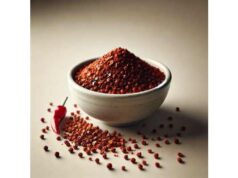
Black lime, also called loomi or Omani lime, is a small dried lime with a surprisingly rich story. Once fresh limes, these fruits are blanched and slowly dried until their skins turn tan to deep brown and their interiors become dark, light, and brittle. Cracked into stews, crushed over rice, or steeped into tea, they add a layered mix of sour, smoky, and gently bitter notes that fresh lime juice cannot fully mimic.
Nutritionally, black lime is naturally low in calories but carries concentrated organic acids, minerals, and plant compounds from the original fruit. It can help make plant-based meals more satisfying without adding sugar or large amounts of salt. At the same time, its acidity and citrus origin mean it is not ideal for everyone, especially people with citrus allergy, frequent reflux, or sensitive teeth.
This guide explains what black lime is, how it is made and used, its nutrition and possible health roles, and how to select, store, and use it safely.
Fast Facts for Black Lime
- Black lime (loomi) is a whole sun-dried lime used to add sour, smoky, and slightly bitter flavor to stews, rice, and drinks with very few calories.
- It retains some vitamin C, potassium, and citrus phytochemicals, but its greatest value is as a low-calorie flavoring that supports more vegetable- and legume-rich meals.
- A typical serving is 1–2 small dried limes (around 5–10 g total) for a pot of stew or rice, or 1 lime for 300–500 ml of tea, enjoyed a few times per week.
- People with citrus allergy, strong reflux, active peptic ulcers, or acid-sensitive tooth enamel should limit or avoid frequent use of black lime.
- Black limes must be kept dry and discarded if they develop mold, a musty smell, or soft spots to avoid spoilage.
Table of Contents
- Black Lime Basics and Culinary Roots
- Black Lime Nutrition and Key Compounds
- Health Benefits of Black Lime
- Risks, Allergies and Interactions
- Selecting Sustainable Black Lime and Storage
- Cooking with Black Lime and Nutrient Retention
- Portions, Comparisons and FAQs for Black Lime
Black Lime Basics and Culinary Roots
Black lime begins as a small, flavorful lime, often similar to key lime. Traditionally, the fruits are blanched in lightly salted water and then dried in the sun or warm air for days or weeks. During this time, they lose most of their moisture, the peel hardens, and the interior segments dry to a dark, fragile mass. The result is a very light, hollow-feeling fruit that rattles when shaken.
Under different names, black lime is woven through the cuisines of the Gulf region, Iran, Iraq, and neighboring countries. Loomi or noomi basra may be used interchangeably depending on local preference and origin. Historically, drying made it possible to preserve the bright acidity of fresh limes in hot climates long before refrigeration was available. Those preserved limes then traveled easily along trade routes and became a reliable, shelf-stable souring agent.
In the kitchen, black lime is valued as much for aroma as for taste. It delivers:
- Tangy, lingering sourness from concentrated organic acids.
- Subtle smokiness and fermented notes from slow drying.
- A gentle, balancing bitterness from peel and pith.
These qualities make black lime especially suited to long-simmered dishes. Common traditional uses include:
- Whole or pierced limes simmered with meat and vegetable stews, where they slowly release flavor into the broth.
- Cracked limes buried in rice dishes such as regional pilafs, infusing the grains with sour-savoury notes.
- Ground black lime added to spice blends and rubs for roasted meats, seafood, or roasted vegetables.
- Steeped slices or cracked limes used in herbal-style teas and warm drinks.
Compared with fresh lime or lemon juice, black lime offers a different balance. Fresh juice provides a sharp, high-acid “top note” that is ideal for finishing dishes or dressings. Black lime acts more like a deep background note, slowly lending a mellow sourness that ties other flavors together. In that sense, it behaves more like a spice than a simple fruit.
For modern cooks, black lime can be a bridge between traditional dishes and new applications. Home cooks increasingly apply it in roasted vegetable trays, bean stews, slow-cooked chicken, and even in spice rubs for plant-based proteins. Because it offers intense flavor without extra fat or sugar, it suits people who want their meals to be both vivid and relatively light.
Understanding these culinary roots clarifies why black lime deserves a place alongside more familiar souring agents in a contemporary pantry, and why even small amounts can transform a pot of food.
Black Lime Nutrition and Key Compounds
Black lime is nutritionally related to the fresh lime it once was, but drying changes both the concentration and stability of many nutrients. The best way to think about it is as a low-calorie, high-flavor seasoning that carries traces of vitamins, minerals, organic acids, and plant compounds.
In broad terms, dried lime is:
- Low in calories, since it is mostly water removed from a low-calorie fruit.
- Predominantly carbohydrate, with small amounts of natural sugar and structural fiber.
- Very low in fat and protein.
Because most recipes use only 5–10 grams of black lime for several portions, its caloric contribution per serving is usually negligible.
Micronutrients are more concentrated by weight, but still modest in typical culinary amounts. Fresh limes are known sources of vitamin C, potassium, and small amounts of several B vitamins. During drying, some vitamin C is lost due to exposure to heat and oxygen. However, part of it can remain, especially when the process is gentle and the final product is stored away from moisture and light. Minerals such as potassium and calcium are more stable and may be present in trace amounts in both peel and pulp.
Where black lime becomes more interesting is in its secondary plant compounds. Key groups include:
- Organic acids, mainly citric acid, responsible for the sharp sourness. In dried lime, these acids become more concentrated per gram because most water is gone.
- Flavonoids and other polyphenols, originally present in the fresh lime, particularly in the peel and membranes. These compounds have been studied for antioxidant and cellular protective effects in citrus fruits more generally.
- Limonoids, such as limonin, which contribute mild bitterness and have attracted research interest for possible metabolic and cellular actions.
- Essential oils, dominated by compounds like limonene and other terpenes. While some volatile components are lost during drying and cooking, enough remains to contribute fragrance and flavor.
Sodium content depends largely on processing. If limes are blanched in salted water, a small amount of salt may remain on or in the peel. In most cases, this is minor compared with the added salt in the recipe itself. Individuals on strict sodium restriction should still consider overall seasoning but usually do not need to avoid black lime solely on this basis.
One important point is portion size. In a dish that uses 8 grams of black lime split between four servings, each person consumes only a few grams at most. That amount might provide very small quantities of vitamin C, potassium, and phytochemicals—helpful as part of a varied diet but not enough to rely on as a primary nutrient source.
The practical nutritional value of black lime lies in what it allows you to do to recipes: build deep, satisfying flavor in legumes, grains, and vegetables without relying entirely on salt, sugar, or heavy fats. Used that way, it supports dietary patterns associated with better long-term health, even though its direct nutrient contribution is modest.
Health Benefits of Black Lime
Scientific research on black lime specifically is still limited, but there is considerably more evidence on the fresh lime and its main bioactive compounds. It is reasonable to treat dried lime as a more concentrated flavor source that carries a subset of the same components, modified by drying and cooking.
Citrus fruits in general are associated with several potential benefits:
- They provide vitamin C, which supports immune function, collagen formation, iron absorption, and antioxidant defenses.
- They contain flavonoids and limonoids with anti-inflammatory and antioxidant properties in laboratory and animal models.
- Habitual citrus intake has been linked in observational studies to lower risks of some cardiovascular and metabolic conditions, although such associations do not prove cause and effect.
When limes are dried, vitamin C levels decline, but organic acids, polyphenols, and limonoids may remain in meaningful amounts. In culinary use, black lime is often combined with legumes, whole grains, herbs, and vegetables, forming part of meals that are already supportive of heart and metabolic health.
A clinical trial has examined dried lime capsules for prevention of common colds among pilgrims. Participants took either dried lime or placebo for several weeks. The dried lime group experienced some reduction in the severity of cold symptoms at midpoint, but by the end of the trial, there was no clearly significant advantage in overall symptom control. This suggests that while dried lime may align with traditional practices for respiratory comfort, it should not be viewed as a stand-alone preventive or treatment.
Black lime may also influence digestion in ways many people find pleasant. The sourness and slight bitterness can stimulate saliva and digestive secretions, which may support the early stages of digestion. Warm drinks made with black lime are often used after meals to provide a sense of lightness and to cut through fatty or heavy components of food. These practices are mostly supported by experience rather than large clinical trials, so they should be considered comfort measures rather than guaranteed therapies.
One indirect benefit of black lime lies in its effect on recipe design. When cooks rely more on sourness, aromatics, and herbs, they may find themselves using less salt, sugar, or saturated fat to achieve satisfying flavors. For example, a stew rich in beans and vegetables flavored with black lime, garlic, and spices can be deeply savory without needing multiple spoonfuls of added fat. Over time, seasoning patterns like this can support healthier blood pressure and weight management.
What black lime does not do is almost as important as what it might. There is no solid evidence that it “detoxifies” the body, melts fat on its own, or replaces medical treatment for infections, ulcers, or chronic disease. Its role is best understood as supportive: a traditional ingredient that can make healthy foods more appealing, add variety to citrus intake, and contribute modest amounts of plant compounds within a balanced eating pattern.
Risks, Allergies and Interactions
Even though black lime is generally safe in culinary amounts, it is still a citrus product and a dried food, so several risks and special situations deserve careful attention.
The first group of concerns relates to acidity and the digestive tract. The citric acid that gives black lime its tang can:
- Worsen heartburn or reflux in people with gastroesophageal reflux disease, especially when consumed frequently or in strong infusions.
- Irritate the lining of the stomach in individuals with active peptic ulcers or gastritis.
- Cause discomfort if very sour dishes are eaten on an empty stomach.
For those with these conditions, black lime should be introduced slowly, in small amounts, or avoided if symptoms clearly worsen. Mild use in well-balanced meals may be tolerated better than frequent sour drinks between meals.
Tooth enamel is another important consideration. Acidic foods and drinks, including citrus-based infusions, can gradually erode enamel, particularly when sipped over long periods or consumed right before brushing. Black lime tea is typically less intense than undiluted lime juice, but regular, prolonged exposure can still contribute to enamel wear. Helpful strategies include rinsing the mouth with water afterward, limiting the duration of sipping, and waiting a while before brushing.
Allergic and sensitivity reactions represent a second group of risks. Citruses, including lime, can trigger:
- True food allergy with symptoms such as itching, hives, swelling of lips or tongue, or, rarely, more serious reactions.
- Contact dermatitis or phototoxic skin reactions when oils or juices contact the skin and then are exposed to sunlight.
Black lime contains less fresh oil on its surface than a freshly cut lime, but grinding or cracking it still releases aromatic compounds. People with known citrus allergy or histories of skin reactions to lime should be cautious and discuss any dietary use with a clinician.
A third concern is contamination and spoilage. Because black limes are dried and often stored for long periods, they are vulnerable to:
- Mold growth if they absorb moisture during storage.
- Quality loss and staleness if kept for years in warm, humid environments.
Visible mold, a dull or dusty coating, soft spots, or a musty smell are signs that black limes should be discarded. Using clean storage containers, keeping them dry and away from steam, and buying reasonable quantities reduce these risks.
Possible interactions with medications and health conditions tend to be indirect. For example:
- People taking medicines that already irritate the stomach, such as certain pain relievers, may experience more discomfort if they also consume very acidic foods or drinks.
- Individuals with advanced kidney disease following restrictive diets may need tailored guidance about total citrus intake, including black lime, to manage minerals and acid-base balance.
- Those with severe reflux or esophageal issues may be advised to limit high-acidity foods, and black lime can be part of that discussion.
Children and pregnant individuals have special needs. In pregnancy, modest amounts of citrus seasoning are usually acceptable unless they intensify heartburn or nausea, but any move toward herbal or fruit-based remedies should be discussed with prenatal care providers. Children’s teeth and digestion are more sensitive, so concentrated, sour drinks and heavily seasoned dishes may be better reserved for older ages or served in smaller amounts.
Overall, black lime is safe for most healthy adults in moderate, culinary use. Paying attention to acid-related symptoms, dental health, known allergies, and specific medical advice helps identify when caution is needed.
Selecting Sustainable Black Lime and Storage
Quality and safety begin with how black limes are chosen and stored. Good dried limes should be clean, well-dried, and strongly aromatic, with no signs of damage or contamination.
When buying whole black limes, consider:
- Weight and feel: They should feel very light for their size, a sign that most water is gone and the interior is dry.
- Skin appearance: The surface should be firm and hard, with a fairly uniform tan to dark brown or black color. Small marks can be normal, but extensive cracking, soft spots, or fuzzy patches are not.
- Sound: When you shake one near your ear, you should hear a faint rattle from the dried segments and seeds moving inside.
- Smell: A good black lime smells intensely sour, slightly smoky, and distinctly “lime-like.” A musty, dusty, or very faint aroma suggests age or poor storage.
If you are able to open one fruit before buying or when you first get it home, the interior should look dry and dark, with brittle segments. Sticky, pale, or unevenly colored pulp can indicate incomplete drying or moisture damage.
Black lime is sold in Middle Eastern and international grocery stores, spice shops, and online. When possible, look for:
- Sellers with good turnover, indicated by fresh-smelling spices and a busy clientele.
- Packaging that protects the limes from humidity, such as sealed bags or sturdy jars.
- Clear labeling so you know whether you are buying whole limes, broken pieces, or powder.
From a sustainability perspective, black lime has both strengths and challenges. On the positive side, it extends the life of limes and reduces waste, especially in regions where lime production is seasonal but intense. Sun-drying uses renewable energy and can be relatively low-impact. On the other hand, dried limes are often produced and handled by smallholder farmers and processors who may face economic and environmental pressures.
You can make more thoughtful choices by:
- Supporting producers or brands that share information about their sourcing and support for local growers.
- Buying amounts you will actually use within a year, minimizing spoilage.
- Considering occasional home-drying projects when limes are abundant locally, using safe, clean drying conditions.
Once in your kitchen, proper storage protects flavor, aroma, and safety:
- Keep whole limes in an airtight container in a cool, dry, dark cupboard, not above the stove or near a dishwasher vent.
- Avoid frequent opening of the container in humid environments, which can let moisture in and encourage mold.
- If you grind black lime into powder, make small batches and store them tightly sealed, as the larger surface area makes aromas dissipate faster.
- Label containers with dates and check periodically for any sign of mold or off odors.
Good selection and storage practices not only preserve quality but also respect the effort involved in growing, drying, and transporting the limes. In this way, black lime becomes not just a flavorful pantry ingredient but part of a more mindful approach to using spices and preserved foods.
Cooking with Black Lime and Nutrient Retention
Cooking with black lime is less about complicated techniques and more about understanding how this ingredient behaves in heat, liquid, and time. Its hard texture, deep flavor, and acidity call for slightly different handling than fresh citrus.
For whole fruits, a typical method works as follows:
- Rinse each lime quickly to remove any dust, then dry it.
- Pierce the skin several times with the tip of a sharp knife or skewer, or lightly crack the lime with a spoon to reveal some interior.
- Add the pierced or cracked limes to stews or soups early in the cooking process so they have time to soften and release flavor.
- Near the end of cooking, taste the dish and decide whether to remove the limes or leave them in for a stronger effect.
This approach allows sourness and aroma to seep gradually into the dish. You can press the softened limes gently against the side of the pot to extract more flavor, but be mindful that this also releases more bitterness from the peel and pith.
Ground or crushed black lime offers more precision. You can:
- Add a small spoonful of lightly crushed lime to rice, lentils, or beans early on, along with other spices.
- Reserve a pinch of finely ground powder to stir in just before serving, brightening the aroma and giving a gentle final lift.
- Mix black lime powder into spice rubs for roasted vegetables or grilled meats to provide an acidic note without additional liquid.
Black lime also works well in drinks. A simple infusion uses one cracked lime steeped in hot water for 10–15 minutes, sometimes with gentle sweetening or spices. This yields a caffeine-free, sour, aromatic drink. Because of acidity, it is best enjoyed occasionally rather than constantly sipped throughout the day, especially for those with sensitive teeth or reflux.
Regarding nutrients, most vitamin C is sensitive to long boiling and storage, while many organic acids and polyphenols are more stable. To balance flavor and nutrient retention:
- Use some black lime earlier in cooking for depth.
- Add a little freshly crushed powder at the end of cooking or at the table for more delicate aromatic components.
- Pair dishes with other fresh, nutrient-rich ingredients, such as herbs, vegetables, or a separate salad, to ensure overall vitamin intake.
Heat does not significantly reduce the acidity that defines black lime. Prolonged cooking does, however, mellow its harsh edges and integrates it more fully into the dish. Very short cooking or raw use in powder form is more intense and can be used sparingly to finish plates.
Two practical examples:
- A bean stew flavored with onion, garlic, cumin, and whole black limes simmered until tender, then finished with a pinch of ground black lime and fresh herbs.
- A tray of root vegetables tossed with oil, salt, ground coriander, and a small amount of black lime powder, then roasted until caramelized, with a second light dusting of powder just before serving.
Managing quantity is key. It is easier to add a little more than to correct a dish that has become too bitter or sour. Starting small, tasting, and adjusting over several cooking sessions will help you find a level that suits your palate.
Portions, Comparisons and FAQs for Black Lime
Because black lime is so flavorful, realistic portions are small. There are no formal intake guidelines, but practical culinary ranges and comparisons can guide safe, enjoyable use.
For most recipes:
- Stews and soups: 1–2 small whole limes for a pot serving four people is common. Larger or very dark limes may be more intense and can be used more sparingly.
- Rice dishes: about one small lime or roughly half to one teaspoon of finely ground black lime for 2–3 cups of raw rice is a typical starting point.
- Teas and infusions: one cracked lime for 300–500 milliliters of water, steeped and then removed.
Individuals may adjust these amounts based on personal taste and sensitivity. People new to black lime often prefer to start with the lower end of the range and increase only after they know how they respond.
In terms of frequency, dishes using black lime a few times per week are reasonable for most healthy adults with no citrus-related issues. In regions where loomi is a daily staple, people often consume it regularly without problems, but their habits develop gradually from childhood. If you are not used to sour, citrus-based seasonings, gradual introduction is more comfortable.
Comparing black lime to other souring agents helps clarify its role:
- Fresh lime juice gives a sharp, fresh acidity and higher vitamin C per tablespoon but lacks the slow, smoky complexity of dried lime. It shines in dressings, salsas, and finishing touches.
- Lemon juice and zest are somewhat similar but have a different aromatic profile and slightly different acid balance. They work well in many dishes but will not replicate the flavor of black lime in traditional Gulf or Iranian recipes.
- Vinegar provides clean acidity and long shelf life but no citrus aroma. It is better for pickling or certain salads.
- Sumac, tamarind, or pomegranate molasses deliver sourness with their own fruity or tannic notes. They can stand in for black lime’s acidity in some contexts but will change the cultural and sensory character of a dish.
Common questions include:
Is black lime good for weight loss?
Black lime itself does not cause weight loss. However, it is a very low-calorie ingredient that can make high-fiber, lower-calorie foods more flavorful. Using it to season legumes, vegetables, and whole grains may help such foods feel more satisfying, which can support weight-management efforts when combined with an overall balanced approach to eating and activity.
Can black lime protect against colds?
Traditional use associates black lime teas and soups with respiratory comfort, and one clinical trial of dried lime capsules during a crowded travel period showed only limited and inconsistent benefits. Warm, sour drinks may soothe the throat and encourage fluid intake, but they should not be relied on as a substitute for established preventive measures or for medical care when someone is unwell.
Is black lime safe for people with kidney stones?
Citrus fruits contain citric acid, which can sometimes support prevention of certain kidney stones, but overall fluid intake, mineral balance, and specific stone type are more important determinants. Anyone with a history of kidney stones should follow personalized advice from their healthcare team before making major changes in citrus intake, including dried forms like black lime.
Who should avoid or limit black lime?
People with known citrus allergy, frequent severe reflux, active peptic ulcers, significant enamel erosion, or advanced kidney disease under close dietary supervision should treat black lime carefully and discuss its use with a clinician. In these cases, occasional small tastes may or may not be appropriate, and professional guidance is essential.
For most others, black lime can be an enjoyable, distinctive ingredient that adds complexity and brightness to food. Used thoughtfully and in suitable portions, it helps make simple, plant-forward meals feel more special without adding much energy, sugar, or salt.
References
- Preventive Efficacy of Dried Lime (Citrus aurantifulia) in Common Cold Among Hajj Pilgrims: A Randomized, Double-Blinded, Placebo-Controlled Clinical Trial 2020 (RCT)
- A Spotlight on Lime: A Review About Adverse Reactions and Clinical Manifestations Due to Citrus aurantiifolia 2021 (Systematic Clinical Review)
- Anticancer Activity of Key Lime (Citrus aurantifolia) 2016 (Narrative Review)
- Extraction, Identification, and Antioxidant Property of Limonoids in Citrus Fruits 2018 (Experimental Study)
- Limes: Nutrition, Benefits, Uses, and Side Effects 2023 (Evidence-Based Summary)
Medical Disclaimer
The information in this article is intended for general educational purposes only and is not a substitute for professional medical advice, diagnosis, or treatment. Black lime and other citrus products can affect individuals differently, especially in the presence of digestive disorders, citrus allergy, kidney disease, pregnancy, or complex medication regimens. Always seek the guidance of a qualified healthcare professional with any questions you may have regarding your health, diet, or the use of specific foods and supplements. Never ignore professional medical advice or delay seeking it because of something you have read here.
If you found this article useful, you are kindly invited to share it with others on Facebook, X (formerly Twitter), or any platform you prefer. Thoughtful sharing helps more readers access balanced, evidence-informed nutrition content and supports the ongoing work required to create detailed, high-quality guides like this one.