Peppery, aromatic, and packed with volatile bite, black mustard seed (Brassica nigra) is the small spice that powers crackling oil tempering, robust pickles, and sharp condiments. Its signature heat isn’t present in the dry seed; it’s created when the seed is cracked and moistened, allowing the enzyme myrosinase to convert glucosinolates—chiefly sinigrin—into allyl isothiocyanate (the nose-tingling compound you also meet in horseradish). Culinary traditions use the whole seed for texture and aroma, the ground seed for pastes and rubs, and the expressed oil for bold dressings and short sizzles. Nutritionally, black mustard seed delivers plant protein, unsaturated fats, and notable minerals like magnesium and selenium, all in a form you use by the teaspoon. This guide goes deep but stays practical: you’ll learn how mustard’s chemistry translates to flavor and potential benefits, what a realistic serving provides, how to handle safety questions (from spice allergies to allyl isothiocyanate sensitivity), and the small, smart prep steps that unlock authentic taste without harshness.
Top Highlights
- Typical serving: 1–2 teaspoons whole seeds (3–6 g) or ½–1 teaspoon ground (2–4 g), used in cooking several times per week.
- Key benefits: pungent isothiocyanates from sinigrin plus minerals and vitamin E–rich oil support flavor-first, plant-forward eating.
- Safety note: heat and vinegar curb harshness; very large raw amounts can irritate the GI tract; whole seeds can pose a choking risk for small children.
- Limit or avoid: people with mustard allergy, severe reflux, active gastritis, or sensitivity to hot spices should use sparingly or substitute.
Table of Contents
- Black mustard: detailed overview
- Black mustard nutrition profile
- Evidence-based health benefits
- Risks, allergies and interactions
- Selecting quality, sustainability and storage
- Preparation, cooking and nutrient retention
- Portions, comparisons and FAQs
Black mustard: detailed overview
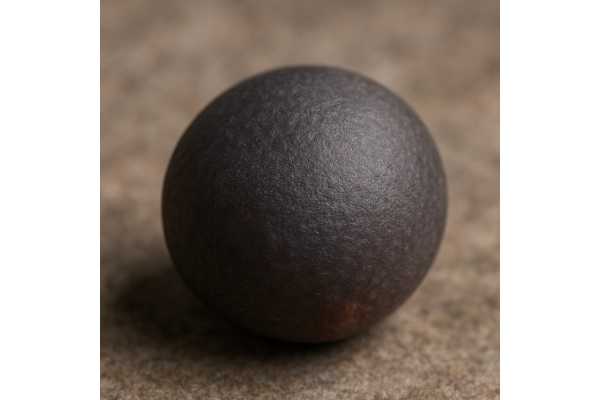
Black mustard seed comes from an annual Brassica with tall, airy stems and yellow flowers. The seeds are small, nearly spherical, and dark brown to black. On the plate, their magic is chemistry: intact dry seeds are mild. The moment moisture (or saliva) and mechanical action crack the seed, myrosinase acts on sinigrin, producing allyl isothiocyanate (AITC), the sharp, wasabi-like vapor that clears the sinuses and lifts flavors. Heat deactivates myrosinase; fat captures aroma and carries it through a dish.
Cooks use black mustard across forms:
- Whole seeds for tempering (tadka): sizzling in hot oil until they pop releases nutty aromas and readies them for dals, stir-fries, and vegetable sautés.
- Cracked or coarsely ground seeds for pickles and rubs, where vinegar modulates pungency and preserves brightness.
- Fine powder or mustard pastes for marinades, dressings, and quick sauces; hydration time (30–90 seconds) matters for peak heat.
- Mustard oil (where permitted for culinary use) for finishing drizzles, chutneys, and bold vinaigrettes; it’s richly aromatic but should be used thoughtfully (see safety notes).
Flavor pairing is straightforward: black mustard loves onions, garlic, curry leaves, cumin, fenugreek, turmeric, and chile; outside South Asian kitchens, it plays well with cabbage-family vegetables (its botanical cousins), oily fish, potatoes, mushrooms, and bitter greens. Because it’s a spice, portions are small; think of black mustard seed as a flavor-and-function ingredient—a way to build complexity while adding a little protein, unsaturated fats, and minerals.
The seed’s structure matters in cooking and digestion. The fat- and protein-rich cotyledon sits inside a robust husk. Toasting makes the seed aromatic and crisp; grinding or soaking exposes the interior, activating enzymes and releasing pungent volatiles. Gentle acids (vinegar, lemon) temper the heat and keep sauces zingy rather than harsh. Small amounts go a long way—learning the right moment to add mustard (before, during, or after cooking) is the difference between layered flavor and simple fire.
Black mustard nutrition profile
How to read this section: Values below describe dry seed per 100 g for apples-to-apples comparison with other foods. Real-life servings are teaspoons, not handfuls. Composition varies by species/variety and growing region; figures represent typical ranges for culinary mustard seed. % Daily Value (%DV) uses adult reference DVs.
Macros and electrolytes (per 100 g)
| Nutrient | Amount | % Daily Value |
|---|---|---|
| Energy | ~500–520 kcal | — |
| Protein | ~25–27 g | 50–54% |
| Total fat | ~35–38 g | 45–49% |
| Saturated fat | ~2–4 g | 10–20% |
| Carbohydrate | ~28–30 g | 10–11% |
| Dietary fiber | ~10–12 g | 36–43% |
| Total sugars | ~5–7 g | — |
| Sodium | ~10–20 mg | 0–1% |
| Potassium | ~800–900 mg | 17–19% |
| Water | ~5–6 g | — |
Fats and fatty acids (profile typical of mustard seed oil)
| Component | Amount (per 100 g seed) | Notes |
|---|---|---|
| Monounsaturated fat (MUFA) | ~20–22 g | Primarily oleic; minor long-chain MUFA (e.g., gondoic) |
| Polyunsaturated fat (PUFA) | ~9–11 g | Predominantly linoleic (omega-6); small ALA present |
| Saturated fat | ~2–4 g | Mainly palmitic and stearic acids |
| Vitamin E (tocopherols) | ~4–6 mg | Antioxidant fraction in the oil |
Carbohydrates
| Component | Amount | Notes |
|---|---|---|
| Starch | majority of carbohydrate | Contributes to thickening in wet pastes |
| Sugars | ~5–7 g | Small natural sugars |
| Dietary fiber | ~10–12 g | Mostly insoluble; hull contributes grit if unground |
Protein and amino acids
| Item | Amount | Notes |
|---|---|---|
| Protein | ~25–27 g | Balanced with sulfur-containing amino acids; complements grains and legumes |
Vitamins (mustard seed is not a major vitamin source, but contributes)
| Vitamin | Amount (per 100 g) | %DV |
|---|---|---|
| Folate (DFE) | ~150–200 µg | 38–50% |
| Vitamin E (α-tocopherol equivalents) | ~4–6 mg | 27–40% |
| Thiamin (B1) | ~0.8–1.0 mg | 67–83% |
| Niacin (B3) | ~4–5 mg | 25–31% |
Minerals
| Mineral | Amount (per 100 g) | %DV |
|---|---|---|
| Magnesium | ~300–350 mg | 71–83% |
| Calcium | ~250–270 mg | 19–21% |
| Iron | ~9–10 mg | 50–56% |
| Zinc | ~6–7 mg | 55–64% |
| Selenium | ~70–90 µg | 127–164% |
Bioactives and phytonutrients
| Compound/class | Source | Functional note |
|---|---|---|
| Sinigrin (glucosinolate) | seed | Hydrolyzed by myrosinase to allyl isothiocyanate (AITC) |
| Myrosinase enzyme | seed | Requires moisture and mild temperatures; inactivated by high heat |
| Phenolics, phytosterols | seed oil fraction | Minor contributors to antioxidant capacity and cholesterol-lowering patterns |
Allergens and intolerance markers
| Item | Note |
|---|---|
| Mustard proteins | Common food allergen in parts of Europe and Canada; cross-reactivity with other Brassicaceae possible in sensitized individuals |
Glycemic and acid–base metrics
- Glycemic impact: negligible at culinary quantities; mustard is a spice, not a carbohydrate staple.
- Acid–base: neutral contribution; vinegar in condiments affects perceived acidity, not systemic acid load.
Footnote on products: Prepared mustards and pickles vary widely; sodium and sugar come from the recipe, not the seed. Check labels if you track these.
Evidence-based health benefits
1) Flavor-first path to healthier patterns
Spices are small but mighty tools for shifting eating habits. Black mustard seed amplifies satisfaction and complexity without adding much sodium or sugar. In practice, cooks use mustard to make legumes, whole grains, and cruciferous vegetables more craveable—an underappreciated, real-world lever for a higher-quality diet.
2) Glucosinolate–isothiocyanate chemistry
When you crack and moisten mustard seed, myrosinase converts sinigrin into allyl isothiocyanate (AITC) and related hydrolysis products. These pungent molecules contribute to mustard’s characteristic nasal heat and have been widely studied across Brassica foods for antimicrobial actions and other bioactivities. Culinary techniques that preserve some enzyme activity (crushing, brief hydration, modest heat) maximize that “fresh horseradish” note; vinegar stabilizes flavor by moderating harshness.
3) Antimicrobial and food safety support (culinary context)
AITC and other isothiocyanates show broad-spectrum antimicrobial activity in lab systems and food models, which is one reason mustard and horseradish appear in preservation-forward condiments. In the kitchen, this translates to practical benefits: adding cracked mustard to quick pickles or relishes not only boosts flavor but also supports the overall hurdle approach to microbial control (with salt, acid, and chill). These are supportive effects, not a replacement for proper food safety steps.
4) Nutrient contribution in teaspoons
Per realistic servings, mustard seed provides small but meaningful amounts of magnesium, selenium, and vitamin E—nutrients many diets underdeliver. Used regularly across the week, those teaspoons add up alongside nuts, seeds, and legumes.
5) Digestive and sensory effects
The same vapors that clear your sinuses can stimulate salivation and the cephalic phase of digestion, helping high-fiber foods feel more satisfying. For some people, this heat also encourages mindful, slower eating. For others (especially with reflux), the pungency can irritate—match form and dose to your tolerance.
What to expect in real life
Mustard seed won’t act like a supplement or drug; benefits are culinary and cumulative. Use it to season fiber-rich meals, build interest around vegetables and pulses, and rotate with other Brassica flavors (radish, horseradish, wasabi greens) for variety.
Risks, allergies and interactions
Mustard allergy
Mustard is a regulated allergen in several regions. Reactions can range from oral itching to anaphylaxis. If you’re sensitized to mustard or related Brassicaceae pollens, avoid black mustard seed unless cleared by an allergy specialist. Be aware that prepared condiments, spice blends, and pickles may contain mustard flour or extract even when whole seeds are not obvious.
Gastrointestinal irritation
Large amounts of raw, freshly hydrated mustard can feel very hot and may irritate the mouth, throat, or stomach—especially in people with reflux, gastritis, or oral sensitivity. Techniques that lower harshness include tempering seeds in oil (popping), mixing with vinegar or yogurt, or adding near the end of cooking rather than at the start.
Allyl isothiocyanate (AITC) exposure
AITC creates mustard’s sharpness. Culinary use is generally safe, but concentrated forms can irritate mucous membranes. Prepared mustards and pickles moderate exposure through acid and dilution. People who are particularly sensitive to wasabi/horseradish-like pungency should start with tiny amounts and choose tempered applications (see preparation section).
Medication and condition notes
There are no widely recognized drug–mustard interactions at culinary doses. If you’re advised to follow a very low-fat, low-spice, or low-acid diet for medical reasons, use alternatives (e.g., gentle herbs, sweet spices) and consult your clinician or dietitian for tailored swaps.
Mustard oil and regional regulations
In some regions, mustard oil labeled “for external use” is not approved as an edible oil, largely due to erucic acid limits and labeling rules. Where culinary mustard oil is permitted and labeled for food, use it modestly for flavor; store sealed and away from light to preserve quality. When mustard aroma is desired without regulatory uncertainty, temper whole seeds in a neutral oil instead.
Children and choking risk
Whole seeds can be a choking hazard for young children. For family meals, grind or cook seeds thoroughly, and avoid offering whole seeds to toddlers.
Selecting quality, sustainability and storage
How to choose good black mustard seed
- Color and uniformity: look for even, deep brown-to-black seeds with minimal pale or broken pieces.
- Aroma: fresh seeds smell faintly nutty; sharpness emerges only after cracking and moistening. Musty or “paint-like” notes indicate oxidation—avoid.
- Label clarity: prefer single-ingredient labels (e.g., “black mustard seed, Brassica nigra”); avoid stale mixes.
- Sourcing: reputable spice merchants turn inventory quickly and often list harvest year or region; this matters for volatile quality.
Sustainability snapshot
Mustard is typically a cool-season crop with modest water needs compared with many tree nuts and tropical spices. The sustainability footprint for home cooks is driven more by transport and packaging than by farming inputs because you use grams at a time. Favor bulk bins with airtight turnover or small jars you can finish within a year. Reuse glass where possible.
Storage and shelf-life
- Whole seed: airtight and dark, cool pantry; best within 12 months of purchase for peak popping and aroma.
- Ground seed/flour: more surface area means faster oxidation; keep tightly sealed and aim to use within 3–4 months.
- Mustard oil (culinary): store away from light and heat; use within 2–3 months of opening.
- Freshness test: a pinch of cracked seed mixed with a drop of water should bloom to a sharp aroma within 30–60 seconds. If not, the seed is tired.
Buying tips
Whole seeds keep better than pre-ground. If you frequently make pickles or tempering oils, buy whole seed and grind in small batches. For prepared mustards, scan labels for sodium and sugar if you track those metrics; styles vary dramatically (hot, Dijon, whole-grain, sweet).
Preparation, cooking and nutrient retention
Three levers control mustard’s personality: grind, moisture, and heat.
Tempering (tadka) for nutty aroma, low harshness
- Warm 1–2 tablespoons oil in a small pan over medium-high heat.
- Add ½–1 teaspoon whole black mustard seeds.
- When seeds pop and dance, immediately add aromatics (onion, garlic, curry leaves) and pour over your dish.
Outcome: Popping drives off some harsh volatiles and yields a toasty, rounded flavor that anchors dals, roasted veggies, and lentil soups.
Quick pickle base (bright heat, moderated by acid)
- Lightly crush 1–2 teaspoons seeds with a mortar.
- Stir into hot brine (vinegar, water, salt, sugar to taste).
- Add sliced vegetables; chill.
Outcome: Vinegar stabilizes pungency, giving crisp, fragrant heat without throat-burn.
Mustard paste (maximum bite, time-limited peak)
- Combine freshly ground mustard with cool water (not hot) to form a paste.
- Wait 30–90 seconds for enzymatic conversion.
- Fold into yogurt, mayo, or vinaigrette; add acid and salt to set flavor.
Outcome: You’ll get head-clearing heat that settles once acid is incorporated. If you wait too long before adding acid, aroma can volatilize and dull.
Dry rubs and crusts (savory backbone)
- Mix ground black mustard with coriander, black pepper, garlic, and a little brown sugar for fish or tofu. Rest 10–15 minutes before cooking to allow hydration.
- For roasted vegetables, toss florets with oil, cracked mustard, cumin, and salt; roast hot for 18–22 minutes, finishing with lemon.
Retention tips
- For pungency: crack/grind just before use and hydrate briefly; add acid to fix flavor.
- For nuttiness: temper whole seeds in hot oil early in cooking.
- To avoid bitterness: don’t burn the seeds; if they smell acrid or the kitchen fills with harsh fumes, start over.
- To extract nutrients without excess heat: use seeds in quick-cook applications or as a finishing crackle to limit oxidation of delicate oil fractions.
Smart substitutions
- If black mustard is too hot, blend with yellow/brown mustard seed or use whole-grain prepared mustard for gentler edges.
- If mustard is off-limits (allergy), consider celery seed or toasted cumin for savory depth (different flavor, similar role in layering).
Portions, comparisons and FAQs
Realistic portions
- Everyday cooking: ½–1 teaspoon whole seeds per person in tempering, or ¼–½ teaspoon ground in sauces.
- Weekly rhythm: using mustard 3–5 times per week in small amounts fits most healthy patterns.
- Pairing for balance: combine with legumes, whole grains, and vegetables; add a creamy element (yogurt, tahini) if heat runs high.
Black vs brown vs yellow mustard
- Black (Brassica nigra): smallest seed, biggest hit of pungency; common in tempering and pickles.
- Brown/leaf mustard (Brassica juncea): widely used for Dijon; strong but slightly less volatile than black.
- Yellow/white (Sinapis alba): mildest; higher in sinalbin, which produces gentler p-hydroxybenzyl isothiocyanate.
Heat also depends on freshness, grind, temperature, and acidity.
Whole seed or ground?
- Whole: better shelf-life; ideal for popping/tempering and crunchy pickles.
- Ground: fast, intense; best for wet pastes and rubs; store tightly sealed and use quickly.
Is mustard “good for you”?
Used as a spice, mustard helps people enjoy fiber-rich, minimally processed foods. It also contributes small amounts of magnesium, selenium, and vitamin E. That said, it’s not a cure-all; benefits come from the overall diet. If reflux or oral sensitivity is an issue, use tempered forms or alternatives.
Can I make mustard oil at home?
Cold-pressing at home is impractical and raises safety and storage issues. For culinary aroma without regulatory complexity, temper whole seeds in neutral oil and use immediately. If you purchase culinary mustard oil where permitted, buy small bottles, store cool and dark, and use modestly for finishing.
Troubleshooting flavor
- Too harsh: add vinegar or lemon, a pinch of sugar, and a creamy element; next time, shorten hydration or temper first.
- Too dull: grind fresh, hydrate briefly in cool water, then add acid; stale seed won’t bloom—replace it.
- Bitter: seeds were scorched; toast gently or lower heat.
References
- Brassica Genus Seeds: A Review on Phytochemical Screening and Pharmacological Properties 2022 (Systematic Review)
- Glucosinolates, a natural chemical arsenal: More to tell than the myrosinase story 2023 (Review)
- Chemodiversity of the Glucosinolate-Myrosinase System at the Single Cell Type Resolution 2019 (Review)
- Scientific Opinion on the safety of allyl isothiocyanate for the proposed uses as a food additive 2010 (Safety Opinion)
- Nutrition Facts for Ground Mustard Seed 2024 (USDA-derived database)
Medical Disclaimer
This article offers general information about black mustard seed for culinary use. It is not a substitute for personalized medical advice, diagnosis, or treatment. If you have a mustard allergy, chronic reflux, inflammatory bowel disease, pregnancy-related dietary restrictions, or take medications that make your mouth or stomach sensitive, discuss mustard use with your healthcare professional. For any signs of an allergic reaction—hives, swelling, breathing difficulty—seek urgent medical care.
If this guide helped, please consider sharing it on Facebook, X (formerly Twitter), or anywhere you connect with others. Your support helps us keep producing careful, evidence-informed food and nutrition resources.