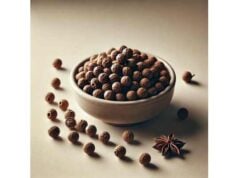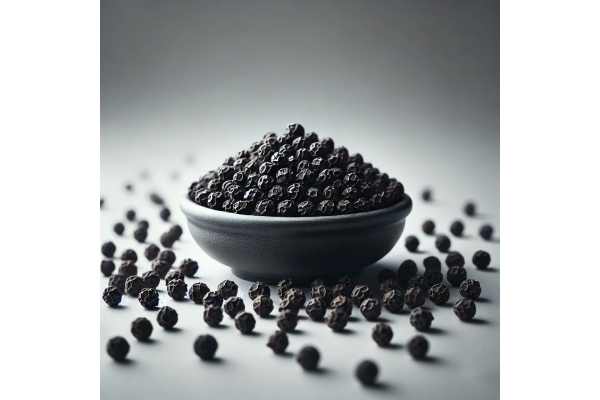
Black pepper is so familiar that it is easy to overlook just how complex and influential it is. These small, wrinkled peppercorns come from the dried berries of Piper nigrum, a climbing vine originally cultivated in South Asia and now grown across tropical regions. Ground at the table or used whole in cooking, black pepper adds sharp, warming pungency and aroma that lifts almost any savory dish.
Beyond flavor, black pepper contributes small amounts of vitamins, minerals, and a unique alkaloid called piperine. Piperine is responsible for much of pepper’s spicy bite and is increasingly studied for its effects on digestion, metabolism, and the way the body handles certain nutrients and medicines. At the same time, pepper is a respiratory and gastric irritant for some people and can interact with medications when taken in concentrated form.
This guide explores what black pepper is, how it is produced, what it offers nutritionally, how it may influence health, and how to use it safely and confidently in everyday cooking.
Essential Insights for Black Pepper
- Black pepper is a dried berry rich in aroma and piperine, used in pinches to add pungency, warmth, and complexity to savory and some sweet dishes.
- It provides fiber, manganese, and various phytonutrients; piperine may influence metabolism, inflammation, and nutrient absorption, especially at supplemental doses.
- A typical culinary portion is around 0.5–1 g ground black pepper per meal (about ¼–½ teaspoon), leaving most adults comfortable using it daily if tolerated.
- People with reflux, active ulcers, pepper allergy, or chronic respiratory issues may need to limit pepper, particularly in large amounts or as airborne dust.
- Very high intakes of isolated piperine or pepper extracts can interact with medicines by altering drug-metabolizing enzymes and should be used only with professional guidance.
Table of Contents
- Black Pepper Origins and Culinary Role
- Black Pepper Nutrition and Components
- Health Benefits of Black Pepper
- Risks, Allergies and Interactions
- Choosing Quality Pepper and Storage
- Cooking with Pepper and Nutrient Retention
- Portions, Comparisons and Common Questions
Black Pepper Origins and Culinary Role
Black pepper comes from the fruit of the Piper nigrum vine, a perennial climber that thrives in warm, humid climates. The plant produces clusters of small green berries along thin spikes. To make black pepper, farmers harvest these berries when they are still green but fully developed, then blanch and dry them in the sun or warm air. As they dry, the outer skin wrinkles and darkens, and the interior hardens, creating the familiar black peppercorn.
Historically, black pepper has been one of the most traded and prized spices. For centuries it was used as currency, a status symbol on European tables, and a driver of trade routes that reshaped global history. Today it is a common, inexpensive staple in most households, but it remains central to many regional cuisines and professional kitchens.
Culinary uses of black pepper are broad:
- As a table seasoning, often paired with salt, freshly ground over finished dishes to provide a burst of aroma and heat.
- In whole form, added to stocks, pickles, and braises, where peppercorns slowly infuse the cooking liquid.
- Crushed or coarsely ground for rubs on meats, poultry, and tofu, where texture and pungency stand out.
- Finely ground into spice blends such as garam masala, curry powders, and many regional seasoning mixes.
Different forms of the same fruit create related but distinct spices. Black pepper is dried while the fruit is still green. White pepper is produced by soaking fully ripe berries to remove the dark outer skin, then drying the pale inner seed; it has a more muted aroma but a lingering heat and is favored in light-colored sauces and soups. Green pepper is preserved unripe pepper, either freeze-dried or pickled, with a fresher, herbal character.
Black pepper’s sensory impact comes from a combination of sharp pungency, warm spice, and complex aroma. The pungency is primarily due to piperine, an alkaloid concentrated in the outer layers of the seed. The aroma arises from essential oils rich in terpenes and related compounds, which are released when peppercorns are cracked or ground.
In modern cooking, black pepper plays three main roles:
- Highlighting existing flavors by adding a prickling warmth that makes savory notes seem more vivid.
- Balancing richness in dishes containing fat or umami ingredients, such as cream sauces, cheese, meat, and mushrooms.
- Providing structure in spice blends, where it links aromatic and earthy notes into a coherent whole.
Because pepper is so versatile, it is easy to overuse it or rely on it as a default. Thoughtful use—choosing when pepper should be prominent and when it should be supporting—helps avoid monotony and makes room for other spices and herbs. Understanding its origins, forms, and sensory roles lays the groundwork for using it more intentionally and for appreciating its nutritional and physiological aspects.
Black Pepper Nutrition and Components
On a nutrient label, black pepper looks more substantial than its tiny serving size suggests. Per 100 g, ground black pepper provides roughly 250 kcal, around 10 g of protein, 3–4 g of fat, and 60–65 g of carbohydrate, much of which is fiber and complex plant material. Of course, no one eats pepper in 100 g portions. A typical 1 teaspoon serving of ground pepper weighs about 2–3 g, providing only a handful of calories but still carrying a meaningful amount of micronutrients and bioactive compounds.
Mineral content is where pepper stands out more clearly. It is relatively rich in manganese and contains notable amounts of iron, potassium, and magnesium on a per-weight basis. In practical terms, each pinch contributes only tiny fractions of daily requirements, but frequent small uses across meals add up to a modest background contribution.
Black pepper also contains small quantities of vitamins, including some B vitamins and vitamin K. The amounts per culinary serving are not large enough to consider pepper a primary vitamin source, yet they add a subtle layer of micronutrient diversity when pepper is used regularly in a varied diet.
More attention has been paid to pepper’s phytochemicals:
- Piperine, the principal pungent alkaloid, is the most studied. It is present at several percent of pepper’s weight and is responsible for the characteristic burn at the back of the tongue. Piperine influences digestive secretions, thermoregulation, and, importantly, certain enzymes and transporters involved in drug and nutrient metabolism.
- Essential oils, which include compounds such as sabinene, limonene, beta-caryophyllene, and others, give black pepper its aroma. These oils act as volatile flavor molecules and have been studied for antimicrobial, antioxidant, and other biological activities in experimental settings.
- Other polyphenols and plant compounds add to pepper’s antioxidant capacity and may contribute to subtle physiological effects when pepper is consumed regularly.
Fiber content is also worth noting. Ground pepper contains a significant proportion of insoluble fiber. Because pepper is used in small amounts, its direct effect on bowel habits is usually minimal, but it still functions as a plant-based, fiber-containing ingredient rather than a purely chemical seasoning.
Processing and storage influence the nutritional and phytochemical profile. Light, heat, and air slowly degrade essential oils and some sensitive components. Pre-ground pepper gradually loses aroma over months, while whole peppercorns retain their quality much longer if stored properly. Piperine is relatively stable, so even older pepper retains pungency but may have a flatter aroma compared to freshly ground pepper.
One more nuance relates to bioavailability. Piperine itself can alter how the body absorbs and processes various compounds. This means that the impact of pepper goes beyond its own content; it can slightly change the apparent potency of other nutrients or phytochemicals consumed at the same time, particularly when piperine is present in higher doses.
Overall, black pepper in normal culinary use is best described as a flavoring with modest nutritional value and a concentration of interesting plant chemicals rather than as a primary source of energy or essential nutrients.
Health Benefits of Black Pepper
Many discussions of black pepper’s health effects focus on piperine, its primary pungent component. Research spans cell cultures, animal experiments, and human studies, ranging from basic metabolism to potential roles in chronic disease management. It is important to distinguish between outcomes seen with high-dose piperine supplements and what is likely from everyday dietary pepper.
One frequently discussed effect is on nutrient and phytochemical absorption. Piperine can inhibit certain enzymes and transport proteins in the gut and liver, which may slow the breakdown or efflux of various compounds. This is the basis for the widely cited synergy between black pepper and turmeric: when small amounts of piperine are combined with curcumin, the main active compound in turmeric, blood levels of curcumin can rise significantly compared with curcumin alone. Similar effects have been explored with other plant compounds and some drugs.
Black pepper may also help digestion in more traditional ways. Studies have shown that piperine can stimulate the secretion of digestive enzymes and gastric acid, potentially improving breakdown and absorption of nutrients. Many people notice that peppery foods feel warming and seem to “wake up” appetite and digestion. For individuals with healthy stomachs, modest use of pepper with meals can be a pleasant way to encourage digestive function.
There is growing interest in piperine’s metabolic effects. Experimental work suggests that piperine may influence fat metabolism, cholesterol handling, and insulin sensitivity. Early clinical studies using piperine supplements in adults with metabolic disturbances, such as non-alcoholic fatty liver disease, have reported improvements in markers like blood lipids, liver enzymes, or insulin resistance at daily doses of a few milligrams. While promising, these findings are not yet a basis for using pepper or piperine as a stand-alone treatment; they do, however, support the idea that piperine is biologically active at relatively low doses.
Black pepper’s antioxidant and anti-inflammatory properties are another area of exploration. Both peppercorns and isolated piperine show the ability to reduce oxidative stress and modulate inflammatory signaling in laboratory models. These effects align with broader observations that diets including a variety of herbs and spices tend to have higher antioxidant capacity and may be associated with lower risk of chronic disease, though the specific contribution of black pepper is difficult to isolate.
The nervous system is a newer frontier. Piperine has been investigated for its influence on neurotransmitter levels, mood-related pathways, and neurodegenerative processes in preclinical studies. While some data suggest potential benefits for brain health and mood regulation, human trials are still limited, and it is too early to draw firm conclusions.
Taken together, the evidence suggests that black pepper, through piperine and other constituents, may:
- Support digestive enzyme activity and gastric function.
- Modestly influence metabolic health markers when piperine is consumed regularly.
- Enhance the bioavailability of certain nutrients and phytochemicals in food or supplements.
- Contribute to overall dietary antioxidant and anti-inflammatory capacity.
However, most of the stronger effects come from controlled doses of piperine in supplement form. Seasoning food with black pepper is a reasonable way to tap into some of these mechanisms, but it should be understood as supportive rather than therapeutic. People already taking specialized supplements that include piperine should be particularly attentive to the safety considerations discussed in the next section.
Risks, Allergies and Interactions
Black pepper is generally safe for healthy adults when used in typical culinary amounts, but it does carry several risks that become more relevant in sensitive individuals or at higher doses, especially when piperine is concentrated.
The most immediate concern is irritation. Pepper can:
- Trigger or worsen heartburn and reflux in people with gastroesophageal reflux disease, particularly when used liberally or in very spicy, fatty foods.
- Irritate the stomach lining and cause discomfort in individuals with gastritis or peptic ulcers.
- Provoke intestinal discomfort or loose stools in some people when consumed in large quantities.
For those with known digestive issues, it is wise to monitor symptoms when eating pepper-rich meals and to reduce intake if a clear link emerges. Using pepper more sparingly or adding it toward the end of cooking, rather than in heavy amounts in fried foods, may also reduce irritation.
Black pepper dust is a respiratory irritant. Grinding pepper or handling large quantities can release fine particles that lead to sneezing, coughing, or a burning sensation in the nose and throat. People with asthma, chronic bronchitis, or other airway sensitivities should avoid inhaling pepper dust and may benefit from using enclosed grinders or stepping away during heavy grinding in commercial kitchens.
Allergy and contact sensitivity are less common but documented. Some individuals develop:
- Contact dermatitis from handling peppercorns or pepper dust.
- Oral itching, swelling, or more systemic reactions after ingesting pepper, especially in combination with other spices.
Anyone who has experienced hives, swelling of the lips or face, difficulty breathing, or other signs of a serious reaction after consuming foods that may have contained pepper should seek evaluation from an allergy specialist and follow their guidance regarding pepper exposure.
Perhaps the most important modern safety topic involves interactions with medicines and supplements. Piperine has been shown to inhibit certain cytochrome P450 enzymes and P-glycoprotein transporters, both of which are involved in drug metabolism and clearance. As a result, piperine can increase blood levels of some medications by slowing their breakdown or reducing their removal from cells. This effect is more pronounced with piperine extracts than with the small amounts in normal seasoning, but it becomes relevant when:
- People take piperine-containing supplements marketed to boost nutrient absorption or metabolism.
- Pepper is consumed in unusually large amounts alongside medicines that have a narrow therapeutic window, such as some anti-seizure drugs, anticoagulants, or certain heart medicines.
Risk assessments have suggested that low daily doses of isolated piperine are unlikely to cause harm in most adults, yet higher supplemental intakes may reduce safety margins, especially for people on multiple medications. In these cases, medical supervision is recommended before adding piperine supplements.
Pregnant and breastfeeding individuals, children, and people with serious liver or kidney disease deserve special caution. While normal culinary use of pepper in meals is generally considered acceptable for most, concentrated piperine supplements or extreme pepper challenges are not advisable without medical oversight.
In short, for most people, a moderate sprinkle of pepper on meals is safe and enjoyable. Problems are more likely when pepper or piperine is used far beyond traditional culinary levels, or when underlying conditions and medications narrow the body’s safety buffer. Awareness of these issues allows for informed, personalized decisions.
Choosing Quality Pepper and Storage
The quality of black pepper on your table depends on where and how it was grown, how it was processed, and how long it has been stored. Paying attention to these factors improves flavor, consistency, and safety.
Whole peppercorns generally offer better and more stable quality than pre-ground pepper. When choosing whole pepper:
- Look for peppercorns that are uniformly dark, firm, and heavy for their size, not shriveled or dusty.
- Avoid packages with visible mold, insect fragments, or excessive broken pieces.
- Check aroma by crushing a few peppercorns between your fingers if possible; they should smell vivid, warm, and complex, not stale or faint.
Origin can influence both flavor profile and sustainability. Major pepper-producing countries include India, Vietnam, Indonesia, Brazil, and others. Some regions are known for particular styles, such as bold, robust pepper from the Malabar coast or more floral notes from certain Southeast Asian growing areas. Specialty spice merchants sometimes indicate region and harvest year, similar to coffee or tea.
When buying ground pepper, aim for smaller packages that you can use within a few months. Ground pepper loses volatile aroma faster than whole pepper, especially when exposed to air and light. Clear containers on supermarket shelves are convenient but can accelerate quality loss. If you rely on pre-ground pepper, storing it in a cool, dark cupboard and keeping the lid tightly closed between uses helps extend its useful life.
Sustainability and ethics are increasingly important in spice sourcing. Pepper is typically grown by smallholder farmers in tropical regions, where price volatility and environmental pressures can be significant. To make more thoughtful choices, you can:
- Look for certifications related to fair trade or sustainable agriculture when available, while recognizing that these labels are not perfect.
- Support reputable spice merchants who share information about their supply chains and relationships with growers.
- Buy pepper in forms that you will use completely, avoiding excessive stocking that leads to waste.
Proper storage is straightforward but essential:
- Keep whole and ground pepper in airtight containers to protect against moisture and the absorption of odors from other foods.
- Store containers in a cool, dry, dark place away from direct sunlight, stovetop heat, and steam.
- Avoid storing pepper in the refrigerator, where condensation can occur when containers are repeatedly opened and closed.
- For pepper mills, refill with small amounts and clean periodically so old, oxidized oils do not dull the flavor of fresh pepper.
Food safety concerns for pepper focus on cleanliness and potential contamination. Reputable producers clean and grade peppercorns before packing, but home cooks should still keep pepper away from damp surfaces and discard any product that develops a musty smell, visible mold, or signs of infestation. Because pepper is often added at the table to ready-to-eat foods, using clean hands, utensils, and mills reduces the chance of cross-contamination.
Thoughtful selection and storage not only enhance the sensory impact of black pepper but also respect the effort and resources behind each peppercorn. Even this everyday spice benefits from the same attention we give to coffee beans, tea leaves, and other high-impact ingredients.
Cooking with Pepper and Nutrient Retention
Cooking with black pepper is more nuanced than simply shaking a mill over finished food. The timing, form, and quantity of pepper you use all influence flavor, perceived heat, and the stability of its aromatic compounds.
Piperine, the main pungent component, is relatively stable to cooking temperatures. This means that pepper’s basic heat survives boiling, baking, and sautéing. In contrast, the essential oils responsible for the characteristic aroma are more volatile and can evaporate or break down with prolonged heat. As a result:
- Adding some pepper early in cooking builds a deep, integrated warmth.
- Adding fresh-ground pepper toward the end or at the table preserves bright top notes and aroma.
A layered approach often works best. You might grind a small amount into a marinade or base, then finish the dish with a lighter sprinkle just before serving.
Form matters as well:
- Whole peppercorns are ideal for stocks, pickles, and braises where you want gentle, background heat and the option to strain them out later.
- Cracked peppercorns offer more direct impact in rubs, crusts, and rustic sauces where texture is welcome.
- Fine ground pepper distributes evenly in dressings, sauces, eggs, and creamy dishes, giving a smooth, uniform pungency.
To get the most from pepper in everyday cooking, consider these practical ideas:
- Warm whole peppercorns briefly in a dry pan before crushing to intensify aroma, taking care not to scorch them.
- Combine black pepper with complementary spices such as coriander, cumin, or fennel to create blends that are more complex than pepper alone.
- Use pepper thoughtfully in sweet or fruit-based recipes—such as macerated berries, poached pears, or dark chocolate desserts—where a small amount can add unexpected depth.
From a nutrient-retention perspective, the most notable issue is aroma rather than vitamins or minerals. Pepper is not a key vitamin source, so loss of heat-sensitive vitamins during cooking is less of a concern than preserving its essential oils. Grinding fresh pepper close to serving time is the simplest way to maximize aromatic impact.
At the same time, it is possible to overcook pepper. Extended frying of ground pepper in very hot oil can lead to harsh, acrid flavors. If a recipe calls for blooming spices in oil, add ground pepper later in the sequence or use whole peppercorns at the beginning and ground pepper at the end.
Infusions are another option. Steeping gently crushed peppercorns in warm oil, vinegar, broths, or plant milks can extract flavor without visible specks of pepper in the final dish. These infusions should be stored safely and used within reasonable time frames, especially if other ingredients like garlic are included.
Balancing pleasure and comfort is important. Very peppery dishes can be exhilarating to some and overwhelming to others. Starting with moderate amounts and adjusting over several cooking attempts makes it easier to find a range that suits your own palate and digestive comfort.
Portions, Comparisons and Common Questions
Because pepper is so widely available, it is natural to wonder how much is “normal” or safe. While there are no official dietary reference intakes for black pepper, practical ranges can be drawn from cooking traditions and research on piperine.
For most adults, a typical portion of ground black pepper in a single meal is around 0.5–1 g, equivalent to roughly ¼–½ teaspoon. In dishes where pepper is a main feature, such as pepper steak or heavily seasoned soups, portions may be somewhat higher. Spread across a day, it is common for people who enjoy peppery food to consume several grams without difficulty, especially if intake has built up gradually over years.
In clinical research, daily piperine doses of a few milligrams are often used to study metabolic or bioavailability effects, usually in supplement capsules or standardized extracts. Since black pepper contains piperine at a few percent of its weight, several grams of pepper could provide a similar order of magnitude. However, the context is different: pepper comes with fiber, oils, and other compounds, and it is spread across meals rather than delivered at once.
Comparisons with other spices help put pepper’s pungency and potential effects into perspective:
- Compared with chili peppers, black pepper’s heat is milder and more focused on the back of the tongue and throat, without the same burning intensity on lips and mouth.
- White pepper has similar piperine content but a different flavor profile because it lacks the outer dark skin; it is perceived by some as sharper or more animal-like in aroma.
- Pink peppercorns from other plant species are visually similar but botanically different and may cause reactions in people sensitive to tree nuts.
Frequently asked questions include:
Is black pepper good for weight loss?
Black pepper alone will not cause weight loss, but it can support a pattern of eating that favors whole, minimally processed foods. By making vegetables, legumes, and lean proteins more flavorful, pepper can help these foods feel satisfying with less reliance on heavy sauces. Piperine may slightly influence energy metabolism in some people, but its contribution is small compared with overall diet and activity.
Does black pepper improve digestion?
In small to moderate amounts, black pepper can stimulate digestive secretions and may help some individuals feel that food is more comfortably digested, especially when part of a balanced meal. However, in others—particularly people with reflux, ulcers, or irritable bowel conditions—pepper may aggravate symptoms. Personal tolerance is crucial.
Is fresh-ground pepper healthier than pre-ground?
From a health perspective, the main difference is in aroma and flavor intensity, not core safety. Fresh grinding preserves more of the volatile oils and gives a stronger sensory impact, which might let you use slightly less. Pre-ground pepper is convenient and still contains piperine and minerals, but it tends to be less fragrant, especially after long storage.
Can you eat black pepper every day?
Most healthy adults can enjoy black pepper daily in normal culinary amounts without problems. People with pepper sensitivity, active digestive disease, chronic respiratory conditions, or those taking multiple medications—especially if also using piperine-containing supplements—should be more cautious and may benefit from personalized advice.
Who should limit or avoid black pepper?
Individuals with known pepper or spice allergies, frequent severe heartburn, peptic ulcers, significant inflammatory bowel disease, or complex medication regimens that rely on stable blood levels of certain drugs should discuss pepper use with their healthcare provider. In these groups, limiting heavy pepper use and avoiding piperine supplements is often prudent.
Understanding realistic portions and how pepper compares with other spices makes it easier to enjoy its benefits while minimizing the chance of unwanted effects.
References
- USDA FoodData Central: Spices, Pepper, Black 2024 (Food Composition Database)
- Safety Aspects of the Use of Isolated Piperine Ingested as a Single Ingredient 2021 (Safety Review)
- Piperine, a Major Principle of Black Pepper: A Review of Its Biological Activities 2019 (Narrative Review)
- The Impact of Piperine on Metabolic Conditions in Adults with Non-Alcoholic Fatty Liver Disease 2024 (Randomized Trial)
- Molecular and Pharmacological Aspects of Piperine as a Potential Therapeutic Agent 2022 (Comprehensive Review)
Medical Disclaimer
The information in this article is intended for general educational purposes only and is not a substitute for personalized medical advice, diagnosis, or treatment. Black pepper and piperine can affect individuals differently, particularly in the presence of digestive disorders, allergies, liver or kidney disease, pregnancy, or complex medication regimens. Always consult a qualified healthcare professional before making significant changes to your diet, using piperine-containing supplements, or relying on any food or spice for the prevention or management of medical conditions. If you experience troubling symptoms after consuming black pepper, seek timely medical evaluation.
If you found this article helpful, you are warmly invited to share it with others on Facebook, X (formerly Twitter), or any platform you prefer. Thoughtful sharing helps more readers access balanced, evidence-informed nutrition content and supports the ongoing work required to create detailed, high-quality guides like this one.