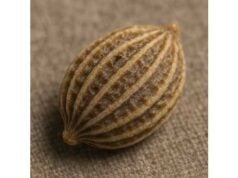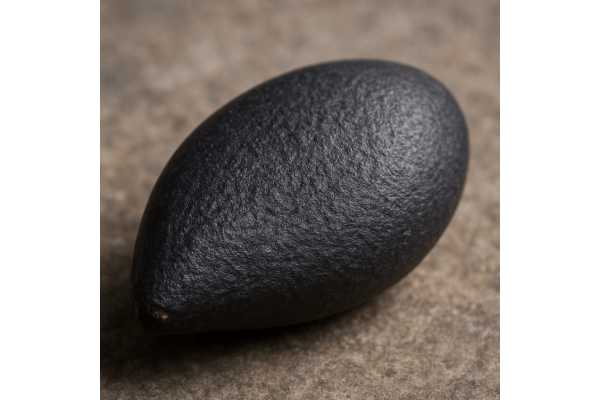
Glossy and aromatic, black sesame seeds deliver far more than crunch. Their jet-dark hulls hold concentrated minerals and polyphenols, while the kernel provides flavorful oil rich in unsaturated fats and unique lignans (sesamin, sesamolin, and sesamol). In the kitchen, they swing from savory to sweet: nutty toppings for noodles and rice, deep color for breads and crackers, and a natural base for velvety pastes, brittles, and ice creams. Used by the teaspoon rather than the cup, black sesame works as a “small but mighty” ingredient—elevating everyday dishes and adding nutrients in tiny packages. This guide shows you what matters most: realistic nutrition (per 100 g and per serving), how the seed’s bioactives connect to health, practical safety for people with allergies or reflux, how to shop and store for maximum freshness, and precise toasting and blending methods that unlock balanced flavor without bitterness. Whether you sprinkle, bake, pound into paste, or blitz into tahini, you’ll find clear, evidence-aware ways to get the most from this classic seed.
Quick Overview
- Typical serving: 1–2 tablespoons (9–18 g) toasted seeds or 1 tablespoon (15 g) black tahini; enjoy several times per week.
- Key benefits: unsaturated fats and sesame lignans support heart-smart eating; hull minerals (especially calcium, iron) help diversify plant-based diets.
- Safety note: sesame is a major food allergen; introduce cautiously if you have any seed or nut allergies and avoid if sensitized.
- Best for: topping grain bowls, noodles, and salads; blending into tahini, desserts, and sauces when you want deep color and robust nuttiness.
Table of Contents
- Black sesame: detailed overview
- Black sesame nutrition profile
- Evidence-based health benefits
- Risks, allergies and interactions
- Selecting quality, sustainability and storage
- Preparation, cooking and nutrient retention
- Portions, comparisons and FAQs
Black sesame: detailed overview
Black sesame seeds come from the same species as white sesame (Sesamum indicum), but they keep their dark outer hull. That husk changes three things: appearance (jet black to charcoal), flavor (deeper, slightly more bitter and cocoa-like), and nutrition (more minerals and pigment antioxidants). Open a fresh bag and you’ll smell toasted nuttiness even before heat hits the pan. Once warmed, the aroma blooms—complex, savory, and faintly sweet.
Culinary roles are broad. A light shower over rice or soba adds texture and perfume; grinding with sugar makes a sandy paste for fillings; blitzing with oil yields black tahini with a striking slate hue. In savory cooking, black sesame partners with soy sauce, vinegar, scallions, ginger, citrus zest, and chili crisp. In baking, it loves vanilla, honey, cocoa, and dairy or coconut. Because sesame’s fat is mostly unsaturated, it carries flavor well and creates a plush mouthfeel in ice creams, custards, and buttercreams without heavy cream.
Nutritionally, the seed is calorie-dense yet concentrated: per tablespoon, it supplies a modest bump of protein, fiber, and minerals along with flavorful oil. The hull contains much of the calcium and iron; the kernel concentrates oil and lignans. Those lignans are unusual: sesamin and sesamolin are fat-soluble phenolics that contribute to sesame’s stability and characteristic aroma after toasting. Compared with white sesame, the black variety’s hull brings extra polyphenols (including anthocyanin pigments responsible for the color) and a touch more astringency, which you can tame by proper toasting or by blending with sweet or creamy elements.
In everyday eating, think of black sesame as an enhancer: use small amounts in many places. A teaspoon on lunch, a tablespoon in a sauce, a thin ribbon of tahini in a dressing—these micro-additions build habit-level benefits without overloading calories. And because the flavor is distinct, you need less sugar or salt to make dishes feel satisfying.
Black sesame nutrition profile
How to read this section: Values below refer to whole seeds per 100 g to allow clear comparison with other foods. Actual servings are much smaller (9–18 g). Composition varies by variety and growing region; ranges reflect typical culinary seeds. % Daily Value (%DV) uses adult DVs for a 2,000-kcal diet.
Macros and electrolytes (per 100 g, whole seeds)
| Nutrient | Amount | % Daily Value (%DV) |
|---|---|---|
| Energy | ~570–580 kcal | — |
| Protein | ~17–19 g | 34–38% |
| Total fat | ~49–50 g | 63–65% |
| Saturated fat | ~7.0 g | 35% |
| Monounsaturated fat | ~18–19 g | — |
| Polyunsaturated fat | ~21–22 g | — |
| Carbohydrate | ~23–25 g | 8–9% |
| Dietary fiber | ~11–12 g | 39–43% |
| Total sugars | ~0–2 g | — |
| Sodium | ~10–15 mg | 0–1% |
| Potassium | ~450–500 mg | 10–11% |
| Water | ~4–6 g | — |
Fats and fatty acids (typical pattern)
| Component | Amount (per 100 g) | Notes |
|---|---|---|
| Linoleic acid (omega-6) | ~19–20 g | Dominant PUFA; flavor and crispness in baking |
| Alpha-linolenic acid (omega-3) | ~0.3–0.4 g | Minor |
| Oleic acid (omega-9) | ~18–19 g | Contributes to body and stability |
| Saturates (palmitic/stearic) | ~7 g | Keep roasting gentle to avoid off notes |
| Vitamin E (tocopherols) | ~1–2 mg | Mainly γ-tocopherol in oil fraction |
Carbohydrates
| Component | Amount | Notes |
|---|---|---|
| Starch | ~7–9 g | Thickens when seeds are ground into pastes |
| Fiber | ~11–12 g | Mix of insoluble and soluble fractions |
| Sugars | ~0–2 g | Very low naturally |
Protein and amino acids
| Item | Amount | Notes |
|---|---|---|
| Protein | ~17–19 g | Complements legumes and grains; not a complete protein alone |
Vitamins (seeds are modest vitamin sources)
| Vitamin | Amount (per 100 g) | %DV |
|---|---|---|
| Thiamin (B1) | ~0.8 mg | 67% |
| Niacin (B3) | ~4.5 mg | 28% |
| Vitamin B6 | ~0.8 mg | 47% |
| Folate (DFE) | ~90–100 µg | 23–25% |
| Vitamin E (α-TE) | ~1–2 mg | 7–13% |
Minerals (black/unhulled seeds are notable)
| Mineral | Amount (per 100 g) | %DV |
|---|---|---|
| Calcium | ~900–1,000 mg | 69–77% |
| Iron | ~13–15 mg | 72–83% |
| Magnesium | ~330–360 mg | 79–86% |
| Phosphorus | ~600–650 mg | 48–52% |
| Zinc | ~7–8 mg | 64–73% |
| Copper | ~3.5–4.5 mg | 389–500% |
| Manganese | ~2.0–2.6 mg | 87–113% |
| Selenium | ~30–35 µg | 55–64% |
Bioactives and phytonutrients
| Compound/class | Typical presence | Functional note |
|---|---|---|
| Sesamin, sesamolin, sesamol (lignans) | ~0.5–1.5% of seed | Antioxidant activity; help oil resist rancidity |
| Anthocyanins (in hull) | variable | Color and additional antioxidant capacity |
| Phytosterols (β-sitosterol, campesterol, stigmasterol) | ~400–600 mg/100 g | Minor contribution to cholesterol-lowering diets |
Allergens and intolerance markers
| Item | Note |
|---|---|
| Sesame proteins | Sesame is a major regulated allergen in several countries; reactions can be severe. |
Glycemic and acid–base metrics
- Glycemic impact: negligible at culinary portions; most calories come from fat, with fiber blunting post-meal spikes when paired with carbs.
- Acid–base: near neutral; pairing with vegetables and legumes supports a balanced meal pattern.
Footnote: Prepared foods (black-sesame beverages, candies, or buns) vary widely; sugar and sodium come from the recipe, not the seed. Check labels when relevant.
Evidence-based health benefits
1) Flavor that nudges better choices
Spices and seeds shape how satisfying plant-based meals feel. Black sesame’s roasted depth makes vegetables, tofu, whole grains, and salads more craveable, which is a practical route to better diet quality. A teaspoon on soba or a spoonful of tahini in dressing can reduce the need for heavy cream or added sugar while increasing enjoyment and consistency.
2) Unsaturated fat pattern that fits heart-smart eating
Black sesame oil is rich in linoleic (omega-6) and oleic (omega-9) acids, a profile similar to other cardio-friendly seed oils. Replacing part of the saturated fat in cooking with sesame-based dressings, tahini sauces, or toasted seed toppings supports lipid-aware patterns. Because the oil is carried within the whole seed, you also get fiber and minerals—not just fat.
3) Lignans with antioxidant and stability roles
Sesame is unique for sesamin, sesamolin, and sesamol—lignans concentrated in the oil fraction. These compounds help the oil resist oxidation during gentle cooking and storage and contribute to sesame’s characteristic aroma after toasting. In human nutrition research, sesame products and isolated sesamin have been investigated for effects on blood lipids and inflammatory markers. Findings vary by dose and product, but they consistently point to small, favorable shifts when sesame replaces more saturated or ultra-processed choices as part of a broader healthy diet.
4) Mineral diversification for plant-forward eaters
Unhulled black sesame packs notable calcium, iron, magnesium, zinc, manganese, and copper. While the calcium’s bioavailability is lower than dairy’s due to phytates and the hull matrix, practical kitchen moves—light toasting, grinding to pastes, and pairing with vitamin-C-rich foods—make a difference. A tablespoon on a citrus-dressed kale salad is a classic win: acid brightens flavor and supports iron absorption.
5) Satiety and texture without heaviness
Seeds add chew and richness with little volume. In bowls and noodles, a small measure of black sesame boosts mouthfeel and slows eating pace—a subtle, helpful effect for appetite control. In desserts, black sesame paste provides intensity so you can use less sugar without the dish feeling austere.
Realistic expectations
Think “tiny daily habit” rather than “supplement.” Benefits are cumulative when black sesame replaces less healthy fats or when its flavor helps you eat more whole plants. Overdoing portions adds calories quickly—so keep servings modest and frequent rather than large and rare.
Risks, allergies and interactions
Sesame allergy
Sesame is a recognized major allergen. Reactions range from oral itching to anaphylaxis. If you have any history of seed or nut allergy—or birch/pollen-related oral-allergy syndrome—discuss sesame with an allergist. Avoid foods labeled with sesame or tahini unless you are certain they are safe for you. Restaurants commonly use sesame oil and seeds in dressings, toppings, and breads; ask clearly if you are allergic.
Digestive tolerance
A sudden increase in seeds may cause bloating in sensitive people. Start with 1 teaspoon per meal and build gradually over a week or two. For reflux or gastritis, very rich pastes may aggravate symptoms; choose toasted sprinkles over thick spoonfuls of tahini, and pair with non-acidic foods if acid triggers you.
Oxalates, phytates, and mineral absorption
Like many seeds, sesame contains oxalates and phytates that bind minerals. This doesn’t make sesame “bad,” but it reminds us to use kitchen strategies: toast lightly, grind, and serve with vitamin-C-rich items to improve iron uptake. People on medically prescribed low-oxalate diets should speak with their clinician about appropriate portions.
Choking and dental considerations
Whole seeds can catch in dental work or pose a minor choking risk for young children. For toddlers and older adults with swallowing difficulties, use ground seeds or smooth tahini rather than whole seeds.
Contaminants and quality
As an agricultural commodity, sesame can be contaminated if cleaning and storage are poor. Buy from reputable brands, store seeds in airtight containers away from heat and light, and discard any with musty or rancid odors. If you see product recalls in your region, follow the guidance for returns or disposal.
Pregnancy and breastfeeding
Culinary use of sesame seeds and tahini is generally appropriate for most people without allergy. If you have gestational diabetes, reflux, or gallbladder disease, tailor portions and forms (sprinkle vs. paste) with your care team’s input.
Selecting quality, sustainability and storage
How to choose excellent black sesame
- Look and feel: seeds should be uniformly dark, matte-to-glossy, and free of dust, stones, or pale fragments. Pinch a few: they should feel dry, not tacky.
- Aroma test: fresh seeds smell gently nutty; any paint-like or fishy scent indicates oxidation—skip that bag.
- Label clues: choose single-ingredient products that specify “black sesame seeds” and, when possible, country of origin and crop year. For black tahini, look for “100% black sesame, stone-ground” to avoid fillers.
- Turnover matters: buy from shops or brands with high turnover so seeds haven’t lingered on warm shelves.
Sustainability snapshot
Sesame is a drought-tolerant crop with modest inputs compared with many tree nuts. The home-cook footprint is driven more by transport and packaging than by farming because typical portions are small. Favor:
- Modest pack sizes you can finish within a few months.
- Reusable or recyclable containers.
- Bulk bins with high turnover and good hygiene if you’ll use seeds quickly.
Storage for peak flavor
- Whole seeds: airtight and opaque; cool pantry is fine for 3–4 months; refrigerate or freeze for longer (up to 1 year).
- Ground seeds / black tahini: refrigerate; use within 4–8 weeks once opened. Stir to re-emulsify.
- Toasted seeds: store airtight after cooling; they stale faster than raw—aim to toast weekly rather than in huge batches.
- Freshness check: rub a few seeds between your fingers; they should smell roasty and clean, never stale or sharp.
Budget and value
Even high-quality black sesame is economical per serving because you use teaspoons. Buying whole seeds and toasting/grinding at home maximizes freshness and value; reserve ready-made black tahini for convenience or pastry work.
Preparation, cooking and nutrient retention
The three levers: roast time, grind size, and pairing.
Light toast for peak aroma
- Place seeds in a dry, heavy skillet over medium heat.
- Stir or shake frequently for 3–5 minutes until a few pop and the aroma turns nutty (not smoky).
- Immediately transfer to a cool plate to stop carryover cooking.
Result: round, roasty flavor with minimal bitterness; oils are warmed but not scorched.
Black sesame paste (neri goma / black tahini)
- Stone-ground texture (traditional): soak seeds briefly in warm water, drain well, toast lightly, then grind in a mortar or stone mill, adding a neutral oil only if needed for flow.
- Food-processor shortcut: pulse toasted seeds with a pinch of salt; run continuously, scraping down sides, until the natural oils release and the paste turns glossy. For a pourable sauce, whisk with warm water, lemon, soy sauce, or honey to taste.
- Flavor math: sesame’s bitterness softens with sweetness, dairy or coconut, and acid. For desserts, pair with vanilla or citrus; for savory, pair with soy, vinegar, garlic, and scallion.
Dressings and sauces (balanced richness)
- Quick sesame-citrus: whisk black tahini with rice vinegar, soy sauce, orange or yuzu juice, grated ginger, and water until spoonable. Toss with shredded cabbage or kale for a salad that’s both crunchy and mineral-rich.
- Cold noodle sauce: blend black sesame paste, peanut butter or tahini, soy sauce, black vinegar, chili oil, and warm water; toss with chilled noodles and cucumbers.
Baking and confectionery
- Cookies and shortbread: replace 20–30% of fat with black sesame paste; add 1–2 tablespoons ground seeds for speckles and snap.
- Cakes and quick breads: fold ¼–⅓ cup black sesame paste into a standard loaf; balance with buttermilk or yogurt for tenderness.
- Brittle and praline: stir toasted seeds into hot caramel; finish with flaky salt and a whisper of citrus zest to lift the richness.
- Ice cream or panna cotta: steep ground black sesame in warm milk/cream (or coconut milk), strain, and churn or set. A little cocoa heightens color and rounds flavor.
Retention and bioavailability tips
- Toast, don’t char. Overheating destroys delicate volatiles and creates bitter, ashy notes. Keep heat moderate and time short.
- Grind for minerals. Calcium and iron concentrate in the hull; grinding to a paste improves access and mouthfeel.
- Add vitamin C. Citrus, kiwi, strawberries, or a splash of vinegar improves non-heme iron absorption in the same meal.
- Stir last. Use black sesame garnish at the end for aroma and to protect fragile compounds; add pastes off heat to keep sauces glossy.
Smart substitutions and pairings
- If black sesame reads too intense, blend with white sesame or neutral tahini (50/50).
- For nut-free schools, black sesame can replace chopped nuts in toppings (only if sesame allergy is not a concern).
- To echo flavor without color, use white sesame for part of the recipe and finish with a stripe of black tahini on top.
Portions, comparisons and FAQs
Real-world portions
- Everyday sprinkle: 1 tablespoon (9 g) toasted seeds = ~52 kcal, ~4.5 g fat, ~1.6 g protein, ~1.1 g fiber, plus minerals.
- Sauce or dressing: 1 tablespoon (15 g) black tahini = ~90–100 kcal depending on oil content; balance with acid and water for a lighter coating.
- Frequency: Several times per week fits most patterns; daily is fine for many people if total calories and fats are balanced across the day.
Black vs. white sesame
- Flavor: black is roasty and slightly more bitter; white is lighter and sweeter.
- Nutrition: black (unhulled) usually carries more calcium and iron from the hull; white (often hulled) is gentler in taste but loses some minerals.
- Best uses: black for dramatic visuals and deep flavors (noodles, desserts, crusts); white for breads, buns, and delicate dressings.
Sesame vs. chia, flax, and pumpkin seeds
- Chia: higher omega-3 (ALA) but milder taste; gels with liquid—use when you want volume.
- Flax: superb ALA, best ground for absorption; more assertively nutty.
- Pumpkin seeds: more protein per tablespoon and a green, savory note; great for pestos.
- Black sesame: strongest roasted flavor, minerals in the hull, versatile in sweet and savory without gelling.
Frequently asked questions
Does black sesame reverse gray hair?
There’s no reliable human evidence for pigment reversal. Enjoy black sesame for taste and nutrition—not as a hair treatment.
Is black sesame oil the same as toasted sesame oil?
Toasted sesame oil is usually pressed from roasted seeds (most often white). Oils labeled “black sesame” may be pressed from black seeds; flavor can be deeper, but quality depends on roasting and press method. Use toasted oils for finishing, not high-heat frying.
How do I avoid bitterness?
Keep toasting gentle (medium heat, 3–5 minutes), cool immediately, and balance with acid or sweetness. Grinding into paste also mellows sharp edges.
Can I sprout black sesame for better absorption?
Sesame can be soaked and lightly sprouted, but the small size and high oil content make consistent sprouting tricky. For most home cooks, light toasting + grinding is the simplest path to better texture and mineral access.
What about phytosterols?
Black sesame, like other seeds, contributes phytosterols that modestly support cholesterol-lowering diets when used to replace foods higher in saturated fat.
References
- Sesame (Sesamum indicum L.): A Comprehensive Review of Nutritional Value, Phytochemical Composition, Health Benefits, Food Applications and Processing 2022 (Systematic Review)
- Lignans of Sesame (Sesamum indicum L.) 2021 (Review)
- Effects of Sesame (Sesamum indicum L.) and Bioactive Lignans on Atherosclerosis and Related Risk Factors: A Review 2023 (Review)
- Nutrition Facts for Seeds, sesame seeds, whole, dried 2024 (USDA-derived database)
- Variability of Fatty Acid Composition and Lignan Content in Sesame (Sesamum indicum L.) Seeds 2023 (Research Article)
Medical Disclaimer
This article offers general information about black sesame seeds for culinary use. It is not a substitute for professional medical advice, diagnosis, or treatment. If you have a sesame allergy, reflux, kidney stone risk, or diet-related medical condition, consult a qualified healthcare professional for personalized guidance. Seek urgent care for symptoms of an allergic reaction such as hives, swelling, or trouble breathing.
If this guide was helpful, please consider sharing it on Facebook, X (formerly Twitter), or any platform you prefer. Your support helps us continue creating careful, evidence-informed food resources.