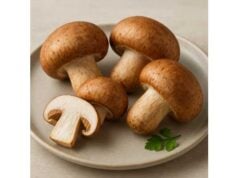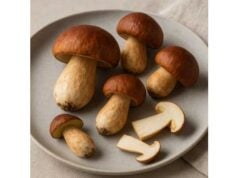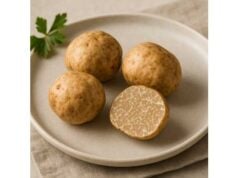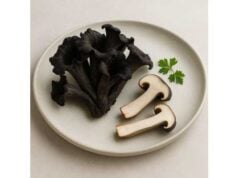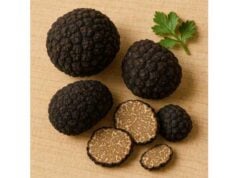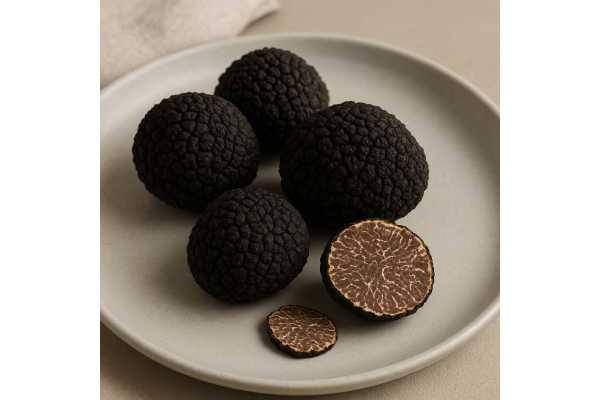
Black truffle (most famously Tuber melanosporum, plus the summer/Autumn black Tuber aestivum/uncinatum) is one of the world’s most evocative ingredients. Its scent—earthy, cocoa-like, with hints of hazelnut and forest floor—turns basic dishes into something memorable with only a few shavings. In the kitchen, black truffle is more heat-tolerant than Alba white truffle, so it can be gently warmed in sauces, folded into butter, or infused into eggs and broths without losing all of its perfume. Nutritionally, fresh truffles are mostly water and provide modest protein, negligible fat, and trace carbohydrates; their interest lies in fungal fibers (including β-glucans), sterols like ergosterol, and a chorus of aromatic compounds. Beyond appetite appeal, well-managed truffle orchards can support biodiversity and long-lived trees, offering a low-input, perennial model of agriculture. This guide distills what you need to know—nutrition, evidence-based benefits, risks, smart buying and storage, cooking strategies, and practical portioning—so you can enjoy black truffle to its fullest while staying safe and spending wisely.
Top Highlights
- Typical serving is 5–10 g shaved per person, 1–2 times weekly during season.
- Adds intense flavor with ~30–60 kcal per 100 g; actual intake per serving is only a few calories.
- Those with mold or mushroom allergies should avoid or discuss a supervised trial with a clinician.
- Choose firm, fragrant truffles with marbled flesh; store cold and dry, use within 3–5 days.
- Preserved truffles may be high in sodium; fresh truffles are essentially sodium-free.
Table of Contents
- Black truffle explained
- Black truffle nutrition
- Science-backed benefits
- Safety, allergies and interactions
- Selecting, sustainability and storage
- Cooking and nutrient retention
- Portions, comparisons and FAQs
Black truffle explained
Black truffle is a subterranean fruiting body of ectomycorrhizal fungi that live in symbiosis with trees such as oak, hazel, and pine. The fungus wraps tree roots with a sheath of filaments, trading minerals and water for sugars the tree produces through photosynthesis. This tight partnership is the biological root of truffle terroir: soil, climate, tree species, and the microbial community shape both yield and aroma.
Two “black truffles” dominate markets. The winter Périgord black (Tuber melanosporum) is prized for deep, chocolatey, roasted-nut notes and a firm, marbled interior; it commands premium prices from December to March in the Northern Hemisphere. The summer/Autumn black (Tuber aestivum/uncinatum) has a lighter, hazelnut-like aroma with broader availability and gentler pricing from late spring through autumn. Both tolerate gentle cooking better than the ultra-delicate Alba white truffle, making them versatile in sauces, poultry, and egg dishes.
In the kitchen, black truffle is usually shaved thin over hot food or briefly warmed in fat (butter, cream, olive oil) to diffuse its scent. Because typical portions are only a few grams, truffle adds impact without pushing calories or sodium skyward. That same intensity also lets you build meals around simple staples—eggs, potatoes, beans, pasta—keeping the rest of the ingredient list controlled.
Flavor aside, black truffles contain compounds that make food scientists perk up: volatile sulfur molecules (responsible for the signature perfume), small peptides that can enhance umami perception, sterols like ergosterol (a vitamin D₂ precursor), and structural polysaccharides including β-glucans. These do not turn truffles into “superfoods,” but they help explain why a few slivers feel so satisfying.
Economically and ecologically, truffle orchards (tartufaie) are unusual among luxury crops. Once established with inoculated seedlings, they can produce for decades under low-input management, encourage permanent ground cover, and—when foraged responsibly—coexist with wildlife. Buyers should still favor traceable, habitat-friendly sources and ethical harvesting practices (trained dogs instead of destructive raking) to keep the mystique sustainable.
Black truffle nutrition
Fresh black truffles are mostly water; their macronutrient contribution is modest, and real-world servings are small. Preserved truffles (in brine) add sodium from the liquid. The tables below show representative values per 100 g to standardize comparisons. Your typical 10 g shaving is one-tenth of those amounts.
Macros and Electrolytes (per 100 g, fresh black truffle)
| Nutrient | Amount per 100 g | % Daily Value |
|---|---|---|
| Energy | 30–60 kcal | — |
| Protein | 5–8 g | 10–16% |
| Total Fat | 0.5–1.0 g | 1% |
| Saturated Fat | 0.1–0.3 g | 1% |
| Carbohydrate | 3–9 g | 1–3% |
| Total Sugars | 0.5–2.0 g | — |
| Dietary Fiber | 1–3 g | 4–11% |
| Sodium | ~10 mg | 0% |
| Potassium | 200–400 mg (est.) | 4–9% |
| Water | ~80–90 g | — |
Macros and Sodium (per 100 g, preserved truffles in brine)
| Nutrient | Amount per 100 g | % Daily Value |
|---|---|---|
| Energy | ~50–70 kcal | — |
| Protein | 5–7 g | 10–14% |
| Total Fat | 0.5–1.0 g | 1% |
| Carbohydrate | 0–3 g | 0–1% |
| Dietary Fiber | 0.5–1.5 g | 2–5% |
| Sodium | 400–1000 mg | 17–43% |
Fats and Fatty Acids (per 100 g, fresh)
| Component | Amount | Note |
|---|---|---|
| Total Fat | ~0.5–1.0 g | Very low overall. |
| Monounsaturated Fat (oleic acid) | 0.1–0.4 g | Common in truffle lipids. |
| Polyunsaturated Fat (linoleic acid) | 0.1–0.4 g | Aroma precursors. |
| Saturated Fat | 0.1–0.3 g | Minor fraction. |
Protein and Amino Acids
| Measure | Amount | Comment |
|---|---|---|
| Protein | 5–8 g/100 g | Sulfur amino acids contribute to aroma chemistry. |
| Notable amino acids | — | Cysteine, methionine detected in species analyses. |
Vitamins and Minerals (selected)
Concrete micronutrient databases for black truffle are limited; values vary by species, maturity, and terroir. The table reflects typical presence rather than reliable fixed amounts.
| Nutrient | Presence | Note |
|---|---|---|
| Vitamin D (as D₂ after UV exposure) | Potential via ergosterol | Only increases with UV exposure or processing. |
| Iron | Present (trace–low) | Contributes minimally per serving. |
| Copper, Zinc, Manganese | Present | Trace elements typical of edible fungi. |
Bioactives / Phytonutrients
| Compound/Class | Presence in Black Truffle | Dietary Interest |
|---|---|---|
| Ergosterol (D₂ precursor) | Yes | Sterol that can convert to vitamin D₂ with UV. |
| β-Glucans and chitin | Yes | Structural fibers with research interest in immune modulation. |
| Phenolic compounds | Yes | Contribute to antioxidant capacity in vitro. |
| Umami peptides and free amino acids | Yes | Enhance savoriness; culinary relevance. |
| Volatile sulfur compounds | Abundant | Define characteristic aroma; not nutrients. |
Allergens and Intolerance Markers
| Potential Issue | Context |
|---|---|
| Fungal proteins | May cross-react in individuals sensitized to molds or some mushrooms. |
| Biogenic amines | Typically low in fresh truffle; higher risk in long-stored or fermented mushroom products. |
Additives and Fortification
- Fresh truffle: none.
- Preserved truffles: water, salt, sometimes “truffle juice” (cooking liquid). Sodium content rises accordingly.
- Oils labeled “truffle aroma” often rely on aroma compounds rather than real truffle; not fortification.
Contaminants/Residues
- As soil-associated fungi, truffles can mirror local environmental quality. Trace metals may appear at low levels; reputable sourcing matters. Occasional, small servings further limit exposure.
Label notes: %DV assumes adult references (Carbohydrate 275 g; Fiber 28 g; Fat 78 g; Saturated Fat 20 g; Protein 50 g; Sodium 2300 mg; Potassium 4700 mg). A typical 10 g shaving contributes ~3–6 kcal and ~0.5–0.8 g protein, with negligible sodium if fresh.
Science-backed benefits
High flavor, low load. The most robust advantage of black truffle is culinary: a few grams add extraordinary aroma and umami while contributing only a handful of calories and virtually no sodium (when fresh). For diners targeting weight management or cardiometabolic goals, that “satisfaction per calorie” is an asset.
Aroma-driven satiety and better defaults. Scent and umami amplify meal satisfaction. Because truffle makes simple, nutrient-dense dishes feel luxurious—think soft-scrambled eggs, lean poultry with truffle pan juices, or a brothy bean stew finished with truffle butter—you can default to whole-food bases with modest added fat and salt. Over time, that pattern supports better dietary quality without feelings of restriction.
Fungal fibers and cell-wall polysaccharides. Like other edible fungi, truffles contain chitin and β-glucans. In other mushrooms, β-glucans have been studied for immune modulation and cholesterol effects; in truffles, laboratory work suggests antioxidant activity of polysaccharide fractions. Tiny portions mean small absolute intakes, but the direction of travel is helpful.
Ergosterol and vitamin D₂ potential. Truffles contain ergosterol, a fungal sterol. Under ultraviolet exposure, ergosterol can convert to vitamin D₂—this is well-documented in other edible mushrooms and underpins commercial “UV-treated” mushrooms. Fresh black truffle eaten raw or gently warmed won’t match fortified mushrooms for vitamin D, but the presence of ergosterol underscores the shared biochemistry with more common fungi.
Unsaturated fatty acids and peptides. Although total fat is very low, what little fat exists in black truffle skews toward oleic and linoleic acids, mirroring patterns considered heart-friendly when they replace saturated fat across a diet. Recent laboratory analyses have identified umami-enhancing peptides in truffles that likely contribute to the rounded savoriness and may help make lower-salt dishes feel complete.
Who stands to benefit most?
- Flavor-driven eaters seeking high reward without heavy calorie or sodium loads.
- People transitioning to more plant-forward meals, where truffle can make legumes, whole grains, and vegetables feel restaurant-level.
- Sodium-sensitive individuals who can opt for fresh truffle over brined products to keep salt low.
- Cooks who batch-prep basics: a small pot of truffle butter or a few shaved grams can “finish” multiple meals across the week.
Keep claims real. Early research on truffle extracts (antioxidant, antimicrobial, anti-inflammatory signals in vitro or in animals) is interesting but not a reason to treat truffle as medicine. Enjoy black truffle as part of an overall healthy pattern; don’t rely on it for therapeutic effects.
Safety, allergies and interactions
Allergy and cross-reactivity. Truffles are fungi. People sensitized to molds or certain edible mushrooms can experience cross-reactive symptoms—from oral itching to hives or, rarely, anaphylaxis—after eating fungal foods. If you have a known mold or mushroom allergy, consult an allergist before trying truffle. When medical teams green-light a careful trial, start with a tiny, well-cooked amount and have a plan for managing reactions.
Microbial hygiene. Truffles grow underground and come in contact with soil microbes. Reliable merchants brush and inspect each truffle; at home, brush again, give a quick rinse only if truly needed, then dry thoroughly. Store cold in breathable paper and shave just before serving. Avoid leaving slices at room temperature for extended periods.
Sodium from preserved products. Jars or cans of truffles in brine can carry 400–1000 mg sodium per 100 g. Serving sizes are small, but the brine itself is very salty. If you’re restricting sodium, prioritize fresh truffles or use preserved slices sparingly and drain well. Taste the dish before salting.
Environmental contaminants. Wild or semi-wild fungi can reflect local soil and air conditions, including trace metals. Sourcing from reputable, traceable producers helps limit risk. Occasional, small portions further reduce exposure. For pregnancy, early childhood, or immunosuppression, apply extra caution: ensure freshness, impeccable storage, and thorough visual inspection; discard anything with off-odors or sliminess.
Drug and diet interactions. No specific drug–truffle interactions are reported for culinary use. If you follow a strict low-tyramine diet (e.g., with certain MAO inhibitors), be cautious with any aged or fermented mushroom products; fresh truffle is not typically tyramine-rich but prudent moderation is wise.
Who should limit or avoid
- Confirmed mushroom or mold allergy, or history of severe reactions to fungal foods.
- Sodium-restricted diners relying on preserved truffle products rather than fresh.
- Severely immunocompromised individuals who cannot accept the small but real microbial risk from minimally processed foods.
Selecting, sustainability and storage
Seasonality and species. Périgord black (T. melanosporum) is typically harvested in winter; summer/Autumn black (T. aestivum/uncinatum) spans late spring through fall. Peak aroma depends on weather and soil. Ask merchants about species, harvest date, and origin; clear labeling helps you compare value and plan menus.
Quality cues at a glance
- Aroma: deep, clean, cocoa-forest notes; avoid sour or ammoniacal smells.
- Firmness: resilient to gentle pressure; avoid spongy or weeping specimens.
- Flesh: when cut, dark brown to black with tight, white marbling; large voids or insects signal age or poor handling.
- Skin: intact, with the characteristic polygonal “warty” surface; excessive cracking can indicate dehydration.
Price versus performance. Flavor does not increase linearly with size. A small, intensely aromatic truffle often beats a large, dull one. Because servings are measured in grams, a single fresh truffle can stretch across multiple meals, especially when you use infused butter or store with eggs to share aroma.
Sustainability markers.
- Traceability: region and harvest date known; species specified.
- Ethical harvest: trained dogs and careful digging; no raking that damages mycelium.
- Orchard stewardship: inoculated seedlings, permanent ground cover, and minimal tillage.
- Cold chain integrity: transport and retail display at appropriate temperatures.
- Packaging: minimal and recyclable; condensation avoided.
Storage that protects aroma
- Brush, then a fast rinse only if necessary; dry completely.
- Wrap loosely in paper towel; place in an unsealed container in the coldest part of the refrigerator.
- Change paper daily to manage moisture.
- Use within 3–5 days for peak perfume; aroma fades with time even in ideal storage.
- Aroma share: store with eggs or butter for 24–48 hours; the eggshell is semi-permeable and will pick up truffle scent.
- Freezing? Accept tradeoffs. Freeze thin slices between parchment; add directly to warm dishes. Expect a noticeable aroma drop compared with fresh.
- Skip the rice trick: rice dehydrates truffles too aggressively and mutes aroma.
Red flags
- Sour or ammonia notes, sliminess, collapsed structure, visible white/green molds on deep cracks.
- Unclear labels such as “truffle flavor” without species or percentage on processed products.
Cooking and nutrient retention
Guiding principle: warm, do not scorch. The hallmark volatiles in black truffle are delicate. High heat drives them off. Your goal is to expose truffle to gentle warmth and fat long enough to bloom the aroma, then serve immediately.
Core techniques that work
- Shave and finish: Shave 5–10 g per person over hot pasta, risotto, polenta, or eggs off the heat. Cover for 30–60 seconds to trap aroma before serving.
- Truffle butter (make once, use often): Melt unsalted butter on low heat. Add very thin truffle slices, swirl for 45–60 seconds, remove from heat, let rest with lid for 2 minutes, then chill. Spoon over roast chicken, steamed asparagus, or mashed potatoes as a finishing fat.
- Cream or pan sauces: Sweat shallot in butter on low, deglaze if desired, add cream or stock, then off heat fold in shaved truffle and a knob of truffle butter. Salt sparingly until you taste the finished sauce.
- Eggs two ways:
- Aroma infusion: Store fresh truffle with eggs for 24–48 hours. Soft-scramble eggs gently and finish with a few shavings.
- French omelet: Fill with chive crème fraîche; add truffle slices; rest off heat for 30 seconds before serving.
- Broths and consommés: Ladle into bowls, add two or three thin truffle slices, cover briefly, then serve to concentrate aroma under the lid.
- Potato purée or cauliflower velouté: Blend until silky, then finish with truffle butter and a few fresh shavings. Keep mixture below a simmer after truffle goes in.
Retention and flavor-engineering tips
- Slice at the last minute to limit volatilization.
- Use lids and warm plates to create a micro-sauna that carries aroma to the table.
- Pair with fat (butter, olive oil, egg yolk, cream) to dissolve and protect aromatics.
- Mind the salt; truffle heightens perceived savoriness, letting you season more lightly—especially with preserved truffles that arrive salty.
What to avoid
- Prolonged sautéing or frying of the truffle itself.
- Boiling slices in stock or cream.
- Heavy smoke, char, or long oven time that erases perfume.
Simple menu ideas
- Pappardelle with butter, Parmigiano (sparingly), and black truffle.
- Poached chicken breast with truffle velouté and steamed spinach.
- White bean purée with lemon zest, olive oil, and warm truffle butter.
- Grilled white fish with potato mousseline and truffle chive oil.
- Soft polenta with wild mushrooms and black truffle shavings.
Portions, comparisons and FAQs
Portions and frequency
- Serving size (fresh, shaved): 5–10 g per person (roughly a heaped tablespoon of thin petals).
- How often: 1–2 times weekly in season is common among enthusiasts; the limiting factor is perishability and budget.
- Preserved products: A tablespoon of truffle butter or a few jarred slices can mimic fresh character; watch sodium and added flavors.
Black truffle versus other truffles
| Feature | Périgord black (T. melanosporum) | Summer/Autumn black (T. aestivum/uncinatum) | Alba white (T. magnatum) |
|---|---|---|---|
| Primary season (N. Hemisphere) | Winter | Late spring–Autumn | Autumn–early winter |
| Aroma profile | Deep, cocoa, forest, roasted nut | Hazelnut, gentle, less intense | Ethereal, honey-garlic |
| Heat tolerance | Good to moderate | Good | Low (best raw on hot dishes) |
| Typical uses | Sauces, poultry, eggs, risotti | Pasta, eggs, salads, compound butters | Shaved over hot dishes at table |
| Price tier | High | Moderate | Highest |
FAQs
Is black truffle healthy?
It’s a flavor powerhouse with minimal calories. Per 10 g serving you only add a few calories and ~0.5–0.8 g protein. The absolute vitamin and mineral contribution is small, but it can make whole-food dishes more satisfying—often with less salt and butter than you’d otherwise use.
Can I eat it raw?
Yes—most people shave black truffle directly onto hot food. For those who prefer an extra margin of safety, briefly warming in fat or under a lid balances aroma and caution.
Do truffle oils contain real truffle?
Some do; many rely on added aroma compounds. Look for labels that list species and percentage if you want real truffle. Oils with only “aroma” on the label supply scent but not the broader composition of truffles.
How long does a fresh truffle last?
Plan to enjoy it within 3–5 days at peak. Aroma fades daily even under good storage. Use the final bits in butter or an egg infusion.
What tool do I need to slice it?
A truffle slicer with an adjustable blade is ideal. A sharp mandoline or vegetable peeler works in a pinch—watch your fingers.
References
- Comparison of Ergosterol and Vitamin D₂ in Mushrooms Agaricus bisporus and Cordyceps militaris Using Ultraviolet Irradiation Directly on Dry Powder or in Ethanol Suspension (2021).
- Recent Advances in the Allergic Cross-Reactivity between Fungi and Foods (2022) (Systematic Review).
- Analysis of heavy metal characteristics and health risks of edible mushrooms in the mid-western region of China (2024).
- Predicted climate change will increase the truffle cultivation potential in the UK (2020).
- Tour of Truffles: Aromas, Aphrodisiacs, Adaptogens, and More (2021).
Disclaimer
This article provides general information about black truffles for culinary and nutrition education. It is not a substitute for professional medical advice, diagnosis, or treatment. If you have food allergies, are pregnant, immunocompromised, or follow a medically restricted diet, consult a qualified healthcare professional before consuming truffles or truffle products.
If this guide was helpful, please consider sharing it on Facebook, X (formerly Twitter), or any platform you prefer. Your support helps us continue creating careful, high-quality content.