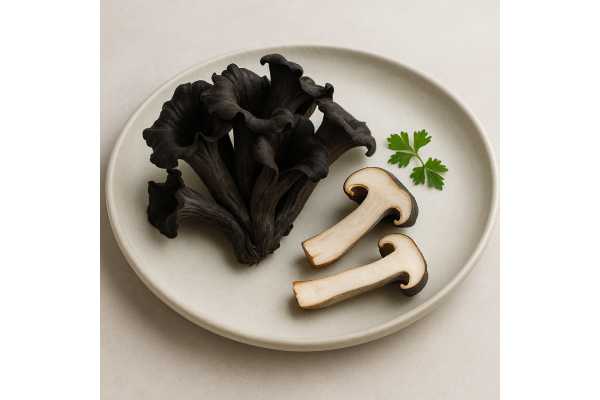
Black trumpet (Craterellus cornucopioides and close relatives) is a celebrated wild mushroom with a naturally smoky, truffle-like aroma and a delicate, funnel-shaped body that crisps beautifully in the pan. Cooks prize it for intensity: a handful can transform eggs, cream sauces, risotto, and roasted vegetables. Like most mushrooms, black trumpets are low in calories yet provide B-vitamins, potassium, copper, selenium, fiber, and distinctive compounds such as ergothioneine. When exposed to sunlight or UV light, mushrooms can also provide vitamin D₂. Because these fungi are thin and dry quickly, they’re ideal to dehydrate, grind, and use as a pantry spice year-round. That said, wild foods vary. The same batch can differ in moisture, mineral content, and grit, so smart sourcing and preparation matter. This guide focuses on what you need to cook and eat black trumpets confidently: a detailed nutrition profile per 100 g, realistic health benefits, key safety considerations, how to buy and store them well, and cooking methods that preserve nutrients while delivering maximum flavor.
Key Takeaways
- Low-calorie, high-flavor mushroom supplying B-vitamins, copper, selenium, potassium, fiber, and ergothioneine; vitamin D₂ rises with UV exposure.
- Typical serving: 75–100 g cooked (about 1 cup), 1–3 times per week fits most balanced diets.
- Safety note: wild mushrooms can accumulate heavy metals; source from clean areas and avoid raw or undercooked portions.
- Limit or avoid if you cannot verify species, have IBS sensitive to polyols (mannitol), or are advised to restrict purines (go easy on dried forms).
Table of Contents
- Inside the black trumpet
- Black trumpet nutrition profile
- Black trumpet health benefits
- Safety, allergies and interactions
- Buying, sustainability and storage
- Prep, heat, and nutrients
- Serving sizes, swaps and FAQs
Inside the black trumpet
Black trumpets are the dark, paper-thin cousins of chanterelles. They form hollow, trumpet-like fruiting bodies with fluted edges, often carpeting mossy hardwood forests in mid to late season. Their color ranges from charcoal to sooty brown, which is both the appeal and the challenge—once you learn to “see” their matte texture and curled rims on the forest floor, you never forget them.
Culinary identity. The aroma leans smoky and cocoa-like with a hint of black truffle. In the pan they crisp quickly, concentrating flavor and adding texture to soft foods like scrambled eggs and risotto. Dried and powdered, they become a versatile seasoning with more depth than plain mushroom powder.
How they differ from other wild mushrooms.
- Versus chanterelles (Cantharellus): Related but thicker and fruitier; chanterelles resist crisping. Black trumpets are thinner, more intensely savory, and fantastic dried.
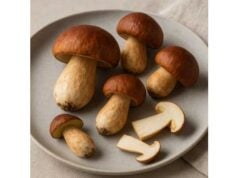
- Versus porcini (Boletus edulis): Porcini are meaty and broth-rich; black trumpets are delicate and aromatic, better as a finishing ingredient.
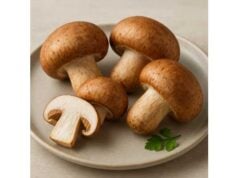
- Versus cultivated buttons: Buttons are mild, widely available, and great for bulk; black trumpets are a flavor amplifier used in smaller amounts.
Identification notes for cooks (not a foraging guide). Edible black trumpet species are generally safe when correctly identified, but color and habitat can mislead beginners. Close relatives like Craterellus fallax in North America are also edible. Early-spring cup fungi that are black (“devil’s urn”) fruit at a different time and shape. If you don’t forage with an expert, buy from reputable sellers and skip guesswork.
Why home cooks love them.
- High ROI on flavor: A small handful seasons an entire dish.
- Dry, fast, and versatile: Dehydrate on a screen; they crisp and pulverize easily.
- Pairings that sing: Butter, cream, eggs, chicken, veal, white fish, leeks, shallots, thyme, parsley, tarragon, Madeira, dry sherry, aged cheeses, and roasted squash.
Expect variability. Wild foods swing with weather and site. Older caps may be more brittle or grittier. Clean gently, and consider powdering trim to avoid waste. If you’re building a pantry, keep a jar of toasted black trumpet crumbs to finish dishes the way you would with bottarga or toasted sesame.
Black trumpet nutrition profile
Values below reflect raw black trumpets or closely related Craterellus species per 100 g, with ranges that capture natural variation. Cooking changes water content; dried forms concentrate most nutrients by weight. Percent Daily Values (%DV) use current adult DVs.
Macros & Electrolytes (per 100 g, raw)
| Nutrient | Amount | %DV |
|---|---|---|
| Energy | 22–30 kcal | — |
| Protein | 2.5–3.5 g | 5–7% |
| Total carbohydrate | 3.5–5.0 g | 1–2% |
| Dietary fiber | 2.0–3.0 g | 7–11% |
| Total sugars | ~1.5–2.0 g | — |
| Total fat | 0.3 g | 0% |
| Sodium | 5–10 mg | 0% |
| Potassium | 300–400 mg | 6–9% |
| Phosphorus | 80–110 mg | 6–9% |
| Magnesium | 8–15 mg | 2–4% |
Vitamins (per 100 g, raw)
| Vitamin | Amount | %DV |
|---|---|---|
| Riboflavin (B2) | 0.30–0.50 mg | 23–38% |
| Niacin (B3) | 3.5–6.0 mg | 22–38% |
| Pantothenic acid (B5) | 1.0–1.6 mg | 20–32% |
| Vitamin B6 | 0.05–0.12 mg | 3–7% |
| Folate (B9) | 20–50 µg | 5–13% |
| Vitamin D₂ (baseline) | ~0.1–0.3 µg | 1% |
| Vitamin D₂ (UV-exposed)** | 5–20 µg | 25–100% |
UV note: Mushrooms synthesize vitamin D₂ from ergosterol when exposed to UV light or strong sunlight; labeled “UV-treated” retail products state µg (or IU) per serving. Wild, sun-exposed caps vary widely.
Minerals (per 100 g, raw)
| Mineral | Amount | %DV |
|---|---|---|
| Copper | 0.2–0.4 mg | 22–44% |
| Selenium | 6–12 µg | 11–22% |
| Zinc | 0.5–0.9 mg | 5–8% |
| Iron | 0.5–1.2 mg | 3–7% |
| Manganese | 0.05–0.10 mg | 2–4% |
| Calcium | 3–10 mg | 0–1% |
Bioactives / Phytonutrients
| Compound | Typical amount / note |
|---|---|
| Beta-glucans | ~0.3–0.9 g per 100 g; soluble fibers linked to cholesterol and immune modulation. |
| Ergothioneine | ~4–12 mg per 100 g; a sulfur amino acid antioxidant concentrated in mushrooms. |
| Polyols (mannitol, trehalose) | Present; can cause GI symptoms in polyol-sensitive individuals. |
Carbohydrates & Glycemic Metrics
| Metric | Value |
|---|---|
| Net carbs (approx.) | 1–3 g per 100 g |
| Glycemic Index | Very low (estimated <20) |
| Glycemic Load | ~1 per 100 g |
Allergens & Intolerance Markers
- No major IgE allergen recognized specifically for Craterellus, but mushroom allergy exists; reactions range from oral itch to hives.
- Polyols (especially mannitol) may trigger bloating or loose stools in people with IBS; dried forms concentrate polyols by weight.
Contaminants / Residues (context)
- Wild mushrooms can accumulate cadmium, lead, and mercury, varying by soil and deposition history.
- Some regions still detect radiocesium (¹³⁷Cs) in forest foods decades after nuclear accidents.
- Mitigation: source clean sites, trim stem bases, rinse briefly, vary species, and keep weekly frequency moderate.
These values are representative; moisture, site, and maturity shift results. If you buy UV-treated or fortified products, rely on the label for vitamin D₂ per serving.
Black trumpet health benefits
Nutrient density for minimal calories. Per 100 g, black trumpets provide meaningful riboflavin, niacin, pantothenic acid, potassium, copper, and selenium for roughly two dozen calories. This makes them an easy way to raise micronutrient density without adding much energy, salt, or saturated fat.
Dietary fiber and beta-glucans. Fiber supports satiety and bowel regularity, while mushroom beta-glucans—soluble, fermentable polysaccharides—participate in cholesterol and glycemic regulation. Although many human studies focus on cultivated mushrooms, the structural polysaccharides are broadly shared across culinary species. Using black trumpets to replace part of a rich protein or add body to vegetable dishes can nudge meals toward better cardiometabolic profiles.
Ergothioneine: a mushroom-specific advantage. Ergothioneine is a sulfur-containing amino acid transported into cells by a dedicated carrier and concentrated in mitochondria. Mushrooms are a leading food source. Higher mushroom intake in general dietary patterns has been associated with favorable oxidative stress markers in observational research. While association is not proof of causation, the mechanistic plausibility is strong, and black trumpets can diversify your ergothioneine sources beyond buttons, oysters, and shiitakes.
Vitamin D₂ potential when UV-exposed. If you purchase UV-treated mushrooms—or briefly expose sliced mushrooms gill-side up to midday sun before cooking—vitamin D₂ content can jump into a nutritionally meaningful range. For cooks planning winter menus, combining UV-treated mushrooms with eggs or dairy makes it easier to reach daily vitamin D targets from foods.
Sodium-free savory. Black trumpets concentrate glutamates and 5’-nucleotides that intensify umami. Using them as a seasoning lets you reduce added salt without losing impact, a practical strategy for blood pressure management.
Culinary swaps that help diet quality. Stir minced, sautéed black trumpets into lean ground meat or plant-based mince at 1:1 to 1:2 to lower saturated fat and boost fiber while maintaining satisfying texture and browning. A teaspoon of black trumpet powder can replace bouillon cubes in soups for lower sodium and cleaner labels.
What the evidence supports vs. suggests.
- Strong: Contributions to B-vitamins, minerals, fiber; low energy density; vitamin D₂ increase with UV treatment; flavor-driven salt reduction.
- Suggestive: Observational links between higher mushroom intake and lower risk of some chronic diseases, including certain cancers, likely reflect both mushroom-specific bioactives and healthier overall dietary patterns.
- Emerging: Species-specific clinical data for Craterellus are limited; assume benefits similar to other culinary mushrooms and cook for enjoyment first.
Practical takeaway. Treat black trumpets as a high-impact seasoning and nutrient-supporting vegetable. A modest, regular intake—especially alongside legumes, whole grains, and colorful vegetables—fits within most evidence-based eating patterns.
Safety, allergies and interactions
Misidentification risk. Black trumpet is distinctive when you know it, but first-time foragers may confuse habitat and color. “False black trumpet” species in the same genus are generally edible but less flavorful; others (spring cup fungi) differ by season and form. If you aren’t expert, buy from reputable sellers or forage with a trained guide. When uncertain, do not eat wild mushrooms.
Raw or undercooked servings. Mushrooms have chitin-rich cell walls and heat-labile compounds that can upset digestion if eaten raw. Thorough cooking improves digestibility and flavor. For black trumpets, the thin tissue cooks fast—sauté, roast, or fry until tender and aromatic.
Heavy metals and radiocesium. Forest mushrooms can accumulate cadmium, lead, mercury, and, in some regions, radiocesium. Risk depends on site, not just species. Practical steps: avoid industrial sites and roadsides; trim 0.5–1 cm off soil-exposed stem bases; rinse briefly to remove grit; vary species; and keep frequency moderate (e.g., 1–3 cooked portions weekly in season). Children and pregnant people should favor mushrooms from clean, known sources and limit wild varieties to small portions.
Gastrointestinal intolerance. Black trumpets contain polyols (mannitol, trehalose) that may trigger bloating, gas, or loose stools for individuals with IBS or polyol sensitivity. Introduce small portions and assess tolerance; dried forms concentrate polyols, so mind serving sizes.
Purines and kidneys. Dried mushrooms are relatively higher in nucleic acids (purines). If you manage gout or have medical advice to reduce purines, moderate dried black trumpet powder and keep to fresh, cooked portions when you do include them.
Allergy. Mushroom allergy is uncommon but real; symptoms include oral itching, hives, wheezing, nausea, or anaphylaxis. Anyone with known mushroom allergy should avoid black trumpets. If new to wild mushrooms, start with a small, well-cooked serving.
Medications and interactions. No specific drug interactions are documented for black trumpets. If you take medications with narrow therapeutic windows or follow a highly consistent diet (e.g., warfarin users), simply mention new frequent foods—wild mushrooms included—to your care team.
Signs to stop and seek care. Vomiting, diarrhea, severe abdominal pain, sweating, confusion, or jaundice after eating wild mushrooms warrants urgent medical evaluation. Save leftovers or photos to help identification.
Buying, sustainability and storage
How to choose top-quality black trumpets
- Look and feel: Seek dry, papery trumpets without sliminess. Avoid specimens with excessive dirt trapped in the folds or brittle caps that crumble to dust when touched.
- Aroma: Clean, earthy, lightly smoky. Sour or fishy notes mean it’s time to pass.
- Size: Small to medium trumpets are tender and crisp quickly; very large, older ones may be tougher but work well dried and powdered.
Trusted sources and traceability. Buy from licensed foragers or reputable markets that can tell you where and when the mushrooms were harvested. Ask about cleaning steps and whether the batch was inspected for foreign material (pine needles, grit). Good vendors pack trumpets loosely so they don’t compact and bruise.
Sustainability considerations
- Harvest etiquette: If you forage, take only what you’ll cook, snip cleanly, avoid disturbing moss and duff, and leave older, heavily insect-damaged clusters to spread spores.
- Biodiversity: Rotate the species you buy through the season—chanterelles, hedgehogs, oysters, shiitake—to lower pressure on any one wild population.
- Waste reduction: Because black trumpets dehydrate quickly and store well, they lend themselves to low-waste cooking: dry excess and use powder to season dishes year-round.
Storage and handling
- Fresh: Refrigerate unwashed in a paper bag or perforated box; the goal is airflow. Use within 2–4 days for best aroma.
- Cleaning: Just before cooking, blow out or shake away debris. You can rinse quickly in cool water in a colander, then spin-dry or pat dry immediately. Avoid long soaks.
- Cooked: Hold refrigerated in a covered container up to 3–4 days; reheat to steaming hot.
- Dried: Store fully dried trumpets in an airtight jar in a cool, dark cupboard for 9–12 months. If they soften from humidity, re-dry gently at low oven heat (≤65 °C / 150 °F).
- Powder: Keep in small jars to limit air exposure; label with date; use within 6 months for peak aroma.
Budget and value tips
- Buy larger lots in peak season and dehydrate at home.
- Powder tough trim and crumbs; fold into compound butter, sprinkle on popcorn, or whisk into pan sauces to stretch flavor.
- Reuse rehydration liquid: strain through a coffee filter to remove grit, then add to risotto or gravy.
Prep, heat, and nutrients
Cooking objectives: remove surface grit, drive off moisture quickly, develop browning, and retain water-soluble nutrients by keeping flavorful liquids in the dish.
Techniques that shine
- Dry-sauté then fat. Start cleaned trumpets in a wide pan over medium heat with a pinch of salt; they’ll release moisture. Once nearly dry, add butter or olive oil and cook until edges crisp. This minimizes leaching and maximizes browning.
- High-heat roast. Toss with oil and a little salt; roast at 220 °C / 425 °F for 8–12 minutes, stirring once. Roasting concentrates aroma and keeps texture.
- Quick stir-fry. Thin trumpets cook in 2–3 minutes in a hot wok. Add alliums and greens for a nutrient-dense side.
- Finishers. Fry trumpets in butter until crisp; crumble over soups, risotto, or roasted squash as a finishing “crunch.”
- Infusions. Steep lightly toasted trumpets in warm cream, stock, or butter to capture fat- and water-soluble flavors; simmer briefly, then strain through a fine filter.
Retention notes
- B-vitamins and minerals are better retained with short, hot methods (stir-fry, roast, microwave) or when soups/sauces keep the liquid.
- Vitamin D₂ from UV-exposed mushrooms remains fairly stable through typical cooking times.
- Boiling then discarding water loses soluble vitamins and flavor; if you parboil to dislodge grit, keep the liquid for sauce.
Cleaning without nutrient loss
- Use a soft brush or your breath to blow out debris; a quick rinse is acceptable, but dry well before heat so mushrooms brown rather than steam.
- For very dirty trumpets, swish briefly in cold water, lift out, pat dry, then start with the dry-sauté method.
Drying and rehydrating
- Dehydrate at 45–50 °C (113–122 °F) until brittle; this preserves aroma and prevents case hardening.
- Rehydrate in warm water 15–20 minutes; strain the soaking liquid through a coffee filter to remove fine grit and use it in your dish.
- Powder fully dried trumpets and store airtight; a teaspoon seasons a pan sauce or vinaigrette.
Flavor pairings that add nutrition
- Combine with beans or whole grains for complementary amino acids and extra fiber.
- Add leafy greens for folate and vitamin K, and nuts for healthy fats.
- If targeting vitamin D intake, use UV-treated mushrooms, then fold them into omelets or dairy sauces for practical, food-based support.
Serving sizes, swaps and FAQs
Recommended portions and cadence
- Cooked serving: 75–100 g (about 1 heaping cup sautéed).
- Dried equivalent: 7–10 g dried yields roughly that cooked amount.
- Frequency: 1–3 times per week suits most balanced diets; rotate with other mushroom types for variety and to diversify trace element exposure.
Who should limit or avoid?
- Anyone unable to verify species confidently—when in doubt, do not eat wild mushrooms.
- People with IBS or polyol sensitivity—start with smaller portions and evaluate tolerance.
- Individuals advised to restrict purines (gout, some kidney conditions)—be cautious with dried powder.
- Pregnant people and children—favor mushrooms from clean, known sources and keep portions modest.
Smart swaps and comparisons
- Versus chanterelles: Trumpets are thinner, earthier, and crisp more readily; chanterelles are fruitier and firmer.
- Versus porcini: Porcini add meaty broth; trumpets bring smoky, truffle-like perfume—use both for layered flavor.
- Versus cultivated buttons: Buttons are reliable bulk and vitamin B workhorses; trumpets are a seasoning mushroom for aroma and crunch.
- Fresh vs dried: Dried trumpets win for storage and intensity; rehydration liquid is culinary gold—never discard it.
Frequently asked questions
Can I eat black trumpets raw?
It’s best to cook them. Heat improves digestibility, food safety, and flavor.
Why are mine gritty?
They trap forest dust and pine needles. Clean just before cooking: blow out debris, rinse quickly if needed, then dry thoroughly. Strain any soaking liquid through a fine filter.
Do they always turn crisp?
Yes, if you dry their surface and use high heat. Overcrowding steams them; use a wide pan and cook in batches.
How do I boost vitamin D with mushrooms?
Buy UV-treated mushrooms (labeled with µg/IU per serving) or briefly sun-expose sliced mushrooms gill-side up before cooking, then add to dishes that capture cooking juices.
What if a piece looks different?
When in doubt, throw it out. Even one misidentified mushroom can ruin a meal—and your day.
References
- Mushrooms: a food-based solution to vitamin D deficiency to include in dietary guidelines 2024 (Review)
- Higher Mushroom Consumption Is Associated with Lower Risk of Cancer: A Systematic Review and Meta-Analysis of Observational Studies 2021 (Systematic Review)
- Cadmium and Lead Content in Selected Fungi from Poland and Their Edible Safety Assessment 2021 (Research Article)
- Radioactive contamination of mushrooms and wild game 2021–2023 (Government Guidance)
- Nutrient content and nutrient retention of selected mushrooms 2006 (Data/Methods)
Medical Disclaimer
This article provides general information for education only and is not a substitute for personalized medical advice, diagnosis, or treatment. Wild mushrooms can be hazardous if misidentified or sourced from contaminated areas. If you are pregnant, cooking for young children, managing gout, kidney disease, or IBS, or taking prescription medications, consult your healthcare professional before making dietary changes. In any suspected mushroom poisoning, seek urgent medical care and bring leftovers or photos for identification.
If this guide helped you, please consider sharing it on Facebook, X (formerly Twitter), or your preferred platform. Your support helps us continue creating careful, practical food resources. Thank you.