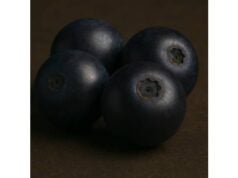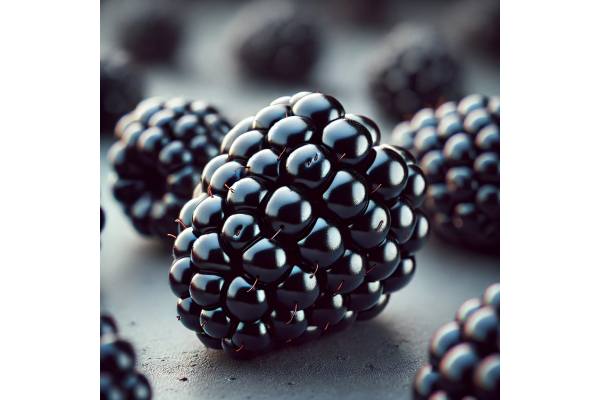
Blackberries offer a striking mix of flavor and function. They are naturally sweet-tart, deeply colored, and packed with fiber and polyphenols that support everyday wellness. A cup adds brightness to breakfasts, rounds out salads, and anchors desserts without excessive sugar. Beyond taste, blackberries deliver vitamin C for immune support, vitamin K and manganese for bone health, and a rare pairing of anthocyanins and ellagitannins—plant compounds studied for heart and metabolic benefits. Their seeds contribute mild crunch and extra fiber, while the fruit’s low glycemic impact makes it a smart option for steady energy. Fresh berries are fragile and seasonal, but frozen blackberries keep quality and nutrition with little loss, so you can enjoy them year-round. Whether you prefer them blended into smoothies, simmered into quick sauces, or eaten out of hand, blackberries are a versatile way to add color, texture, and nutrients to daily meals.
Fast Facts
- Rich in fiber (≈5.3 g/100 g) and vitamin C (≈21 mg/100 g).
- Low glycemic load; suitable for balanced blood sugar when portioned.
- Typical serving: 100–150 g (¾–1 cup) fresh; enjoy 3–5 times per week.
- Possible issues: salicylates, seeds, and vitamin K for those on warfarin—keep intake consistent.
- People with aspirin sensitivity, active IBS during flares, or strict warfarin management may need caution.
Table of Contents
- Detailed Overview of Blackberry
- Blackberry Nutrition Profile (Per 100 g)
- Blackberry Health Benefits: What Evidence Shows
- Blackberry Risks, Allergies and Interactions
- Selecting Quality and Storing Blackberries
- Preparing Blackberries and Nutrient Retention
- Blackberry Portions, Comparisons and FAQs
Detailed Overview of Blackberry
Blackberries are aggregate fruits from the Rubus genus (Rosaceae), formed by clusters of small drupelets surrounding tiny seeds. Their color signals abundant anthocyanins—the pigments responsible for the deep purple-black hue. Ripe blackberries taste sweet with a pleasant acidity and mild floral notes; underripe berries skew tart with some astringency. Common market types include American and European blackberries (Rubus fruticosus complex), trailing “thornless” cultivars, and regional specialties such as dewberries. Andean blackberry (Rubus glaucus) appears in Latin American markets and products with a similar nutrient and polyphenol pattern.
Culinary range is wide. Fresh berries brighten yogurt bowls, cereals, and green salads. Their tartness balances rich foods: spoon quick blackberry compote over roasted pork or chicken, or layer a handful into grilled cheese for a jammy counterpoint. In baking, blackberries hold shape better than raspberries, making them ideal for crumbles, galettes, and muffins. The fruit’s acidity and pectin content help thicken sauces, chutneys, and small-batch jams with minimal added sugar. For beverages, blackberries puree smoothly into smoothies and mocktails; strain seeds for silkier textures.
Blackberries are naturally low in calories and sugars per serving, with meaningful fiber—especially pectin and insoluble fibers—that increase satiety and support gut health. Compared with strawberries or blueberries, blackberries stand out for vitamin K and manganese. They are also among the most polyphenol-dense everyday fruits, combining anthocyanins (e.g., cyanidin-3-glucoside) with ellagitannins that can metabolize to urolithins via gut microbes—an emerging area of interest for cardiometabolic and anti-inflammatory effects.
Fresh blackberries are delicate. They have thin skins, high respiration rates, and short shelf lives, so quality varies with handling and speed to market. Frozen blackberries are flash-frozen near harvest, offering a consistent, economical option with comparable fiber and minerals and good retention of vitamin C and polyphenols. Dried blackberries concentrate sugars and calories; choose unsweetened styles when possible. Blackberry leaf teas and extracts exist, but this guide focuses on the whole fruit you’ll find in produce aisles and freezers.
Practical tip: if the drupelets look dull purplish-black (not shiny jet black), the berry is likely ripe. Red “revert” drupelets (color reversion after handling) are mostly cosmetic and safe to eat, though flavor may be slightly less sweet.
Blackberry Nutrition Profile (Per 100 g)
Snapshot (raw, unfortified fruit): about 43 kcal, high fiber, vitamin C, vitamin K, and manganese; minimal sodium; low glycemic load.
Macros and Electrolytes
| Nutrient | Amount (per 100 g) | % Daily Value |
|---|---|---|
| Energy | 43 kcal | — |
| Water | ~88 g | — |
| Protein | 1.4 g | — |
| Total Fat | 0.5 g | — |
| Carbohydrate | 9.6 g | — |
| Dietary Fiber | 5.3 g | 19% |
| Total Sugars | 4.9 g | — |
| Sodium | 1 mg | 0% |
| Potassium | 162 mg | 3% |
Carbohydrates
| Component | Amount | Notes |
|---|---|---|
| Total carbohydrate | 9.6 g | Mostly simple sugars plus pectin-rich fiber |
| Starch | ~0 g | Negligible |
| Sugars (glucose, fructose) | 4.9 g | Lower than many fruits per 100 g |
| Fiber (soluble + insoluble) | 5.3 g | Promotes satiety and regularity |
Fats and Fatty Acids
Blackberries are very low in fat. Trace amounts include small proportions of polyunsaturated fatty acids; saturated fats are negligible.
Protein and Amino Acids
Protein is modest (1.4 g/100 g) with a non-complete amino acid profile, typical for fruit.
Vitamins
| Vitamin | Amount (per 100 g) | % Daily Value |
|---|---|---|
| Vitamin C (ascorbic acid) | ~21 mg | 23% |
| Vitamin K (phylloquinone) | ~20 µg | 17% |
| Vitamin E (alpha-tocopherol) | ~1.2 mg | 8% |
| Folate (DFE) | ~25 µg | 6% |
| Vitamin A (RAE) | ~11 µg | 1% |
| Thiamin (B1) | ~0.02 mg | 2% |
| Riboflavin (B2) | ~0.03 mg | 2% |
| Niacin (B3) | ~0.65 mg | 4% |
| Vitamin B6 | ~0.03 mg | 2% |
| Choline | ~8 mg | 1% |
Minerals
| Mineral | Amount (per 100 g) | % Daily Value |
|---|---|---|
| Manganese | ~0.65 mg | 28% |
| Calcium | ~29 mg | 2% |
| Iron | ~0.6 mg | 3% |
| Magnesium | ~20 mg | 5% |
| Phosphorus | ~22 mg | 2% |
| Zinc | ~0.5 mg | 5% |
| Copper | ~0.17 mg | 19% |
Bioactives / Phytonutrients (typical ranges; vary by cultivar, ripeness, and growing conditions)
| Compound Class | Estimated Range (per 100 g fresh) | Primary Forms / Notes |
|---|---|---|
| Anthocyanins | ~100–400 mg | Cyanidin-3-glucoside predominates; color and antioxidant capacity |
| Ellagitannins / Ellagic acid | ~50–150 mg (as ellagic acid equivalents) | Precursors to urolithins via gut microbiota |
| Flavanols | Trace–tens of mg | Catechin/epicatechin present at low levels |
| Phenolic acids | Variable | Gallic, caffeic, and others contribute to antioxidant profile |
Glycemic & Acid–Base Metrics
| Metric | Value | Interpretation |
|---|---|---|
| Glycemic Index (GI) | ~25–40 | Low GI |
| Glycemic Load (GL, per 100 g) | ~3 | Very low GL due to modest sugars and high fiber |
| PRAL (acid–base) | ≈ −1 to −2 mEq/100 g | Slightly base-forming |
Allergens & Intolerance Markers
Natural salicylates are present (sensitivity is uncommon). Seeds can bother some individuals during digestive flares.
Additives & Fortification
Not applicable to fresh or plain frozen fruit; flavored dried products may include added sugars or oils.
Footnote: Values reflect raw, unfortified blackberries. Frozen fruit is similar; drying concentrates sugars and energy.
Blackberry Health Benefits: What Evidence Shows
Heart and metabolic support. Blackberries are naturally low in sodium and provide potassium, magnesium, and fiber that together support healthier blood pressure and lipid profiles. The fiber (about 5.3 g per 100 g) helps reduce post-meal glucose excursions and supports a favorable LDL cholesterol pattern over time when it replaces refined snacks. Their glycemic load is low, which makes blackberries a steady-energy fruit choice during weight management or athletic training phases that emphasize stable blood sugar.
Polyphenols with complementary roles. Two families of compounds stand out: anthocyanins and ellagitannins. Anthocyanins contribute to antioxidant capacity and may modulate endothelial function—part of why dark berries are frequently studied in dietary patterns that benefit vascular health. Ellagitannins and ellagic acid can be metabolized by gut microbes into urolithins, which are being investigated for effects on mitochondrial function, inflammation pathways, and muscle health. While whole-fruit trials vary, this combined polyphenol pattern is a biologically plausible reason blackberries perform well in cardiometabolic dietary patterns.
Gut health and microbiome. The blend of soluble pectin and insoluble fiber adds bulk and softens stool, supporting regularity. Polyphenols interact with the microbiota—some species degrade ellagitannins, producing metabolites that may have local anti-inflammatory actions in the gut. People who do not habitually eat fiber should increase portions gradually and hydrate to minimize temporary bloating.
Bone-supportive nutrients. Blackberries provide vitamin K and manganese, two nutrients involved in bone formation and remodeling. Vitamin K contributes to the activation of osteocalcin, a protein in bone tissue, and manganese is a cofactor in connective tissue synthesis. Although blackberries are not a high-calcium food, including them regularly within a varied, nutrient-dense diet supports bone health.
Exercise recovery and culinary practicality. Blackberries fit pre- or post-workout needs: they supply quick carbohydrates alongside water, potassium, and vitamin C. Blending blackberries into a smoothie with Greek yogurt or tofu provides both carbohydrates and protein for recovery, while their acidity lifts flavor without relying on added sugar.
Vision and skin. The fruit’s vitamin C supports collagen synthesis, while anthocyanins may help protect against oxidative stress in ocular tissues. These are supportive—not therapeutic—effects; blackberries work best as part of overall dietary patterns rich in colorful fruits and vegetables.
Weight maintenance and satisfaction. High fiber and volume with modest calories make blackberries filling relative to their energy content. As a snack, 100–150 g can bridge hunger between meals, especially when paired with protein or healthy fat (e.g., a handful of nuts), which may reduce the urge for refined sweets.
Bottom line: blackberries combine low glycemic impact with fiber and polyphenols in a fruit that is simple to use daily. Evidence supports their inclusion in heart-forward, weight-aware, and plant-rich eating patterns.
Blackberry Risks, Allergies and Interactions
Allergies and oral symptoms. Blackberry allergy is uncommon but possible. As members of the Rosaceae family, blackberries may cross-react in people with certain pollen allergies, occasionally causing oral allergy syndrome (itchy mouth or lips). Anyone with a known severe berry allergy should avoid blackberries and speak with an allergist.
Salicylates and aspirin sensitivity. Blackberries naturally contain salicylates. Most people tolerate these amounts, but those with aspirin sensitivity may notice hives or wheeze and should discuss fruit choices with a clinician.
Digestive comfort, FODMAPs, and seeds. The fruit’s seeds and fiber usually support regularity, but during active gastrointestinal flares (e.g., IBS, IBD), seeds can feel irritating. Start with small portions (40–80 g), assess comfort, and strain seeds in sauces or smoothies if needed. People highly sensitive to polyols or fructans may tolerate smaller servings better.
Kidney stone considerations. Blackberries contain modest oxalates. Most individuals can include them, especially when balanced with calcium-rich foods at meals, which reduces oxalate absorption. Those on strict low-oxalate plans should consult a registered dietitian for personalized guidance.
Vitamin K and anticoagulants. Blackberries provide vitamin K (~20 µg per 100 g). Individuals taking warfarin or related anticoagulants should aim for a consistent daily vitamin K intake rather than large swings. You do not need to avoid blackberries; simply keep portions steady from week to week and coordinate with your healthcare team.
Pesticide residues and safe handling. Like many delicate berries, blackberries may carry soil or residual surface contaminants from the field and packing line. Rinse thoroughly under cool running water right before eating, drain well, and dry on a clean towel. For fragile fruit, a brief dip (about 30 seconds) in a dilute vinegar solution (1:3 vinegar:water) followed by a clear-water rinse can help reduce microbes; then pat dry to extend shelf life. Avoid soaking for long periods, which can waterlog the berries.
Drug and supplement interactions beyond anticoagulants. Blackberry leaf teas and concentrated extracts can have different polyphenol concentrations and astringency; if you use such products, discuss them with your clinician, especially if you take prescription medications, as concentrated extracts may alter absorption or tolerance. Whole-fruit portions used in everyday meals are generally well tolerated.
Choking and feeding safety. For toddlers, lightly mash or quarter larger berries. For older adults with swallowing difficulties, serve mashed, stewed, or blended to reduce aspiration risk.
If you experience rash, swelling, chest tightness, or difficulty breathing after eating blackberries, seek medical care promptly.
Selecting Quality and Storing Blackberries
How to choose. Look for plump, dry, evenly colored berries with a dull, deep purplish-black tone. Avoid clamshells with juice stains, crushed fruit, or excessive red drupelets (underripe or handled roughly). A faint fragrance is a good sign; noticeable fermentation odor indicates over-ripeness.
Seasonality and forms. In many regions, peak season runs late spring through summer, with local availability depending on climate and cultivar. Frozen blackberries offer reliable quality all year, often at a lower price per serving, and are harvested near peak ripeness. Dried options exist but frequently include added sugars—check the ingredient list if you prefer unsweetened styles.
Storage. Fresh blackberries are perishable. For best results:
- Refrigerate unwashed berries as soon as you get home.
- Spread them in a single layer on a paper towel in a shallow container; cover loosely.
- Rinse just before eating to limit moisture-driven spoilage.
- Expect 2–3 days of top quality; use the softest berries first.
Freezing at home. For longer storage, freeze in two stages: spread dry, clean berries in a single layer on a tray until firm, then transfer to airtight bags, removing excess air. Label with date and aim to use within 8–12 months for best flavor. Frozen berries keep their structure well in smoothies, baking, and sauces.
Reducing waste. Slightly soft berries are great for compotes, chia jams, quick syrups, and baking. Freeze “seconds” promptly rather than discarding. Combine with citrus or apples to balance flavor in sauces if sweetness is low.
Sustainability notes. Buying local in season reduces travel time for this fragile fruit and may decrease loss along the supply chain. At home, maximize shelf life by keeping berries dry and cool. If you forage, ensure correct plant identification and harvest from clean areas away from roads or treated fields; respect property rules and local guidelines to protect habitats.
Food safety basics. Wash hands, tools, and containers before handling. Keep berries separate from raw meats and eggs in the fridge. Discard berries with mold, and check neighbors in the clamshell since molds spread quickly through contact.
Label literacy. “No sugar added” frozen berries contain only fruit; “lightly sweetened” or “in syrup” indicates added sugars. For dried berries, compare per-serving sugars and scan the ingredient list for oils, colorings, or flavorings if you prefer minimally processed options.
Preparing Blackberries and Nutrient Retention
Rinse right before use. To maintain firmness and flavor, rinse gently under cool running water just before serving. Avoid soaking. Drain in a fine-mesh strainer, then spread on a clean towel to dry.
Keep vitamin C and color. Vitamin C is water-soluble and heat-sensitive; long boiling reduces it substantially. Favor quick, low-liquid methods: warm berries briefly in a skillet to make a sauce, fold into hot oatmeal off heat, or stir into yogurt. Acid (lemon juice, orange zest) helps stabilize anthocyanin color in sauces and compotes.
Smart pairings.
- Iron synergy: Combine blackberries with plant iron sources (oats, beans, pumpkin seeds) and a splash of citrus to enhance nonheme iron absorption.
- Protein balance: Pair with Greek yogurt, skyr, or tofu in smoothies to create a balanced snack that supports muscle repair.
- Texture management: Strain seeds for ultra-smooth sauces or beverages; keep them when extra fiber is desired.
Culinary ideas (quick wins).
- Five-minute skillet compote: Simmer 2 cups blackberries with 1–2 tsp honey or maple, a squeeze of lemon, and a pinch of salt until just saucy; spoon over pancakes or seared salmon.
- Savory salad lift: Toss baby greens with olive oil, vinegar, and salt; add blackberries, toasted hazelnuts, and shaved goat cheese.
- Sheet-pan roasting: Roast berries at 200°C (390°F) for 10–12 minutes with a drizzle of balsamic; use over grain bowls.
- No-cook chia jam: Mash 1½ cups berries with 1 tbsp chia seeds and 1 tsp lemon; rest 20 minutes to thicken.
Heat vs. freeze effects. Freezing preserves most fiber and minerals and retains a good share of vitamin C and polyphenols. Gentle cooking softens seeds and cell walls, improving spreadability and flavor concentration, while modestly reducing vitamin C. Longer, high-heat baking or deep-frying (rare for fruit) leads to larger vitamin C and anthocyanin losses; keep heat exposure short for maximum retention.
Pan and utensil choice. Acidic berry sauces can react with unlined copper or cast iron, causing color changes and metallic flavors. Use stainless steel, enamel, or nonreactive cookware.
Sugar awareness. Blackberries are flavorful at lower sweetness levels. If sweetening is desired, start small and build gradually. Acid (citrus) and salt amplify perceived sweetness, letting you use less sugar.
For babies and toddlers. Mash or finely chop; stir into yogurt or oatmeal. For children 6–12 months learning to self-feed, softly mashed berries spread thinly on toast “fingers” reduce choking risk.
Blackberry Portions, Comparisons and FAQs
Portion guidance.
- Everyday serving: 100–150 g fresh (about ¾–1 cup).
- Performance snack: Up to 200 g alongside a protein source after endurance exercise.
- Intro portions for sensitive digestion: 40–80 g, seeds strained if needed.
How blackberries compare to other berries.
- Blueberries: Similar calories; blueberries have slightly less fiber per 100 g and more vitamin K variability.
- Raspberries: Comparable fiber (raspberries can be slightly higher) with a brighter tartness and different seed size; polyphenol profiles overlap but differ in proportions.
- Strawberries: Lower vitamin K and fiber per 100 g; higher vitamin C in many cultivars.
- Bottom line: Choose a rotation of berries to diversify nutrients and polyphenols; blackberries stand out for fiber, vitamin K, manganese, and combined anthocyanin–ellagitannin content.
Blood sugar questions.
- Are blackberries good for people managing blood sugar? Yes, their low glycemic load and fiber support steady glucose when portioned. Pair with protein or fat for even smoother curves.
- Best time to eat? With meals or as a snack; adding blackberries to carb-rich dishes (oatmeal, pancakes) blunts the overall glycemic impact.
Weight goals.
- Do blackberries help with weight loss? No single food causes weight loss, but high fiber and low energy density help you feel full at fewer calories, supporting adherence to balanced eating patterns.
Bone and blood-thinning medications.
- Can you eat blackberries on warfarin? Yes. Keep portions consistent to maintain stable vitamin K intake; coordinate with your clinician.
Fresh vs. frozen vs. dried.
- Fresh: Peak flavor; short storage window.
- Frozen: Convenient and cost-effective; great for smoothies and sauces with strong nutrient retention.
- Dried: Portable; smaller portions recommended due to concentrated sugars and calories.
Budget tips.
- Buy frozen in bulk; thaw what you need.
- In season, freeze your own on trays for year-round use.
- Use lightly bruised berries in cooked applications to avoid waste.
Quick troubleshooting.
- Watery compote: Simmer a little longer or add chia to thicken.
- Tart berries: Add a pinch of salt and a squeeze of orange; sweetness increases with minimal sugar.
- Seeds in smoothies: Blend longer, then strain; or use high-speed blenders for smoother textures.
References
- USDA FoodData Central 2025
- International tables of glycemic index and glycemic load values 2021: a systematic review 2021 (Systematic Review)
- Vitamin K – Health Professional Fact Sheet 2021 (Guideline)
- Composition and Antioxidant Activity of Anthocyanins and Non-Anthocyanin Flavonoids in Blackberry from Different Growth Stages 2022
- Selecting and Serving Produce Safely 2024
Disclaimer
This information is educational and does not replace personalized medical advice, diagnosis, or treatment. Always consult your healthcare professional or a registered dietitian for guidance tailored to your health status, medications, and goals. If you have food allergies, are on anticoagulants, or manage digestive conditions, seek individualized recommendations before changing your diet.
If you found this guide helpful, please consider sharing it with friends or on your preferred social platform to support our work in creating clear, trustworthy nutrition content. Thank you.