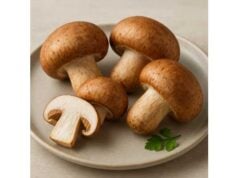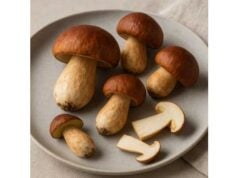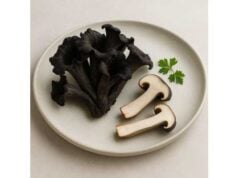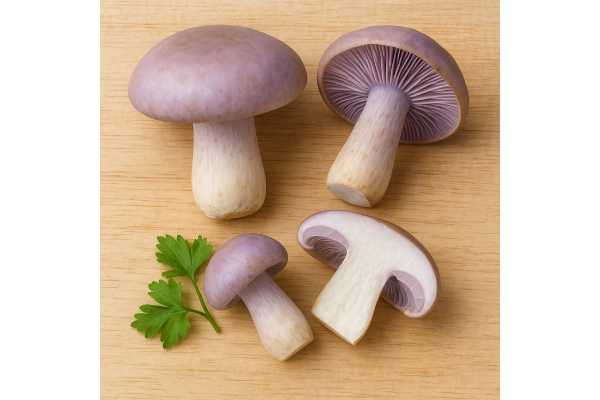
Blewit mushrooms—most often the wood blewit (Lepista nuda) and the field blewit (Lepista saeva)—are cold-season treasures valued by cooks for their lilac tints, perfumed aroma, and silky texture. They sauté beautifully, stand up to braising, and lend gentle anise notes to cream sauces, risottos, and poultry dishes. Like many culinary fungi, blewits are naturally low in calories and fat yet deliver B vitamins, potassium, copper, and selenium. They also provide unique fungal compounds such as ergothioneine, a sulfur-containing antioxidant found in high amounts in edible mushrooms. Because they’re wild-foraged in many regions, quality and identification matter. Blewits should always be eaten cooked, both for flavor and to reduce digestive upset; a small number of people remain sensitive even when they’re well prepared. If you’re new to blewits, start with modest portions and source from an experienced forager or reliable market. Below, you’ll find a practical guide to nutrition, benefits, risks, selection, cooking, and portion tips—so you can enjoy this seasonal mushroom with knowledge and confidence.
Nutrition Snapshot
- Low-calorie, nutrient-dense food providing B2 (riboflavin), niacin, copper, selenium, and potassium per 100 g cooked.
- Must be eaten cooked; raw or undercooked portions can cause gastrointestinal upset in some people.
- A typical serving is 75–100 g cooked (about 1 cup); enjoy up to 2–3 times per week as part of a varied diet.
- People with mushroom allergies, a history of intolerance to blewits, or limited kidney function (monitoring potassium) should limit or avoid.
Table of Contents
- Blewit mushroom essentials
- Blewit nutrition profile
- Blewit health benefits
- Risks, allergies and interactions
- Quality, sustainability, storage
- Cooking and nutrient retention
- Portions, comparisons and FAQs
Blewit mushroom essentials
Blewits are cool-weather mushrooms most common from late autumn into winter, especially after the first frosts. Two closely related species dominate markets and field guides: wood blewit (Lepista nuda) and field blewit (Lepista saeva, often still listed as Clitocybe or Lepista in older texts). Both are edible when correctly identified and thoroughly cooked. Caps range from lilac-brown to tan as they age; gills and stems hold deeper lilac tones in young specimens that fade with time. A faint floral or anise fragrance is typical, especially in the wood blewit.
Culinarily, blewits behave like a cross between oyster mushrooms and cremini: they sear well, release moderate moisture, and take on a luscious, satiny finish in cream or butter. Their flavor is delicate, which rewards simple treatment—shallot, thyme, white wine, crème fraîche, and a finish of lemon zest. Because their gills can trap grit, careful cleaning matters. Wipe or brush caps and stems; if needed, a quick rinse followed by thorough drying is acceptable. Trim away any water-soggy or insect-damaged portions.
As with all wild fungi, provenance matters. Buy from reputable sellers or forage only if you have regional expertise and a positive spore print and ID (blewits have a pale pinkish-buff spore print, unlike many toxic look-alikes with rusty or brown spores). Storage is short: keep unwashed in a paper bag in the refrigerator for 2–4 days. For longer keeping, sauté and freeze, or confit in olive oil and refrigerate for up to a week.
Nutritionally, blewits fit the “light yet nourishing” profile: modest protein, meaningful B vitamins (riboflavin and niacin), and minerals such as copper and selenium. Like other mushrooms, they also contain ergothioneine, an unusual antioxidant amino acid that humans absorb through a dedicated transporter; intake is tied to fungi consumption. Vitamin D content varies by species, growth conditions, and especially UV exposure after harvest. Commercial suppliers sometimes use UV light to boost vitamin D; home cooks can do a modest version by sunning sliced mushrooms (details in Section 6).
Key cautions up front: never eat blewits raw; some individuals remain intolerant even after thorough cooking; and avoid harvesting near roadsides or contaminated soils because many fungi can accumulate heavy metals. With correct ID, good handling, and sensible portions, blewits are a seasonal joy with solid nutrition.
Blewit nutrition profile
Below are reasonable, food-label-style estimates for cooked blewits (pan-sautéed without added fat) per 100 g. Values vary by species, maturity, and growing conditions; think of these as typical ranges similar to other culinary mushrooms.
Macros & Electrolytes (per 100 g cooked)
| Nutrient | Amount | %DV |
|---|---|---|
| Energy | 25 kcal | — |
| Water | ~90 g | — |
| Protein | 3.0 g | — |
| Total carbohydrate | 3.5 g | — |
| Dietary fiber | 2.0 g | 7% |
| Total sugars | 1.7 g | — |
| Total fat | 0.3 g | — |
| Sodium | 5 mg | <1% |
| Potassium | 350 mg | 7% |
Vitamins (per 100 g cooked)
| Vitamin | Amount | %DV |
|---|---|---|
| Riboflavin (Vitamin B2) | 0.40 mg | 31% |
| Niacin (Vitamin B3) | 4.5 mg | 28% |
| Pantothenic acid (Vitamin B5) | 1.5 mg | 30% |
| Folate (DFE) | 25 µg | 6% |
| Vitamin D (baseline)* | 0.5–2.0 µg | 3–10% |
*Vitamin D can rise substantially (e.g., to ~5–10 µg per 100 g) if mushrooms are exposed to UV light after harvest; see Section 6 for safe at-home methods and limits.
Minerals (per 100 g cooked)
| Mineral | Amount | %DV |
|---|---|---|
| Copper | 0.30 mg | 33% |
| Selenium | 12 µg | 22% |
| Phosphorus | 90 mg | 7% |
| Iron | 0.5 mg | 3% |
| Magnesium | 10 mg | 2% |
| Zinc | 0.7 mg | 6% |
Bioactives / Phytonutrients
- Ergothioneine (EGT): edible mushrooms are among the richest dietary sources; concentrations vary widely by species and cultivation. Blewits contribute to overall EGT intake as part of mixed mushroom consumption.
- Beta-glucans and other polysaccharides: present in mushrooms’ cell walls; contribute to fiber and texture.
Allergens & Intolerance Markers
- Raw mushroom proteins and heat-labile hemolysins: neutralized by thorough cooking; undercooked portions can provoke nausea or cramping in sensitive individuals.
- Personal intolerance: a minority report gastric upset to blewits even when fully cooked; begin with small servings to assess tolerance.
Contaminants / Residues
- Heavy metals: like many wild fungi, blewits can accumulate cadmium or lead when grown on contaminated substrates; avoid foraging near roadsides, industrial sites, or polluted soils.
- Radiocesium: region-specific in certain forests; purchase from reputable sellers if local contamination is a concern.
Glycemic & Acid–Base Metrics
- Glycemic impact: low, due to modest available carbohydrate and presence of fiber.
- Sodium–potassium balance: naturally very low in sodium and contributes potassium.
Footnote on fortification: If a package lists “UV-treated for vitamin D,” expect higher vitamin D values than the baseline table.
Blewit health benefits
Nutrient density with few calories. A 100 g cooked serving (about 1 cup) yields ~25 kcal yet delivers around one-third of the daily value for copper and meaningful amounts of riboflavin, niacin, selenium, and potassium. This helps fill micronutrient gaps without adding much energy—useful for weight-conscious meal planning.
Support for energy metabolism and fatigue resistance. Riboflavin and niacin are central to cellular energy production (as FAD and NAD coenzymes). Diets supplying these B vitamins through foods like mushrooms may support normal metabolism, especially in physically active people or those reducing refined grains.
Antioxidant contributions unique to fungi. Mushrooms supply ergothioneine (EGT), a sulfur-containing antioxidant not made by humans. We absorb EGT via a dedicated intestinal transporter (OCTN1/SLC22A4), and EGT concentrates in tissues exposed to oxidative stress. While research continues, higher EGT intake from mushrooms adds a distinctive antioxidant pattern not common in plant foods.
Potential vitamin D support when UV-exposed. Mushrooms synthesize vitamin D2 from ergosterol when exposed to UV light. Commercial UV-treated mushrooms can provide meaningful vitamin D per serving. Home UV exposure (e.g., placing sliced mushrooms under midday sun for a short period) can increase vitamin D2; practical details and guardrails are in Section 6.
Cardiometabolic dietary advantages. Swapping part of a meat or refined-grain portion with mushrooms can lower meal energy density and saturated fat while raising fiber and potassium. Observational data link higher mushroom intake with favorable long-term health patterns; while cause-and-effect isn’t proven, mushrooms are consistent with heart-healthy, vegetable-rich eating.
Digestive comfort for many, with caveats. Cooked blewits provide gentle fiber and moisture that can help diversify gut-friendly foods. That said, a small subset experiences intolerance (bloating, cramps) even with proper cooking. For new users or those with sensitive digestion, start with ½ cup cooked and evaluate.
Culinary versatility that supports dietary quality. Because blewits pair naturally with lean proteins, whole grains, and vegetables, they make it easier to meet dietary guidance: think chicken-blewit fricassee over farro, polenta with braised blewits, or a barley-blewit soup. When foods taste good, compliance improves.
Sustainability note. Wild-foraged mushrooms have a small production footprint versus many animal foods. Choosing reputable, responsible sellers supports ecosystems while providing a seasonal, nutrient-dense option.
Takeaway: blewits are not “superfoods,” but they offer a rare combination of low calories, meaningful micronutrients, and fungi-only antioxidants—plus real-world culinary appeal that nudges healthier patterns.
Risks, allergies and interactions
Misidentification is the primary risk. Blewits share lilac or tan-lavender hues with other genera; some edible look-alikes exist, and a few toxic species can be confused by the inexperienced. Clear, multi-feature identification is non-negotiable: cap and gill color across ages, spore print (blewits are pinkish-buff), odor (often floral/anise), habitat, and seasonality. When in doubt, do not consume; purchase from a trusted source or consult regional mycology groups.
Always cook thoroughly. Raw or undercooked blewits can cause gastrointestinal upset; thorough cooking denatures heat-labile compounds and improves digestibility. As with other wild mushrooms, serving blewits al dente is not prudent. Sauté until they release moisture, then continue until tender and glossy; in soups and braises, simmer long enough to fully cook the gills and stems.
Personal intolerance and allergies. A minority of people experience symptoms (nausea, cramping, diarrhea, flushing) after eating fully cooked blewits. If you’re new to them, try ½ cup cooked, wait 24 hours, and avoid combining with alcohol the first time. Anyone with a known mushroom allergy should avoid blewits.
Medication and condition considerations.
- Potassium watchers: 100 g cooked provides ~350 mg potassium. People with advanced kidney disease or those on potassium-retaining medications should integrate mushrooms into their diet under clinical guidance.
- Immunocompromised status: Eat only well-cooked, properly stored mushrooms; skip leftovers held more than 3–4 days.
- Histamine intolerance: Some individuals report reactions to certain fermented or aged mushroom dishes; fresher, simply cooked preparations are usually better tolerated.
Contaminants. Wild mushrooms can accumulate environmental heavy metals such as cadmium or lead from polluted soils or roadside dust. Avoid foraging near traffic corridors, industrial sites, or areas with known contamination. Reputable vendors will harvest from clean woodlands and note sourcing.
Foodborne illness context. While the blewit itself is not among the notorious deadly species, illnesses occur every year from misidentification and improper preparation of various wild mushrooms. Public-health investigations highlight that some edible species still cause illness if eaten raw or inadequately cooked. Treat all wild fungi with cautious respect.
Safe-use checklist.
- Confirm species with multiple traits or buy from a trusted seller.
- Avoid older, waterlogged, or insect-ridden specimens.
- Cook thoroughly; do not serve rare.
- Start with small portions if new to blewits.
- Refrigerate promptly and reheat to steaming hot before eating leftovers.
- When foraging, avoid polluted areas.
With sensible sourcing and cooking, most people can enjoy blewits safely. The minority who remain intolerant should choose other mushrooms with a similar culinary role, such as oyster or cremini.
Quality, sustainability, storage
Selecting blewits. Look for firm caps with intact, lilac-tinged gills and sturdy stems. Young to mid-mature mushrooms have the best texture and aroma; very dark, waterlogged, or heavily bug-tunneled specimens are poor choices. A fresh, clean, slightly floral smell is a good sign; sour or fishy notes indicate spoilage. If buying pre-packed, check for condensation and slimy surfaces.
Sourcing with confidence. Reliable sellers disclose the species and origin. If you’re purchasing from a farmers’ market, talk with the forager about habitat and handling. Responsibly harvested blewits come from clean environments away from roads, mine tailings, or industrial runoff. Certifications are rare for wild mushrooms; reputation and transparency matter most.
Sustainability notes. Thoughtful foraging practices sustain fungal ecosystems: avoid raking leaf litter, cut or twist gently at the base, leave over-mature or decaying fruiting bodies to spore, and harvest modestly from any one patch. Many countries or parks have local guidelines and limits; know them before you pick.
Storage at home.
- Short term (2–4 days): Keep unwashed mushrooms in a breathable paper bag or a vented container lined with a dry towel. Store in the main refrigerator compartment, not the crisper drawer, to reduce excess humidity.
- Medium term (up to 1 week): Pre-sauté in a dry pan until they release moisture and just begin to brown; cool quickly, pack in a shallow container, and refrigerate.
- Long term (months): Freeze after sautéing (best for texture) or dehydrate fully (until brittle) and store in an airtight jar away from light. Rehydrate dried blewits in warm water or stock before cooking.
Quality troubleshooting.
- Gritty mouthfeel: Gills can hold debris; brush carefully and trim gill edges if needed. Rinse briefly only if necessary and dry well.
- Rubbery texture: Undercooking; extend sautéing or braising time.
- Watery results: Crowded pan or low heat; cook in batches and allow moisture to evaporate before adding fat and aromatics.
- Bitterness or off flavors: Over-mature specimens or improper storage; choose younger, firmer mushrooms and cook within a couple of days.
Flavor pairings. Blewits love butter or olive oil, shallots, leeks, thyme, bay, white wine, Madeira, cream, crème fraîche, lemon, parsley, and tarragon. In mains, pair with chicken, pork, veal, trout, and soft cheeses; in plant-forward dishes, pair with barley, farro, polenta, potatoes, and winter greens.
Budget and availability. Because blewits are seasonal and require skilled identification, prices vary. Stretch them by combining with cultivated mushrooms in mixed sautés; the blewit’s aroma will perfume the whole dish.
Handled thoughtfully—from forest to skillet—blewits reward you with fragrance, texture, and seasonal charm without waste.
Cooking and nutrient retention
Why cooking matters. Heat accomplishes three things for blewits: it improves safety (denatures heat-labile compounds), enhances digestibility (softens chitinous cell walls), and concentrates flavor by evaporating water. Thorough cooking is essential; aim for tender, glossy pieces with lightly browned edges.
Best baseline technique (pan sauté).
- Preheat a wide skillet over medium-high heat.
- Add sliced blewits to a dry pan; let them steam and release water.
- When moisture cooks off and edges begin to color, add butter or olive oil with shallot and thyme.
- Season with salt only after water has evaporated to avoid stewing.
- Deglaze with a splash of dry white wine; finish with a spoon of crème fraîche or a squeeze of lemon.
Moist-heat options. In soups, stews, and braises, simmer blewits long enough for full tenderness. The trade-off: some water-soluble B vitamins can leach into the liquid. Keep and consume the broth or sauce to capture those nutrients.
Retention tips across methods.
- Avoid boiling and discarding the liquid if you want to preserve water-soluble vitamins and minerals.
- Roasting or sautéing generally retains B vitamins better than boiling; microwave-steaming works when fat avoidance is the priority.
- Cut size matters: larger pieces have less surface area and lose fewer soluble nutrients.
- Seasoning salt later reduces early water loss and promotes better browning and texture.
Vitamin D boosting at home (optional). If you wish to increase vitamin D2: slice mushrooms 3–5 mm thick and place gill-side up in direct midday sun for 30–60 minutes on a clean rack, avoiding contamination. Then cook thoroughly the same day or refrigerate promptly and use within 24 hours. This practical approach can raise vitamin D content substantially, but results vary with sun angle, weather, slice thickness, and time; don’t rely on it for precise dosing.
Food safety guardrails.
- Cook to steaming hot throughout; avoid tasting half-cooked pieces.
- Promptly refrigerate leftovers in shallow containers; reheat to a rolling simmer or vigorous steam.
- Discard leftovers that smell sour or feel slimy.
- If you experience unusual neurologic or severe gastrointestinal symptoms after eating any wild mushrooms, seek medical help immediately.
Simple serving ideas that respect nutrients.
- Creamy blewit toast: sauté blewits, deglaze with white wine, swirl in crème fraîche, spoon over toasted sourdough, finish with parsley and lemon.
- Barley-blewit soup: simmer sautéed onions, celery, barley, and blewits in stock; finish with dill and a knob of butter.
- Chicken with blewit fricassee: pan-roast chicken thighs; remove and build a blewit-white wine-shallot pan sauce; return chicken to simmer until glazed.
Cooking blewits well elevates flavor and mouthfeel while preserving most of what makes them nourishing—especially when you keep and enjoy the cooking liquid.
Portions, comparisons and FAQs
Recommended serving and frequency. A practical portion is 75–100 g cooked (about 1 cup). Enjoy 2–3 times per week in season as part of a varied menu. New to blewits? Start with ½ cup cooked to check tolerance before larger portions.
How blewits compare to other mushrooms.
- Versus cremini/white button: similar calories and B vitamins; blewits have a more perfumed aroma and firmer chew when well cooked.
- Versus chanterelles: both are aromatic and pair with butter and cream; chanterelles skew fruitier/peppery, blewits more floral/anise.
- Versus porcini: porcini are denser and stronger-tasting, with more protein per bite; blewits are subtler and excel in creamy or wine-based sauces.
- Vitamin D potential: all mushrooms can form vitamin D2 with UV exposure; availability varies widely by product and handling.
Who should limit or avoid?
- People with a known mushroom allergy.
- Individuals with recurrent intolerance to blewits despite thorough cooking.
- Those with advanced kidney disease who need strict potassium control (coordinate with a clinician).
- Pregnant or breastfeeding individuals should be extra cautious with provenance and food safety and may prefer market-sourced blewits.
Cost-saving and substitution tips. Stretch the flavor by mixing 1 part sautéed blewits with 2 parts cultivated mushrooms in sauces and fillings. If you can’t find blewits, substitute oyster or cremini plus a pinch of tarragon to echo their aromatic profile.
Frequently asked questions
- Can I eat them raw? No. Raw or undercooked blewits can cause gastrointestinal upset.
- Do I have to peel or blanch? No; peeling wastes edible tissue and blanching leaches flavor and nutrients. Brush, trim, and cook thoroughly.
- Are dried blewits good? They dry reasonably well; rehydrate in warm stock and finish with a butter sauté to restore gloss.
- Can I pressure-can mushrooms at home? Only with tested pressure-canning procedures for plain mushrooms; flavor and texture are usually inferior to sauté-and-freeze.
- Do blewits stain green when cooked? Some color shift is normal as lilac pigments fade with heat; flavor, not color, guides doneness.
Bottom line. A modest, well-cooked portion of blewits offers aroma, texture, and useful micronutrients. Approach them with the same respect you’d give other wild foods—sound identification, proper cooking, and sensible portions—and they’ll reward you all season.
References
- Mushrooms: a food-based solution to vitamin D deficiency to include in dietary guidelines 2024 (Systematic Review)
- Higher Mushroom Consumption Is Associated with Lower Risk of Cancer: A Systematic Review and Meta-Analysis of Observational Studies 2021 (Systematic Review)
- Cadmium and Lead Content in Selected Fungi from Poland and Their Edible Safety Assessment 2021
- Outbreak Linked to Morel Mushroom Exposure — Montana, 2023 | MMWR 2024 (Public Health Report)
- Ergothioneine: an underrecognised dietary micronutrient required for healthy ageing? 2023 (Review)
Disclaimer
This guide is educational and is not a substitute for personalized medical advice, diagnosis, or treatment. Wild mushrooms should be identified by qualified experts, sourced from reputable sellers, and always cooked thoroughly. If you have a medical condition, take medications, are pregnant or breastfeeding, or have ever reacted to mushrooms, consult a healthcare professional before changing your diet. If poisoning is suspected, seek urgent medical care immediately.
If you found this helpful, please consider sharing it on Facebook, X (formerly Twitter), or your favorite platform—your support helps us keep creating high-quality, evidence-based guides. Thank you.