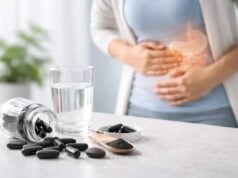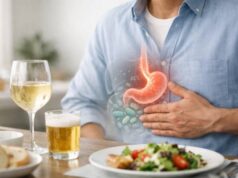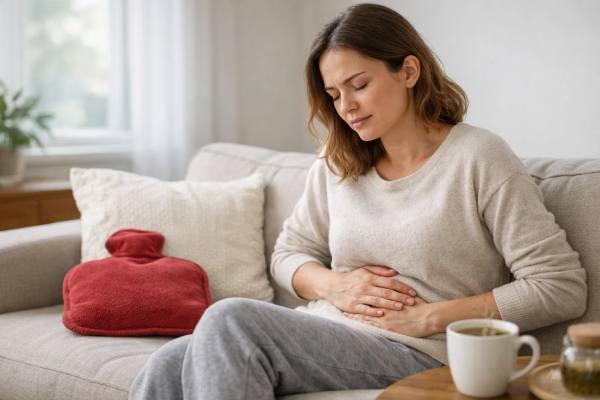
Period bloating can feel like your body changes shape overnight: jeans that fit yesterday suddenly pinch, your abdomen feels tight after small meals, and gas seems harder to pass. While it is often dismissed as “normal,” there are real, understandable reasons it happens—and practical ways to reduce it. Hormone shifts can change fluid balance, gut motility, and how sensitive your intestines feel to stretching. Prostaglandins (the same chemicals involved in cramps) can also affect the bowel, sometimes causing diarrhea, sometimes leaving you constipated and gassy. The result is a pattern that is predictable once you learn your timing: what happens in the days before bleeding often differs from what happens on days 1–3 of your period. This guide explains why period-related bloating happens, how constipation and IBS overlap, what tends to help quickly, and when bloating should prompt medical evaluation.
Top Highlights
- Tracking timing across two cycles often reveals whether your bloating is fluid-driven, constipation-driven, or fermentation-driven.
- Small, targeted changes in the 3–5 days before your period can reduce peak bloating more than “fixes” started after symptoms flare.
- Gentle movement, heat, and posture changes often relieve pressure within 30–60 minutes when gas is trapped.
- New severe pain, persistent vomiting, blood in stool, fever, or bloating that does not improve after your period deserves medical evaluation.
- A simple pre-period plan that prioritizes hydration, soluble fiber, and regular meals can prevent the “constipation spiral” that worsens distension.
Table of Contents
- Why period bloating happens
- Hormones prostaglandins and fluid shifts
- Constipation and slow gut transit
- IBS endometriosis and other overlaps
- Fast relief strategies that work
- Prevention plan for next cycle
- When to seek medical care
Why period bloating happens
Bloating during your period is usually a blend of two experiences: a sensation (pressure, tightness, fullness) and sometimes an objective change (your abdomen visibly expands). It helps to separate these, because they respond to different strategies. Some people truly retain more fluid and feel puffy everywhere. Others mainly experience gut-based distension—gas trapped behind slow transit, or the abdominal wall relaxing in response to normal intestinal stretching.
A useful first question is: when does it peak? Many people feel most bloated in the late luteal phase (the days before bleeding), then notice a shift once bleeding starts. Others feel relatively fine pre-period and bloat most on days 1–3, when cramps and bowel changes are strongest. This timing matters because the drivers change across the cycle.
Common patterns include:
- “Puffy all over” bloating (fluid shift): rings feel tight, ankles swell slightly, breasts feel tender, and your abdomen feels generally heavy. This often peaks before bleeding and improves as the period progresses.
- “Balloon belly” bloating (distension): your abdomen looks rounded, pressure builds as the day goes on, and relief follows passing stool or gas. This often points to constipation, slowed motility, or gas retention.
- “Cramps plus urgency” bloating: you feel swollen and unsettled, with looser stools or urgent bowel movements. This pattern often reflects prostaglandin effects on the bowel, especially early in the period.
- “Sensitive gut” bloating: small meals feel too big, and discomfort is disproportionate to what you ate. This can be driven by visceral hypersensitivity, stress, poor sleep, or underlying IBS.
Another key point is that bloating is often a cascade, not one cause. For example, pre-period fatigue may reduce activity, which slows transit. Slower transit makes fermentable foods feel “intolerable,” which increases gas, which increases pressure—and now the whole episode feels hormonal even though the root cause is motility plus fermentation.
If you want a quick, low-effort way to clarify your pattern, track three items for two cycles: (1) days relative to bleeding, (2) bowel movements and stool form, and (3) whether bloating is whole-body puffiness or mainly abdominal distension. That small dataset often reveals the most effective next step.
Hormones prostaglandins and fluid shifts
Your menstrual cycle is a moving target for the gut. Estrogen and progesterone influence digestion, pain sensitivity, and water balance, and the sharp hormonal drop right before bleeding can change how your body feels over just 24–48 hours.
Progesterone and the “slowdown” effect
In the second half of the cycle, progesterone is higher. For many people, this is the phase where stool becomes harder to pass, transit slows, and gas feels trapped. The “slower gut” effect does not happen to everyone, but it is common enough that constipation-related bloating is a classic pre-period complaint. When stool moves slowly, the colon spends more time absorbing water, making stool firmer and leaving less room for gas to move.
Estrogen changes and gut sensitivity
Estrogen can affect pain processing and gut-barrier signaling. Some people notice that gut sensations feel louder around hormonal shifts—meaning normal stretching after meals is perceived as uncomfortable pressure. If you have IBS, this sensitivity can be even more noticeable across the cycle.
Prostaglandins and bowel changes
Prostaglandins help the uterus contract to shed the lining, but they can also stimulate the bowel. That is why some people experience looser stools or diarrhea on the first days of bleeding. However, prostaglandin effects are not uniform: cramps, nausea, and reduced appetite can also lead to less intake of fluid and fiber, which can worsen constipation later in the period. In other words, diarrhea early does not rule out constipation-driven bloating later.
Why you can feel “waterlogged”
Period-related bloating is not just gas. Hormone shifts can influence how the body handles sodium and water. That can show up as generalized puffiness, breast tenderness, and a heavier abdominal feeling even if your gut is not producing extra gas. In these cases, the most effective strategies are often the least dramatic: steady hydration, avoiding large sodium spikes, and keeping movement consistent.
A practical way to match treatment to the driver
- If you feel swollen everywhere, focus on steady fluids, consistent meals, and avoiding very salty swings.
- If distension worsens by evening and improves after a bowel movement, focus on constipation prevention and gas clearance.
- If the first days of bleeding bring urgent stools and cramping, focus on gentle foods, warmth, and avoiding known triggers (especially carbonation and sugar alcohols).
Your body is not “random.” It is responding to a predictable physiologic shift. The goal is to anticipate the shift rather than chase it.
Constipation and slow gut transit
Constipation is one of the most overlooked causes of period bloating, partly because many people define constipation as “not going.” In reality, you can have daily bowel movements and still be constipated if evacuation is incomplete or stool is consistently hard and difficult to pass.
Signs that constipation is driving your bloating
Consider constipation a key driver if you notice:
- Bloating builds through the day and you wake up flatter
- You strain, feel incomplete emptying, or sit on the toilet for a long time
- Stools are small, hard, or pellet-like
- Passing stool or gas reliably reduces pressure
- Your appetite drops because you feel “backed up”
A simple, highly useful habit is to track stool form during the week before your period. If stools become harder or less frequent in that window, the hormonal shift is likely slowing transit—and prevention becomes easier than rescue.
Why “just eat more fiber” can backfire
Fiber can help, but timing and type matter. If you are already bloated and constipated, rapidly adding coarse fiber (bran, large raw salads, fiber bars) can increase gas and pressure. Many people do better with soluble fiber and gradual changes. Think oats, chia, psyllium, or well-cooked vegetables rather than abrupt high-roughage meals.
A more comfortable approach is a slow ramp:
- Add one soluble-fiber serving daily for 3–4 days
- Increase only if bloating does not worsen
- Pair fiber with consistent fluids
Pelvic floor coordination and incomplete evacuation
Some people struggle not because stool is hard, but because the muscles that coordinate evacuation do not relax properly. Clues include a “stuck” sensation, repeated attempts, or needing unusual maneuvers to empty. In these cases, pushing harder often makes things worse. Targeted evaluation and pelvic floor therapy can reduce bloating by improving emptying rather than changing diet alone.
Short-term support when constipation is significant
If constipation spikes around your period, it is reasonable to discuss short-term options with a clinician, especially if lifestyle measures are not enough. Gentle stool-softening strategies can prevent the cycle of gas trapping and distension. The key is safety: persistent constipation, severe pain, or new changes should not be managed indefinitely with trial-and-error.
When period bloating improves after a complete bowel movement, you have a strong signal: preventing constipation in the pre-period window may be your most effective long-term solution.
IBS endometriosis and other overlaps
For many people, period bloating is not a standalone issue. It overlaps with IBS, pelvic pain conditions, and mood changes that affect the gut’s sensitivity. Recognizing these overlaps can prevent years of “I guess this is just my body.”
IBS and cycle-linked symptom flares
IBS symptoms commonly fluctuate across the menstrual cycle. You may notice more constipation pre-period, more diarrhea on day 1–2, or amplified pain and bloating during bleeding even when stool patterns are unchanged. This is not because IBS is “in the uterus.” It is because hormone shifts and prostaglandins can change motility and pain processing, and the gut can become more reactive during physiologic stress.
If you have IBS, two strategies often help more than rigid restriction:
- Keep meals predictable during the high-symptom window (smaller, less fatty, lower carbonation)
- Use time-limited, structured experiments (for example, reducing the biggest fermentable triggers for 7–10 days around your period rather than forever)
Endometriosis and “bloating that does not fit the food”
Endometriosis can cause bloating, constipation, diarrhea, and pain that worsens around periods. The bloating may feel disproportionate to what you ate and may come with pelvic pain, painful sex, pain with bowel movements, or difficulty conceiving. Not everyone has classic symptoms, and some people are told for years that it is “just IBS.”
A practical rule: if bloating reliably clusters with significant pelvic pain, painful bowel movements during menses, or symptoms that worsen cycle after cycle, it is reasonable to ask about evaluation for endometriosis or other pelvic causes.
Premenstrual mood shifts can amplify gut symptoms
Stress, anxiety, and low mood can heighten visceral sensitivity, making the gut feel more bloated even without a large change in gas volume. This does not mean symptoms are psychological; it means the nervous system is part of the gut’s control system. If your bloating tracks irritability, insomnia, or mood swings, addressing sleep and stress regulation may reduce gut symptoms as much as diet changes.
Other conditions to keep on the radar
While less common, persistent or severe bloating can be linked to thyroid disorders, inflammatory bowel disease, ovarian cysts, or medication effects. The goal is not to worry about rare causes, but to recognize when the pattern is no longer “typical period bloating,” such as bloating that progressively worsens month to month, continues well after bleeding ends, or comes with weight loss, fever, or blood in stool.
When you name the overlap correctly—IBS flare, constipation spike, pelvic pain condition—you stop trying random fixes and start using strategies that match the mechanism.
Fast relief strategies that work
When period bloating hits, you usually want relief today, not a long lecture. The fastest strategies focus on three levers: moving gas forward, easing spasm and sensitivity, and reducing the immediate “bloat load” from food and fluid choices.
Start with a 30 to 60 minute reset
Try this sequence when you feel tight and distended:
- Change posture and decompress. Loosen waistbands and avoid slumping, which compresses the abdomen.
- Gentle movement for 10–15 minutes. A relaxed walk is one of the most reliable ways to improve motility and gas clearance. If walking is not possible, try slow marching in place or gentle hip circles.
- Heat for cramps and pressure. A warm pack over the lower abdomen can relax smooth muscle and reduce the pain-bloat cycle.
- Diaphragmatic breathing for 3–5 minutes. Slow breathing with a longer exhale can reduce the “pressure alarm” response that makes bloating feel worse.
Many people feel a noticeable shift from these steps alone, especially when gas is trapped.
Food choices that calm bloating quickly
For the next meal or two, aim for low-volume, lower-fermentation, moderate-fat choices:
- Warm, cooked foods over large raw salads
- Smaller portions spaced out rather than one large meal
- Less carbonation and fewer sugar-free products
- Moderate fat rather than very high-fat meals, which can worsen heaviness
If you suspect constipation, do not respond by skipping meals. Regular meal timing supports motility; long gaps often worsen the slowdown.
Targeted over-the-counter options
Some people benefit from simple symptom tools:
- Simethicone for gas discomfort (help varies, but it is generally well tolerated)
- Peppermint preparations for spasm in some people (avoid if reflux is a major issue)
- Hydration support if you are also having loose stools (small sips more often can feel better than chugging)
If constipation is a major driver, the “fast” solution is not harsh stimulation; it is gentleness and predictability. A warm drink in the morning, a short walk after meals, and unhurried bathroom time can be more effective than forcing an aggressive fix.
Common mistakes that prolong the episode
- Adding a large fiber supplement suddenly when you are already bloated
- Trying to “burp it out” with carbonated drinks
- Doing intense core workouts while very distended
- Cutting whole food groups permanently after one bad day
Fast relief is about reducing pressure, restoring movement, and keeping inputs calm. Once symptoms settle, you can shift to prevention so you are not repeating the same rescue cycle each month.
Prevention plan for next cycle
The most effective period-bloating strategy usually starts before you feel bloated. Think of it as a short “pre-period gut protocol” rather than a lifestyle overhaul. A prevention plan is especially helpful if your bloating is predictable and peaks in the same window each cycle.
Build a 5-day pre-period routine
For many people, the sweet spot is the 3–5 days before bleeding:
- Keep hydration steady. Fluctuating between “barely drinking” and “overcorrecting” can worsen both constipation and water retention.
- Prioritize soluble fiber daily. Oats, chia, psyllium, and well-cooked vegetables tend to be better tolerated than abrupt roughage increases.
- Move every day, even briefly. A 15–25 minute walk supports transit and reduces the chance of gas trapping.
- Avoid big sodium swings. You do not need a low-salt diet, but large salty meals can magnify puffiness for some people.
- Keep meals regular. Skipping meals can slow motility and lead to larger rebound meals that worsen pressure.
Use “targeted reduction” instead of blanket restriction
If fermentation triggers are part of your bloating, consider a short, focused reduction during your high-symptom window rather than a long-term strict diet. Common short-term targets include:
- Large onion and garlic servings
- Sugar alcohols in sugar-free products
- Very large fruit portions or fruit-heavy smoothies
- Carbonation
Once the window passes, reintroduce normally. This approach protects dietary variety while still reducing peak symptoms.
Support the nervous system piece
Bloating often worsens when sleep is short and stress is high. Small, consistent steps can reduce gut sensitivity:
- A regular sleep schedule during the pre-period week
- A brief wind-down routine (light stretching or calm breathing)
- Gentle movement after meals instead of collapsing into a slumped position
If mood symptoms are significant and cluster with GI symptoms, discuss that pattern with a clinician. Addressing premenstrual mood and sleep issues can reduce GI symptoms more than any single supplement.
Know when your plan needs updating
If your bloating is getting worse each month, lasting well beyond your period, or beginning for the first time in a major way, prevention alone is not enough. That is a signal to evaluate for constipation severity, IBS, pelvic pain conditions, or other contributors.
A good prevention plan should feel doable, not punishing. When it is working, you will notice fewer “surprise” bloating days, less evening distension, and a faster return to baseline once bleeding starts.
When to seek medical care
Period bloating is common, but not all bloating should be treated as routine. The purpose of medical evaluation is to rule out conditions that need specific treatment and to prevent you from cycling through restrictive diets or supplements without answers.
Seek urgent care if bloating comes with red flags
Get prompt medical attention if you have bloating plus any of the following:
- Severe or worsening abdominal pain, especially if it is localized to one side
- Persistent vomiting or inability to keep fluids down
- Fever, fainting, or signs of dehydration
- Blood in stool, black tarry stools, or vomiting blood
- Chest pain, shortness of breath, or severe weakness
- A rigid, very tender abdomen or inability to pass stool or gas with escalating pain
These symptoms are not explained by typical period bloating and should be assessed quickly.
Consider evaluation if the pattern changes
It is reasonable to schedule a clinician visit if:
- Bloating persists beyond your period for most cycles
- Symptoms are progressively worsening month to month
- You develop new bowel habit changes that last more than a few weeks
- You have unexplained weight loss, loss of appetite, or fatigue
- You have significant pelvic pain, pain with sex, or pain with bowel movements during your period
If you suspect endometriosis or severe constipation, earlier evaluation can save years of frustration.
How to prepare for a productive visit
Bring a short symptom log (10–14 days is enough):
- Cycle day and bleeding days
- Bloating timing (immediate after meals vs later; worse morning vs evening)
- Stool frequency and form, plus straining or incomplete emptying
- Key triggers (carbonation, high-fat meals, sugar-free products, large garlic-onion meals)
- Any new medications, supplements, or dose changes
This helps your clinician quickly identify whether the likely driver is constipation, IBS-related sensitivity, a pelvic condition, or another medical issue. It also reduces the chance of unnecessary testing, because your pattern guides the next best step.
If you feel dismissed, remember this: period-related bloating is common, but persistent, painful, or disruptive bloating is still worth treating. You deserve a plan that improves your daily function, not just reassurance.
References
- AGA Clinical Practice Update on Evaluation and Management of Belching, Abdominal Bloating, and Distention: Expert Review – PubMed 2023 (Practice Update)
- ACG Clinical Guideline: Management of Irritable Bowel Syndrome – PubMed 2021 (Guideline)
- American Gastroenterological Association-American College of Gastroenterology Clinical Practice Guideline: Pharmacological Management of Chronic Idiopathic Constipation – PMC 2023 (Guideline)
- Gastrointestinal functioning and menstrual cycle phase in emerging young adult women: a cross-sectional study – PMC 2023
- Mood symptoms and gut function across the menstrual cycle in individuals with premenstrual syndrome – PubMed 2024
Disclaimer
This article is for educational purposes and does not replace individualized medical advice, diagnosis, or treatment. Bloating during your period is often related to normal hormone shifts, changes in bowel motility, and fluid balance, but it can also signal conditions that require evaluation. Seek urgent care if bloating is accompanied by severe pain, persistent vomiting, fever, fainting, black tarry stools or blood in stool, shortness of breath, or rapid worsening. Do not stop prescribed medications without guidance from a qualified clinician.
If you found this helpful, consider sharing it on Facebook, X (formerly Twitter), or any platform you prefer so others can recognize patterns and get timely care.