Blue cheese divides opinion for a reason: it is one of the most expressive cheeses you can buy. From crumbly, peppery Stilton to buttery Gorgonzola Dolce and cave-aged Roquefort, its blue-green veins deliver a savory punch that lifts simple food—steak, salads, burgers, pears, even honeyed toast. Nutritionally, blue cheese is dense in high-quality protein and calcium, with notable vitamin B12 and riboflavin. It is also salty and high in saturated fat, so portions matter. Safety-wise, pasteurization, aging conditions, and storage make a difference; people at higher risk of foodborne illness should take specific precautions. This guide offers a clear, people-first overview: what blue cheese is, how it is made, the full nutrition profile (per 100 g, with % Daily Value), evidence-based benefits and risks (including tyramine and histamine for those on MAOIs or with intolerance), how to shop and store for best quality, the smartest cooking techniques to retain nutrients and flavor, and realistic portions with comparisons and answers to common questions.
Top Highlights
- Rich in complete protein and calcium; also provides vitamin B12 and riboflavin.
- High in sodium and saturated fat; choose modest portions and balance the rest of the meal.
- Typical serving: 28 g (1 oz), enjoyed 1–3 times per week within a balanced diet.
- Avoid unpasteurized blue cheese during pregnancy; those on MAOIs or with histamine intolerance should limit or avoid.
Table of Contents
- Blue cheese explained: types and making
- Blue cheese nutrition profile (per 100 g)
- Evidence-based benefits of blue cheese
- Risks, allergies and interactions
- Buying, quality, sustainability and storage
- Cooking with blue cheese and nutrient retention
- Portions, comparisons and FAQs
Blue cheese explained: types and making
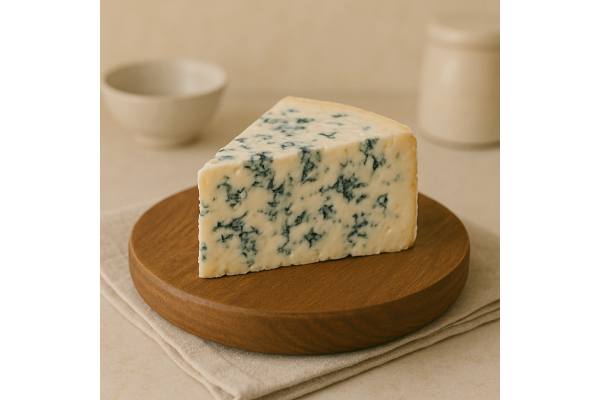
Blue cheese is a family of rindless or lightly rinded cheeses characterized by blue-green veins formed by specific molds, most commonly Penicillium roqueforti (Roquefort, Gorgonzola, Danablu, Cabrales) or Penicillium glaucum (some Gorgonzola styles). Styles range from firm and piquant to soft and buttery, depending on milk type (cow, sheep, or goat), moisture, salt, and aging time.
How it is made—clear and simple:
- Milk selection and pasteurization. Cheesemakers choose cow, sheep, or goat milk. Many products use pasteurized milk for safety and consistency; some traditional PDO cheeses may use raw milk under strict controls.
- Starter culture and rennet. Lactic bacteria acidify the milk. Rennet coagulates it into curds.
- Blue mold addition. P. roqueforti or P. glaucum spores are added to the milk or sprinkled on curds.
- Cutting, draining, salting. Curds are ladled, lightly pressed or allowed to knit, then salted to draw out moisture and control microbes.
- Needling. Stainless steel needles pierce the cheese to create oxygen channels. The blue molds require oxygen to grow and form characteristic veins.
- Ripening. Aging occurs from a few weeks to several months at cool temperatures and high humidity. Enzymes from the mold and native microbes break down fats (lipolysis) and proteins (proteolysis), generating buttery, peppery, and “blue” aromas (methyl ketones) and a creamy texture.
Flavor spectrum by style:
- Gorgonzola Dolce (Italy): young, creamy, mild, spoonable; great for sauces and pizza.
- Stilton (UK): firmer, crumbly, savory-sweet, well-defined blue marbling; excellent for salads and after-dinner cheese boards.
- Roquefort (France): sheep’s milk, moist and sharp, mineral-salty with a lingering finish; superb with pears, figs, and honey.
- Danablu (Denmark) and American blue: assertive, balanced salt, versatile for burgers and dressings.
What makes blue cheese unique nutritionally and culinarily: the long ripening and blue molds develop intense umami compounds and a concentrated nutrient profile. A little goes a long way—use as a condiment rather than a main course to add savor while moderating sodium and saturated fat.
Everyday ways to use it well:
- Crumble over bitter greens with a citrus vinaigrette to cut richness.
- Melt into a pan sauce for steak or mushrooms.
- Mash with Greek yogurt for a lighter dip.
- Pair with fruit (pear, apple, grapes), toasted nuts, and whole-grain bread to balance salt and fat.
Blue cheese nutrition profile (per 100 g)
Below are typical values for traditional, non-fortified blue cheese. Actual numbers vary by milk, salt level, and aging. % Daily Value (%DV) uses U.S. Nutrition Facts label DVs for adults.
Macros and electrolytes (per 100 g)
| Nutrient | Amount | %DV* |
|---|---|---|
| Energy | 353 kcal | — |
| Water | 42.0 g | — |
| Protein | 21.4 g | 43% |
| Total fat | 28.7 g | 37% |
| Saturated fat | 18.7 g | 94% |
| Carbohydrate | 2.3 g | 1% |
| Total sugars | 0.5 g | — |
| Dietary fiber | 0 g | 0% |
| Sodium | 1,150 mg | 50% |
| Potassium | 250 mg | 5% |
| Cholesterol | 75 mg | 25%† |
Fats and fatty acids (per 100 g)
| Component | Amount | %DV |
|---|---|---|
| Total fat | 28.7 g | 37% |
| Saturated fatty acids | 18.7 g | 94% |
| Monounsaturated fatty acids | 7.8 g | — |
| Polyunsaturated fatty acids | 0.8 g | — |
| Trans fat | trace | — |
Protein and amino acids (per 100 g)
| Component | Amount | Notes |
|---|---|---|
| Protein | 21.4 g | Complete protein; rich in leucine, lysine, and tryptophan |
| Bioactive peptides | — | Formed during ripening; may influence blood pressure and satiety (emerging research) |
Vitamins (per 100 g)
| Vitamin | Amount | %DV |
|---|---|---|
| Vitamin A (RAE) | 200 µg | 22% |
| Vitamin B12 (cobalamin) | 1.0 µg | 42% |
| Riboflavin (B2) | 0.4 mg | 31% |
| Vitamin B6 | 0.1 mg | 6% |
| Vitamin D | 0.6 µg | 3% |
Minerals (per 100 g)
| Mineral | Amount | %DV |
|---|---|---|
| Calcium | 528 mg | 41% |
| Phosphorus | 387 mg | 31% |
| Zinc | 2.7 mg | 25% |
| Selenium | 14 µg | 26% |
| Magnesium | 23 mg | 5% |
Allergens and intolerance markers
- Contains milk proteins (casein, whey).
- Lactose is typically very low after aging (often <0.5 g/100 g), but amounts vary by make and age.
- Contains biogenic amines (notably tyramine; may also include histamine).
- %DV based on a 2,000-kcal diet and current U.S. Daily Values.
† Cholesterol %DV is shown for comparability; dietary cholesterol is no longer required on some labels but may still be listed.
What these numbers mean in practice: Per 28 g (1 oz), you get ~6 g protein, ~8–9 g fat (about 5 g saturated), ~320–350 mg sodium, and ~150–200 mg calcium. That’s why blue cheese works best as a flavor accent—small amounts add taste and meaningful nutrients.
Evidence-based benefits of blue cheese
1) Dense, high-quality protein for fullness and repair.
Blue cheese provides all essential amino acids, supporting muscle repair, immune function, and satiety. Because it is strongly flavored, small portions can enhance meals without large calorie loads when used strategically (e.g., 1 oz crumbled over a high-fiber salad).
2) Strong calcium and phosphorus for bones and teeth.
Per 100 g, blue cheese offers roughly 41% DV for calcium and 31% DV for phosphorus. These minerals work together in bone remodeling. For people who tolerate dairy, modest habitual intake can help cover daily calcium needs, especially if paired with leafy greens, beans, or calcium-fortified foods.
3) Vitamin B12 and riboflavin for nerves and energy metabolism.
B12 supports red blood cell formation and neurological function; riboflavin helps convert food to energy and supports antioxidant enzymes. Blue cheese offers meaningful amounts of both, making it a useful contributor for people with limited meat or fish intake.
4) Fermented food complexity and culinary “satiety per bite.”
Ripening produces amino acids and aroma compounds that deliver intense umami and aroma, improving meal satisfaction. In practical terms, a little blue cheese can make vegetable-forward meals feel complete. This can help with portion control elsewhere—think roasted vegetables finished with 10–15 g of blue crumbles instead of heavy cream sauces.
5) Potential bioactive peptides from ripening.
During proteolysis, peptides form that may influence blood pressure or antioxidant status. The evidence is still evolving and highly strain- and product-specific, so treat these as “possible extras,” not guarantees. The main proven wins remain protein, calcium, and B-vitamins.
How to get the benefits without the downsides:
- Keep portions small (1 oz) and add volume with vegetables, legumes, or whole grains.
- Prefer styles you find more flavorful (e.g., Roquefort’s intensity or Stilton’s balance), so you can use less.
- Use blue cheese as a finishing ingredient (crumbled or whisked into a yogurt-based dressing) to maximize flavor at minimal amounts.
Who benefits most: people seeking a savory boost for vegetable dishes; those needing convenient calcium and B12 sources; omnivores and lacto-ovo vegetarians who tolerate dairy and enjoy bold flavors.
Risks, allergies and interactions
1) Food safety: pasteurization and high-risk groups.
Soft and semi-soft cheeses have higher moisture and are more likely to harbor Listeria monocytogenes if made from unpasteurized milk or handled unsafely. Pregnant individuals, older adults, and people with weakened immunity should avoid unpasteurized blue cheese and consider eating blue cheese only if it is pasteurized and heated until steaming (74–75°C / 165°F) as part of a cooked dish. Store bought, pasteurized, sealed blue cheese kept cold and consumed promptly is the safer choice for most people.
2) Tyramine and MAOIs.
Blue cheese can contain high tyramine, a biogenic amine formed during ripening. People taking monoamine oxidase inhibitors (MAOIs) for depression or Parkinson’s disease should follow a low-tyramine diet; consuming aged cheeses like blue cheese can precipitate a hypertensive crisis. If you take linezolid (an antibiotic with MAOI-like effects), the same caution applies.
3) Histamine and intolerance.
Fermented cheeses, including blue, may contain histamine. Individuals with histamine intolerance (or DAO enzyme deficiency) can experience flushing, headache, hives, or GI discomfort. Sensitivity varies; if you react, avoid or test tolerance under medical guidance.
4) Sodium and saturated fat.
Blue cheese is salty (about 300–350 mg per 1 oz) and high in saturated fat (~5 g per 1 oz). For cardiovascular risk reduction, moderate portions and balance the rest of the meal: emphasize unsalted foods, high-potassium produce, legumes, and unsaturated fats (olive oil, nuts) to keep overall dietary patterns heart-smart.
5) Milk allergy and lactose intolerance.
Blue cheese contains milk proteins and is unsafe for those with IgE-mediated milk allergy. For lactose intolerance, aged cheeses typically have very low lactose due to fermentation and aging. Many lactose-intolerant people tolerate small portions of aged cheese, but responses differ—start small and assess.
6) Mold concerns and mycotoxins.
The blue molds used in cheesemaking are domesticated strains selected for desirable flavor and minimal toxin production. However, blue cheeses can contain biogenic amines and trace specialized metabolites; regulated mycotoxins (like aflatoxins) are concerns mainly for contaminated milk or non-cheese molds. Buy from reputable producers, keep cold, and respect use-by dates. Discard cheese with unusual surface growth (e.g., fuzzy pink/black molds), strong ammonia, or sticky/slimy texture.
Practical safety checklist:
- Choose pasteurized blue cheese unless you fully understand the risks of raw-milk cheeses.
- Keep at ≤4°C (≤40°F); wrap well; avoid cross-contamination at the deli slicer.
- For at-risk groups (pregnancy, immunocompromised, adults 65+): opt for pasteurized blue cheese cooked hot in dishes, or choose hard cheeses instead.
Buying, quality, sustainability and storage
How to select a great blue cheese
- Check the milk and age. Cow’s milk blues (e.g., Stilton) are versatile; sheep’s milk (Roquefort) is richer and tangier. Younger cheeses taste creamier and milder (Gorgonzola Dolce); longer aging intensifies salt and spice.
- Look for even marbling and fresh aroma. Veins should be blue-green without large black patches. Smell should be clean, savory, and slightly mushroomy—not ammonia-sharp or sour.
- Rind and packaging. Most blue cheeses are foil-wrapped. Avoid leaking whey or excessive moisture in the package. At the cheese counter, ask for a fresh cut and the make/pack dates.
- Pasteurized vs. raw. Pasteurized cheeses suit most shoppers. If you choose a raw-milk blue (where legal), buy from reputable producers and keep cold; high-risk individuals should avoid raw-milk blues entirely.
Sustainability pointers
- PDO/PGI systems (e.g., Roquefort, Stilton, Gorgonzola) codify practices that often support regional economies and biodiversity.
- Animal welfare and feed. Producers who manage pasture quality and animal health can influence milk composition and environmental footprint. Look for certifications or farm transparency.
- Food waste minimization. Because blue cheese is intense, small amounts stretch far—buy in small wedges to avoid spoilage.
Storage and shelf life
- Rewrapping: After opening, rewrap tightly in cheese paper or parchment plus a loose foil layer. Avoid plastic wrap directly on the surface for long periods; it traps moisture and can cause off-flavors.
- Temperature: Refrigerate at 2–4°C (35–39°F). Store in a produce drawer or cheese box to reduce odor transfer.
- Duration: Once opened, most blue cheeses keep 5–7 days with good wrap and cold storage; some firmer styles last longer.
- Freezing: Possible for cooking use: portion in small blocks, wrap well, and freeze up to 2 months. Texture becomes crumblier; flavor remains intense. Thaw in the refrigerator.
- Signs to discard: strong ammonia, sliminess, pink or black fuzz, or unusual bitterness. When in doubt, err on the side of safety.
Smart shopping tips
- Buy smaller wedges and replenish more often.
- If salt-sensitive, taste before buying; some styles (Gorgonzola Dolce) run lower in salt than intensely aged types.
- Compare labels for sodium and milk source; differences are meaningful.
Cooking with blue cheese and nutrient retention
Blue cheese melts and emulsifies beautifully, but its flavor and nutrition benefit most from low-to-moderate heat and finishing techniques.
Heat and nutrients—what to expect
- Protein and minerals (calcium, phosphorus): Heat-stable; minimal loss in typical cooking.
- B-vitamins (B12, riboflavin): Sensitive to prolonged high heat. Short cooking or adding at the end preserves more.
- Fat-soluble vitamins (A, D): Reasonably stable but can degrade with extended high heat.
- Sodium and saturated fat: Unaffected by cooking—portion control remains key.
Techniques that keep flavor high and losses low
- Finish, don’t boil. Stir crumbles into hot dishes off heat (risotto, polenta, sautéed greens). The residual heat melts cheese without simmering it to death.
- Create emulsified sauces. Whisk blue cheese with a splash of hot pasta water or stock plus olive oil to disperse flavor. This reduces the total cheese needed per portion.
- Use yogurt to lighten. For dressings or dips, combine Greek yogurt with a small amount of blue cheese, lemon, and pepper; tang plus protein, less saturated fat.
- Grill and glaze. On burgers or portobello caps, add blue cheese only for the last 30–60 seconds under a lid to melt gently.
- Balance plates. Pair with high-potassium sides (roasted potatoes, leafy greens, beans) and acids (lemon, vinegar) to balance salt and richness.
Five quick applications (portion-smart)
- Pear, walnut and arugula salad: 15 g blue cheese crumbled; lemon-olive oil dressing.
- Steak with blue pan sauce: Deglaze with stock, whisk in 20 g blue cheese off heat.
- Blue cheese butter (compound): 10 g blue, 10 g butter, parsley; freeze in coins for controlled uses.
- Warm veggie bowl: Roast broccoli and sweet potato; toss hot with 15 g blue cheese and vinegar.
- Whole-grain flatbread: Brush with olive oil, scatter 20 g blue cheese and grapes; bake briefly.
Food safety in cooked dishes
For at-risk groups, ensure the cheese is heated to steaming (≥74°C/165°F) inside the dish. Store leftovers promptly and reheat thoroughly once; avoid repeated rewarming.
Portions, comparisons and FAQs
Recommended portion and frequency
A practical portion is 28 g (1 oz)—about two tablespoons crumbled or a small wedge. Most people can enjoy blue cheese 1–3 times per week when the rest of the diet is rich in vegetables, legumes, whole grains, nuts, and unsalted foods.
How it compares to other cheeses (per 28 g)
- Blue vs. feta: Blue is typically higher in calories, saturated fat, and sodium but offers more calcium and often more B12. Feta is tangier and usually saltier by weight if brined.
- Blue vs. cheddar: Similar calories; blue often has more sodium and a more intense flavor, so smaller amounts suffice.
- Blue vs. goat cheese (chèvre): Fresh goat cheese is lower in fat and sodium per ounce but not aged; blue has richer umami and less lactose.
- Blue vs. Parmesan: Parmesan is hard, very flavorful, and lower in moisture; both are salty, but you generally use less Parmesan by weight for the same flavor hit.
Portion-control strategies
- Crumble finely so it disperses; measure 10–20 g rather than eyeballing.
- Pair with bulky, low-sodium foods (leafy greens, cucumbers, apples).
- Use yogurt-blue dressings to stretch flavor.
FAQs
Is blue cheese safe during pregnancy?
Choose pasteurized products and, for extra caution, eat them cooked hot. Avoid unpasteurized blue cheese and deli-sliced cheeses kept cold.
Does blue cheese contain lactose?
Typically very low due to fermentation and aging. Many lactose-intolerant individuals tolerate small portions; test your own tolerance gradually.
Why does blue cheese taste “spicy” or “peppery”?
Blue molds produce methyl ketones and other compounds that create the hallmark aroma and slight “bite,” especially in drier, longer-aged styles.
Can I eat the rind?
Most blue cheeses are foil-wrapped and rindless or have a thin, edible natural rind; if present and clean, it is safe to eat. Avoid rinds with unusual colors (pink, black fuzz) or off odors.
What wines and pairings work?
Sweet or fruity pairings balance salt and pungency: Sauternes, Port, late-harvest Riesling, honey, ripe pears, roasted figs, toasted walnuts.
Budget tip:
Buy crumbles or ask for end cuts at the cheese counter; the flavor is the same, and you can freeze small blocks for cooking.
References
- How Listeria Spread: Soft Cheeses and Raw Milk | Listeria Infection | CDC 2025 (Guidance)
- Listeria (Food Safety for Moms-to-Be) | FDA 2025 (Guidance)
- A Comprehensive Review on the Biogenic Amines in Cheeses: Their Origin, Chemical Characteristics, Hazard and Reduction Strategies 2024 (Systematic Review)
- Lactose Residual Content in PDO Cheeses: Novel Inclusions for Consumers with Lactose Intolerance 2021 (Review)
- Different metabolite profiles across Penicillium roqueforti populations associated with ecological niche specialisation and domestication 2024 (Research)
Disclaimer
This article provides general nutrition and food-safety information for educational purposes. It is not a substitute for personalized medical advice, diagnosis, or treatment. If you are pregnant, immunocompromised, managing cardiovascular risk, taking MAOIs or linezolid, or have food allergies or histamine intolerance, speak with a qualified healthcare professional before changing your diet.
If you found this guide useful, consider sharing it with friends or colleagues on Facebook, X (formerly Twitter), or your preferred platform. Your support helps us keep creating practical, evidence-based food resources. Thank you.