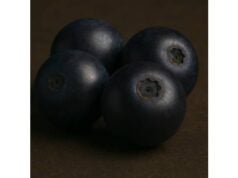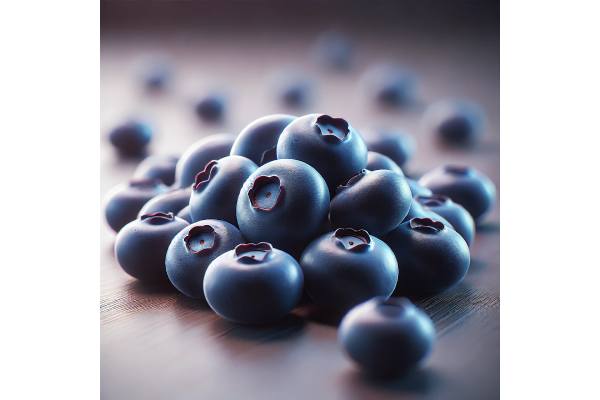
Blueberries punch well above their size. This small, sweet berry delivers fiber, vitamin C, vitamin K, and manganese—plus a dense package of polyphenols called anthocyanins that give blueberries their deep blue color. Together, these nutrients support heart and blood vessel health, gentle blood sugar response compared with many sweet snacks, and everyday cognitive performance. In the kitchen, blueberries are one of the most versatile fruits you can buy: toss them into yogurt, fold into pancake batter, simmer into a quick compote, or freeze for smoothies with zero prep. Fresh berries keep for several days when stored dry and chilled, and frozen berries retain most of their nutrition year-round. A typical serving is one cup (about 150 g), which fits easily into breakfast or a snack. Below, you will find a practical, evidence-based guide—what to know about nutrients per 100 g, the strongest health benefits, who should take care, and how to select, prep, and store blueberries to get the best flavor and value.
Top Highlights
- One cup (150 g) daily is a research-tested amount that supports cardiovascular markers and fits into most eating patterns.
- Polyphenols—especially anthocyanins—are key bioactives linked to vascular, metabolic, and cognitive benefits.
- Safety note: people taking warfarin should keep vitamin K intake consistent; rinse berries well to reduce residues.
- A practical serving is 100–150 g (⅔–1 cup), most days of the week as part of a balanced diet.
- Limit or avoid if you have salicylate sensitivity, are on strict low-fiber protocols, or have been advised to restrict berries temporarily.
Table of Contents
- What Blueberry Is and Why It Matters
- Blueberry Nutrition Profile (per 100 g)
- Evidence-Based Health Benefits of Blueberry
- Risks, Allergies and Interactions
- Selecting Quality Blueberries, Sustainability and Storage
- Preparation, Cooking and Nutrient Retention
- Portions, Comparisons and FAQs
What Blueberry Is and Why It Matters
Blueberries (Vaccinium species) are members of the heath family, related to cranberries and bilberries. Most supermarket blueberries are “highbush” cultivars bred for consistent size and sweetness; smaller “lowbush” or wild types tend to have a more intense color and often a higher concentration of certain polyphenols. What unites them is a concentrated spectrum of anthocyanins—the pigment compounds responsible for the blue-purple hue. These polyphenols help plants handle oxidative stress and UV exposure; in humans, they participate in cell-signaling pathways that influence vascular tone, inflammation, and glucose handling.
Nutritionally, blueberries are low in calories (about 57 kcal per 100 g) and provide modest fiber (around 2.4 g per 100 g), vitamin C, vitamin K, and manganese. That makes them useful for rounding out breakfasts, snacks, and desserts without a large calorie load. They also have a gentle glycemic impact for most people when eaten as part of a mixed meal, in part because of their fiber and the “fruit matrix,” which slows sugar absorption compared with juices or refined sweets.
From a culinary perspective, blueberries are remarkably adaptable. Fresh berries bring brightness to savory salads with goat cheese or toasted nuts; they bake cleanly into muffins and quick breads; they can be quickly cooked down into a sauce for oats or swirled into plain yogurt. Frozen berries (often harvested at peak ripeness) blend into smoothies, fold into overnight oats, or simmer into a fruit compote in minutes. Because their flavor is delicate, pairing them with citrus, vanilla, ginger, or warm spices like cinnamon can make the blueberry notes pop.
Blueberries also “scale” well across eating styles. They fit naturally into Mediterranean, DASH, vegetarian, and flexitarian approaches; they help add color, variety, and phytochemicals to children’s lunches; and they offer a fruit option for athletes wanting a quick, portable carbohydrate with supportive polyphenols for recovery.
Finally, a practical point: evidence from human trials most often tests portions around 100–150 g per day (about ⅔–1 cup). You do not need to hit that target every day to benefit, but it’s a realistic benchmark that fits easily into common meals. The sections below explain the detailed nutrition profile, what benefits are best supported by research, and how to select, store, and prepare blueberries to get the most from them.
Blueberry Nutrition Profile (per 100 g)
Below are typical values for raw blueberries per 100 g. Percent Daily Values (%DV) use current U.S. DVs for adults (2,000 kcal diet). Values vary by cultivar, ripeness, and growing conditions, but these ranges are representative for fresh fruit.
Macros and Electrolytes
| Nutrient | Amount (per 100 g) | %DV |
|---|---|---|
| Energy | 57 kcal | — |
| Water | ~84 g | — |
| Carbohydrate | 14.5 g | 5% |
| Dietary Fiber | 2.4 g | 9% |
| Total Sugars (natural) | ~10.0 g | — |
| Protein | 0.7 g | 1% |
| Total Fat | 0.3 g | 0% |
| Saturated Fat | ~0.03 g | 0% |
| Sodium | 1 mg | 0% |
| Potassium | 77 mg | 2% |
Vitamins
| Vitamin | Amount (per 100 g) | %DV |
|---|---|---|
| Vitamin C (ascorbic acid) | 9.7 mg | 11% |
| Vitamin K (phylloquinone) | 19.3 µg | 16% |
| Vitamin E (alpha-tocopherol) | 0.6 mg | 4% |
| Thiamin (B1) | 0.04 mg | 3% |
| Riboflavin (B2) | 0.04 mg | 3% |
| Niacin (B3) | 0.42 mg | 3% |
| Vitamin B6 | 0.05 mg | 3% |
| Folate (DFE) | 6 µg | 2% |
| Vitamin A (RAE) | 3 µg | 0% |
Minerals
| Mineral | Amount (per 100 g) | %DV |
|---|---|---|
| Manganese | 0.34 mg | 15% |
| Copper | 0.06 mg | 6% |
| Iron | 0.28 mg | 2% |
| Calcium | 6 mg | 0% |
| Magnesium | 6 mg | 1% |
| Phosphorus | 12 mg | 1% |
| Zinc | 0.16 mg | 1% |
| Selenium | 0.1 µg | 0% |
Carbohydrates
| Component | Amount (per 100 g) | Notes |
|---|---|---|
| Total available carbohydrate | ~12.1 g | After subtracting fiber |
| Intrinsic sugars | ~10.0 g | Mostly glucose and fructose |
| Starch | ~0 g | Negligible in ripe fruit |
Fats and Fatty Acids
| Component | Amount (per 100 g) | %DV |
|---|---|---|
| Total fat | 0.3 g | 0% |
| Saturated | ~0.03 g | 0% |
| Polyunsaturated (incl. ALA) | trace | — |
| Monounsaturated | trace | — |
Bioactives / Phytonutrients
| Compound Class | Typical Content | Practical Notes |
|---|---|---|
| Anthocyanins (e.g., malvidin, delphinidin glycosides) | often ~80–200 mg per 100 g; higher in some wild types | Concentrations vary widely by cultivar, growing region, and ripeness. Color intensity is a rough proxy. |
| Other polyphenols (flavanols, phenolic acids) | variable | Contribute to antioxidant capacity and gut-microbiome interactions. |
Glycemic and Acid–Base Metrics
- Blueberries have a modest glycemic impact when eaten as part of a mixed meal; whole fruit tends to produce a lower glycemic response than fruit juice.
- Natural acidity is mild; no practical acid–base concerns for healthy individuals.
Footnote: Values reflect typical raw, unfortified blueberries. Frozen blueberries are nutritionally comparable; canned or sweetened products can add sugar and alter vitamin content.
Evidence-Based Health Benefits of Blueberry
Cardiovascular and vascular function. Regular blueberry intake has been tested in controlled trials using portions attainable in daily life. A well-designed, six-month randomized trial in adults with metabolic syndrome used one cup (about 150 g) daily and reported improved endothelial function (better flow-mediated dilation), reduced arterial stiffness, and favorable changes in HDL-related markers. Those vascular effects are clinically relevant because endothelial function and arterial stiffness are upstream drivers of cardiovascular risk. Mechanistically, anthocyanin metabolites interact with nitric oxide pathways in the endothelium, supporting vasodilation.
Glucose handling and metabolic health. In trials with insulin-resistant individuals or those with features of metabolic syndrome, blueberries have shown improvements on select insulin sensitivity indices and lipid particle profiles. Although results vary across studies (differences in dose, form, and baseline health all matter), the direction of effect is encouraging when blueberries replace refined sweets. Importantly, whole blueberries deliver fiber and a slow-release fruit matrix; pairing them with protein (e.g., yogurt) or intact grains further tempers post-meal glucose excursions.
Cognitive performance and healthy aging. Anthocyanin-rich berries have been studied for attention, executive function, and episodic memory. A recent systematic review and meta-analysis focusing on older adults with prior cognitive complaints found modest but significant improvements in episodic memory and language with chronic blueberry intake. These effects are not universal across all cognitive domains, but they point to a supportive role for blueberries alongside sleep, activity, and overall diet quality.
Exercise recovery and inflammation. Pilot studies suggest blueberry polyphenols can help modulate exercise-induced oxidative stress and muscle soreness. While evidence is still developing and magnitudes are small, incorporating blueberries before or after strenuous sessions is a low-risk way to add color, carbohydrate, and polyphenols to an athlete’s routine.
Vision and vascular “micro-benefits.” Observational data link higher anthocyanin intake with certain eye health outcomes over time. These associations don’t prove cause and effect, but they align with anthocyanins’ vascular and antioxidant actions in small vessels that supply the retina and brain.
How much, how often? The most commonly studied daily amount is 100–150 g (⅔–1 cup). Benefits accrue as part of a pattern: consistent intake, replacing nutrient-poor sweets, and combining with other whole foods rich in polyphenols (leafy greens, beans, olive oil) and heart-healthy fats.
What to expect. Effects are typically subtle and build over weeks to months. Blueberries are not a treatment; they complement—not replace—medications and clinical care for blood pressure, glucose, or cognition.
Risks, Allergies and Interactions
Allergies. Blueberry allergy is uncommon and not among the major food allergens. Reactions, when they occur, may involve other berries, birch pollen cross-reactivity, or sensitivity to natural salicylates. Stop eating blueberries and seek medical advice if you experience hives, swelling, wheeze, or gastrointestinal distress after consumption.
Warfarin and vitamin K. Blueberries supply a modest amount of vitamin K. For people taking warfarin, the key is consistency. You do not need to avoid blueberries, but you should aim to keep your overall vitamin K intake steady from week to week and coordinate any diet changes with your clinician, who will adjust dosing based on INR.
Blood sugar management. Whole blueberries have a gentle glycemic profile for most people; however, those using insulin or insulin secretagogues should monitor glucose when changing fruit portions. Avoid blueberry products with added sugars (jams, sweetened dried fruit, sugary yogurts) if you are targeting tighter glycemic control.
Salicylate sensitivity and IBS. Blueberries naturally contain salicylates found in many fruits. Individuals with known salicylate intolerance may need to limit portions. For irritable bowel syndrome, tolerance varies: many people do well with modest amounts of fresh or frozen berries; trial your own tolerance and adjust serving size.
Kidney stones. Compared with high-oxalate foods (spinach, beet greens, certain nuts), blueberries are generally not a top oxalate concern. If you form calcium-oxalate stones, focus on your clinician’s full prevention plan: adequate hydration, consistent dietary calcium with meals, moderate sodium, and prudent portions of higher-oxalate foods. Blueberries can usually fit, but individual advice may differ.
Pesticide residues. Wash berries thoroughly under running water before eating. Rinsing reduces surface residues and microbes. Seasonal and source variability exist across produce; overall, regulatory monitoring shows the vast majority of tested foods meet safety standards. Buying from reputable suppliers, choosing organic when feasible, and rinsing well are reasonable steps.
Choking hazard. Whole berries can be a choking risk for toddlers. For children under four, serve halved or mashed berries per pediatric guidance.
Medication timing. Polyphenol-rich foods can modestly reduce absorption of non-heme iron from plant sources. If you take an iron supplement, separate it from polyphenol-rich meals by a couple of hours unless told otherwise by your clinician.
Selecting Quality Blueberries, Sustainability and Storage
How to choose. Look for berries that are firm, dry, and evenly colored with a grayish “bloom” (the natural waxy film that protects fruit from moisture loss). Avoid containers with dampness, juice stains, shriveled berries, or visible mold. Size is not a quality marker; sweetness varies by cultivar and ripeness rather than diameter.
Fresh vs. frozen. Frozen blueberries are often harvested at peak ripeness and flash-frozen, locking in nutrients and flavor. They are an excellent, cost-effective choice for smoothies, sauces, and baking. Fresh berries shine in salads, parfaits, and snacks where texture matters. Keep both on hand to expand your options and reduce food waste.
Storage.
- Refrigerate unwashed blueberries in a breathable container (the original clamshell works) for up to a week.
- Wash right before eating. Moisture invites spoilage; rinse under cool running water and drain well.
- Revive slightly soft berries by rinsing briefly and patting dry; use promptly in cooked dishes.
- Freeze extras: Spread dry berries in a single layer on a tray, freeze until firm, then transfer to an airtight bag. Use within 8–12 months for best quality.
Sustainability tips.
- Buy in season locally when possible (shorter transport, better flavor).
- Choose frozen to reduce waste and cost in the off-season.
- Minimize packaging by selecting recyclable clamshells and reusing containers.
- Compost stems and spoiled fruit where permitted.
Budget savers.
- Purchase larger bags of frozen berries for a lower unit price.
- Watch for peak-season promotions and freeze portions for later.
- Prioritize recipes that use whole berries (smoothies, oatmeal, yogurt) to avoid added sugars and extra ingredients.
Quality troubleshooting.
- Sour berries? Macerate briefly with citrus zest and a touch of honey, or cook into a quick compote.
- Watery flavor? Roast at high heat (230–240°C / 450–465°F) for 10–12 minutes to concentrate juices.
- Uneven ripeness? Sort and use the softest berries in heat applications; save firm berries for topping.
Preparation, Cooking and Nutrient Retention
Keep it simple for everyday use. Rinse, drain, and enjoy fresh. Stir into plain yogurt, overnight oats, or cottage cheese. Pairing blueberries with protein and fats (e.g., nuts, seeds, dairy, tofu) can increase satiety and slow down the glycemic impact.
Heat and polyphenols. Anthocyanins are moderately heat-sensitive and water-soluble. Short cooking at lower moisture (baking, quick sauté, roasting) tends to retain more color and polyphenols than long boiling. Frozen berries perform well in baked goods and compotes; expect some pigment loss into cooking liquids—which you can capture by serving the juices.
Seven practical ways to cook blueberries while preserving benefits:
- Stovetop compote (5–10 min): Simmer blueberries with a splash of water and lemon zest until just saucy; avoid prolonged boiling.
- Quick roast: High-heat roasting concentrates flavor with limited time exposure; finish with a drizzle of olive oil and thyme for a savory side with chicken or halloumi.
- Fold-in technique for batters: Toss berries lightly with a spoonful of flour before folding into muffin or pancake batter to reduce pigment bleeding and clumping.
- Skillet “burst” berries: Warm in a nonstick skillet until skins just pop; serve over whole-grain waffles or steel-cut oats.
- No-cook parfaits: Layer with Greek yogurt, toasted oats, and chopped nuts to leverage texture and keep heat-sensitive compounds intact.
- Smoothies: Blend with kefir or soy milk and a spoonful of nut butter for a balanced snack. Let frozen berries thaw a few minutes to reduce blender time and pigment oxidation.
- Salads and salsas: Combine fresh blueberries with cucumber, basil, and lime for a bright relish; pair with grilled fish or beans.
What reduces quality or nutrition?
- Prolonged boiling (color loss into liquid you discard).
- Very high pH (e.g., too much baking soda) dulls blue color—adjust leavening or add an acidic element (lemon, buttermilk).
- Excess added sugars crowd out nutrient density; use spices, citrus, and vanilla to enhance sweetness instead.
Food safety basics. Rinse under running water; do not soak. Use clean cutting boards and utensils. Refrigerate cooked blueberry dishes within two hours.
Portions, Comparisons and FAQs
How much is a serving?
- Everyday home measure: 1 cup (about 150 g).
- If you prefer smaller portions, ½ cup (75 g) still contributes meaningfully, especially when combined with other fruits.
How often should I eat them?
- Most days is a practical target, consistent with dietary patterns tested in research. Rotate with other berries (strawberries, raspberries, blackberries) for variety and a broader polyphenol spectrum.
Fresh vs. frozen vs. dried vs. juice—what’s best?
- Fresh or frozen whole blueberries: best overall nutritional value; similar vitamin and polyphenol profiles.
- Dried: concentrated sugars and calories; watch portions and added oils/sweeteners.
- Juice: lacks fiber and often concentrates sugars; good flavor, but less satiating and a sharper glycemic response.
Are wild blueberries “better”?
- Wild (lowbush) berries often have higher skin-to-pulp ratios and can be richer in certain polyphenols per gram, but both wild and cultivated blueberries are nutritious. Choose based on taste, availability, and price.
Do blueberries help blood pressure or cholesterol?
- Controlled trials using ~150 g/day report improvements in vascular function and HDL-related measures in at-risk adults. Think of blueberries as part of a heart-smart pattern (vegetables, legumes, whole grains, nuts, olive oil), not as a standalone therapy.
Do I need to worry about sugar?
- Per 100 g, blueberries contain ~10 g natural sugars alongside fiber and polyphenols. In practice, swapping a pastry or candy for a cup of blueberries often reduces added sugar while adding beneficial nutrients.
Can kids eat blueberries?
- Yes—rinse well and cut for toddlers to reduce choking risk. Whole berries are fine for older children who chew reliably.
How do blueberries compare to other berries?
- Strawberries: more vitamin C, less vitamin K.
- Raspberries/blackberries: typically more fiber per cup.
- Blueberries: reliable vitamin K and manganese, broad anthocyanin profile, very versatile flavor.
Quick pairing ideas (5 minutes or less):
- Greek yogurt + blueberries + toasted almonds.
- Whole-grain toast + ricotta + mashed blueberries + lemon zest.
- Spinach salad + blueberries + feta + walnuts + balsamic.
- Cottage cheese + blueberries + chia seeds.
- Oatmeal topped with “burst” blueberries and cinnamon.
References
- FoodData Central 2025.
- Blueberries improve biomarkers of cardiometabolic function in participants with metabolic syndrome-results from a 6-month, double-blind, randomized controlled trial – PubMed 2019 (RCT).
- Blueberries for brainpower: A systematic review and meta-analysis with Bayesian post hoc analysis of RCTS exploring cognitive function in the elderly with prior cognitive decline – PubMed 2025 (Systematic Review).
- Blueberry (Vaccinium spp.) Anthocyanins and Their Functions, Stability, Bioavailability, and Applications – PubMed 2024 (Review).
- Pesticide Residue Monitoring Report and Data for FY 2022 | FDA 2024 (Program Report).
Disclaimer
This article provides general nutrition and health information about blueberries and is not a substitute for personalized medical advice. Always consult your healthcare professional about diet changes if you have medical conditions (such as diabetes, kidney disease, bleeding disorders) or if you take medications like warfarin. If you experience signs of an allergic reaction after eating blueberries, seek medical care promptly.
If you found this guide helpful, please consider sharing it with friends or colleagues on Facebook, X, or your favorite platform. Your support helps us continue creating clear, practical nutrition resources.