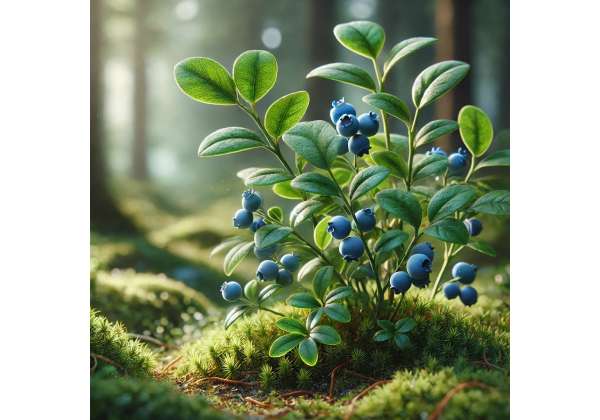
Blueberries are more than a colorful fruit for breakfast bowls. The highbush blueberry (Vaccinium corymbosum) is especially valued for its dense mix of polyphenols, fiber, and micronutrients that support everyday wellness in practical, food-first ways. What makes blueberries stand out is not a single “magic” compound, but a pattern: deep pigments (anthocyanins), gentle acidity, and a naturally low calorie load that fits easily into long-term habits.
In research settings, blueberry intake is most often linked with markers of vascular health, brain performance in older adults, and metabolic support, especially when blueberries replace more refined snacks. In real life, many people notice benefits that are simpler and more reliable: steadier energy after meals, better digestion from added fiber, and an easier time meeting daily produce goals. This guide explains what is in blueberries, what the evidence suggests they may help with, how to use different forms, how much to take, and how to stay safe—especially if you use medications.
Essential Insights
- Regular intake may support vascular function and healthy blood pressure as part of an overall diet pattern.
- A daily target of 75–150 g fresh blueberries (about 1/2–1 cup) is a practical food-based range.
- Large sudden increases can cause bloating or diarrhea, especially in people sensitive to fermentable fibers.
- Avoid or use caution with concentrated extracts if you take anticoagulants or have bleeding risk.
- People with berry allergy or severe salicylate sensitivity should avoid.
Table of Contents
- What is highbush blueberry?
- Does blueberry help the heart?
- Blueberry for brain and mood
- How to use blueberries daily
- How much blueberry per day?
- Blueberry side effects and interactions
- What research says and limits
What is highbush blueberry?
Highbush blueberry (Vaccinium corymbosum) is the most common cultivated blueberry in many markets, prized for its size, sweetness, and year-round availability (fresh or frozen). Botanically, it belongs to the heath family (Ericaceae), and it shares traits with other Vaccinium berries such as bilberry, cranberry, and lingonberry. While varieties differ in flavor and pigment intensity, the health discussion usually comes back to the same themes: fiber for gut and glucose steadiness, and polyphenols for antioxidant and signaling effects.
Key ingredients and what they do
Blueberries contain a broad spectrum of plant compounds, but a few groups matter most:
- Anthocyanins (blue and purple pigments): These help explain blueberries’ deep color. In the body, anthocyanins and their metabolites appear to influence oxidative balance, nitric-oxide related vascular signaling, and inflammatory pathways. A useful way to think of them is as “messengers,” not just antioxidants: they may shift how cells respond to stress.
- Other polyphenols: Blueberries also provide flavonols (such as quercetin derivatives) and phenolic acids (often including chlorogenic acid). Together, these compounds may support vascular function, lipid oxidation balance, and microbial diversity in the gut.
- Dietary fiber: A typical serving adds meaningful fiber that can improve satiety, help regulate stool consistency, and slow carbohydrate absorption when blueberries are eaten with other foods.
- Micronutrients: Blueberries contribute vitamin C (modest but helpful), vitamin K (variable), manganese, and a range of trace compounds. They are not a “high-protein” or “high-fat” food, which is part of why they layer well into many diets without crowding out other essentials.
Highbush vs wild types
Wild blueberries (often Vaccinium angustifolium) are smaller and frequently have a higher skin-to-pulp ratio, which can mean more pigment per gram. Highbush blueberries are larger and still provide valuable polyphenols, especially when eaten regularly. If you are comparing related berries for similar uses, the discussion often overlaps with bilberry differences and traditional uses, but the best “choice” is usually the one you will eat consistently.
Does blueberry help the heart?
Most interest in blueberries and heart health centers on the lining of blood vessels (the endothelium), blood pressure patterns, oxidative stress, and inflammation-related markers. Blueberries are not a replacement for blood pressure treatment or cholesterol-lowering therapy when those are medically needed. But as a food strategy, they can be a smart “upgrade” because they offer sweetness and texture while moving the overall diet toward more fiber and polyphenol density.
Vascular function and circulation support
Healthy arteries are not only about “clear pipes.” Vascular tone depends on endothelial signaling, nitric oxide availability, oxidative balance, and inflammation. Blueberry polyphenols may support this system in a few ways:
- Nitric-oxide related effects: By influencing oxidative balance, blueberry compounds may help preserve nitric oxide signaling, which supports normal vessel relaxation.
- Reduced lipid oxidation stress: When LDL particles oxidize more easily, vascular inflammation can increase. Diet patterns rich in colorful plants tend to shift oxidative stress markers in a favorable direction.
- Microcirculation: Some studies track flow-mediated dilation (a measure of endothelial function). Improvements are not guaranteed, but this is a repeated research target for blueberries.
Blood pressure and cardiometabolic context
In clinical trials, blood pressure effects are often modest and more noticeable in subgroups (for example, people with higher baseline risk or lifestyle factors such as smoking). That is not a disappointment—it is typical for food-based interventions. Think of blueberries as a “few percent improvement” lever that works best when paired with foundational habits: adequate sleep, salt awareness, daily movement, and overall produce intake.
A practical, heart-friendly way to use blueberries is to replace a refined dessert or sugary snack with a bowl of blueberries plus a protein source (Greek yogurt, cottage cheese, or a handful of nuts). That substitution often matters more than the blueberry dose alone.
How blueberries compare to other polyphenol foods
Blueberries are one of several polyphenol-rich choices that can support vascular wellness. Tea, cocoa, and deeply colored fruits all contribute different polyphenol profiles. If you rotate options, you widen your nutrient exposure while avoiding “superfood tunnel vision.” For readers who want another common polyphenol anchor, see green tea benefits and everyday cautions as a complementary (not competing) strategy.
Blueberry for brain and mood
Blueberries are frequently discussed for memory and healthy brain aging. The most consistent research interest is not “instant brilliance,” but subtle support for cognitive performance—especially in older adults, or people with early changes in memory and executive function. These benefits, when they appear, tend to be modest and domain-specific (for example, episodic memory rather than every aspect of cognition).
Why the brain might respond to blueberry compounds
The brain is metabolically active and sensitive to oxidative and inflammatory stress. Blueberry polyphenols are studied for mechanisms that may matter to brain health:
- Cerebral blood flow and vascular support: Brain performance depends on blood flow and vessel responsiveness. If blueberries improve endothelial function systemically, the brain may benefit indirectly.
- Neuroinflammation signaling: Polyphenol metabolites may influence inflammatory signaling pathways that affect synaptic function and plasticity.
- Gut-brain interactions: Blueberries can change the gut environment through fiber and polyphenols, and the resulting microbial metabolites may influence stress signaling and neurochemistry.
What benefits are most realistic?
People often want a clear promise: “Will blueberries prevent dementia?” That is not a claim you can responsibly make from food studies. A more realistic framing is:
- Memory support: Some trials track improvements in certain memory tasks, especially in older adults with mild concerns.
- Attention and executive function: Results are mixed, but these domains are studied because they relate to daily functioning.
- Mood and stress resilience: Blueberries are not an antidepressant, but nutrition patterns rich in colorful plants can support overall mental well-being, partly through inflammation and gut effects.
Who might notice the most
Blueberry benefits for cognition are most often explored in people who have room for improvement: older adults, individuals with metabolic risk factors, or people whose baseline fruit and vegetable intake is low. If your diet already emphasizes plant variety, blueberries still contribute, but the “visible” change may be subtle.
If you are comparing nutrition approaches for cognitive support, it can be helpful to look at other evidence-backed options and then build a consistent routine. One common comparison point is ginkgo cognitive and circulation support, which is used as a supplement rather than a whole food. Whole blueberries can be a safer foundation, while supplements require more attention to dosing and interactions.
How to use blueberries daily
The best way to use blueberries is the way you will repeat. Consistency matters more than perfection, and blueberries are unusually flexible: they work in sweet, tart, and even savory dishes. The goal is to keep the “healthful parts” intact—fiber and polyphenols—while fitting blueberries into a balanced meal.
Fresh, frozen, freeze-dried, and extracts
- Fresh blueberries: Great for snacks, toppings, and salads. Rinse and eat with minimal handling.
- Frozen blueberries: Often equal to or better than “tired” fresh berries because they are typically frozen soon after harvest. Frozen berries are ideal for smoothies, oatmeal, and quick sauces.
- Freeze-dried blueberries and powders: Convenient for travel or for people who want a concentrated fruit option without added sugar. Powders vary widely in quality; look for products with no added sweeteners and clear serving information.
- Juice: Juice can deliver polyphenols but usually loses most fiber, and portions can become sugar-heavy quickly. If you use juice, consider it an occasional flavor accent, not a primary daily strategy.
- Standardized extracts: These are closer to supplements than foods. They can be useful in research, but for most people, food-first is safer and more predictable.
Meal ideas that improve satiety
Blueberries are easiest to overeat when they are treated as “free candy.” Pairing them with protein and healthy fat improves fullness and stabilizes post-meal energy:
- Greek yogurt, blueberries, and chopped nuts
- Oatmeal with blueberries and a spoon of nut butter
- Cottage cheese with blueberries and cinnamon
- Mixed greens salad with blueberries, goat cheese, and pumpkin seeds
- Savory sauce: simmer frozen blueberries with balsamic vinegar and herbs for a quick glaze (use minimal sweeteners)
Keeping more of the benefits
Polyphenols are sensitive to extreme processing, but you do not need to fear normal cooking. A few practical tips:
- Prefer gentle heat (quick simmer rather than long boiling).
- Use whole berries more often than juice.
- Keep skins in the mix (blending is fine; straining removes fiber and pigments).
For an easy fiber upgrade, many people add seeds to blueberry bowls; if you do that regularly, chia seed fiber and omega-3 guidance can help you choose amounts that support digestion rather than overwhelm it.
How much blueberry per day?
Dosage depends on the form you use and the goal you have. For most people, blueberries work best as a daily food habit, not a short “detox.” A realistic dose is the one that fits your digestion, your budget, and your overall carbohydrate needs.
Food-based daily range
For general wellness, a practical daily intake is:
- Fresh or frozen blueberries: 75–150 g per day, which is roughly 1/2 to 1 cup (depending on berry size and how you measure).
- Higher intakes: Many people can tolerate more, but going much higher may crowd out other fruits and vegetables you also need. If you increase the dose, consider rotating berries and other colorful plants.
If you are using blueberries for appetite control or glucose steadiness, the meal context matters. Blueberries eaten alone digest faster than blueberries eaten with yogurt, nuts, or a balanced breakfast.
Freeze-dried powder and supplement-style equivalents
Powders and freeze-dried products concentrate fruit into smaller volume. Exact equivalence varies by brand, but common practical ranges are:
- Freeze-dried blueberry powder: 5–15 g per day mixed into yogurt, oatmeal, or smoothies.
- Extract products: Follow label directions carefully and avoid stacking multiple products (for example, extract plus anthocyanin capsules plus high-dose powders) unless a clinician is monitoring you.
Because concentrated products can deliver higher polyphenol loads without the “braking effect” of fiber and volume, they are more likely to cause stomach upset in sensitive people.
Timing, duration, and how to evaluate results
- Timing: Any time of day works. Many people prefer morning or early afternoon to support routine and reduce late-night snacking.
- Duration: Give a consistent routine 4–8 weeks before you decide whether blueberries are “doing anything” for you. Food interventions often show up as gradual changes in labs or daily function, not dramatic sensations.
- What to track: Consider digestion (stool consistency and comfort), snack cravings, and how you feel after meals. If you monitor blood pressure or glucose at home, track trends rather than single readings.
If you have diabetes, use blueberries as part of a structured eating plan and monitor how your body responds. Blueberries are generally a better carbohydrate choice than refined sweets, but portion still matters.
Blueberry side effects and interactions
Blueberries are widely tolerated as a food. Most safety issues come from either sudden large increases in intake, concentrated extracts, or special situations such as allergies and medication interactions.
Common side effects
- Digestive upset: Gas, bloating, or looser stools can happen if you jump from low fiber to high fiber quickly. This is more likely with large bowls of berries or powders.
- Reflux sensitivity: The mild acidity can bother some people with reflux, especially if eaten alone on an empty stomach.
- Allergic reactions: True berry allergy is uncommon but real. Symptoms can include itching, hives, swelling, or breathing difficulty. Seek urgent care for severe reactions.
Medication interactions and special cautions
- Anticoagulants (blood thinners): As a general rule, stable, consistent vitamin K intake matters most for warfarin users. Blueberries are not usually a “high vitamin K” food compared with leafy greens, but concentrated products (especially juices or extracts taken in large amounts) may be less predictable. If you use warfarin or have a bleeding disorder, keep intake consistent and discuss major changes with your clinician.
- Diabetes medications: Blueberries can support better food choices, but if you significantly change your diet while taking glucose-lowering medications, monitor for low blood sugar, especially if other parts of your diet change at the same time.
- Blood pressure medications: Food-based improvements are usually gentle, but if you combine multiple lifestyle changes at once, monitor blood pressure trends.
Who should avoid blueberries or use extra caution?
- People with known blueberry or berry allergy
- Individuals with severe salicylate sensitivity (discuss with a clinician if uncertain)
- Those advised to follow a very low potassium diet for advanced kidney disease should confirm fruit portions with their care team
- Anyone using high-dose extracts during pregnancy or breastfeeding should avoid unless specifically advised by a clinician, because supplement forms can exceed typical dietary exposure
Quality and contamination considerations
As with many fruits, pesticide residue can vary. Washing helps, and frozen berries can be a convenient, cost-effective option. For powders and extracts, choose brands with clear testing and transparent labeling because concentrated products can vary widely in strength.
What research says and limits
Blueberry research is encouraging, but it is also easy to overinterpret. The strongest pattern across studies is that blueberries can support health markers as part of an overall dietary pattern. The weakest interpretation is that blueberries “treat” a disease on their own.
What the evidence supports most consistently
Across clinical trials and systematic reviews, blueberries are repeatedly studied for:
- Vascular and endothelial outcomes: Measures like flow-mediated dilation and related blood pressure patterns are common targets. Some analyses show improvements, but effects can be small and vary by population.
- Cognitive outcomes in older adults: Memory tasks, attention measures, and brain perfusion markers are studied. Improvements, when present, are usually modest and not universal.
- Metabolic markers: Outcomes include insulin sensitivity, oxidative stress markers, and inflammation-related labs. Results vary depending on baseline risk and the overall diet context.
Why results vary so much
Blueberry studies differ in ways that strongly influence outcomes:
- Form matters: Whole berries, powders, extracts, and juices are not equivalent. Fiber content, polyphenol profile, and dosing consistency all change.
- Baseline diet matters: If blueberries replace refined snacks, benefits look larger than if blueberries are simply added on top of an already high-calorie diet.
- Population differences: People with higher baseline risk often show more improvement than healthy young adults with already strong markers.
- Measurement issues: Cognitive tests can be sensitive to learning effects, sleep, and stress. Blood pressure varies day to day. This “noise” can mask modest food effects.
How to use the evidence without hype
A sensible approach is to treat blueberries as a high-value food you can eat often, rather than as a cure. If you want the “medicinal properties” in a realistic way, focus on these principles:
- Use blueberries consistently (most days).
- Pair them with balanced meals (protein and healthy fats).
- Let blueberries replace less helpful foods rather than simply adding calories.
- Rotate with other colorful plants so your nutrition pattern stays broad.
If you are choosing between berries for a specific goal, remember that different berries have different standout strengths. For example, cranberry is studied heavily for urinary tract-related outcomes, while blueberries are studied more for vascular and cognitive markers. If that comparison is useful, cranberry health benefits and typical uses can help you decide how to rotate rather than “pick one forever.”
References
- The effects of blueberry and cranberry supplementation on blood pressure in patients with cardiovascular diseases: A systematic review and meta-analysis of randomized clinical trials 2024 (Systematic Review and Meta-Analysis)
- Effect of blueberry intervention on endothelial function: a systematic review and meta-analysis 2024 (Systematic Review and Meta-Analysis)
- Effect of berry-based supplements and foods on cognitive function: a systematic review 2022 (Systematic Review)
- Blueberries for brainpower: A systematic review and meta-analysis with Bayesian post hoc analysis of RCTS exploring cognitive function in the elderly with prior cognitive decline 2025 (Systematic Review and Meta-Analysis)
- The state of the science on the health benefits of blueberries: a perspective 2024 (Review)
Disclaimer
This article is for educational purposes only and does not provide medical advice, diagnosis, or treatment. Foods and supplements can affect people differently, especially when medical conditions, pregnancy, breastfeeding, allergies, or prescription medications are involved. If you use blood thinners, diabetes medications, or blood pressure medications, or if you are considering concentrated blueberry extracts, speak with a qualified clinician or pharmacist before making major changes. Seek urgent medical care for signs of a severe allergic reaction, such as swelling, hives, or trouble breathing.
If this guide was helpful, consider sharing it on Facebook, X (formerly Twitter), or your preferred platform so others can make safer, more informed choices.