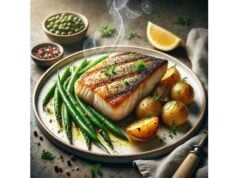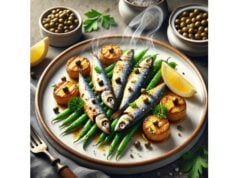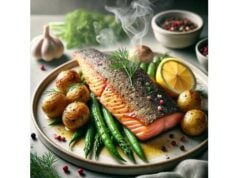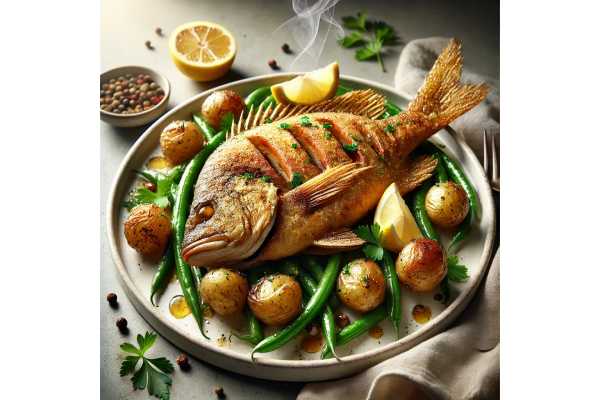
Bluegill (Lepomis macrochirus) is the friendly freshwater fish many anglers meet first—easy to catch, quick to cook, and surprisingly nutritious. Mild and lean, bluegill delivers high-quality protein with very little fat, a touch of omega-3s, and key micronutrients like selenium, phosphorus, and vitamin B12. Because it’s a small, short-lived panfish, bluegill typically carries less mercury than larger predators, which makes it a smart local catch when eaten in sensible portions and with an eye on regional advisories. In the kitchen, bluegill is versatile: pan-sear fillets for crispy edges, grill whole fish for a rustic dinner, or fold flaked leftovers into tacos and cakes. This guide distills what matters most—how bluegill stacks up nutritionally, where the real health benefits lie, what risks to consider (including PFAS and other contaminants that vary by waterbody), how to buy or handle fish for top quality, and simple cooking methods that keep nutrients intact and flavor bright.
At a Glance
- Lean, high-protein freshwater fish with modest omega-3s plus selenium and vitamin B12.
- Typical adult portion: 85–115 g cooked (3–4 oz), 1–2 times weekly as part of varied seafood.
- Check local fish advisories for mercury, PCBs, and PFAS; trim skin and dark fat if advised.
- Pregnant, breastfeeding individuals and young children should follow current fish-intake guidance.
Table of Contents
- Bluegill Basics and Taste
- Bluegill Nutrition Profile (100 g)
- Evidence-Based Benefits of Bluegill
- Risks, Allergies and Interactions
- Selecting Quality Sustainability and Storage
- Preparation Cooking and Nutrient Retention
- Portions Comparisons and FAQs
Bluegill Basics and Taste
Bluegill is a North American sunfish prized for its approachable flavor and flaky, tender flesh. It lives in ponds, lakes, and slow rivers, feeding low on the food chain—one reason contaminant levels are often lower than in bigger, longer-lived predators. In the pan, bluegill cooks fast. The fillets are thin, so they brown in minutes and pair well with lemon, herbs, and light breading. Whole fish (scaled and gutted) take well to grilling and roasting; the bones help retain moisture, and the skin crisps beautifully.
Culinarily, think of bluegill as a “lean canvas.” Its mildness lets you dial seasonings up or down: smoky paprika and garlic for a robust profile, or dill and lemon for a clean, bright finish. Unlike richer species—mackerel, salmon—it has very little intrinsic fat, so add a small amount of heart-healthy oil to prevent dryness. That leanness makes bluegill adaptable to lower-calorie meals and easy weeknight cooking.
From a nutrition perspective, bluegill brings efficient protein—roughly a quarter of its weight cooked is protein—alongside important micronutrients. Selenium supports antioxidant defenses; phosphorus underpins bone and energy metabolism; B12 supports red-blood-cell formation and neurological function. Omega-3s are present, though at lower levels than in oily saltwater fish; frequency and variety across your weekly seafood help cover that gap.
Availability varies. In some regions, you’ll mostly see bluegill as a recreational catch; in others, small local suppliers and restaurants feature it seasonally. Quality hinges on handling: freshly chilled fish with a clean, neutral aroma and firm flesh will taste sweet and delicate. Because bluegill is small, it’s convenient to portion: two to three pan-sized fillets can anchor a meal for one, and a pound of trimmed fillets feeds a small family when paired with vegetables and grains.
Bottom line: bluegill is an accessible, budget-friendly freshwater option. Treat it like a lean protein you can cook quickly and season creatively, while following local guidance on how often to eat fish from specific waterbodies.
Bluegill Nutrition Profile (100 g)
How to use this section. Values below reflect cooked, dry-heat bluegill/sunfish fillets per 100 g to make comparisons easy. Actual numbers vary by season, size, and waterbody. Because bluegill is very lean, preparation (added oil, breading) can noticeably change totals—see the cooking section for retention tips.
Macros & Electrolytes (per 100 g cooked)
| Nutrient | Amount | % Daily Value (DV) |
|---|---|---|
| Energy | ~114 kcal | — |
| Protein | ~24.9 g | 50% |
| Total Fat | ~0.9 g | 1% |
| Saturated Fat | ~0.2 g | 1% |
| Carbohydrate | 0 g | 0% |
| Dietary Fiber | 0 g | 0% |
| Total Sugars | 0 g | — |
| Sodium | ~100 mg | 4% |
| Potassium | ~450 mg | 10% |
| Cholesterol | ~86 mg | — |
Notes: Bluegill is naturally sodium-light; most sodium comes from brines, marinades, or smoked products.
Fats & Fatty Acids (per 100 g cooked)
| Nutrient | Amount | %DV |
|---|---|---|
| Mono-unsaturated Fat | ~0.2 g | — |
| Polyunsaturated Fat | ~0.2–0.3 g | — |
| Omega-3 EPA | ~0.03–0.09 g | — |
| Omega-3 DHA | ~0.05–0.18 g | — |
| EPA + DHA (combined) | ~0.1–0.3 g | — |
Context: Oily fish can deliver 1.0–2.0 g EPA+DHA per 100 g; bluegill is leaner. Meeting weekly omega-3 goals is easier when you vary species.
Protein & Amino Acids
Bluegill provides complete, high-biological-value protein. Essential amino acids (especially leucine and lysine) are well represented, supporting muscle repair and satiety. Because portions are modest, combine bluegill with other protein sources across the week to meet total needs.
Vitamins (per 100 g cooked)
| Vitamin | Amount | %DV |
|---|---|---|
| Vitamin B12 (Cobalamin) | ~2.0–3.0 µg | 83–125% |
| Niacin (Vitamin B3) | ~2–5 mg | 13–31% |
| Vitamin B6 (Pyridoxine) | ~0.2–0.4 mg | 12–24% |
| Vitamin A (RAE) | ~10–30 µg | 1–3% |
| Vitamin D | variable | — |
Variability: Vitamin D content depends on season and diet; many freshwater species show low or variable levels.
Minerals (per 100 g cooked)
| Mineral | Amount | %DV |
|---|---|---|
| Selenium | ~30–40 µg | 55–73% |
| Phosphorus | ~200–250 mg | 16–20% |
| Magnesium | ~25–35 mg | 6–8% |
| Zinc | ~0.6–1.0 mg | 5–9% |
| Iron | ~0.5–1.0 mg | 3–6% |
| Calcium | ~30–60 mg | 2–5% |
Allergens & Intolerance Markers
- Finfish allergen: Bluegill is a common finfish allergen. Cross-reactivity among finfish species is possible; shellfish allergy is distinct.
Contaminants/Residues (contextual)
- Mercury: Typically low to moderate in small panfish; varies by lake and fish size.
- PCBs/PFAS: Fat-associated pollutants can occur in some waters. Follow local advisories and consider trimming skin and dark lateral fat where recommended.
Glycemic & Acid–Base Metrics
- Carbohydrates: None; glycemic impact is negligible.
- Acid–base: Neutral in mixed meals; pair with potassium-rich vegetables to support overall balance.
Units and %DV follow current U.S. labeling values. Ranges reflect freshwater variability and the lean nature of bluegill.
Evidence-Based Benefits of Bluegill
1) High-quality protein for satiety and maintenance
Per 100 g cooked, bluegill provides roughly 25 g of complete protein with minimal fat. Protein improves satiety signals, supports muscle protein synthesis after activity, and has a higher thermic effect than carbohydrates or fat. For people aiming to manage weight or blood sugar, anchoring meals with lean protein and high-fiber sides (vegetables, legumes, whole grains) is a practical strategy that bluegill fits well.
2) Micronutrient density with few calories
Bluegill contributes selenium and phosphorus—two minerals many diets underdeliver. Selenium supports antioxidant enzymes and thyroid hormone metabolism; phosphorus contributes to bone strength and energy transfer (ATP). Bluegill also brings vitamin B12, which is essential for red-blood-cell formation and neurological function. This bundle of micronutrients arrives in a low-calorie package, which helps people increase nutrient density without raising energy intake.
3) Modest but meaningful omega-3s
While bluegill is not as omega-3 rich as salmon or sardines, it still contributes EPA and DHA. Across a week, rotating species helps you reach general omega-3 targets. Think of bluegill as a lean anchor on nights when you get more omega-3s from another meal (e.g., canned salmon for lunch, sardines on toast).
4) Replacing less healthful proteins
Regularly substituting bluegill for processed meats can reduce intake of sodium and saturated fat and increase intake of selenium and B vitamins. In real meals, benefits come from these swaps over time, not from any single nutrient in isolation.
5) Family-friendly, fast cooking
Thin bluegill fillets cook in minutes, so weeknight meals are feasible without deep frying. Quick sauté or air-frying with a light crust delivers crunch with less oil, protecting omega-3s and limiting oxidized fats compared with prolonged high-temperature frying.
6) Local food, smaller footprints
When sourced from clean, well-managed waters (or licensed aquaculture), bluegill can be a hyper-local protein with minimal transport emissions. Responsible recreational harvests guided by state rules support sustainable populations and community foodways.
What to expect—not a cure-all
Health gains from fish come from patterns: sensible portions 1–2 times weekly, variety across species, and balanced plates rich in plants. Bluegill’s benefits are supportive, not dramatic, and depend on the quality of your overall diet. Because it’s lean and low in calories, add olive oil, nuts, or avocado to round out healthy fats in your meal.
Risks, Allergies and Interactions
Mercury and size matter
Methylmercury accumulates as fish age and grow. Bluegill are small and short-lived, so typical mercury levels are lower than in large predators; still, local waterbody data and fish size influence risk. Sensitive groups (pregnant or breastfeeding individuals and young children) should follow current national guidance on weekly amounts and choose lower-mercury species more often.
PCBs, PFAS, and legacy pollutants
Fat-associated pollutants like polychlorinated biphenyls (PCBs) and per- and polyfluoroalkyl substances (PFAS) can vary widely across freshwater systems. Many state health departments publish lake-specific consumption advisories for bluegill and other panfish. Practical exposure-reduction steps often include trimming skin and dark lateral fat and favoring smaller fish, but note that PFAS can remain in the muscle, so preparation cannot remove all risk. Heed state guidance for your waters.
Foodborne illness
Freshwater fish can harbor parasites and bacteria if mishandled. Keep fish cold from catch to kitchen, prevent cross-contamination, and cook to 63 °C/145 °F (or until the flesh is opaque and flakes easily). Vulnerable groups—pregnant individuals, older adults, people with weakened immunity—should avoid raw or undercooked fish.
Allergy
Bluegill is a finfish allergen. Cross-reactivity among finfish species is possible even if you tolerate shellfish. Symptoms can range from hives to anaphylaxis. Anyone with a diagnosed finfish allergy should avoid bluegill unless cleared by an allergist.
Medication interactions
Culinary amounts of fish do not meaningfully interact with common medications. If you take prescription anticoagulants and high-dose omega-3 supplements, ask your clinician about combined bleeding risk; bluegill eaten in normal portions is not a concern.
Who should limit or avoid
- Pregnant or breastfeeding individuals, infants, and children: follow national fish-intake charts and local advisories for your lakes and rivers.
- People with finfish allergy: avoid unless medically supervised.
- Anglers in waters with specific PFAS/PCB warnings: follow state limits or choose commercially sourced fish with published testing.
Practical safety checklist
- Check current advisories for your waterbody.
- Favor smaller bluegill; avoid very large, old fish.
- Keep fish iced; cook to safe temperature.
- If advised locally, trim skin and dark fat before cooking.
- Balance your weekly seafood choices with lower-mercury species.
Selecting Quality Sustainability and Storage
Freshness cues
- Look: Fillets should be moist and translucent with tight muscle flakes. Whole fish should have bright eyes and red gills.
- Touch: Flesh springs back when pressed; avoid soft, mushy spots.
- Smell: Clean and mild; a sour or “fishy” odor signals age or poor handling.
Sourcing options
- Recreational catch: Ideal when local waters are clean and regulations are followed. Use proper icing immediately after harvest.
- Local fish markets or restaurants: Availability is regional; ask about origin and harvest date.
- Aquaculture: Bluegill and related sunfish can be farmed; licensed operations with water-quality testing offer traceability.
Sustainability snapshot
Bluegill populations are generally resilient under state regulations (size/creel limits, seasonal protections). Choosing legal sizes and limiting harvest from sensitive waterbodies helps maintain local stocks. Compared with long-distance seafood, locally caught bluegill can carry a smaller transport footprint.
Storage and handling
- Refrigerate at ≤4 °C (≤40 °F) and cook within 24–36 hours for best flavor.
- Freeze fillets you won’t cook within a day; vacuum-seal or wrap tightly to prevent freezer burn. Best quality within 2–3 months at −18 °C (0 °F).
- Thaw overnight in the refrigerator or under cold running water in sealed packaging.
- Smoked or cured bluegill must still be kept cold unless a process makes it shelf-stable; check labels.
Quality tips for anglers
- Bleed fish promptly (optional but helpful for flavor), keep on ice, and avoid freshwater warm-ups on stringers.
- Fillet with a sharp, flexible knife; remove rib bones and, if desired, the dark lateral line for a milder taste.
- If your state advisory recommends reducing fat-associated pollutants, remove skin and belly fat before cooking and cook on a rack so rendered fat drips away.
Budget and yield
Bluegill are small; plan 2–3 fillets per adult for a main dish. Buying whole fish is inexpensive, but filleting takes time; practice improves yield. For parties, consider whole grilled fish—less labor, impressive presentation.
Preparation Cooking and Nutrient Retention
Keep it simple, keep it hot
Because bluegill fillets are thin, quick high-heat methods shine: pan-sear, shallow-fry, broil, air-fry, or grill. Aim for 63 °C/145 °F internal temperature or visual doneness (opaque, flakes easily). Overcooking dries a lean fish fast; pull from heat as soon as flakes separate.
Five reliable methods
- Crispy pan-sear: Pat fillets dry. Lightly coat with whole-grain flour or fine cornmeal, plus salt, pepper, and paprika. Sear 1–2 minutes per side in a thin sheen of oil. Finish with lemon.
- Sheet-pan roast: Toss fillets with olive oil, garlic, and herbs; roast at 220 °C (425 °F) for 6–8 minutes. Add asparagus or cherry tomatoes to cook alongside.
- Air-fryer crunch: Mist seasoned fillets with oil; cook at 200 °C (400 °F) for 5–7 minutes, flipping once.
- Whole-fish grill: Score skin, brush with oil, stuff cavity with lemon and herbs, and grill over medium-high heat 4–5 minutes per side, depending on thickness.
- Fish cakes: Flake cooked bluegill; mix with mashed white beans, scallions, dill, lemon zest, and egg. Form patties; sear until golden.
Retaining what matters
- Protein and minerals are stable across methods.
- Omega-3s are modest to begin with; preserve them by avoiding prolonged deep-frying. Short pan-sears or bakes are ideal.
- Sodium climbs with brines, seasoned coatings, and smoked products—use citrus, herbs, and spices to keep flavors bright without extra salt.
Flavor boosters without excess sodium
- Citrus zest and juice (lemon, lime)
- Fresh herbs (dill, parsley, chives)
- Aromatics (garlic, shallot)
- Warm spices (smoked paprika, cumin)
- Umami accents in moderation (tomato paste, mushrooms)
If your waterbody has fat-associated advisories
Trim skin and dark lateral fat before cooking; grill or bake on a rack so rendered fat drips away. These steps can lower exposure to some pollutants (e.g., PCBs) but not all (PFAS can remain in muscle). Advisories should guide frequency regardless of preparation.
Leftover ideas
- Bluegill tacos: Flake and rewarm gently; tuck into warm tortillas with cabbage slaw, yogurt-lime sauce, and cilantro.
- Protein bowls: Layer cooled roasted fillets over farro or brown rice with roasted vegetables and a lemon-tahini drizzle.
- Smoked-style spread: Mix flaked fish with Greek yogurt, capers, dill, and lemon for a dip; serve with cucumbers and whole-grain crackers.
Portions Comparisons and FAQs
Portion guidance
- Adults: 85–115 g cooked (3–4 oz) per serving, 1–2 times weekly as part of varied seafood.
- Children: Follow age-appropriate serving sizes (often 28–85 g cooked depending on age/body weight) and regional advisories.
- Pregnancy/breastfeeding: Choose lower-mercury fish most often; portion sizes usually mirror general guidance, but weekly limits can differ—follow national charts and local advisories.
How bluegill compares
- Salmon (Atlantic/wild): Far higher omega-3s (EPA+DHA ~1–2 g/100 g), higher fat, richer flavor.
- Rainbow trout: More omega-3s and vitamin D than most panfish; similar quick-cook methods.
- Tilapia: Similar leanness, generally lower omega-3s; very mild flavor.
- Sardines: Much higher omega-3s and calcium (if bones eaten); stronger taste.
- Catfish (channel): Lean to moderate fat; omega-3s vary with feed; neutral taste.
Serving frequency and advisories
If your bluegill comes from local waters, always check the latest state advisory for your lake or river. Advisories consider mercury and, increasingly, PFAS. When uncertain, rotate species and vary sources (store-bought lower-mercury fish, canned salmon, sardines) to balance benefits and minimize risk.
FAQs
Is bluegill a good source of omega-3s?
It contributes some EPA and DHA, but not as much as oily fish. Use bluegill for lean protein and fill out omega-3s elsewhere in your week.
Can I eat bluegill skin?
Yes, when local advisories allow. The skin crisps nicely, but if your waterbody has fat-associated advisories (e.g., PCBs), trim the skin and dark fat.
What’s the safest way to cook bluegill?
Cook to 63 °C/145 °F or until opaque and flaking. Quick sears or bakes preserve texture and nutrients.
Are bones a problem?
Fillets usually have small pin bones; feel along the center line and pluck with tweezers. For whole fish, score the skin and lift the flesh off the central skeleton.
Do farmed bluegill taste different?
Diet and water quality affect flavor. Farmed fish can be milder; both can be excellent when very fresh.
How do I keep it from drying out?
Do not overcook. Add a bit of olive oil or butter, and rest briefly off heat. Thin fillets need only minutes.
References
- Advice about Eating Fish 2024 (Guideline)
- Selecting and Serving Fresh and Frozen Seafood Safely 2024 (Guideline)
- USDA FoodData Central 2025
- Fish nutrient composition: a review of global data from poorly studied species 2020 (Systematic Review)
- Fish Consumption Guidance Updates 2025 (Public Health Update)
Disclaimer
This article is for general education and is not a substitute for personalized medical or nutrition advice. Fish choices and serving frequencies should reflect your health status, life stage, medications, and local fish-consumption advisories. If you are pregnant, breastfeeding, feeding young children, have a finfish allergy, or have specific medical concerns, consult a qualified clinician or registered dietitian before changing your diet.
If this guide helped you, please consider sharing it on Facebook, X (formerly Twitter), or any platform you prefer. Your support helps us continue creating clear, evidence-based nutrition content.