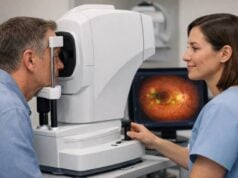
Blurry vision is one of the most common and most unsettling eye symptoms because it can mean almost anything—from a simple need for updated glasses to a problem that needs urgent care. The good news is that your body often gives clues. The timing (sudden or gradual), whether it affects one eye or both, and whether there is pain, redness, or new flashes can quickly narrow the possibilities. Many everyday causes are reversible: dry eyes from screen time, contact lens irritation, medication side effects, or a prescription that no longer matches your eyes. But some patterns should not be watched at home, especially sudden vision changes, a “curtain” over part of vision, or blur with severe headache. This guide walks you through practical checks, the most common causes, clear red flags, and what an eye doctor will do to find the answer.
Key Takeaways
- Sudden blurry vision, especially in one eye, is more concerning than gradual blur that changes over months.
- Dry eye and focusing fatigue are frequent causes, particularly with long screen days and low blink rates.
- New flashes, a shower of floaters, or a shadow across vision should be treated as urgent until proven otherwise.
- Blurry vision with severe eye pain, a fixed mid-size pupil, nausea, or halos can signal an emergency.
- Use a simple log before your visit: when it started, one eye or both, near or distance, and any triggers or new medications.
Table of Contents
- Quick checks you can do in two minutes
- Common causes that are usually not urgent
- Sudden blurry vision and when to treat it as urgent
- Gradual blur over weeks or months and what it can mean
- What an eye doctor checks and why it matters
- Next steps and how to protect your vision going forward
Quick checks you can do in two minutes
You cannot diagnose yourself at home, but you can gather the right clues. These quick checks help you decide whether this is likely a comfort issue, a prescription issue, or something that needs urgent evaluation.
1) Cover one eye, then the other
- One eye blurry: more likely an eye-specific problem (cornea, lens, retina, optic nerve), though some neurological issues can also present this way.
- Both eyes blurry: often refractive or systemic (prescription changes, dry eye, blood sugar swings, medication effects), but serious causes still exist.
2) Ask: near, distance, or both
- Near blur only: can point to focusing fatigue, early presbyopia (age-related near vision change), or a need for reading support.
- Distance blur only: can point to nearsightedness or a change in glasses/contact prescription.
- Both near and distance: raises the odds of corneal dryness, cataract, or a larger change in the optical system.
3) Notice whether blinking changes it
Try a full blink or two and see if clarity improves for a moment.
- Improves briefly: often suggests dry eye or tear film instability.
- No change: does not rule out dryness, but it makes other causes more likely.
4) Look for pain, redness, and light sensitivity
- Pain or strong light sensitivity is a major clue that the cornea or internal eye structures may be inflamed.
- A mildly pink eye can still be benign, but deep aching pain is not typical of simple strain.
5) Screen for “do not wait” symptoms
Treat these as urgent until a clinician tells you otherwise:
- New flashes of light
- Sudden increase in floaters (especially many small dots or “soot”)
- A dark curtain, shadow, or missing area of vision
- Sudden severe headache with vision change
- Severe eye pain with nausea or vomiting
6) Check for context: recent changes
In the last week or two, have you had:
- A new medication or dose change?
- A recent eye infection or cold sore outbreak?
- More screen time, less sleep, or a drier environment?
- Contact lens over-wear or sleeping in lenses?
Write down what you learn from these checks. Even a short note like “right eye only, sudden this morning, no pain, new floaters” can speed up correct triage and testing.
Common causes that are usually not urgent
Most blurry vision seen in everyday life is caused by problems at the “front end” of the visual system: the tear film, the cornea, and the focusing and prescription system. These can feel miserable, but they are often manageable once identified.
Dry eye and tear film instability
Dry eye does not always feel dry. It can cause:
- Grittiness, burning, or stinging
- Intermittent blur that comes and goes
- Watery eyes (reflex tearing can happen when the surface is irritated)
- Worse symptoms with screens, reading, air conditioning, or windy weather
A hallmark is fluctuating vision that may briefly improve after blinking. Many people also blink less during concentrated work, which worsens the cycle.
Digital eye strain and focusing fatigue
Hours of near focus can overwhelm the eye’s focusing system, especially if:
- You use small text or high visual demand work
- Your monitor is too close
- You do not take distance breaks
- You have an uncorrected prescription (even mild astigmatism can matter)
Symptoms often include forehead ache, tired eyes, and blur that is worse late in the day.
A changing glasses or contact lens prescription
If blur is gradual and consistent—especially for distance—prescription drift is common. Signs include:
- Squinting to see the TV or road signs
- Feeling “off” when switching between glasses and contacts
- Better vision in bright light than dim light
Contact lens issues
Contacts can blur vision when:
- Lenses are old or deposits build up
- The lens is inside-out, torn, or dry on the eye
- You overwear lenses or sleep in them
- The fit is wrong for your cornea
If you have pain, strong light sensitivity, or a “can’t keep the eye open” feeling, stop lens wear and seek care promptly. Contact lens–related corneal problems can progress quickly.
Allergy irritation
Allergies can cause itching, tearing, and mild blur from swelling and tear film disruption. If rubbing is intense, it can worsen irritation and prolong symptoms.
Medication and systemic factors
Some medications can dry the eyes or affect focusing. Blood sugar swings can temporarily change the eye’s focusing and lens hydration, leading to blur that improves when levels stabilize.
If your blur is mild, fluctuating, and tied to screens, dryness, or lens wear, you may be dealing with a common, reversible cause. The key is that “not urgent” does not mean “ignore.” Persistent blur still deserves evaluation—just not necessarily emergency care.
Sudden blurry vision and when to treat it as urgent
Sudden blurry vision is the pattern that should make you pause. Even when it turns out to be something treatable, the safest mindset is: sudden change deserves timely assessment.
Sudden blur in one eye
This can signal problems with the retina, optic nerve, or blood flow. Seek urgent evaluation if you notice:
- Flashes and floaters with blur: This can occur with vitreous changes, but it can also signal a retinal tear or detachment risk. A “curtain” or missing side vision is especially concerning.
- A dark, gray, or dim episode that clears: Transient loss of vision in one eye can be a warning sign of vascular disease and should be evaluated promptly, even if it resolves.
- Sudden central blur or distortion: Wavy lines or a missing spot can suggest macular involvement.
Sudden blur with pain, nausea, or halos
Severe eye pain with blurred vision is not typical eye strain. A dangerous pattern is:
- Intense eye pain or headache
- Halos around lights
- Nausea or vomiting
- A red eye that looks “angry”
- A pupil that looks unusual or sluggish
This can occur in acute angle-closure glaucoma and needs emergency treatment to protect vision.
Sudden blur with neurological symptoms
Treat these as medical emergencies:
- New weakness, numbness, facial droop, or trouble speaking
- Severe “worst headache”
- New double vision with imbalance
- Vision loss affecting one side of the visual field
Do not drive yourself if you have concerning symptoms. Use emergency services when appropriate.
Sudden blur after trauma or chemical exposure
Any eye injury with blurred vision requires prompt evaluation. Do not attempt to “wait and see,” especially if there is pain, light sensitivity, or reduced vision after a hit to the eye.
What to do while seeking care
- Do not patch the eye tightly.
- If you wear contacts, remove them unless a clinician has told you not to.
- Avoid using leftover antibiotic or steroid drops. Steroids can worsen certain infections.
- If symptoms suggest stroke or severe eye emergency, go to the nearest emergency department.
Many people hesitate because the blur is “not total blindness.” But emergencies are not always dramatic. The safest rule is to treat sudden, unexplained blur—especially in one eye, or with flashes, a shadow, severe pain, or neurological signs—as urgent until proven otherwise.
Gradual blur over weeks or months and what it can mean
Gradual blurred vision is more likely to be a “wear-and-tear” issue or a slow change in the optical system. It can still be serious, but it often allows time for a scheduled eye exam rather than emergency care.
Presbyopia and near vision changes
If you are in your 40s or beyond and near work suddenly feels harder—needing more light, holding the phone farther away, getting tired quickly—presbyopia is a common explanation. It is not a disease; it is a natural change in focusing flexibility.
Cataract
Cataract is clouding of the natural lens. It often causes:
- Hazy or foggy vision
- More glare from headlights
- Reduced contrast and color clarity
- Frequent prescription changes that do not “stick”
Cataracts usually progress slowly. People often notice functional problems first: night driving discomfort, trouble reading in dim light, or more sensitivity to glare.
Diabetic eye disease and blood sugar effects
Diabetes can affect vision in two ways:
- Short-term: blood sugar fluctuations can temporarily blur vision.
- Long-term: retinal damage can develop over time and may not cause symptoms until it is advanced.
If you have diabetes and notice new blur, do not assume it is “just sugars.” A dilated retinal evaluation is important.
Glaucoma and other “quiet” conditions
Some eye diseases can progress without pain. Glaucoma is a classic example: early stages can be symptom-free while peripheral vision slowly decreases. People usually do not notice until the disease is more advanced, which is why routine eye exams matter.
Macular disease
Problems in the macula (the central vision area) can cause:
- Distortion (straight lines look wavy)
- A missing spot or “smudge” in central vision
- Trouble reading despite good lighting
A practical timeline for seeking care
- Schedule soon (days to a couple of weeks): new persistent blur, new distortion, or any change that affects driving or work.
- Schedule routinely (weeks to months): slow, stable blur that improves with glasses and has no red flags, especially if you are due for an exam.
Gradual blur is often fixable—new glasses, treating dry eye, addressing cataract when it becomes limiting, or catching retinal disease early. The risk is not that gradual blur is always dangerous, but that it can quietly become your new normal. Early evaluation is where you win back options.
What an eye doctor checks and why it matters
An eye exam for blurry vision is not just “reading letters on a chart.” Eye doctors work like detectives: they use your symptom pattern to decide which part of the visual system needs the closest look.
1) History that narrows the problem fast
Expect questions like:
- When did it start—suddenly or gradually?
- One eye or both?
- Near, distance, or both?
- Any pain, redness, light sensitivity, discharge?
- Any flashes, floaters, shadows, or distortion?
- Any diabetes, high blood pressure, migraine, autoimmune disease, or recent infections?
- Any new medications?
These details guide urgency and testing.
2) Visual acuity, refraction, and focusing
Refraction checks whether blur is mainly an optical problem. If vision sharpens with refraction, it points toward prescription or focusing issues. If it does not, the doctor looks deeper for corneal, lens, retinal, or nerve causes.
3) Eye surface and cornea evaluation
The cornea and tear film are common culprits. The clinician checks:
- Tear film quality
- Eyelid margins and glands
- Corneal clarity and staining patterns
- Signs of contact lens–related irritation or infection
4) Eye pressure and angle assessment
Eye pressure is checked to evaluate glaucoma risk and to identify emergencies like acute angle closure. In some cases, the anatomy of the drainage angle is assessed.
5) Dilated retinal exam
Dilation allows a wider view of the retina and optic nerve. It helps detect:
- Retinal tears or detachment
- Diabetic retinal disease
- Macular disease
- Optic nerve swelling or damage
- Vascular events
Many serious causes of blur live in the retina and optic nerve. Dilation is often the difference between guessing and knowing.
6) Imaging and specialized tests
Depending on the findings, an eye doctor may use:
- Retinal imaging to assess the macula and nerve
- Visual field testing when glaucoma or neurological issues are suspected
- Additional medical workup if a vascular or neurologic cause is possible
How you can prepare for a better visit
Bring:
- Your glasses and contact lens information
- A medication list, including supplements
- Notes about timing, triggers, and one-eye vs both-eye findings
- If you can do so safely, a photo of any visible redness or swelling that comes and goes
A good evaluation is a partnership: your timeline and symptom details plus the clinician’s exam tools. Together, they turn a vague symptom into a concrete plan.
Next steps and how to protect your vision going forward
Once you know the likely category of your blurry vision, you can choose the right next step—self-care, a routine visit, or urgent evaluation. The goal is to protect vision without overreacting to every minor fluctuation.
If blur seems related to dryness or screens
Try a simple, consistent approach for one to two weeks:
- Increase font size and reduce glare from windows and overhead lights.
- Match screen brightness to room lighting (avoid a bright screen in a dark room).
- Take short distance breaks regularly during prolonged near work.
- Be intentional about blinking, especially during intense focus.
- If you wear contacts, shorten wear time and use glasses more often while symptoms settle.
If symptoms persist, a dry eye evaluation can identify whether you need targeted treatments beyond basic drops.
If blur is likely a prescription or focusing issue
- Book a comprehensive eye exam, especially if you are squinting, getting headaches, or struggling with near work.
- Ask whether you need separate support for prolonged computer distance (some people benefit from task-specific lenses).
If you have medical risk factors
If you have diabetes, high blood pressure, vascular disease, or a history of eye disease:
- Do not assume blur is harmless.
- Keep routine eye care consistent even when vision feels “fine,” because many conditions are silent early.
Clear reasons to seek urgent care
Go urgently if you have:
- Sudden blur that does not clear
- New flashes, many floaters, or a shadow/curtain
- Severe eye pain, halos, nausea, or vomiting
- Vision change with neurological symptoms
How to reduce future risk
- Protect your eyes from injury with appropriate eyewear for sports and tools.
- Avoid sleeping in contact lenses unless explicitly prescribed for that purpose.
- Manage chronic conditions (blood sugar and blood pressure control are vision protection).
- Keep regular eye evaluations appropriate for your age and risk profile, even if you feel you “see fine.”
Blurry vision is a symptom, not a verdict. Most causes are manageable once identified, and the highest-stakes outcomes are often preventable when red flags are recognized early. If you are unsure which category you fall into, it is reasonable to err on the side of being seen—especially when the change is sudden or your eye feels painful.
References
- Comprehensive Adult Medical Eye Evaluation Preferred Practice Pattern® 2021 (Guideline)
- Dry Eye Syndrome Preferred Practice Pattern® 2024 (Guideline)
- Diabetic Retinopathy Preferred Practice Pattern® 2025 (Guideline)
- Transient Monocular Visual Loss (Amaurosis Fugax): How Does Age Impact Diagnosis? 2024 (Review)
- A review of rhegmatogenous retinal detachment: past, present and future 2025 (Review)
Disclaimer
This article is for educational purposes only and does not provide medical advice, diagnosis, or treatment. Blurry vision can be caused by benign issues such as dryness or prescription changes, but it can also signal urgent eye or neurologic conditions. Seek urgent medical evaluation for sudden vision loss or sudden blurry vision, new flashes or a surge of floaters, a shadow or curtain in your vision, severe eye pain, halos with nausea or vomiting, eye injury or chemical exposure, or vision changes with weakness, numbness, facial droop, or trouble speaking. For persistent or recurrent blurry vision, schedule a comprehensive evaluation with an eye care professional.
If you found this article helpful, please share it on Facebook, X (formerly Twitter), or any platform you prefer. Your support helps our team continue producing reliable, high-quality health content.