“Borderline hypertension” usually means blood pressure that is consistently higher than ideal, but not clearly in the severe range. It is a common moment of uncertainty: your numbers are not normal, yet you may feel well, and one clinic reading can be misleading. The value of this label is not to alarm you—it is to prompt better measurement and earlier course-correction. Even modest elevations can raise long-term risk for stroke, heart attack, heart failure, kidney disease, and cognitive decline, especially when paired with diabetes, high cholesterol, smoking, or sleep apnea. The encouraging part is that borderline readings are often the stage where lifestyle changes, home monitoring, and targeted treatment decisions can make the biggest difference, before organ damage accumulates. This guide explains what the term means, why it happens, how to confirm it, and how to manage it well.
Table of Contents
- What it is and what numbers count
- Causes and risk factors that push it up
- Symptoms and early warning signs
- How it is diagnosed and confirmed
- Treatment options and when medicine starts
- Daily management that actually lowers BP
- Long-term outlook and when to seek care
What it is and what numbers count
Borderline hypertension is not a formal diagnosis code in many systems, so its meaning depends on context. Most people use it to describe one of these situations:
- Elevated blood pressure: readings above ideal but below a clear “hypertension” cutoff.
- Stage 1 range: mild hypertension where lifestyle changes may be the main treatment, unless overall cardiovascular risk is high.
- Inconsistent readings: high in the clinic but normal at home (white-coat effect), or normal in the clinic but high at home (masked hypertension).
Blood pressure is written as systolic/diastolic (for example, 128/78). Systolic is the pressure when the heart squeezes; diastolic is the pressure when it relaxes. Both matter, and the risk rises as either number stays higher over time.
Because guidelines differ, clinicians often interpret “borderline” using ranges rather than one rigid label. A practical way to understand it:
- If your average systolic is in the high 120s or 130s, or your average diastolic is in the 80s, you are no longer in the “low-risk, ignore it” zone.
- If your blood pressure is occasionally high but not consistently high, the first step is to confirm whether it is a real pattern or a measurement artifact.
One of the most useful insights is that “borderline” is often a trajectory rather than a single state. Many people move gradually upward over years as arteries stiffen with age and as weight, stress, sleep quality, alcohol intake, and physical inactivity shift. That trajectory is not inevitable. The earlier you anchor your decisions to averages, not one-off readings, the more control you regain.
Finally, borderline blood pressure is not only about the numbers; it is about what the numbers mean for you. A 134/84 average in a healthy 28-year-old who sleeps well and exercises may prompt a different plan than the same average in a 62-year-old with diabetes, kidney disease, or prior stroke. Good management starts by defining your true baseline and your overall risk profile, not by reacting to one reading.
Causes and risk factors that push it up
Most borderline hypertension is “primary,” meaning it develops from a combination of genetics, aging, and lifestyle factors rather than a single disease. Blood pressure rises when the body retains more salt and water, when blood vessels stay more constricted, or when arteries become stiffer and less able to cushion each heartbeat.
Common drivers
- Weight gain and abdominal fat: Even small increases can raise blood pressure by increasing sympathetic nervous system activity and hormonal signals that retain sodium.
- High sodium intake: Packaged foods, restaurant meals, breads, sauces, and cured meats often contribute far more sodium than a person expects.
- Low potassium intake: Potassium helps counterbalance sodium’s effects in many people; diets low in fruits, vegetables, beans, and dairy can worsen blood pressure control.
- Physical inactivity: Regular aerobic activity improves vascular function and lowers resting pressure over time.
- Alcohol: More than modest intake can raise blood pressure and disrupt sleep, creating a reinforcing loop.
- Sleep problems: Short sleep, insomnia, and especially obstructive sleep apnea can push blood pressure upward through repeated oxygen drops and stress hormone surges.
- Chronic stress: Stress does not always raise average blood pressure permanently by itself, but it can amplify other drivers (sleep, alcohol, food choices) and elevate readings during the day.
- Nicotine and stimulants: Smoking and nicotine products cause vessel constriction; some stimulants and decongestants can raise blood pressure as well.
Medical contributors worth checking
Borderline readings can also be an early clue to a treatable contributor, especially if the rise is sudden or occurs at a young age. Clinicians may consider:
- Kidney disease or renal artery narrowing
- Thyroid disorders
- Primary aldosteronism (a hormonal cause of sodium retention)
- Medication effects (for example, certain anti-inflammatory drugs, some antidepressants, oral contraceptives, steroids, and others depending on the individual)
Risk factors that increase harm at the same BP
Two people can have the same blood pressure but different risk. Factors that increase the “risk per millimeter” include:
- Diabetes or prediabetes
- High LDL cholesterol
- Chronic kidney disease
- Smoking history
- Strong family history of early heart disease or stroke
- Prior cardiovascular events
- Evidence of organ strain (such as heart thickening or protein in urine)
A practical way to use this information is to focus on the modifiers you can change first: sleep, alcohol, sodium, weight, and activity. These are not vague wellness ideas—they are upstream levers that shift hormones, vessel tone, and fluid balance. For many people, borderline hypertension is the first sign that these levers need a reset.
Symptoms and early warning signs
Borderline hypertension is usually silent. Most people feel normal, which is why it is often discovered during a routine visit, a workplace screening, or a check made for a different reason. The absence of symptoms does not mean the blood pressure is harmless—it means your body is compensating well enough that it is not announcing the strain yet.
What you might notice (and what it really means)
Some people report headaches, flushing, or feeling “wired,” especially during stress. These sensations can happen with higher readings, but they are not reliable indicators of average blood pressure. More often, they reflect stress hormones, sleep loss, caffeine sensitivity, or anxiety about the measurement itself.
A more meaningful “early warning” is not a symptom—it is a pattern:
- Readings drift upward across months
- Morning readings are consistently higher than expected
- Blood pressure stays elevated even on calm days, not only during stress
- Home readings differ substantially from clinic readings
Signs that suggest related conditions
Sometimes symptoms point to contributors that deserve targeted treatment:
- Loud snoring, witnessed apneas, morning headaches, or daytime sleepiness can suggest sleep apnea.
- Frequent heartburn, chest tightness with exertion, or shortness of breath can signal cardiovascular strain that should be evaluated regardless of blood pressure.
- Muscle weakness, frequent urination, or unexplained low potassium on labs can suggest certain hormonal causes.
Complications are about time and “pressure load”
Borderline hypertension increases risk mainly through cumulative exposure. Over years, modestly higher pressure can:
- Promote artery stiffening and plaque formation
- Increase the likelihood of stroke and coronary disease
- Thicken the heart muscle, making it less efficient
- Stress kidney filtration, especially if diabetes is present
- Contribute to small-vessel changes linked to cognitive decline
This is why clinicians care about average blood pressure rather than occasional spikes. A useful mental model is “pressure load”: even mildly high numbers, repeated thousands of times a day, can remodel blood vessels and the heart.
Urgent symptoms are different
Borderline hypertension itself rarely causes an emergency. However, if you have very high readings accompanied by chest pain, severe shortness of breath, one-sided weakness, confusion, severe headache unlike your usual, vision loss, or fainting, seek urgent care. Those symptoms can signal stroke, heart attack, or other acute problems where blood pressure is a piece of a larger emergency picture.
The practical takeaway: treat borderline hypertension as a measurement and prevention problem, not a symptom-driven one. If you wait to “feel” it, you usually wait too long.
How it is diagnosed and confirmed
A single office reading is not enough to define borderline hypertension. Blood pressure varies with stress, caffeine, pain, recent exercise, a full bladder, and even conversation during measurement. Diagnosis is about confirming a repeatable average and separating true hypertension from measurement effects.
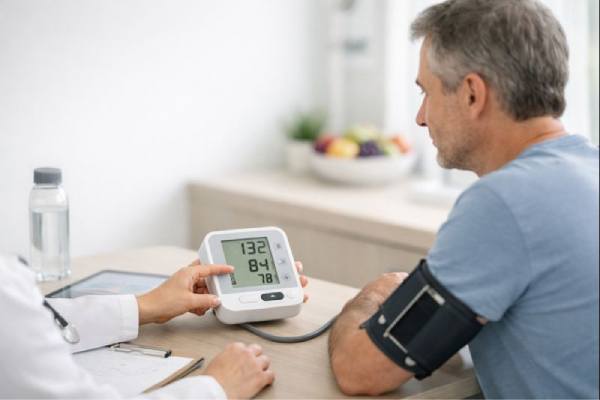
Getting the measurement right
Accurate readings require a few basics:
- Sit quietly for about 5 minutes before measuring.
- Keep feet flat on the floor, back supported, and arm supported at heart level.
- Use the correct cuff size (a too-small cuff can overestimate pressure).
- Avoid caffeine, nicotine, and exercise for about 30 minutes beforehand when possible.
- Take at least two readings, one minute apart, and record the average.
These steps sound simple, but small errors can shift readings enough to change treatment decisions.
Home monitoring and ambulatory monitoring
To confirm borderline hypertension, clinicians often recommend:
- Home blood pressure monitoring: typically done twice daily (morning and evening) for several days to two weeks, then averaged. The goal is a stable picture, not constant checking.
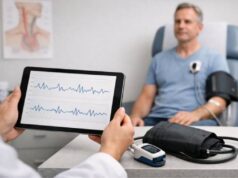
- Ambulatory blood pressure monitoring: a wearable monitor that measures blood pressure over 24 hours, including sleep. It can reveal masked hypertension and show whether nighttime pressure “dips” normally.
Home and ambulatory measurements are especially helpful when:
- Clinic readings are high but you feel calm and well (possible white-coat effect).
- Clinic readings are normal but you have risk factors or organ changes (possible masked hypertension).
- Readings vary widely and you want clarity before starting medication.
Evaluating overall risk and organ strain
Borderline blood pressure is managed differently depending on risk. Clinicians often assess:
- Cardiovascular risk factors (cholesterol, glucose, smoking, family history)
- Kidney function and urine testing for protein
- Heart evaluation when indicated (for example, an ECG, and sometimes an echocardiogram)
- Signs of secondary causes when the pattern is unusual (young onset, sudden change, resistant readings)
Why “borderline” sometimes disappears
A useful and reassuring truth: borderline readings sometimes normalize when measurement improves and triggers are removed. Common reasons include:
- White-coat effect reduced by home monitoring
- Reduced alcohol intake or improved sleep
- Weight loss and improved fitness
- Stopping or adjusting a medication that raises blood pressure (under clinician guidance)
A practical approach is to treat diagnosis as a short project: measure correctly, collect enough data to calculate an average, and then decide based on that average and your risk profile. This avoids two common errors—ignoring a real problem because one reading was “not that high,” or starting lifelong medication because of a one-off spike.
Treatment options and when medicine starts
Treatment for borderline hypertension aims to reduce long-term cardiovascular risk with the least burden and the best sustainability. For many people, the first-line plan is structured lifestyle change plus monitoring, with medication added when risk is higher or blood pressure remains elevated despite a serious attempt at lifestyle improvement.
When lifestyle may be enough
Lifestyle-only management is often reasonable when:
- Blood pressure averages are only mildly elevated
- There is no evidence of organ damage
- Overall cardiovascular risk is low to moderate
- The person is willing to track home readings and follow a plan
A strong lifestyle plan is not vague advice. It uses specific targets (sodium, activity, weight, alcohol) and a timeline for reassessment.
When medication is more likely
Medication may be recommended earlier when:
- Blood pressure is persistently in a clear hypertensive range
- The person has diabetes, kidney disease, known cardiovascular disease, or high calculated risk
- There is evidence of hypertension-related organ strain (for example, heart thickening, kidney protein loss, or retinal changes)
- Home or ambulatory monitoring confirms sustained elevation, including high nighttime readings
- Lifestyle efforts over several months do not bring the average down meaningfully
The key is that medication decisions are increasingly risk-based, not just number-based. Two people with the same average can reasonably receive different recommendations.
What medicines typically do
Blood pressure medications reduce pressure through a few main pathways:
- Relaxing blood vessels
- Reducing salt and water retention
- Slowing heart rate or reducing stress-hormone effects (for selected situations)
Common first-line families include medications that target vessel tone and kidney sodium handling. Clinicians choose based on age, kidney function, other conditions, side-effect profile, and how high the numbers are. Many people do best with low doses and careful titration rather than an aggressive start.
What to expect after starting treatment
A good plan includes:
- A home-monitoring schedule (often a few days per week rather than constant daily checks)
- Clear targets for average readings
- A follow-up timeline to adjust treatment
- Lab monitoring when certain medications are used, particularly those affecting electrolytes or kidney function
An original, practical insight: the goal is not to “win the reading.” The goal is to reduce the average pressure load across the day and night while keeping you feeling well and functioning. That usually requires pairing any medication decision with the same lifestyle foundation—because medication lowers numbers, but lifestyle changes lower both numbers and the drivers that tend to push them back up.
Daily management that actually lowers BP
Daily management is where borderline hypertension often turns around. The most effective plans are specific, measurable, and realistic enough to repeat on ordinary weeks.
Diet patterns that reliably help
Rather than chasing one “superfood,” focus on the pattern:
- Emphasize vegetables, fruits, beans, nuts, whole grains, and minimally processed proteins.
- Choose unsweetened dairy or alternatives when appropriate.
- Replace processed snacks with simple options (fruit, yogurt, nuts) to reduce sodium and improve potassium balance.
Sodium and potassium targets you can use
Borderline hypertension is especially sensitive to sodium in many people. Practical steps:
- Reduce restaurant and packaged foods first; they are the main sodium sources for many diets.
- Read labels for sodium per serving, and compare similar products.
- If you use salt at home, shift to smaller amounts and rely more on herbs, acids (lemon, vinegar), garlic, and spices for flavor.
Potassium-rich foods (when medically appropriate) include beans, lentils, leafy greens, potatoes, bananas, citrus, and yogurt. If you have kidney disease or take medications that raise potassium, discuss targets with your clinician before increasing intake.
Exercise that moves the needle
The most consistent blood-pressure benefits come from:
- Aerobic activity: brisk walking, cycling, swimming, or similar, spread through the week.
- Strength training: a few sessions weekly can improve metabolic health and support weight management.
- Reducing sitting time: short movement breaks can help if your day is desk-heavy.
If you are new to exercise, start with short, frequent sessions. Consistency matters more than intensity.
Weight, alcohol, and sleep: the “big three” outside diet
- Weight: Even modest weight loss can lower blood pressure by reducing hormonal drivers of vessel constriction and salt retention.
- Alcohol: If you drink, reducing intake is often a fast win for blood pressure and sleep quality.
- Sleep: Treat sleep like a health input. If snoring, witnessed apneas, or daytime sleepiness are present, evaluation for sleep apnea can be a turning point.
Home monitoring without obsession
A practical monitoring rhythm:
- Measure in the morning before medications (if any) and in the evening before dinner.
- Do it for a few days each week, or in focused “check-in weeks.”
- Track averages, not single highs.
Borderline hypertension improves most when the plan is steady enough to survive travel, stress weeks, and holidays. Choose two or three high-impact habits you can keep, and treat everything else as optional upgrades. That approach is often more effective than a perfect plan that lasts ten days.
Long-term outlook and when to seek care
The long-term outlook for borderline hypertension is strongly influenced by what happens in the next one to two years. Many people either drift upward into sustained hypertension or stabilize—and sometimes return to near-normal—depending on lifestyle, sleep, weight, and follow-through with monitoring.
What “good control” looks like
A healthy trajectory typically includes:
- A stable home or ambulatory average over months
- Gradual improvement in lifestyle drivers (diet pattern, activity, alcohol, sleep)
- Fewer “surprise” readings because measurement technique is consistent
- Risk factors improving together (waist size, lipid profile, glucose, fitness)
Even when medication is needed, outcomes are excellent when the plan is simple, monitored, and adjusted thoughtfully.
Follow-up timing that prevents drift
Borderline hypertension benefits from planned reassessment rather than “see you next year.” Many clinicians use a pattern such as:
- A focused period of home monitoring to establish baseline averages
- A lifestyle trial with a clear timeline for re-checking averages
- Escalation to medication if averages stay elevated and risk is meaningful
This prevents a common trap: living for years with mildly high blood pressure because nothing felt urgent.
When to contact your clinician promptly
Reach out sooner (not months later) if:
- Home averages are consistently rising across several weeks
- You develop new diabetes, kidney disease, or cardiovascular symptoms
- You notice swelling, shortness of breath with exertion, or chest discomfort
- You suspect a medication is raising your blood pressure
- You are pregnant or planning pregnancy and readings are elevated
When to seek urgent care
Seek emergency evaluation if high blood pressure is accompanied by:
- Chest pain, severe shortness of breath, or fainting
- Sudden one-sided weakness, facial droop, confusion, or trouble speaking
- Sudden vision loss or severe headache unlike your usual
- Severe back or chest pain with a feeling of tearing or collapse
Borderline hypertension is best viewed as an opportunity: a measurable signal that your cardiovascular system is asking for earlier support. With accurate monitoring and a focused plan, many people prevent progression and lower their lifetime risk substantially—often without dramatic interventions, just consistent ones.
References
- 2024 ESC Guidelines for the management of elevated blood pressure and hypertension 2024 (Guideline)
- 2023 ESH Guidelines for the management of arterial hypertension The Task Force for the management of arterial hypertension of the European Society of Hypertension: Endorsed by the International Society of Hypertension (ISH) and the European Renal Association (ERA) 2023 (Guideline)
- Screening for Hypertension in Adults: US Preventive Services Task Force Reaffirmation Recommendation Statement 2021 (Guideline)
- Lifestyle management of hypertension: International Society of Hypertension position paper endorsed by the World Hypertension League and European Society of Hypertension 2024 (Position Paper)
Disclaimer
This article is for educational purposes only and does not provide medical advice, diagnosis, or treatment. Blood pressure interpretation and treatment depend on accurate measurement, repeat readings, medical history, medications, pregnancy status, and overall cardiovascular risk. Do not start, stop, or change prescribed medicines based on this article. If you have very high readings along with chest pain, severe shortness of breath, fainting, confusion, one-sided weakness, trouble speaking, vision loss, or a sudden severe headache, seek urgent medical care immediately. For personal guidance, consult a qualified healthcare professional.
If you found this article helpful, please share it on Facebook, X (formerly Twitter), or any platform you prefer, and follow us on social media. Your support by sharing helps our team continue producing quality health content.