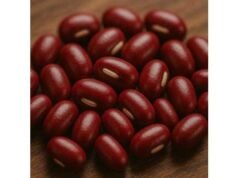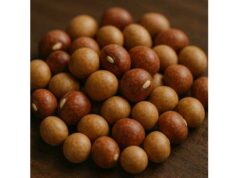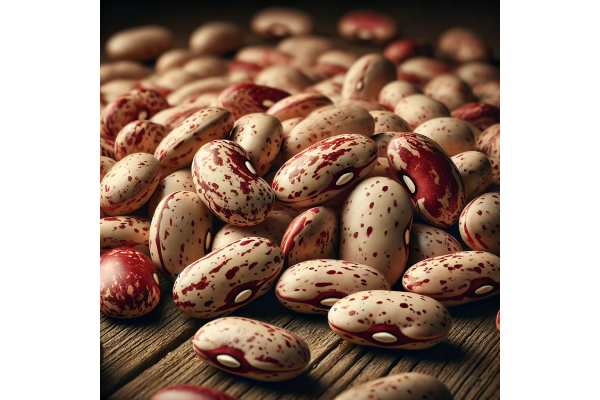
Borlotti beans—also called cranberry or Roman beans—are creamy speckled legumes celebrated across Italian, Portuguese, and Latin American kitchens. Beyond their good looks and nutty flavor, they offer practical advantages: notably high fiber, potassium, folate, and plant protein in an inexpensive, shelf-stable package. A half-cup cooked serving delivers steady energy, helps you feel full, and pairs well with grains and vegetables for balanced meals. Their low glycemic impact makes them a smart carbohydrate for people managing blood sugar. Properly cooked, they are safe for everyday use and fit a wide range of dietary patterns—from Mediterranean to vegetarian and flexitarian—while supporting sustainable farming through nitrogen fixation. Whether simmered in minestrone, braised with rosemary, or folded into salads and grain bowls, borlotti beans add satisfying texture, savory depth, and meaningful nutrition with little effort or cost.
Top Highlights
- High fiber (≈8–9 g per 100 g cooked) and folate (≈200 µg) support heart and metabolic health.
- Low glycemic impact; cooked beans contribute steady energy when paired with whole grains and vegetables.
- Typical serving: ½ cup cooked (≈90 g), enjoyed 3–4 times per week as part of varied meals.
- Safety: eat only fully cooked beans; undercooked legumes can cause stomach upset due to active lectins.
- People with advanced kidney disease or on potassium-restricted diets should limit portions and discuss with a clinician.
Table of Contents
- Borlotti beans at a glance
- Borlotti beans nutrition profile
- Evidence-based benefits of borlotti beans
- Risks, allergies and interactions
- How to select, store and sustain
- Cooking borlotti beans for maximum nutrition
- Portions, comparisons and FAQs
Borlotti beans at a glance
Borlotti beans (Phaseolus vulgaris) are a mottled, tan-and-rose variety closely related to pinto and kidney beans. Their creaminess and thin skins make them ideal for soups, stews, and spreads. Dried borlotti turn a uniform brown after cooking, but their hallmark remains a rich, chestnut-like flavor that stands up to olive oil, garlic, tomatoes, and herbs.
From a nutrition standpoint, they’re a high-fiber, high-folate, potassium-rich legume with modest fat and meaningful protein. In everyday meals, a small portion adds heft to vegetable-forward dishes, helps lower the glycemic load of the meal, and reduces reliance on more expensive animal proteins. As with other pulses, borlotti complement cereal grains nutritionally: they provide lysine, which grains lack, while grains provide methionine, which beans are relatively short on. Combine beans with rice, farro, or whole-grain bread over the day to meet amino acid needs.
For digestion, the slow-release carbohydrates and resistant starch in cooked beans can nourish beneficial gut microbes. Gas-forming oligosaccharides are natural and can be managed through soaking, thorough cooking, and gradual portion increases. Canned beans—already cooked—offer a convenient, time-saving option with similar benefits; a quick rinse reduces sodium and some oligosaccharides while retaining most minerals and fiber.
Culturally and culinarily, borlotti are staples in Italian minestrone, Portuguese feijões, and South American stews. Their adaptability stretches to salads, dips, tacos, and grain bowls. In sustainability terms, they fix atmospheric nitrogen in soil, reducing fertilizer needs and supporting crop rotations—practical advantages for climate-friendly eating. Affordability, long shelf life, and versatility make borlotti beans an easy win for most kitchens.
Borlotti beans nutrition profile
Serving basis for the tables: cooked, unsalted borlotti (cranberry/Roman) beans, per 100 g.
Notes on labeling: % Daily Value (%DV) uses U.S. adult DVs. Energy is in kcal; macronutrients and fiber in g; minerals in mg or µg; vitamins in mg or µg.
Macros & Electrolytes (per 100 g cooked)
| Nutrient | Amount | %DV |
|---|---|---|
| Energy | ~136 kcal | — |
| Protein | 9.3 g | 19% |
| Total Carbohydrate | 24.5 g | 9% |
| Dietary Fiber | 8.6 g | 31% |
| Total Sugars | 0.3 g | — |
| Net Carbohydrate (carbs − fiber) | ~15.9 g | — |
| Total Fat | 0.46 g | 1% |
| Sodium (unsalted) | 0 mg | 0% |
| Potassium | 387 mg | 8% |
Carbohydrates (quality & context)
Cooked borlotti beans are naturally low in sugars and high in fiber and resistant starch. Their glycemic index is low (typical values for cooked common beans are ~30–40), and a 100 g portion has an estimated glycemic load ≈ 6 (based on ~16 g available carbs and a low GI), helping moderate post-meal glucose.
Minerals (per 100 g cooked)
| Mineral | Amount | %DV |
|---|---|---|
| Calcium | 50 mg | 4% |
| Iron | 2.09 mg | 12% |
| Magnesium | 50 mg | 12% |
| Phosphorus | 135 mg | 11% |
| Zinc | 1.13 mg | 10% |
| Copper | 0.232 mg | 26% |
| Manganese | 0.37 mg | 16% |
| Selenium | 1.3 µg | 2% |
Vitamins (per 100 g cooked)
| Vitamin | Amount | %DV |
|---|---|---|
| Folate (DFE) | 207 µg | 52% |
| Thiamin (B1) | 0.21 mg | 17% |
| Riboflavin (B2) | 0.068 mg | 5% |
| Niacin (B3) | 0.51 mg | 3% |
| Vitamin B6 | 0.079 mg | 5% |
| Pantothenic Acid (B5) | 0.24 mg | 5% |
| Vitamin C | 0 mg | 0% |
| Vitamin A | 0 µg RAE | 0% |
| Vitamin E | trace | — |
| Vitamin K | trace | — |
Protein & amino acids
Borlotti provide ~9 g protein per 100 g cooked. They are lysine-rich but relatively low in methionine and cysteine, so pairing with grains over the day supports a complete amino acid pattern.
Fats & fatty acids
Total fat is minimal (~0.5 g/100 g). Saturated fat is very low; small amounts of polyunsaturated fatty acids are present. Cholesterol is 0 mg.
Anti-nutrients & digestion
Raw beans contain lectins and phytic acid; standard soaking and cooking dramatically reduce both. Properly cooked beans are safe for routine consumption. For sensitive digestive systems, start with smaller portions and consider rinsing canned beans to lower oligosaccharides.
Additives & fortification
Plain dried or canned borlotti are typically unfortified. Canned versions may include salt; “no-salt-added” options are widely available.
Footnote: Values reflect cooked, unsalted beans. Seasoning, salting, or slow-cooking in broth changes sodium and may slightly alter some vitamin and mineral values.
Evidence-based benefits of borlotti beans
1) Heart health support
Regular legume intake is associated with a lower risk of cardiovascular disease and coronary heart disease in dose–response analyses, with benefits plateauing around 400 g per week. Borlotti beans contribute soluble and insoluble fiber, potassium, magnesium, and plant sterols that collectively support healthy blood pressure and lipid profiles. Replacing refined starches or some animal proteins with borlotti-based meals can improve overall diet quality while trimming saturated fat and sodium (especially if you choose no-salt-added canned beans).
2) Blood sugar balance
Cooked common beans—borlotti included—have a low glycemic index. Trials and meta-analyses of pulses show meaningful reductions in post-meal glucose and improvements in select longer-term glycemic markers when pulses are included routinely. Mechanisms include slower gastric emptying, viscous fiber, resistant starch formation, and improved insulin signaling from fermentation byproducts such as short-chain fatty acids. Practically, swapping part of the rice or pasta for borlotti, or using a bean–grain mix, can lower the glycemic load of the meal without sacrificing satisfaction.
3) Gut and metabolic benefits via fiber
A 100 g serving provides ~8–9 g of fiber—about one-third of daily needs. This helps promote fullness, support regularity, and nourish beneficial gut bacteria through fermentable fibers and resistant starch. Over time, a fiber-rich dietary pattern is linked to healthier body weight trajectories and improved cardiometabolic markers. If you are new to beans or have a sensitive gut, increase portions gradually and use thorough cooking or rinsing to minimize gas-forming compounds.
4) Nutrient density for key life stages
Borlotti are notable for folate (~200 µg/100 g)—important for red blood cell formation and pregnancy planning—and provide iron, zinc, and magnesium, all with very low saturated fat and zero cholesterol. Combining beans with vitamin C–rich foods (tomatoes, peppers, citrus) enhances non-heme iron absorption at the meal level. For plant-forward eaters, beans are a cornerstone for meeting protein and micronutrient goals at low cost.
5) Sustainability co-benefits
As legumes, borlotti fix nitrogen from the atmosphere, often reducing synthetic fertilizer needs and supporting soil health. Swapping a few meat-based meals for bean-centered dishes each week lowers the diet’s environmental footprint while preserving culinary variety.
How to apply this today
- Build a bowl: ½ cup borlotti + ½ cup cooked whole grain + 2 cups vegetables + olive oil, herbs, and lemon.
- Soup upgrade: Stir in 1 cup cooked borlotti near the end for protein and fiber without clouding the broth.
- Lunch staple: Mash with olive oil, garlic, and lemon for a quick spread on whole-grain toast with greens.
Risks, allergies and interactions
Undercooked beans
Raw or undercooked beans can contain active lectins that cause acute gastrointestinal symptoms (nausea, vomiting, diarrhea) within hours. Standard home methods—soaking then boiling until tender or pressure-cooking from dry—fully inactivate these proteins. Canned beans are already cooked and safe to eat as packaged.
Allergy and cross-reactivity
True allergy to common beans is uncommon but possible. Cross-reactivity can occur among legumes (e.g., peanut, soy, lentil, chickpea, other common beans). Symptoms can include hives, swelling, wheeze, or anaphylaxis. Anyone with a diagnosed legume allergy should follow individualized medical guidance; carry prescribed emergency medication if applicable.
Digestive comfort
Oligosaccharides (e.g., raffinose, stachyose) can cause gas and bloating, especially when you suddenly increase intake. Helpful strategies:
- Start with 2–3 tablespoons and increase over 2–3 weeks.
- Soak dried beans and discard soaking water before cooking.
- Cook thoroughly until beans are creamy, not al dente.
- Rinse canned beans for 10–20 seconds before eating.
- Try smaller portions more often (e.g., ¼–½ cup per meal).
Minerals and medical conditions
- Potassium: People with advanced kidney disease or on potassium-restricted diets may need to limit portion sizes and frequency.
- Iron: Beans contain non-heme iron. Pair with vitamin C foods to enhance absorption; tea and coffee at meals can reduce it.
- Phytates: Present in raw beans and partly retained after cooking, phytates can modestly reduce mineral absorption at a single meal; varied diets and standard cooking methods minimize practical impact.
Medications
No common prescription drug interactions are specific to borlotti beans when fully cooked. Individuals on MAO inhibitors should note that beans have negligible tyramine when cooked fresh or from canned; issues typically arise from aged or fermented foods, not cooked pulses.
Food safety and contaminants
Like other crops, beans can be exposed to mycotoxins if poorly stored and to trace environmental contaminants in the supply chain. Reputable brands, proper drying, and airtight storage in a cool, dark place dramatically reduce risk. Discard beans with mold, off-odors, or insect damage.
Who should be cautious
- People with a legume allergy.
- Those with advanced chronic kidney disease requiring potassium restriction.
- Anyone with severe IBS during a flare (reintroduce gradually; consider smaller portions or pureed soup preparations).
How to select, store and sustain
Selecting
- Dried: Choose beans with even size and color, minimal cracked or split pieces, and no signs of moisture, insects, or dust. Prefer recent harvests if listed; older beans can take longer to cook.
- Canned: Look for “no-salt-added” or low-sodium options. Inspect seams and lids; avoid bulging or dented cans. Ingredients should be simple: beans, water, salt (optional).
- Pre-cooked vacuum packs: Convenient and typically low in sodium; refrigerate after opening and use within 3–4 days.
Storing
- Dried beans: Transfer to airtight containers; store in a cool, dark cabinet. Ideal shelf life is up to 1–2 years for best texture.
- Cooked beans: Refrigerate in their cooking liquid for 3–4 days; freeze for 2–3 months. Label with date and portion sizes (1 cup or ½ cup).
- Canned leftovers: After opening, move beans and liquid to a glass container; refrigerate and use within 3–4 days.
Quality tips
- Hard-to-soft variability comes from age, mineral content of water, and acidity. If beans won’t soften, try soaking in brine (about 1 tablespoon salt per liter) for 8–12 hours and cooking in fresh water.
- Acidic ingredients (tomatoes, vinegar) can toughen skins if added early; add once beans are nearly tender unless you prefer a firmer texture.
Sustainability
- As legumes, borlotti improve soil fertility via nitrogen fixation, reducing synthetic fertilizer needs.
- Choose dried or bulk when practical to cut packaging.
- Batch-cook and freeze to reduce food waste.
- Consider local or regional suppliers in season; storage and transport distances can affect footprint.
Budget-friendly planning
- Cook a 1-pound (450 g) batch; portion into five to six ½-cup servings for quick add-ins across the week.
- Use the brothy cooking liquid for soups and sauces to capture soluble nutrients and flavor.
Cooking borlotti beans for maximum nutrition
Goal: make beans tender, digestible, and flavorful while preserving minerals and fiber.
From dry (standard method)
- Sort and rinse. Remove any debris or stones.
- Soak (optional but helpful). For even cooking and easier digestion, soak 8–12 hours. For a quick soak, cover beans with water, boil 2 minutes, turn off heat, cover, and rest 1 hour; drain and proceed.
- Cook gently. Add beans to fresh water (about 3:1 water to beans by volume) with aromatics (garlic, bay leaf). Bring to a gentle simmer; cook until creamy inside—typically 60–90 minutes for borlotti depending on bean age and soaking.
- Season. Salt to taste near the end or brine-soak beforehand and salt earlier. Add acidic ingredients (tomatoes, wine, vinegar) once beans are nearly tender.
Pressure cooker (from soaked or unsoaked)
- Soaked: High pressure ~6–10 minutes; natural release 15 minutes; check tenderness.
- Unsoaked: High pressure ~20–25 minutes; natural release 15–20 minutes.
Pressure cooking reliably softens older beans and reduces lectins and oligosaccharides efficiently.
Canned beans (fast track)
- Drain and rinse to remove excess sodium and some oligosaccharides.
- Warm gently in water or broth; season to taste. For salads, toss directly with vinaigrette.
Flavor builders that protect nutrients
- Aromatics: onion, garlic, celery, bay, thyme, rosemary.
- Fats: Extra-virgin olive oil added at the end improves mouthfeel and absorption of fat-soluble compounds in the meal.
- Add-ins for iron uptake: finish with lemon juice, chopped tomatoes, or roasted peppers to enhance non-heme iron absorption.
Nutrient retention pointers
- Use minimal water and keep the cooking liquid for soups or sauces to retain water-soluble B vitamins and minerals.
- Avoid prolonged, vigorous boiling that can split skins and leach nutrients; aim for a gentle simmer.
- If you’re sensitive to gas, discard soaking water and cook in fresh water, understanding you’ll lose some soluble nutrients—an acceptable trade-off for comfort.
Make-ahead ideas
- Brothy borlotti: Simmer with garlic, rosemary, and chili; finish with olive oil and lemon.
- Creamy mash: Blend warm beans with olive oil, garlic, and a splash of cooking liquid for a quick spread.
- Weeknight stew: Combine beans with sautéed onions, canned tomatoes, kale, and farro.
Portions, comparisons and FAQs
Portions and frequency
- Typical serving: ½ cup cooked (≈90 g).
- Weekly cadence: 3–4 servings per week fits well in heart-healthy and Mediterranean-style patterns. Increase gradually if you’re new to beans.
How do borlotti compare to pinto and kidney beans?
- Texture: Borlotti are creamier with thinner skins than kidney beans; similar to pintos but a bit richer.
- Flavor: Nutty and slightly sweet; they take on seasonings well.
- Nutrition: All three are high-fiber, low-fat, and potassium-rich. Borlotti and pinto are comparable in protein and minerals; kidney beans can be slightly lower in folate per equal weight when cooked.
Are canned borlotti as healthy as cooked-from-dry?
Yes. Canned beans are fully cooked and retain fiber, minerals, and most B vitamins. Rinsing reduces sodium by ~30–40% and removes some gas-forming sugars. For maximum mineral retention and flavor, use the canning liquid (aquafaba) in soups unless you’re watching sodium.
Do I need to combine beans with rice at the same meal?
No. Complementary proteins work across the day. Enjoy borlotti in meals with grains, nuts, seeds, or dairy over 24 hours and you’ll meet amino acid needs.
How can I minimize gas?
- Soak and rinse; cook gently until creamy.
- Start with small servings and increase weekly.
- Try pureed soups or mashes at first, which can be easier to tolerate.
- Consider carminative herbs (bay, cumin, fennel, rosemary) for culinary support.
Tips for specific goals
- Blood pressure: Pair borlotti with potassium-rich vegetables and keep added salt modest.
- Iron: Add vitamin C–rich foods to meals with beans.
- Weight management: Build high-volume bowls (beans + vegetables + lean protein or whole grains) to enhance fullness with fewer calories.
Culinary quick ideas
- Warm salad: borlotti + cherry tomatoes + arugula + tuna or tofu + lemon–olive oil dressing.
- Pasta e fagioli: stir beans into tomato–garlic broth with small pasta shapes.
- Taco night: mash borlotti with chipotle and lime for an easy filling.
References
- Nutrition Facts for Cooked Cranberry Beans (Roman Beans) 2025 (Data)
- Pulse consumption improves indices of glycemic control in adults with and without type 2 diabetes: a systematic review and meta-analysis of acute and long-term randomized controlled trials – PubMed 2021 (Systematic Review)
- Intake of legumes and cardiovascular disease: A systematic review and dose-response meta-analysis – PubMed 2023 (Systematic Review)
- Natural Toxins in Food 2024 (Guidance)
- Legumes and pulses – a scoping review for Nordic Nutrition Recommendations 2023 – PubMed 2024 (Scoping Review)
Disclaimer
This article is for general education and is not a substitute for personalized medical advice, diagnosis, or treatment. Always consult a qualified health professional about your specific health needs, medical conditions, and any dietary changes—especially if you have kidney disease, significant digestive symptoms, or food allergies.
If you found this helpful, please consider sharing it with friends or on Facebook or X (formerly Twitter). Your support helps us continue creating practical, high-quality nutrition guides.