A brachial artery embolism is a sudden blockage in the main artery of the upper arm caused by material that travels through the bloodstream and gets stuck—most often a blood clot. Because the brachial artery feeds the forearm and hand, the problem can become urgent quickly: muscles and nerves tolerate low blood flow for only hours before lasting injury becomes more likely. The good news is that rapid treatment often restores circulation and preserves function, especially when symptoms are recognized early.
This guide explains what brachial artery embolism is, why it happens, how it typically feels, and how clinicians confirm the diagnosis. You will also learn what treatment usually looks like in the emergency setting, what recovery can involve, and how to lower the chance of it happening again.
Table of Contents
- What it is and why it matters
- Why it happens and who is at risk
- Warning symptoms and danger signs
- How it is diagnosed fast and safely
- Treatments that restore blood flow
- Recovery, prevention, and when to seek care
What it is and why it matters
A brachial artery embolism is an abrupt interruption of blood flow in the brachial artery due to an embolus—material that forms elsewhere and travels until it wedges in a narrower vessel. In real-world practice, the embolus is most commonly a blood clot that originates in the heart or in a large artery and then “shoots” into the arm’s circulation. Less commonly, it can be cholesterol debris, infected material, or (rarely) tumor fragments.
What makes this condition different from slower-developing circulation problems is the speed. A gradual narrowing from plaque can allow the body time to build small detours (collateral vessels). An embolus arrives without warning, so collaterals may not be able to compensate. That is why a hand can go from normal to dangerously under-perfused in a short window.
How it affects the arm and hand
When blood cannot reach tissues downstream, oxygen delivery drops. Early on, nerves tend to complain first, so people often notice tingling, numbness, or pain out of proportion to what they can see on the skin. As ischemia continues, muscles weaken, grip strength fades, and fine motor control becomes difficult. If severe ischemia persists, tissue injury can become irreversible.
Clinicians often describe acute limb ischemia using the “6 Ps” because they track what the body is losing:
- Pain (often sudden and severe)
- Pallor (pale skin)
- Pulselessness (weak or absent pulse at the wrist)
- Paresthesia (tingling or numbness)
- Paralysis (weakness, an ominous sign)
- Poikilothermia (the limb feels cold compared with the other side)
Not everyone has all six signs, and the early picture may be subtle—especially in older adults, people with diabetes, or those who already have nerve symptoms for other reasons. Still, the key theme is sudden change in circulation and sensation.
Why timing changes outcomes
Many emergency treatments aim to restore flow within hours, not days. The longer nerves and muscles stay under-perfused, the higher the risk of complications such as persistent numbness, stiffness, muscle loss, skin breakdown, or, in extreme cases, amputation. Even when blood flow is restored, the return of circulation can trigger swelling and inflammation (reperfusion injury), which may require close monitoring.
If you remember only one practical point: sudden arm or hand symptoms that suggest poor blood flow should be treated as time-sensitive, similar in urgency to chest pain or stroke symptoms.
Why it happens and who is at risk
Brachial artery embolism is usually a downstream consequence of a problem elsewhere. Understanding the source matters because treating the blockage alone is not enough; preventing recurrence requires addressing where the embolus came from.
Common sources of emboli
The most frequent source is the heart. Clots can form when blood flow inside the heart becomes turbulent or sluggish, then break free. Common cardiac contributors include:
- Atrial fibrillation or atrial flutter (irregular rhythm that can promote clot formation in the atria)
- Recent heart attack with areas of poor wall motion where clots can form
- Heart valve disease (especially when valves are abnormal or infected)
- Prosthetic heart valves (mechanical valves carry specific clot risks and anticoagulation needs)
- Dilated or poorly pumping ventricles (advanced cardiomyopathy)
Another important source is large arteries. Atherosclerotic plaque in the aorta or subclavian arteries can shed thrombus or cholesterol debris. After vascular procedures (such as catheterization), small emboli can also occur, sometimes days to weeks later.
Risk factors that increase likelihood
Risk factors tend to cluster into three buckets: rhythm/heart structure, vessel disease, and clotting tendency.
Heart and rhythm factors:
- Atrial fibrillation (especially if not anticoagulated)
- Prior stroke or systemic embolism
- Heart failure with reduced pumping function
- Recent heart surgery or invasive cardiac procedures
Vessel and plaque factors:
- Smoking history
- Diabetes
- High LDL cholesterol
- Chronic kidney disease
- Known peripheral artery disease or carotid disease
Clotting tendency factors (less common but important):
- Active cancer
- Recent major surgery or prolonged immobilization
- Hormone therapy in select contexts
- Inherited thrombophilias (usually considered when events occur at young age or recur without explanation)
Embolism versus thrombosis
People often ask whether the clot “formed there” or “traveled there.” In an embolism, the blockage typically appears suddenly in an artery that was previously open, and the rest of the artery may look relatively healthy. In thrombosis, the clot usually forms on top of local plaque or injury, and symptoms may be preceded by exertional arm fatigue, prior episodes of cold fingers, or known narrowing on imaging.
This distinction matters because:
- Embolism often points clinicians toward a heart evaluation and long-term anticoagulation decisions.
- Thrombosis often points toward local artery disease management (antiplatelet therapy, statins, and risk-factor control) and may require treating the underlying narrowing to prevent re-occlusion.
In practice, clinicians treat the emergency first—restore flow—then investigate the source with the urgency it deserves.
Warning symptoms and danger signs
Brachial artery embolism can look dramatic or deceptively mild, depending on where the clot lodges and how much collateral flow a person has. The safest approach is to take sudden changes seriously, especially when they involve circulation or nerve function.
Early symptoms people notice
Symptoms often begin abruptly, and many people can name the moment it started. Common early complaints include:
- Sudden hand or forearm pain, often deep and persistent
- Coldness in the hand compared with the other side
- Tingling, numbness, or a “pins and needles” sensation
- A hand that looks pale or slightly bluish
- Weak grip, clumsiness, or difficulty buttoning or writing
Pain can be the dominant symptom, but not always. Some people feel more numbness than pain, especially if they have baseline neuropathy or take medications that blunt pain perception.
What clinicians look for on exam
In a focused vascular exam, clinicians compare both arms because small differences matter. Findings that raise concern include:
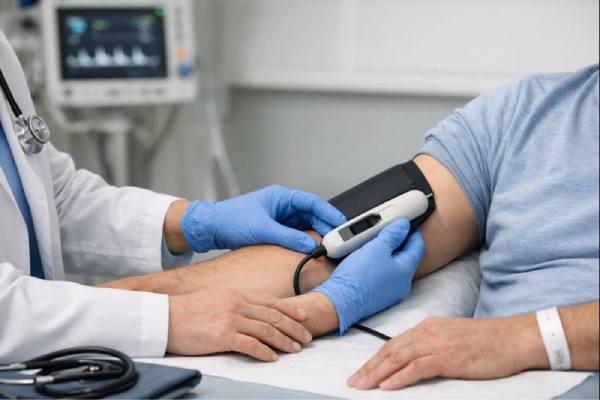
- Weaker or absent radial and ulnar pulses at the wrist
- Slower capillary refill in fingertips (pressing the nail bed and watching color return)
- Cooler skin temperature downstream from the blockage
- Reduced sensation to light touch or pinprick
- Reduced motor strength (finger spread, wrist extension, thumb opposition)
A key point: a detectable pulse does not automatically rule out a serious problem. Some partial blockages allow a weak pulse, and some people have anatomical variations. Clinicians interpret pulses alongside symptoms and other tests.
Danger signs that require emergency action
Certain symptoms suggest severe ischemia or threatened limb viability. If these occur, urgent emergency evaluation is warranted:
- New weakness that is progressing (difficulty lifting the wrist or moving fingers)
- Dense numbness (the hand feels “dead” or profoundly altered)
- Severe pain that escalates or becomes unbearable
- A hand that becomes mottled, dusky, or increasingly pale
- Symptoms plus chest pain, shortness of breath, fainting, or stroke-like symptoms (which may indicate a broader embolic event)
Another critical complication to know about is compartment syndrome, which can occur after reperfusion or prolonged ischemia. Warning signs include increasing tightness and swelling in the forearm, pain with passive finger movement, and worsening sensation or strength. This is a surgical emergency because rising pressure can strangle circulation and nerves even after the artery is reopened.
If you are uncertain whether symptoms “count,” focus on the pattern: sudden onset plus circulation or nerve changes is enough reason to seek urgent care.
How it is diagnosed fast and safely
Diagnosis usually happens in parallel with treatment preparation because time matters. Clinicians aim to confirm reduced blood flow, locate the blockage, assess how threatened the limb is, and identify likely sources for the embolus.
Initial bedside assessment
A careful history and exam often provide the first strong clues. Clinicians ask about:
- Exact time of symptom onset and how symptoms evolved
- Prior episodes of similar symptoms
- History of atrial fibrillation, heart attack, valve disease, or vascular procedures
- Current medications, especially anticoagulants and antiplatelets
- Bleeding risks (important if thrombolysis might be considered)
Bedside tools can accelerate confirmation. Point-of-care ultrasound may help identify a proximal occlusion and absent flow signals, especially in emergency settings where rapid decisions are needed.
Imaging tests used to locate the blockage
Common imaging choices include:
- Duplex ultrasound: Combines anatomic imaging with Doppler flow assessment. It can identify where flow stops, estimate clot burden, and sometimes suggest whether the artery wall looks relatively normal (supporting embolism) or diseased (supporting thrombosis). It is noninvasive and fast when available.
- CT angiography: Often used when clinicians need a detailed roadmap before an intervention. It can show the exact level of occlusion, downstream runoff, and any underlying narrowing. It also helps plan whether an open embolectomy, endovascular therapy, or hybrid approach is most suitable.
- Catheter angiography: Used when a procedure is planned, because it can diagnose and treat in the same session. It can also help when noninvasive imaging is unclear.
The “best” test depends on the facility, time of day, patient stability, kidney function, and whether intervention is imminent.
Blood tests and heart evaluation
Blood tests do not diagnose the embolism directly, but they guide safety and detect complications:
- Complete blood count (anemia or infection clues)
- Kidney function and electrolytes (important for contrast and overall risk)
- Coagulation studies (baseline bleeding risk and anticoagulation management)
- Markers of muscle injury may be checked in significant ischemia
Because the heart is a common source, clinicians often evaluate for an embolic origin with:
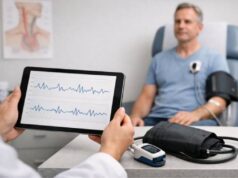
- ECG to detect atrial fibrillation or other rhythm issues
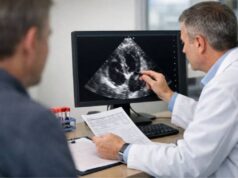
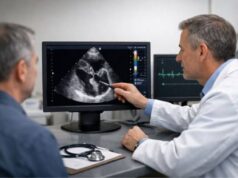
- Echocardiography to look for clots, valve disease, or poor pumping function
- Selective imaging of large arteries if plaque embolization is suspected
One practical reality: the heart workup may continue after blood flow is restored, but it should not be skipped. Preventing a second embolus—possibly to the brain or another limb—can be as important as fixing the first.
Assessing limb threat
Clinicians classify acute limb ischemia severity to decide how urgently and aggressively to intervene. In general, sensory loss, motor weakness, and absent Doppler signals suggest a more threatened limb and a narrower window for salvage. This classification influences whether immediate surgery is preferred over slower approaches.
Treatments that restore blood flow
Treatment has two goals: restore perfusion to the arm and prevent the next embolus. The first hours often focus on limb salvage and symptom control; the days and weeks after focus on source management and long-term prevention.
Immediate steps in emergency care
In many cases, clinicians start systemic anticoagulation promptly (often with intravenous unfractionated heparin) unless there is a strong contraindication such as active major bleeding. Anticoagulation does not “melt” the clot instantly, but it helps prevent clot propagation and new emboli while definitive therapy is arranged.
Supportive steps may include:
- Pain control (ischemic pain can be severe)
- Keeping the limb at a neutral position and avoiding cold exposure
- Managing blood pressure and heart rhythm abnormalities
- Rapid consultation with vascular surgery or an endovascular specialist
Open surgical embolectomy
For many brachial artery emboli, especially when symptoms are significant and the limb is threatened, a classic operation is a Fogarty catheter embolectomy. In simple terms, a surgeon makes a small incision over the artery, inserts a balloon catheter past the clot, inflates it, and gently pulls the clot out. Flow can return immediately.
What to expect with embolectomy:
- It is often performed urgently, sometimes under regional or general anesthesia depending on the patient and circumstances.
- Surgeons may explore further downstream if flow does not return as expected, because emboli can fragment into smaller arteries.
- If the artery wall has underlying narrowing, additional repair or patching may be needed.
Embolectomy is not “set and forget.” The period after restoring flow requires close monitoring for recurrent occlusion, swelling, and nerve recovery.
Endovascular options and thrombolysis
In selected cases—especially when the clot extends into smaller arteries, when surgery carries high risk, or when there is mixed clot and plaque disease—endovascular therapy may be considered. Options can include:
- Catheter-directed thrombolysis (delivering clot-dissolving medication at the clot)
- Mechanical thrombectomy devices (physically removing or fragmenting clot)
- Balloon angioplasty or stenting if an underlying narrowing is discovered and needs treatment
Thrombolysis can be effective, but it carries bleeding risk. Clinicians weigh factors such as recent surgery, history of brain bleeding, uncontrolled hypertension, or other contraindications. When thrombolysis is used, it typically requires close monitoring in a higher-acuity setting, with repeat imaging to assess progress.
When bypass or fasciotomy is needed
If the artery is severely diseased or damaged, or if the clot cannot be removed effectively, a bypass may be needed to route blood around the blockage. This is less common for straightforward emboli but can be essential when there is significant local artery pathology.
Fasciotomy may be required when compartment pressures rise and threaten muscles and nerves. This is more likely when ischemia has been prolonged or when reperfusion leads to major swelling. It can sound intimidating, but when needed, fasciotomy is a limb-saving procedure.
Addressing the source and preventing recurrence
After the acute event, clinicians focus on “why this happened,” because recurrence is a real concern without source control.
Typical prevention steps include:
- Treating atrial fibrillation (rate or rhythm control) and deciding on long-term anticoagulation
- Evaluating for cardiac clots or valve disease and treating when indicated
- Starting or optimizing vascular risk reduction (statins, smoking cessation, diabetes control)
- Considering antiplatelet therapy when atherosclerosis is a major contributor (individualized to the clinical picture)
For patients, the most actionable takeaway is that a brachial artery embolism is rarely “a one-off.” A prevention plan is part of the treatment, not an optional add-on.
Recovery, prevention, and when to seek care
Recovery depends on how quickly flow was restored, how long nerves and muscles were under-perfused, and whether a person has ongoing risk factors like atrial fibrillation or advanced atherosclerosis. Many people recover good function, but it is common to have a period of lingering symptoms that gradually improve.
What recovery can feel like
In the days after treatment, it is normal for the arm to feel “different.” Common experiences include:
- Residual tingling or numbness that improves over weeks
- Hand weakness or stiffness, especially after swelling or immobilization
- Increased sensitivity to cold for a period of time
- Bruising or soreness at incision or catheter sites
Clinicians may monitor for:
- Re-occlusion (return of pain, coldness, or pulse changes)
- Swelling and compartment syndrome, particularly within the first 24–48 hours after reperfusion
- Signs of systemic complications, such as stroke or heart issues, depending on the embolic source
Physical or occupational therapy can be valuable when fine motor skills or grip strength have been affected. Early guided movement can help prevent stiffness, but it should follow clinician advice—especially if an incision needs time to heal.
Medication and monitoring basics
Long-term medication choices depend on the source:
- If atrial fibrillation or a cardiac clot risk is identified, long-term anticoagulation is commonly recommended.
- If atherosclerosis is prominent, clinicians often emphasize statin therapy and, in many cases, antiplatelet therapy (tailored to bleeding risk and overall vascular plan).
- If the event followed a procedure or was linked to a temporary risk factor, the duration of anticoagulation may be individualized.
Practical monitoring habits that help:
- Take medications exactly as prescribed and clarify what to do if a dose is missed.
- Know the warning signs of bleeding if you are on anticoagulation (unusual bruising, black stools, vomiting blood, severe headache, or sudden weakness).
- Attend follow-up for rhythm monitoring, echocardiography results, and vascular reassessment if recommended.
Risk reduction that actually moves the needle
Lifestyle changes are not generic “health advice” here—they directly reduce the chance of another embolic event and improve artery health:
- Stop smoking completely (even low-level smoking increases vascular risk)
- Aim for consistent blood pressure control with home readings if advised
- Manage diabetes and cholesterol with concrete targets set by your clinician
- Maintain regular physical activity as tolerated; even brisk walking most days supports vascular and cardiac health
- Treat sleep apnea if present, as it can worsen rhythm and blood pressure control
If the embolus source was atrial fibrillation, prevention often hinges on anticoagulation adherence and rhythm management. If the source was plaque embolization, the emphasis is often aggressive lipid lowering and vascular risk control.
When to seek urgent care again
Seek urgent medical attention if you develop:
- Sudden recurrence of arm or hand pain, coldness, numbness, or color change
- New weakness in the hand or arm
- Symptoms of stroke (face droop, speech difficulty, one-sided weakness)
- Chest pain, severe shortness of breath, or fainting
- Signs of major bleeding if on anticoagulation
A helpful rule: treat any sudden “circulation plus nerve” change like an emergency until proven otherwise. It is far better to be evaluated and reassured than to wait through a window when treatment would have been simpler and outcomes better.
References
- Editor’s Choice – Update of the European Society for Vascular Surgery (ESVS) 2020 Clinical Practice Guidelines on the Management of Acute Limb Ischaemia in Light of the COVID-19 Pandemic, Based on a Scoping Review of the Literature 2022 (Guideline Update)
- Acute Upper Extremity Arterial Occlusion Diagnosed on POCUS in the Emergency Department 2023 (Clinical Report)
- 2024 ACC/AHA/AACVPR/APMA/ABC/SCAI/SVM/SVN/SVS/SIR/VESS Guideline for the Management of Lower Extremity Peripheral Artery Disease: A Report of the American College of Cardiology/American Heart Association Joint Committee on Clinical Practice Guidelines 2024 (Guideline)
- Outcomes of Surgical Revascularization for Acute Upper Limb Ischemia- A Single-Center Retrospective Analysis 2025 (Retrospective Study)
Disclaimer
This article is for general education and does not replace personalized medical advice, diagnosis, or treatment. Brachial artery embolism can threaten limb function and may signal a serious underlying heart or vascular condition that requires urgent care. If you have sudden arm or hand pain, coldness, numbness, weakness, or color change, seek emergency evaluation right away. Treatment decisions—especially around anticoagulants, thrombolysis, and surgery—depend on your symptoms, timing, medical history, and bleeding risk, and should be made with qualified clinicians.
If you found this article helpful, please consider sharing it on Facebook, X (formerly Twitter), or any platform you prefer, and follow us on social media. Your support through sharing helps our team continue producing reliable, high-quality health content.