Brachial artery thrombosis means a blood clot has formed inside the brachial artery—the main “highway” artery of the upper arm that feeds the forearm and hand. Unlike a bruise or a clot in a vein, this is an arterial blockage: it can reduce oxygen delivery to muscles, nerves, and skin within minutes to hours. Some cases arrive suddenly with dramatic pain and a cold, pale hand. Others build more quietly on top of existing narrowing, creating progressive weakness, numbness, or finger color changes. The good news is that upper-limb blood flow can often be restored, especially when treatment starts early. This guide explains what brachial artery thrombosis is, why it happens, who is at risk, how it feels, how clinicians confirm the diagnosis, what treatment usually involves, and how to lower the chance of recurrence.
Table of Contents
- What it is and why it matters
- What causes a clot in the brachial artery
- Symptoms and red flags in the arm and hand
- How brachial artery thrombosis is diagnosed
- Treatment options and what to expect
- Management after treatment and preventing recurrence
What it is and why it matters
The brachial artery runs down the inside of the upper arm and typically divides near the elbow into the radial and ulnar arteries, which supply the hand. A thrombosis is a clot that forms in place—often on an injured or narrowed artery wall—rather than a traveling clot that lodges there from elsewhere. In real life, the distinction between “thrombosis” (forms locally) and “embolism” (travels) matters because it changes what clinicians look for, how likely the artery is to be diseased in other places, and the long-term prevention plan.
When the artery suddenly narrows or blocks, tissues downstream start running on “low oxygen.” Nerves are especially sensitive. That is why numbness, tingling, or weakness can be an early sign that the situation is urgent. Muscles follow: prolonged lack of blood flow can lead to tissue damage, severe swelling, and loss of function.
Clinicians often frame upper-limb arterial blockages under the umbrella of acute limb ischemia—an emergency defined by a rapid drop in perfusion. A practical way to think about time is:
- Minutes to a few hours: pain, coolness, color change, and sensory symptoms can appear.
- Several hours: motor weakness becomes more likely, and outcomes worsen if flow is not restored.
- Longer delays: tissue injury can trigger swelling and “reperfusion” problems after blood flow returns.
Not every case is dramatic. Some people have partial blockage and good collateral circulation (natural detours). They may notice hand fatigue when using tools, symptoms that come and go, or finger discoloration that improves with warming. Even then, recurrent episodes can signal an unstable clot or an artery that is repeatedly narrowing, and that still deserves medical attention.
What causes a clot in the brachial artery
A clot forms when blood flow slows, the vessel lining is injured, or the blood becomes more prone to clotting. In the brachial artery, the most common real-world drivers are local vessel injury or narrowing, plus systemic risks that “tip the balance.”
Common causes and contributors include:
- Atherosclerosis and plaque disruption: Fatty plaque can narrow the artery. If the surface cracks, platelets can form a clot on top. Upper-arm atherosclerosis is less common than leg disease, but it occurs—especially in smokers, people with diabetes, kidney disease, or long-standing high cholesterol.
- Trauma or repetitive injury: A fracture, blunt impact, or penetrating injury can damage the arterial lining. Repetitive compression near the shoulder or elbow can also irritate vessels in susceptible anatomy.
- Medical and procedural injury: Arterial lines, catheterization, injections near arteries, or prior vascular surgery can injure the artery wall and create a site for clot formation.
- Aneurysm or vessel abnormality: A bulging segment can create turbulent flow where clot forms and then extends or breaks off.
- Inflammatory vessel disease: Conditions such as vasculitis can inflame and narrow arteries, increasing clot risk.
- Hypercoagulable states: Some cancers, hormone therapy, pregnancy and the postpartum period, inherited clotting disorders, or autoimmune conditions can increase clot tendency.
- Severe dehydration or shock states: Reduced circulating volume can worsen sluggish flow, especially where there is already narrowing.
Risk factors that raise the odds—often in combination—include:
- Tobacco use (including vaping nicotine products)
- Diabetes
- High blood pressure and high LDL cholesterol
- Chronic kidney disease
- A prior history of arterial disease, stroke, or heart attack
- Atrial fibrillation or structural heart disease (more related to embolism, but still relevant because mixed mechanisms occur)
- Older age, especially with multiple vascular risk factors
- Recent surgery, prolonged immobility, or active cancer (systemic clot risk)
A useful clinical clue is the pattern. Thrombosis that forms on top of chronic narrowing may come with a history of intermittent symptoms: hand fatigue, cold sensitivity, reduced stamina, or prior episodes of finger discoloration. Sudden severe symptoms in someone without arm artery disease may push clinicians to also look for a “source” upstream (heart or large arteries), because treatment and prevention can differ.
Symptoms and red flags in the arm and hand
Symptoms depend on how much blood flow is blocked, how quickly it happened, and whether collateral vessels can compensate. Many clinicians teach the classic “6 Ps” of acute limb ischemia, which also help patients and families recognize urgency.
Typical symptoms and signs include:
- Pain: Often sudden, severe, and deep; may start in the forearm or hand and spread up the arm. Some people feel cramping with use.
- Pallor or color change: The hand may look pale, mottled, or bluish. Fingers can blanch (turn white) and refill slowly after pressure.
- Pulselessness: Wrist pulses may be weaker or absent compared with the other side (though pulses can still be present in partial blockage).
- Paresthesia: Tingling, numbness, “pins and needles,” or reduced sensation.
- Paralysis or weakness: Difficulty moving fingers, reduced grip strength, or dropping objects—this is a high-priority warning sign.
- Poikilothermia: The hand feels noticeably colder than the other.
Other clues people report:
- A forearm that tires quickly when carrying bags or using tools
- Finger pain that wakes them at night or improves when the hand is lowered
- New clumsiness: buttons, keys, or typing become harder
- Wounds on fingers that heal slowly or look unusually pale around the edges
Symptoms that should prompt urgent emergency evaluation include:
- Sudden severe arm or hand pain with coldness or color change
- New numbness or weakness in the hand or fingers
- A hand that becomes rapidly pale, mottled, or blue
- Severe swelling and tightness after symptoms began (especially after attempted warming or vigorous massage)
A practical safety note: avoid aggressive massage, extreme heat, or “testing” the hand with strenuous activity. Those actions do not dissolve the clot and may worsen tissue injury. If symptoms are sudden or progressive, prompt medical care is the safest move.
Complications of delayed treatment can include nerve injury (persistent numbness), muscle damage, compartment syndrome (dangerous pressure build-up in the forearm), tissue loss in severe cases, and systemic stress once blood flow returns (reperfusion injury). Early assessment is the best protection against these outcomes.
How brachial artery thrombosis is diagnosed
Diagnosis starts with speed and basics: comparing the affected arm with the other side, checking pulses, temperature, capillary refill, skin color, and neurological function (sensation and motor strength). Clinicians also look for signs of chronic vascular disease (skin changes, nail changes, slow-healing cuts) and ask targeted questions: When did symptoms start? Were there prior episodes? Any recent procedures, trauma, new medications, or a history of irregular heartbeat?
Key elements of the workup often include:
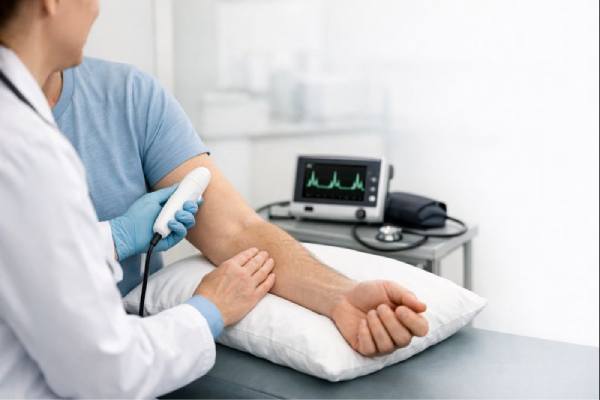
- Bedside vascular exam: Palpation and Doppler ultrasound at the wrist and elbow to detect flow signals, even when pulses are hard to feel.
- Handheld Doppler and pressure measurements: In some settings, clinicians compare pressures along the arm to estimate where flow drops.
- Duplex ultrasound (vascular ultrasound): Often the first imaging test because it is quick and noninvasive. It can show where flow stops, whether the artery is narrowed, and whether the clot looks fresh or layered on chronic disease.
- CT angiography (CTA) or MR angiography (MRA): Used when detailed mapping is needed—especially if surgery or an endovascular procedure is likely. These scans show the exact location and length of blockage and the condition of arteries downstream.
- Catheter angiography: Sometimes used when clinicians expect to treat during the same session (for example, thrombolysis or thrombectomy). It provides real-time images and a direct route to intervention.
- Blood tests: These do not “diagnose” the clot by themselves, but they inform safety and cause. Common labs include blood count (anemia or infection), kidney function (for contrast decisions), clotting tests, and markers of muscle injury if ischemia has been prolonged.
Because prevention depends on cause, clinicians may also evaluate for upstream sources and underlying risks:
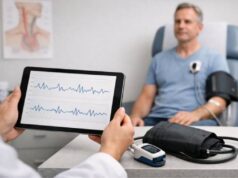
- Heart rhythm assessment: An ECG and sometimes longer monitoring to detect atrial fibrillation or other arrhythmias.
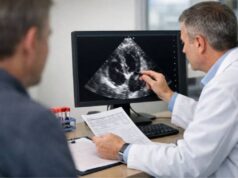
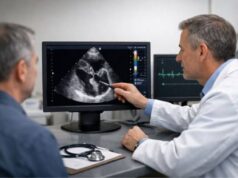
- Echocardiogram: If an embolic source is suspected, clinicians look for heart clots, valve disease, or poor pumping function.
- Large artery evaluation: Imaging may extend to the subclavian and axillary arteries to look for narrowing, aneurysm, dissection, or thoracic outlet-related compression.
- Clotting tendency evaluation: In selected cases—especially younger patients, recurrent clots, or clots without clear triggers—clinicians may assess for hypercoagulable conditions. Timing matters because some tests are distorted by the acute event and anticoagulation.
Severity grading is crucial. If there is sensory loss, motor weakness, or rapidly worsening pain and coldness, clinicians treat it as time-sensitive ischemia and move quickly from diagnosis to restoring flow.
Treatment options and what to expect
Treatment has two goals: restore blood flow and prevent another event. The plan depends on how threatened the limb is, how long symptoms have been present, what imaging shows, and the likely cause (local thrombosis on plaque vs another source).
Typical treatment components include:
- Immediate anticoagulation in the hospital: Many patients receive fast-acting anticoagulation (often intravenous) to keep the clot from extending while the team prepares definitive treatment. This is not a “clot buster,” but it reduces progression risk.
- Pain control and limb positioning: The arm is protected, kept warm (gently), and monitored closely. Clinicians frequently recheck sensation and strength because change over time affects urgency.
- Revascularization procedures (to reopen the artery): Options include:
- Open surgery (thrombectomy or bypass): A surgeon removes clot through an artery incision or bypasses the blocked segment when the vessel is heavily diseased or damaged.
- Endovascular therapy: Through a catheter, clinicians may remove clot (mechanical thrombectomy), place a stent if there is a fixed narrowing, or deliver medication directly into the clot.
- Catheter-directed thrombolysis: “Clot-dissolving” medication is infused into the clot over hours to a day or more, with close monitoring for bleeding risks. This approach is more likely when symptoms are present but not immediately limb-threatening and imaging suggests a clot that is amenable to lysis.
- Treating the underlying lesion: If the clot formed on a tight narrowing, simply removing clot may not be enough. Angioplasty, stenting, patch repair, or bypass may be needed to reduce recurrence.
What recovery can look like:
- First 24 to 72 hours: Frequent checks of pulses and Doppler signals, hand warmth, sensation, and strength. Clinicians watch for reperfusion swelling and rare but serious compartment syndrome.
- First weeks: Gradual improvement in pain and function if nerves were “stunned.” Some numbness can persist, especially if ischemia was prolonged.
- Rehabilitation: Hand therapy may be recommended to restore grip strength, dexterity, and endurance.
- Medication plan: Many patients leave on antiplatelet therapy, anticoagulation, or both—chosen based on cause and bleeding risk. For example, a clot related to atrial fibrillation often leads to long-term anticoagulation, while plaque-related thrombosis often emphasizes antiplatelet therapy plus aggressive risk-factor management.
Possible complications (and why follow-up matters) include recurrent blockage, bleeding from anticoagulation or thrombolysis, vessel re-narrowing, and persistent nerve symptoms. The strongest predictor of a good outcome is usually how quickly threatened blood flow is restored, especially before motor weakness develops.
Management after treatment and preventing recurrence
After the acute event is treated, prevention becomes the main job. The best plan is individualized, but most people benefit from a structured approach that addresses the artery, the blood, and the triggers.
Core prevention steps often include:
- Medication adherence and clarity: Know whether you are on an antiplatelet drug, an anticoagulant, or both, and why. Ask for a simple written plan: dose timing, what to do if you miss a dose, and which over-the-counter pain medicines are safe with your regimen.
- Vascular risk reduction: Small daily choices reduce arterial inflammation and future clot risk.
- Stop tobacco and nicotine exposure. If you need help, combine behavioral support with evidence-based cessation tools.
- Manage blood pressure with home readings and a target agreed with your clinician.
- Control LDL cholesterol—often with statin therapy—because plaque stability matters as much as plaque size.
- Optimize diabetes control and kidney health, since both accelerate vascular disease.
- Follow-up imaging when advised: Duplex ultrasound is commonly used to ensure the artery stays open, especially after intervention. Early detection of re-narrowing can prevent another emergency.
- Movement and hand conditioning: Once cleared, aim for consistent activity that improves circulation without overstraining healing tissues. Many people do best with:
- Gentle range-of-motion and grip exercises daily
- Gradual strengthening 2 to 3 times per week
- Warm-up before cold exposure and protective gloves in winter
Practical “at home” monitoring that can be useful:
- Compare hand temperature and color side-to-side once a day for the first few weeks.
- Notice new fingertip numbness, increasing coldness, or reduced grip endurance.
- Watch for medication side effects: unexpected bruising, black stools, severe headaches, or persistent nosebleeds may signal bleeding risk that needs prompt medical review.
When to seek urgent care again:
- Sudden return of severe pain, coldness, pallor, or blue discoloration
- New numbness or weakness in the hand or fingers
- Rapid swelling, severe tightness, or pain that feels out of proportion
- Any major bleeding symptoms if you are taking anticoagulation
Long-term outlook is often favorable when blood flow is restored quickly and the root cause is addressed. Recurrence risk is highest when underlying narrowing, ongoing tobacco use, uncontrolled diabetes, or an untreated clot source (such as atrial fibrillation) remains in place. The most protective strategy is a shared plan: vascular follow-up, cardiovascular risk control, and a clear medication regimen that you can realistically maintain.
References
- 2024 ACC/AHA/AACVPR/APMA/ABC/SCAI/SVM/SVN/SVS/SIR/VESS Guideline for the Management of Lower Extremity Peripheral Artery Disease 2024 (Guideline)
- Update of the European Society for Vascular Surgery (ESVS) 2020 Clinical Practice Guidelines on the Management of Acute Limb Ischaemia in Light of the COVID-19 Pandemic, Based on a Scoping Review of the Literature 2022 (Systematic Review)
- Acute limb ischemia 2023 (Clinical Review)
- Outcomes of Upper-Extremity Revascularization Following Acute Limb Ischemia 2025
- 2023 ACC/AHA/ACCP/HRS Guideline for the Diagnosis and Management of Atrial Fibrillation: A Report of the American College of Cardiology/American Heart Association Joint Committee on Clinical Practice Guidelines 2024 (Guideline)
Disclaimer
This article is for educational purposes only and does not replace individualized medical advice, diagnosis, or treatment. Brachial artery thrombosis can be a medical emergency, and symptoms such as sudden arm or hand pain, coldness, color change, numbness, or weakness require urgent evaluation. Treatment decisions—including imaging, anticoagulation, and procedures—depend on timing, severity, medical history, and bleeding risk and must be made with a qualified clinician. If you think you may be experiencing an emergency, contact local emergency services right away.
If you found this article useful, please consider sharing it on Facebook, X (formerly Twitter), or any platform you prefer, and follow us on social media. Your support through sharing helps our team continue producing high-quality health content.