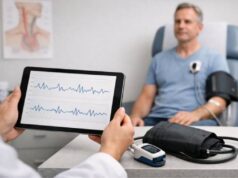
A slow heart rhythm can be a harmless finding in a well-trained athlete, or it can be the first sign that the heart’s electrical system is failing to deliver blood to the brain and organs when you need it most. Bradyarrhythmia is the umbrella term for heart rhythms that are too slow, too irregular, or both—often because the natural pacemaker (the sinus node) or the heart’s “wiring” (the conduction system) is impaired. Some people feel nothing at all. Others notice fatigue that seems out of proportion, dizzy spells, or near-fainting that arrives without warning. The good news is that most bradyarrhythmias can be evaluated with straightforward tests and treated effectively, sometimes by adjusting medications and sometimes with a pacemaker. This guide walks you through what it is, what causes it, how it is diagnosed, and how to live safely with it.
Table of Contents
- What bradyarrhythmia means for blood flow
- Causes and key risk factors
- Symptoms, complications and warning signs
- How bradyarrhythmia is diagnosed
- Treatments that restore a safe rhythm
- Living well and knowing when to seek care
What bradyarrhythmia means for blood flow
Bradyarrhythmia means the heart is beating too slowly, pausing too long, or sending electrical signals in a way that produces an unreliable pulse. Many clinicians use “bradycardia” to describe a heart rate under about 60 beats per minute, but the number alone is not the whole story. A resting rate of 45 can be normal in a conditioned athlete who feels well. A rate of 55 can be dangerous in someone whose blood pressure drops when they stand or whose heart rate cannot rise with activity.
Where the problem starts
Most clinically important bradyarrhythmias come from one of two places:
- Sinus node dysfunction (SND): The sinus node in the right atrium is the heart’s natural pacemaker. If it fires too slowly, pauses, or fails to speed up with exertion, you can develop fatigue, dizziness, or exercise intolerance. When the heart cannot increase rate appropriately during activity, it is often called chronotropic incompetence.
- Atrioventricular (AV) conduction disease: The AV node and His-Purkinje system deliver signals from atria to ventricles. If this “bridge” is delayed or blocked, the ventricles may beat very slowly or unpredictably. Higher-grade AV block can cause sudden lightheadedness or fainting.
Why slow can become unsafe
Your body relies on cardiac output (blood flow per minute), which is roughly heart rate × stroke volume. When the rate falls, the heart may compensate by pumping a bit more per beat, but that compensation has limits—especially during exercise, fever, dehydration, or blood loss. If the brain is briefly under-supplied, people may experience near-fainting or fainting. If the heart muscle is under-supplied, it can trigger chest discomfort or worsen heart failure symptoms.
Common rhythm patterns you may hear about
- Sinus bradycardia: Slow sinus rhythm that may be normal or medication-related.
- Sinus pauses or sinus arrest: A gap in sinus node firing that may cause a “drop” in pulse.
- Junctional escape rhythm: A backup rhythm from near the AV node, often slower and less responsive to activity.
- AV block (first-degree, second-degree, third-degree): Increasing degrees of delayed or failed conduction from atria to ventricles.
- Tachy-brady syndrome: Periods of fast atrial rhythm (often atrial fibrillation) alternating with slow rates or pauses, especially after the fast rhythm stops.
The key practical point is this: a bradyarrhythmia becomes clinically important when it causes symptoms, creates dangerous pauses, limits activity, or increases risk of falls and fainting—regardless of the exact heart-rate number on a watch or monitor.
Causes and key risk factors
Bradyarrhythmia is not a single disease; it is a final common pathway with many causes. Sorting those causes matters because some are quickly reversible, while others reflect progressive conduction system disease that may require pacing.
Common underlying causes
- Age-related fibrosis of the conduction system: Over time, the sinus node and the heart’s electrical pathways can accumulate scarring. This is a leading cause of sinus node dysfunction and AV block in older adults.
- Medications that slow conduction: Beta blockers, non-dihydropyridine calcium channel blockers (such as verapamil or diltiazem), digoxin, many antiarrhythmics, and some sedatives can lower the heart rate or worsen AV block. Eye-drop beta blockers for glaucoma can also have systemic effects in some people.
- Ischemia or heart attack: Reduced blood flow to the conduction system can trigger transient or persistent bradyarrhythmias. Inferior heart attacks can affect the AV node; other patterns can injure deeper conduction tissue.
- Inflammation or infiltration: Myocarditis, sarcoidosis, amyloidosis, and some autoimmune conditions can disrupt electrical tissue.
- Post-surgical or post-procedure effects: Valve surgery, congenital heart repairs, or catheter ablation can occasionally disturb conduction pathways.
- Infections and systemic illness: Severe infections, hypothermia, or high vagal tone during illness can slow the rate. In specific settings, infections can also directly involve the heart’s conduction tissue.
- Electrolyte or endocrine problems: High potassium, low thyroid hormone (hypothyroidism), and severe acid–base disturbances can slow the heart and impair conduction.
- Sleep-related breathing disorders: Obstructive sleep apnea can trigger nocturnal bradycardia and pauses due to surges in vagal tone.
Risk factors that increase the odds
- Older age, especially with a history of hypertension or structural heart disease
- Known coronary artery disease or prior heart attack
- Cardiomyopathy or heart failure, where conduction disease and medication effects can overlap
- Family history of conduction disease or inherited cardiomyopathies (less common but important)
- High endurance training, which can be normal physiology—but can complicate interpretation if symptoms occur
- Use of multiple rate-slowing medicines, particularly in combination
- Chronic kidney disease, which increases electrolyte swings and vascular disease burden
A practical “reversible causes” checklist
Clinicians often think in terms of what can be corrected quickly before labeling bradyarrhythmia as permanent:
- Review all prescription drugs, over-the-counter products, and supplements for rate-slowing effects.
- Check electrolytes (especially potassium and magnesium) and thyroid function.
- Look for acute ischemia, infection, hypothermia, or dehydration.
- Consider sleep apnea if pauses are mainly at night, especially with snoring or daytime sleepiness.
Identifying and correcting a trigger can sometimes normalize the rhythm. But if bradyarrhythmia persists and causes symptoms—or if it reflects high-grade AV block—treatment usually focuses on protecting blood flow and preventing dangerous pauses.
Symptoms, complications and warning signs
Bradyarrhythmia symptoms range from subtle to dramatic. Some people adapt slowly over months and only realize something is wrong when they cannot keep up on stairs. Others experience abrupt fainting that leads to injury. The pattern often depends on how slow the rhythm is, whether pauses occur, and whether the heart rate can rise when the body demands more oxygen.
Common symptoms
- Fatigue that feels “heavy” or unexplained, especially later in the day
- Exercise intolerance (you tire quickly, your legs feel weak, or you cannot raise your pace)
- Lightheadedness, dizziness, or unsteadiness—often worse when standing up quickly
- Near-fainting or fainting (syncope), sometimes with little warning
- Shortness of breath on exertion, particularly if the rate does not increase with activity
- Chest pressure or discomfort, especially in people with coronary disease
- Confusion or trouble concentrating, sometimes described as “brain fog”
- Palpitations in tachy-brady syndrome (a sense of racing followed by a slow thud or pause)
Complications clinicians watch for
- Falls and injuries from syncope or near-syncope
- Worsening heart failure symptoms when the heart cannot maintain adequate output
- Angina or demand ischemia when slow rhythm reduces coronary perfusion reserve
- Thromboembolic risk in tachy-brady syndrome if atrial fibrillation is present (risk depends on clinical factors, not on symptoms alone)
- Sudden, prolonged pauses that can lead to seizures-like movements in some cases due to brief loss of brain perfusion
Warning signs that deserve urgent evaluation
Seek urgent medical care (or emergency services) if bradyarrhythmia is suspected and any of these occur:
- Fainting, especially if it happens during exertion or causes injury
- Chest pain, severe shortness of breath, or new sweating and nausea
- New confusion, trouble speaking, facial droop, or one-sided weakness
- A very slow pulse with low blood pressure, gray/blue color, or severe weakness
- Repeated near-fainting episodes in a short time
- Symptoms shortly after starting, increasing, or combining rate-slowing medications
What symptom timing can reveal
- Mostly at night: Often linked to sleep-related vagal surges or sleep apnea; still needs assessment if pauses are long or symptoms occur.
- After a fast rhythm stops: Suggests tachy-brady syndrome, where the sinus node “hesitates” after atrial fibrillation or flutter ends.
- With exertion: Raises concern for chronotropic incompetence or high-grade conduction disease, because the heart fails to speed up when it should.
- Right after meals, urination, coughing, or pain: Can reflect a reflex (vagal) trigger; evaluation still matters if episodes are recurrent.
The most important rule is simple: if symptoms and slow rhythm line up in time, bradyarrhythmia becomes much more likely as the cause—and treatment decisions become clearer.
How bradyarrhythmia is diagnosed
Diagnosis is about more than catching a slow heart rate once. The goals are to (1) document the rhythm pattern, (2) connect it to symptoms, (3) identify reversible causes, and (4) determine whether there is dangerous conduction disease that needs prompt treatment.
History and exam: small details matter
A focused history often clarifies the level of urgency:
- What exactly happens during episodes—lightheadedness, blackout, confusion, or falls?
- How long do symptoms last, and how quickly do you recover?
- Are there triggers (standing, exertion, heat, dehydration, new medications)?
- Do you have known heart disease, prior procedures, or a family history of pacemakers?
Clinicians also check blood pressure lying and standing, listen for murmurs, and look for signs of heart failure or thyroid disease.
Electrocardiogram (ECG) and rhythm classification
A 12-lead ECG can identify:
- Sinus bradycardia, pauses, or junctional rhythms
- First-degree AV block (PR prolongation)
- Second-degree AV block (intermittent dropped beats)
- Third-degree AV block (complete dissociation between atria and ventricles)
- Bundle branch blocks that suggest deeper conduction system disease
Sometimes the ECG is normal between episodes, which is why monitoring becomes essential.
Ambulatory monitoring: matching rhythm to symptoms
The “best” monitor depends on how often symptoms occur:
- 24–48 hour Holter: Useful for daily symptoms or frequent pauses.
- Patch monitors (often 1–2 weeks): Good for intermittent episodes; many people tolerate them well.
- Event monitors (weeks): Activated by symptoms; helpful when episodes are sporadic.
- Implantable loop recorders (months to years): For infrequent syncope or unexplained falls when initial testing is unrevealing.
A practical tip: keep a brief symptom diary with times, activity, and posture. Matching a diary entry to a rhythm strip can turn uncertainty into a clear diagnosis.
Lab tests and imaging
Common tests include:
- Electrolytes (especially potassium and magnesium)
- Thyroid function tests
- Kidney function and medication levels when relevant
- Tests for ischemia or inflammation when the clinical picture suggests it
An echocardiogram is often used to assess structure and pumping function, which can influence treatment choices, including pacemaker type.
Provocative and specialized testing
- Exercise testing: Helps identify chronotropic incompetence or exertional AV block.
- Tilt-table testing: Considered when reflex syncope is suspected and the diagnosis remains unclear.
- Electrophysiology study: Used selectively, especially when the site of block is uncertain or when other arrhythmias are suspected.
The core principle is evidence-based: document the rhythm, confirm whether it explains symptoms, and evaluate for reversible contributors before committing to long-term device therapy.
Treatments that restore a safe rhythm
Treatment depends on severity, symptom burden, and whether the bradyarrhythmia is expected to resolve. For many people, the most effective plan is not a single intervention but a sequence: stabilize first, remove aggravating factors, then choose durable therapy if needed.
Immediate and short-term treatment
If someone is unstable—very low blood pressure, severe chest pain, fainting, or signs of poor organ perfusion—clinicians focus on restoring circulation quickly. Strategies may include:
- Stopping or reversing contributory medications when safe
- Correcting electrolytes, temperature, dehydration, or oxygenation problems
- Medications that temporarily raise heart rate (used in monitored settings)
- Temporary pacing (transcutaneous pads or a temporary pacing wire) if high-grade AV block or profound pauses are present
These steps buy time while the cause is clarified.
Medication adjustments and trigger management
When bradyarrhythmia is driven by treatment for another condition (for example, beta blockers for coronary disease or atrial fibrillation), the solution may be:
- Dose reduction or switching to an alternative medication
- Spacing doses to reduce peak effects
- Avoiding combinations of multiple rate-slowing drugs unless clearly necessary
- Treating contributing problems like hypothyroidism or sleep apnea
In tachy-brady syndrome, clinicians often face a tradeoff: medications needed to control fast rhythms may worsen slow rhythms. That is one common scenario where pacing can be enabling rather than merely corrective.
When a pacemaker is the best option
A pacemaker does not “cure” the underlying conduction disease, but it prevents heart rates and pauses from falling below a safe threshold. Pacemakers are most often recommended when:
- Symptoms (syncope, near-syncope, fatigue) clearly correlate with bradyarrhythmia
- There is high-grade AV block or complete heart block, even if symptoms are intermittent
- Sinus node dysfunction causes problematic pauses or chronotropic incompetence that limits daily life
- Necessary medications cannot be used safely because they provoke dangerous bradycardia
What to expect from pacemaker therapy
Most implants are performed under local anesthesia with sedation. Leads are placed through a vein into the heart, connected to a generator under the skin. Common expectations:
- Activity restrictions for the arm on the implant side for a short period to allow lead stabilization
- Follow-up checks (in clinic and often remotely) to adjust settings and monitor battery and leads
- Battery longevity commonly measured in years; generator replacement is typically simpler than the first implant
Pacemaker programming can be tailored to symptoms. For example, rate-responsive features can help people whose heart rate fails to rise with exertion.
Other procedures in selected cases
- If bradyarrhythmia is linked to a treatable structural problem (for example, valve disease), addressing that problem may improve rhythm.
- In rare cases where medication options are limited, clinicians may combine pacing with rhythm control strategies for atrial fibrillation.
The bottom line: effective treatment is highly individualized. The “right” therapy is the one that restores reliable blood flow, reduces dangerous events, and fits the patient’s overall heart health and lifestyle goals.
Living well and knowing when to seek care
Living with bradyarrhythmia is often less about constant monitoring and more about preventing avoidable triggers, recognizing meaningful symptoms, and keeping follow-up consistent. Many people return to full, active lives—especially once the rhythm becomes stable.
Day-to-day self-management that actually helps
- Know your medication list. Keep a current list and ask whether any drug can slow heart rate or AV conduction. If you use eye drops for glaucoma, mention them.
- Hydrate and manage heat wisely. Dehydration and heat can worsen dizziness when the pulse is slow.
- Stand up in stages. If you are prone to lightheadedness, pause at the edge of the bed and move slowly from sitting to standing.
- Prioritize sleep and screen for sleep apnea if you snore, wake unrefreshed, or have witnessed pauses in breathing. Treating sleep apnea can reduce night-time rhythm disturbances in some people.
- Moderate alcohol and avoid recreational drugs that can affect heart rhythm or blood pressure.
- Use wearable data carefully. Watches can be helpful for trends, but they can also misread slow or irregular pulses. Treat symptoms as the main signal, not the number alone.
If you have a pacemaker
Good pacing outcomes depend on a few habits:
- Attend scheduled device checks (including remote monitoring if offered).
- Report new symptoms promptly—especially fainting, near-fainting, or worsening breathlessness.
- Ask about activity guidance if you lift weights, swim, or play contact sports.
- Understand the basics: your lower rate limit, whether rate-response is on, and what to do if you feel unwell.
When to call your clinician soon
- Increasing fatigue or exercise intolerance over weeks
- New dizziness, near-fainting, or falls
- Palpitations that suggest intermittent fast rhythm episodes
- A notable pattern of low heart rate readings accompanied by symptoms
- Any medication change followed by new lightheadedness or weakness
When to seek emergency care
- Fainting, especially with injury or without clear trigger
- Chest pain, severe shortness of breath, or signs of stroke
- Persistent confusion or inability to stay awake
- Very slow pulse with low blood pressure, clammy skin, or severe weakness
Prevention: what is realistic
You cannot fully prevent age-related conduction disease, but you can lower the overall strain on the heart and reduce avoidable triggers by:
- Managing blood pressure, diabetes, and cholesterol
- Staying physically active within safe limits
- Treating sleep apnea if present
- Reviewing medications regularly, especially after hospitalizations
Bradyarrhythmia can feel unsettling because symptoms may be intermittent. A clear plan—how to document episodes, which symptoms require urgent care, and how follow-up will happen—often brings the most relief.
References
- 2021 ESC Guidelines on cardiac pacing and cardiac resynchronization therapy 2021 (Guideline)
- The impact on outcomes of device algorithms for minimizing right ventricular pacing: a systematic review and meta-analysis 2024 (Systematic Review)
- Anti-bradycardia pacing in heart failure with preserved ejection fraction: a systematic review 2024 (Systematic Review)
- Electrocardiogram essentials: Bradycardia 2025 (Review)
Disclaimer
This article is for general educational purposes and does not replace personalized medical advice, diagnosis, or treatment. Bradyarrhythmia can be a medical emergency when it causes fainting, chest pain, severe shortness of breath, confusion, or very low blood pressure. If you have concerning symptoms, seek urgent care. For ongoing symptoms or questions about medications, monitoring, or pacemaker decisions, consult a licensed clinician who can evaluate your history, exam, and test results.
If you found this guide useful, please consider sharing it on Facebook, X (formerly Twitter), or any platform you prefer, and follow us on social media. Your support by sharing helps our team continue producing high-quality health content.