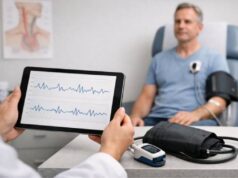
Bradycardia–tachycardia syndrome is a heart rhythm problem where the heartbeat swings between rates that are too slow and bursts that are too fast. Many people first notice it as “episodes”: a racing, irregular pulse that suddenly stops, followed by a long pause, then a slow, heavy beat that can leave them lightheaded or wiped out. This condition matters because it can disrupt daily life, increase fall risk, and, when fast rhythms involve the upper chambers of the heart, raise the risk of stroke. The good news is that it is treatable, and most care plans combine careful diagnosis with a strategy to protect both sides of the problem: preventing dangerous slowdowns while controlling or eliminating the fast rhythm. This guide explains what is happening in the heart and what to expect from testing, treatment, and long-term management.
Table of Contents
- What this syndrome means
- Causes and risk factors
- Symptoms and complications
- How it is diagnosed
- Treatment options and what to expect
- Management and when to seek care
What this syndrome means
Bradycardia–tachycardia syndrome describes a pattern of rhythm instability: the heart alternates between bradycardia (too slow) and tachycardia (too fast). Most often, it is part of sinus node dysfunction, meaning the heart’s natural “starter” and timekeeper (the sinus node) cannot consistently set an appropriate pace. At the same time, the upper chambers (atria) can slip into fast rhythms—commonly irregular bursts—then abruptly stop. The sudden stop can reveal the sinus node’s weakness, leading to a long pause or a very slow heartbeat.
Why the heart swings between fast and slow
A useful way to picture it is “two problems that unmask each other”:
- Fast rhythm phase: Electrical activity in the atria becomes chaotic or overly rapid. The ventricles (main pumping chambers) may beat fast, irregularly, or both.
- Transition phase: When the fast rhythm ends, the sinus node may be “stunned” for seconds to even longer pauses, so the heart does not restart smoothly.
- Slow rhythm phase: The baseline heart rate may remain slow or may not speed up appropriately with activity (called chronotropic incompetence).
These swings can be brief and intermittent. That is why a person may have a normal pulse in the clinic but still experience significant symptoms at home.
Who is affected and why it matters
This syndrome is more common as people age, because the sinus node and atrial tissue can develop fibrosis (scar-like change) over time. It is also seen in people with structural heart disease. The condition matters for two main reasons:
- Symptoms and safety: Pauses and slow beats can cause dizziness, near-fainting, fainting, and falls. Fast episodes can cause palpitations, breathlessness, and anxiety-like sensations.
- Complications: Certain fast atrial rhythms can form clots in the heart, which can travel and cause stroke.
The goal of treatment is not simply to “slow the fast” or “speed the slow,” but to build a plan that keeps blood flow steady, reduces stroke risk when relevant, and preserves quality of life.
Causes and risk factors
Bradycardia–tachycardia syndrome usually develops from a combination of electrical system aging, atrial remodeling, and triggers that push the heart into fast rhythms. In many people, the underlying issue is progressive wear in the sinus node and surrounding atrial tissue. That tissue can become less reliable at initiating beats and less responsive to signals that normally raise heart rate during exertion.
Common underlying causes
Several pathways can lead to this pattern:
- Degenerative changes of the sinus node: Fibrosis in the sinus node region can slow impulse formation and conduction.
- Atrial disease that promotes fast rhythms: Stretching of the atria, inflammation, or scarring can make the atria prone to rapid and irregular electrical circuits.
- Structural heart conditions: High blood pressure–related heart changes, valve disease (especially involving the mitral valve), and cardiomyopathies can enlarge or strain the atria.
- Ischemic heart disease: Reduced blood flow can impair electrical stability, especially when combined with other risk factors.
Medication and reversible contributors
Some cases are worsened—or temporarily created—by factors that can be corrected. A careful medication review is essential because several common drugs can slow the heart rate and expose sinus node weakness, including:
- Beta blockers
- Certain calcium channel blockers used for rate control
- Digoxin
- Some antiarrhythmic drugs
Other reversible or treatable contributors include:
- Thyroid disorders: Low thyroid hormone can slow the heart; excess thyroid hormone can trigger fast rhythms.
- Sleep apnea: Repeated oxygen drops and surges in autonomic tone can promote both bradycardia and atrial fast rhythms.
- Electrolyte imbalances: Abnormal potassium or magnesium levels can destabilize rhythm.
- Acute illness and dehydration: These can provoke rapid rhythms and worsen low blood pressure during pauses.
Risk factors that raise likelihood
Risk tends to rise with:
- Older age
- Long-standing hypertension
- Diabetes and vascular disease
- Obesity and sedentary lifestyle
- Alcohol excess (especially binge patterns)
- Chronic kidney disease
- Prior heart surgery or procedures involving the atria
- Family history of conduction disease (less common but relevant)
A key clinical insight is that “borderline” slow heart rates can be normal in well-trained athletes. The syndrome is suspected when slow rates come with symptoms, long pauses, or alternating episodes of rapid rhythm.
Symptoms and complications
Symptoms often come in clusters because the body reacts differently to fast and slow rhythms. Some people mainly notice the fast phase (racing, fluttering, irregular pulse). Others primarily feel the slow phase (fatigue, near-fainting). Many experience both, which can be confusing and stressful—especially when episodes happen unpredictably.
Typical symptoms during fast episodes
Fast atrial rhythms can cause:
- Palpitations (pounding, fluttering, or irregular beats)
- Shortness of breath, especially when walking or climbing stairs
- Chest tightness or pressure (especially in people with coronary disease)
- Anxiety-like sensations, restlessness, and sweating
- Reduced exercise tolerance and sudden fatigue
Symptoms may last minutes to hours. Some people wake from sleep with a racing heart, which can point to triggers like sleep apnea or alcohol.
Typical symptoms during slow episodes or pauses
When the rhythm slows or pauses after a fast episode, blood pressure can drop quickly. Symptoms can include:
- Lightheadedness or “gray-out”
- Near-fainting or fainting
- Sudden weakness, nausea, or cold sweats
- Confusion or trouble concentrating for a few minutes afterward
- Falls without clear warning
A classic pattern is a fast, irregular episode followed by a sudden stop and a long pause—felt as a “thump” or “gap” in the chest—followed by dizziness.
Complications to take seriously
Complications depend on the type and duration of the fast rhythm and the severity of the slow rhythm:
- Stroke and systemic embolism: Certain atrial fast rhythms can allow clots to form, particularly when episodes last longer or recur often.
- Heart failure worsening: Rapid rates can weaken pumping over time or worsen existing heart failure.
- Injury from fainting: Falls, head injuries, and fractures can occur, especially in older adults.
- Reduced quality of life: Sleep disruption, fear of episodes, and activity avoidance are common and deserve attention.
- Medication side effects: Drugs used to control fast rhythm may worsen bradycardia, leading to a difficult trade-off if the underlying slow rhythm is not addressed.
Red-flag symptoms
Seek urgent evaluation if any of the following occur:
- Fainting, especially with injury or recurrent episodes
- Chest pain that lasts more than a few minutes
- New weakness on one side, speech trouble, facial droop, or sudden vision loss
- Severe shortness of breath at rest
- A sustained very fast heart rate with dizziness or low blood pressure symptoms
These can signal dangerous rhythm instability, heart ischemia, or stroke.
How it is diagnosed
Diagnosis focuses on capturing the rhythm during symptoms and proving the relationship between the rhythm change and how you feel. Because episodes can be intermittent, the “best test” is often the one you can wear long enough to catch a typical event.
First steps in evaluation
Clinicians usually start with:
- Detailed symptom history: What you feel (racing, skipping, dizziness), how long episodes last, what triggers them, and whether you faint.
- Medication and substance review: Including prescription drugs, supplements, alcohol, and stimulants.
- Office vital signs and exam: Blood pressure changes, signs of fluid overload, murmurs, and pulse irregularity.
A 12-lead ECG is often done immediately. It may show a slow sinus rhythm, pauses, conduction delay, or an atrial fast rhythm. Even if it is normal, it provides a baseline and can point to related issues.
Rhythm monitoring options
Monitoring is typically stepped based on how frequent episodes are:
- Holter monitor (24–48 hours): Best if symptoms occur daily or near-daily.
- Extended patch monitor (7–14 days, sometimes longer): Good for weekly episodes and improves detection of brief arrhythmias.
- Event monitor (weeks): You trigger a recording when symptoms occur; some devices also auto-detect abnormal rhythms.
- Implantable loop recorder (months to years): Considered when fainting is unexplained or episodes are rare but concerning.
During review, clinicians look for features such as prolonged sinus pauses after fast episodes, alternating bradycardia and tachycardia patterns, and whether symptoms line up with pauses or rapid runs.
Additional testing to guide treatment
Depending on the case, testing may include:
- Echocardiogram: Evaluates heart structure, valve disease, chamber size, and pumping strength.
- Blood tests: Thyroid function, electrolytes, kidney function, anemia screening when appropriate.
- Sleep apnea evaluation: Especially if snoring, witnessed apneas, or daytime sleepiness are present.
- Exercise testing: Helps assess whether the heart rate rises appropriately with exertion and whether symptoms are reproducible.
- Imaging for ischemia: Considered when chest discomfort, high risk factors, or reduced exercise tolerance suggest coronary disease.
A practical diagnostic goal is to answer three questions: What is the fast rhythm? How severe is the slow rhythm or pause? And which one is driving the symptoms and risks?
Treatment options and what to expect
Treatment is tailored because one person may have brief fast bursts with long pauses, while another has frequent rapid episodes with only mild baseline bradycardia. The safest plans address both sides: preventing dangerous slowdowns and controlling the fast rhythm without causing more bradycardia.
Correcting reversible factors
Before committing to long-term interventions, clinicians often optimize:
- Medication doses that may be slowing the heart too much
- Thyroid abnormalities and electrolyte problems
- Sleep apnea treatment
- Alcohol reduction and stimulant avoidance
- Blood pressure and heart failure management
Sometimes, improving these factors reduces episode frequency and severity, but many people still need rhythm-focused therapy.
Pacemaker therapy for the slow side
If symptoms are linked to bradycardia or significant pauses, a permanent pacemaker can be a cornerstone treatment. A pacemaker does not “cure” the fast rhythm, but it prevents the heart rate from dropping too low and reduces dangerous pauses. This can:
- Improve dizziness, fatigue, and fainting risk
- Allow safer use of medications that control fast rhythms
- Provide stable backup pacing after episodes end
Most people receive a device that coordinates atrial and ventricular pacing when appropriate, chosen based on rhythm type and conduction status. Implantation is typically a short procedure, and recovery is often measured in days to a few weeks.
Controlling or eliminating the fast rhythm
Options may include:
- Rate control medications: Aim to keep the heart from racing too fast during episodes.
- Rhythm control medications: Aim to prevent episodes or shorten them, but some can worsen bradycardia, which is why pacing support may be important.
- Catheter ablation: A procedure that targets the electrical triggers and circuits that sustain fast atrial rhythms. For selected patients, ablation can reduce episode burden substantially and, in some cases, reduce the need for long-term medication.
The best choice depends on episode pattern, atrial size, coexisting disease, and patient preference. A key insight is that treating the fast rhythm can sometimes reduce the “stunning” that causes long pauses afterward.
Stroke prevention when atrial fast rhythms are present
If the fast rhythm includes atrial patterns that increase clot risk, clinicians assess stroke risk using standard clinical factors (such as age and vascular risk). When risk is significant, blood-thinning medication may be recommended. This decision is individualized, balancing stroke prevention against bleeding risk, and it is revisited over time.
What success looks like
Success is usually defined by a combination of outcomes:
- Fewer or no fainting spells
- Meaningful reduction in palpitations and breathlessness
- Improved exercise tolerance and sleep
- Reduced emergency visits
- A clear plan for stroke prevention when relevant
Most people do best when the care plan is reviewed periodically and adjusted as rhythm patterns evolve.
Management and when to seek care
Living well with bradycardia–tachycardia syndrome is about reducing triggers, monitoring patterns, and knowing when symptoms signal an emergency. Many people regain confidence when they have a practical plan for “what to do during an episode,” plus routine follow-up to keep treatment aligned with real-life rhythm behavior.
Daily management strategies that help
These steps support rhythm stability and symptom control:
- Track episodes: Note time, duration, symptoms, pulse rate if you can measure it, and triggers (alcohol, poor sleep, dehydration).
- Hydration and steady meals: Dehydration and low blood sugar can worsen lightheadedness during pauses.
- Sleep quality: If sleep apnea is suspected, evaluation and treatment can be a major lever for rhythm control.
- Exercise within a safe plan: Regular aerobic activity can improve blood pressure control, weight, and overall conditioning. For people with frequent symptoms, start with clinician guidance.
- Limit alcohol and stimulants: Alcohol can provoke atrial fast rhythms; stimulants can increase both palpitations and anxiety sensations.
- Medication adherence and review: Take medicines exactly as prescribed and report side effects such as extreme fatigue, near-fainting, or new confusion.
If you have a pacemaker, follow device care advice, attend scheduled device checks, and report symptoms even if you assume the device “should prevent them.” Symptoms can still occur from the fast rhythm side, and settings can sometimes be optimized.
What to do during symptoms
A practical, safety-first approach:
- Sit or lie down if you feel dizzy, weak, or close to fainting.
- Check your pulse if you know how (rate and regularity), but do not delay safety measures.
- Avoid driving during active symptoms or immediately after near-fainting.
- Seek urgent care if symptoms are severe, include chest pain, or do not improve quickly.
Some clinicians teach selected patients specific maneuvers or provide individualized action plans, but you should only use techniques recommended for your situation.
When to seek immediate medical attention
Call emergency services or go to urgent care immediately for:
- Fainting or near-fainting that is new, recurrent, or causes injury
- Chest pain, pressure, or discomfort that persists
- Severe shortness of breath, especially at rest
- Signs of stroke (face drooping, arm weakness, speech difficulty, sudden vision changes)
- A sustained very fast heart rate with low blood pressure symptoms, confusion, or severe weakness
Long-term outlook
Many people achieve strong control of symptoms and risk with modern therapies. The outlook improves when fast rhythm burden is reduced, stroke risk is addressed when appropriate, and bradycardia is stabilized so the heart can maintain reliable blood flow. Ongoing follow-up matters because rhythm patterns can change over years, and treatment can often be refined to match your current needs.
References
- 2023 ACC/AHA/ACCP/HRS Guideline for the Diagnosis and Management of Atrial Fibrillation: A Report of the American College of Cardiology/American Heart Association Joint Committee on Clinical Practice Guidelines 2024 (Guideline)
- 2021 ESC Guidelines on cardiac pacing and cardiac resynchronization therapy 2021 (Guideline)
- Comparison between catheter ablation versus permanent pacemaker implantation as an initial treatment for tachycardia-bradycardia syndrome patients: a prospective, randomized trial 2024 (RCT)
Disclaimer
This article is for general educational purposes only and does not provide medical advice, diagnosis, or treatment. Heart rhythm symptoms can be urgent, and the right evaluation depends on your health history, medications, and test results. If you have chest pain, fainting, severe shortness of breath, or signs of stroke, seek emergency care immediately. For persistent palpitations, dizziness, or unexplained fatigue, schedule an appointment with a qualified clinician for individualized guidance.
If you found this article helpful, please consider sharing it on Facebook, X (formerly Twitter), or any platform you prefer, and follow us on social media. Your support through sharing helps our team continue producing high-quality health content.