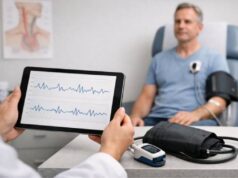
Bradydysrhythmia means the heart is beating too slowly because the electrical system is running slow, blocked, or irregular. A calm, athletic heart rate can be low and still healthy, but a true bradydysrhythmia is different: it can reduce blood flow to the brain and other organs, especially during activity, illness, or sleep. Some people feel nothing at first. Others notice fatigue that does not match their day, lightheadedness when standing, or near-fainting in warm rooms. The most important point is that the “right” heart rate depends on context—symptoms, medications, hydration, thyroid status, and whether the rhythm is steady and coordinated. Understanding the cause matters because treatment ranges from adjusting medicines and correcting reversible problems to implanting a pacemaker that restores a reliable heart rate.
Table of Contents
- What it is and why it matters
- What causes a slow electrical rhythm
- Risk factors and common triggers
- Symptoms, red flags and complications
- How it is diagnosed
- Treatment and long-term management
What it is and why it matters
Your heart beats because an electrical signal starts in the right atrium (usually at the sinus node), travels through the atria, pauses briefly at the atrioventricular (AV) node, and then spreads through the ventricles. Bradydysrhythmia describes rhythms where this electrical system produces a heart rate that is slower than the body needs or where conduction is interrupted in a way that creates long pauses, dropped beats, or poor coordination.
A resting heart rate in the 50s can be normal for some people, especially during sleep or in trained athletes. What separates a healthy slow rate from a concerning bradydysrhythmia is function and pattern:
- Function: Does the slow rhythm limit blood flow enough to cause symptoms like dizziness, shortness of breath, chest discomfort, confusion, or fainting?
- Pattern: Is the rhythm regular and appropriately responsive to activity, or are there pauses, irregular slow beats, or blocks where signals fail to reach the ventricles?
Common bradydysrhythmias include:
- Sinus bradycardia: the sinus node fires slowly but signals travel normally.
- Sinus pauses or arrest: the sinus node briefly stops, causing a pause.
- Sick sinus syndrome (sinus node dysfunction): a broader problem that may include slow rates, pauses, and poor rate response to exertion.
- AV block: the signal from atria to ventricles is delayed or blocked (first-, second-, or third-degree block).
- Bundle branch or fascicular conduction disease: electrical “wiring” below the AV node is impaired, sometimes producing slow escape rhythms.
Why it matters: the brain is sensitive to brief drops in blood flow. Even a pause of a few seconds can cause near-fainting, and longer pauses can cause syncope (fainting) with injury risk. Over time, untreated clinically significant bradydysrhythmia can worsen exercise tolerance, contribute to falls in older adults, and complicate other heart conditions. The good news is that many cases are treatable—and some are reversible once the trigger is identified.
What causes a slow electrical rhythm
Bradydysrhythmia is not one disease. It is a final pathway caused by issues in the heart’s electrical tissue, the conduction pathways, or the body’s control systems. Thinking in categories helps you and your clinician find the most likely cause.
1) Electrical system wear and tear
The most common long-term cause is age-related fibrosis, meaning the conduction tissue gradually becomes less efficient. This can affect the sinus node (leading to sinus node dysfunction) or the AV node and His-Purkinje system (leading to AV block). It often develops slowly, and symptoms can appear gradually as the heart loses the ability to speed up with activity.
2) Heart disease and structural changes
Conditions that damage heart muscle or alter its structure can interrupt electrical pathways:
- Prior heart attack with scarring
- Cardiomyopathies (including infiltrative diseases)
- Valve disease (especially if it enlarges chambers or affects blood supply)
- Congenital conduction abnormalities (less common in adults)
3) Medications and substances
Many bradydysrhythmias are medication-related, especially when doses are increased, dehydration develops, or kidney function changes. Common culprits include:
- Beta blockers
- Certain calcium channel blockers (non-dihydropyridines)
- Digoxin
- Some antiarrhythmics
- Sedatives, opioids, and some recreational substances
This category is important because it is often partially or fully reversible.
4) Metabolic and systemic triggers
The heart’s electrical system is sensitive to body chemistry and hormones:
- Hypothyroidism
- Electrolyte disturbances (potassium, calcium, magnesium)
- Hypothermia
- Severe infection or inflammation
- Sleep apnea (nighttime bradycardia and pauses are common)
5) Increased vagal tone
The vagus nerve slows heart rate. A strong vagal response can produce sudden bradycardia or fainting, particularly with:
- Pain, needles, or strong emotion
- Straining (bathroom, heavy lifting)
- Coughing or swallowing in susceptible individuals
In many people, this is benign, but in some it becomes recurrent and disruptive.
The practical takeaway: cause determines treatment. A reversible trigger may only require careful adjustment and monitoring. A fixed conduction disease may require a pacemaker to prevent dangerous pauses and improve day-to-day function.
Risk factors and common triggers
Risk factors describe who is more likely to develop bradydysrhythmia over time, while triggers explain why symptoms may appear “all of a sudden.” Both matter, because many people have mild conduction disease that becomes noticeable only when something pushes the system past its reserve.
Risk factors you cannot change
- Older age: conduction tissue naturally becomes more fibrotic and less responsive.
- Family history of conduction disease: rare inherited conditions exist, and families sometimes show patterns of early pacemaker need.
- Prior heart surgery or catheter procedures: valve surgery and some ablation procedures can affect nearby conduction tissue.
- Underlying heart conditions: prior heart attack, cardiomyopathy, and some valve disorders raise risk.
Risk factors you can often influence
- Medication burden and interactions: taking multiple rate-slowing medicines increases risk, especially if doses change or if dehydration reduces clearance.
- Sleep apnea and poor sleep quality: repeated oxygen dips and vagal surges can worsen nighttime bradycardia and contribute to pauses.
- Poor thyroid control: untreated hypothyroidism can slow heart rate and worsen fatigue, making symptoms harder to interpret.
- Electrolyte instability: vomiting, diarrhea, crash dieting, heavy sweating without replacement, and certain diuretics can shift electrolytes.
- Alcohol and substance exposure: binge drinking and some recreational drugs can worsen rhythm instability in vulnerable hearts.
Common “this week” triggers
Many bradydysrhythmia evaluations begin after a clear change:
- A new prescription (or a dose increase) for blood pressure, heart rate control, anxiety, or pain.
- Dehydration from illness, heat exposure, or poor intake.
- Acute infection with fever, inflammation, and electrolyte disruption.
- A new episode of chest pain or shortness of breath suggesting ischemia.
- Sleep disruption or untreated sleep apnea symptoms such as loud snoring, witnessed pauses in breathing, and morning headaches.
If you suspect a trigger, write down a timeline: when symptoms started, what changed in the prior 1–2 weeks, and whether symptoms cluster at certain times (after medications, after meals, at night, during exercise). This simple record often shortens the path to a precise diagnosis and safer treatment decisions.
Symptoms, red flags and complications
Symptoms vary widely because bradydysrhythmia affects people differently depending on fitness level, hydration, blood pressure, and how abruptly the rhythm slows. Some people compensate well and feel only mild fatigue. Others develop sudden, frightening symptoms from long pauses or high-grade AV block.
Common symptoms
- Fatigue and low stamina: especially when the heart cannot increase its rate during exertion (chronotropic incompetence).
- Lightheadedness or “gray-out” moments: often when standing up quickly or during hot showers.
- Shortness of breath with activity: the body may feel “winded” even at a normal pace.
- Chest discomfort or pressure: particularly if the slow rate reduces oxygen delivery in someone with coronary disease.
- Brain fog or trouble concentrating: reduced cerebral perfusion can feel like slowed thinking.
- Palpitations: paradoxically, people can feel skipped beats or irregularity from escape rhythms or premature beats.
Red flags that need urgent evaluation
Seek urgent care if any of the following occur:
- Fainting (syncope) or near-fainting with injury risk
- Chest pain, especially with sweating, nausea, or radiation to jaw or arm
- Shortness of breath at rest, new wheezing, or blue lips
- Confusion, weakness on one side, or speech difficulty
- A very slow pulse with symptoms, especially below 40 beats per minute when awake
- New bradycardia after starting or increasing a heart-rate-lowering medicine
Potential complications
- Falls and fractures: fainting in older adults can have serious consequences.
- Worsening heart failure symptoms: slow heart rate can reduce cardiac output and worsen fluid retention in susceptible people.
- Atrial fibrillation and rhythm swings: sinus node dysfunction may alternate with fast rhythms, creating a cycle of fatigue and palpitations.
- Sudden, prolonged pauses: especially in advanced conduction disease or high-grade AV block.
A practical rule: rate plus symptoms guides urgency. A low number on its own is not always dangerous. But a low rate accompanied by fainting, chest pain, new breathlessness, or confusion deserves immediate attention.
How it is diagnosed
Diagnosing bradydysrhythmia is partly about capturing the rhythm and partly about proving it explains the symptoms. Clinicians try to answer three questions: What rhythm is present? What is causing it? Is it clinically significant for this person?
History and examination
A focused history often reveals patterns:
- Timing (night vs day, rest vs exertion)
- Triggers (after medications, after meals, during illness, after alcohol)
- Symptom type (fatigue vs true near-fainting)
- Associated signs (snoring and daytime sleepiness, weight change, cold intolerance)
On exam, the clinician looks for low pulse, irregular pauses, low blood pressure, signs of fluid overload, and clues to thyroid disease or dehydration.
Electrocardiogram (ECG)
A 12-lead ECG is the starting point and can show:
- Sinus bradycardia
- Sinus pauses
- First-, second-, or third-degree AV block
- Bundle branch block patterns suggesting deeper conduction disease
Because many bradydysrhythmias come and go, a normal ECG does not rule them out.
Ambulatory rhythm monitoring
Matching symptoms to a rhythm event is often the key. Options include:
- Holter monitor (usually 24–48 hours): best if symptoms are frequent.
- Patch monitor (often 1–2 weeks): useful for intermittent dizziness or fatigue.
- Event monitor (weeks): good if symptoms are less frequent and the patient can trigger recording.
- Implantable loop recorder (months to years): considered for unexplained fainting when events are rare but concerning.
Clinicians look for clinically meaningful findings such as pauses, high-grade AV block, or a failure of the heart rate to rise with activity.
Laboratory tests and imaging
Common tests include thyroid function, electrolytes, kidney function, and medication levels when relevant. An echocardiogram may be used to assess heart structure and pumping function. If ischemia is suspected, stress testing or imaging may be considered, with careful rhythm monitoring.
Exercise or functional testing
If a person reports exertional fatigue, clinicians may evaluate whether the heart rate increases appropriately. A blunted response can support sinus node dysfunction and guide treatment decisions.
A good diagnosis is specific: it identifies the rhythm problem, the context, and whether treatment will meaningfully reduce risk or improve daily life.
Treatment and long-term management
Treatment aims to restore safe blood flow and prevent dangerous pauses while minimizing unnecessary intervention. In practice, management usually follows a stepped approach: correct reversible causes first, then treat persistent clinically significant conduction disease.
Step 1: Address reversible causes
For many people, the first “treatment” is careful adjustment:
- Review all medications and timing, especially rate-slowing drugs and interacting combinations.
- Correct dehydration and electrolyte disturbances.
- Evaluate and treat hypothyroidism when present.
- Address sleep apnea if suspected, particularly when bradycardia clusters at night.
- Treat acute illness and reassess rhythm after recovery.
This step matters because it can reduce symptoms quickly and avoid unnecessary procedures.
Step 2: Decide whether urgent stabilization is needed
When bradydysrhythmia causes severe symptoms—fainting, chest pain, shock, or severe breathlessness—clinicians may use temporary measures in a monitored setting. The exact approach depends on the rhythm type and the overall clinical picture.
Step 3: Long-term rhythm support
A permanent pacemaker is the most reliable therapy for persistent, symptomatic bradydysrhythmia due to sinus node dysfunction or advanced AV block. A pacemaker does not “cure” the underlying conduction disease, but it prevents the heart from going too slow and reduces pauses. People often notice:
- fewer dizzy spells,
- improved stamina,
- greater confidence during daily activities.
Modern pacing options vary. Some people benefit from approaches designed to preserve more natural electrical activation, particularly when frequent ventricular pacing is expected or when heart function is vulnerable. In selected patients, leadless pacemakers may be considered, which avoid traditional leads and a chest pocket, though they are not suitable for every pacing need.
Living well with bradydysrhythmia
Whether you have a pacemaker or are being managed conservatively, these habits reduce symptom flares:
- Hydrate consistently, especially in heat or illness.
- Stand up slowly if you are prone to lightheadedness.
- Track symptoms and pulse when you feel unwell (a short note is often enough).
- Bring an updated medication list to every visit, including supplements.
- Ask targeted questions: “Is my low heart rate appropriate for my activity level?” and “Do my symptoms match the rhythm findings?”
When to seek care during follow-up
Contact a clinician promptly if you develop new fainting, worsening shortness of breath, chest pain, or a major change in exercise tolerance. If you have a pacemaker, report persistent dizziness, repeated palpitations, fever with pocket discomfort, or any sudden swelling or redness near the implant site.
With the right evaluation and a plan tailored to the cause, most people can return to a stable routine with fewer symptoms and reduced risk.
References
- 2023 HRS/APHRS/LAHRS guideline on cardiac physiologic pacing for the avoidance and mitigation of heart failure 2023 (Guideline)
- Leadless pacemakers in the real-world setting: a systematic review and meta-analysis 2023 (Systematic Review and Meta-analysis)
- Efficacy and safety of left bundle branch area pacing in patients with bradycardia: a systematic review and meta-analysis 2024 (Systematic Review and Meta-analysis)
Disclaimer
This article is for educational purposes only and does not provide medical advice, diagnosis, or treatment. Bradydysrhythmia can be harmless in some people and dangerous in others, depending on symptoms, medications, and the specific rhythm pattern. If you have fainting, chest pain, severe shortness of breath, confusion, or a very slow pulse with symptoms, seek urgent medical care. For personal guidance, consult a qualified clinician who can evaluate your history, exam findings, and ECG or monitoring results.
If you found this guide useful, please share it on Facebook, X (formerly Twitter), or any platform you prefer, and follow us on social media. Your support through sharing helps our team keep producing reliable health content.