A brainstem stroke is a small phrase for a very high-impact event. The brainstem is the body’s “life-support hub,” controlling breathing, heartbeat, swallowing, eye movements, balance, and the wiring that carries signals between the brain and the rest of the body. When blood flow is blocked or bleeding occurs in this tight space, symptoms can look unusual—sometimes more like dizziness, double vision, or sudden vomiting than the classic “arm weakness and slurred speech.” Because the brainstem is compact and densely packed with critical pathways, even a tiny injury can cause major disability, and delays in treatment can be costly. This guide explains what a brainstem stroke is, why it happens, who is at risk, what it feels like, how it is diagnosed quickly, which treatments work, and how to manage recovery and prevent another event.
Table of Contents
- What is a brainstem stroke?
- What causes brainstem stroke?
- Early symptoms and complications
- How brainstem stroke is diagnosed
- Treatment options and what to expect
- Recovery, prevention, and when to seek help
What is a brainstem stroke?
A brainstem stroke happens when blood supply to the brainstem is interrupted (ischemic stroke) or when a blood vessel ruptures and bleeds into or around the brainstem (hemorrhagic stroke). The brainstem includes the midbrain, pons, and medulla. It connects the brain to the spinal cord and contains the “switchboards” that coordinate essential functions—breathing rhythm, heart rate, blood pressure regulation, alertness, swallowing, and many eye and facial movements.
What makes brainstem strokes different is the density of critical tissue. In the brainstem, millimeters matter. A clot in a tiny penetrating artery can affect a cluster of nerve nuclei, causing a strange mix of symptoms: one-sided weakness with opposite-sided facial numbness, severe imbalance, or double vision. A larger blockage in the vertebral or basilar artery (the main arteries feeding the brainstem) can be catastrophic, leading to reduced consciousness, coma, or “locked-in syndrome,” where a person is awake but cannot move most muscles.
Brainstem strokes also include a group called posterior circulation strokes—strokes in the back of the brain supplied by the vertebral and basilar arteries and their branches. This territory also feeds parts of the cerebellum (balance center) and occipital lobes (vision center), which is why symptoms often involve dizziness, gait problems, and visual changes.
There is another practical difference: early tests can miss it. A person can have a normal early head CT scan and still have a serious brainstem stroke. That is why symptom pattern, timing, and focused neurologic examination are so important. In emergency care, clinicians treat “time last known well” as a clock that determines which therapies may help restore blood flow and protect vulnerable brain tissue.
What causes brainstem stroke?
Most brainstem strokes are ischemic, meaning a clot or severe narrowing blocks blood flow. Common mechanisms include:
- Large-artery atherosclerosis: Cholesterol plaque narrows the vertebral or basilar artery, or a plaque ruptures and triggers a clot. Risk rises with high blood pressure, diabetes, smoking, and high LDL cholesterol.
- Embolism (a traveling clot): A clot forms elsewhere—often the heart in atrial fibrillation—and travels to the posterior circulation. Emboli can also come from plaque in the aortic arch or carotid/vertebral arteries.
- Small-vessel disease: Chronic high blood pressure and diabetes can damage tiny penetrating arteries that feed the pons and other brainstem areas, causing “lacunar” infarcts.
- Arterial dissection: A tear in the lining of the vertebral artery (sometimes after minor neck trauma, sports injury, or sudden neck rotation) can create a flap that blocks blood flow or forms clots.
- Basilar artery occlusion: A blockage in the basilar artery can shut down blood flow to large areas of the brainstem. This is one of the most time-sensitive emergencies in neurology.
- Less common causes: Blood-clotting disorders, severe dehydration in vulnerable people, vasculitis (inflamed blood vessels), infections that affect arteries, and rare genetic or connective tissue conditions.
Hemorrhagic brainstem strokes can occur from:
- Long-standing uncontrolled hypertension causing a small artery to rupture.
- Vascular malformations such as cavernous malformations or arteriovenous malformations.
- Blood-thinning medications when levels are too high or combined with other bleeding risks.
- Brainstem tumors (rarely) that bleed.
Risk factors matter because they also guide prevention. The most powerful modifiable risks for both ischemic and hemorrhagic stroke include uncontrolled high blood pressure, tobacco use, diabetes, high cholesterol, obesity, sleep apnea, heavy alcohol use, stimulant drugs, and atrial fibrillation. Non-modifiable risks include older age, prior stroke or transient ischemic attack, and certain inherited conditions.
A helpful way to think about cause is to ask: Is the problem a “pipe issue,” a “pump issue,” or a “blood issue”? Pipe problems are narrowed or torn arteries. Pump problems are heart rhythm or valve conditions that form clots. Blood issues are disorders that make clotting too likely. The diagnostic workup is designed to sort these quickly because the best treatment depends on the mechanism.
Early symptoms and complications
Brainstem stroke symptoms can be dramatic—or deceptively subtle. Many people expect a stroke to look like sudden arm weakness and slurred speech. Brainstem strokes can include those signs, but they often add features that point to the posterior circulation.
Common early symptoms include:
- Sudden dizziness or vertigo (a spinning sensation), especially if severe and new.
- Trouble walking or standing (ataxia), veering to one side, or falling without warning.
- Double vision or abnormal eye movements, blurred vision, or difficulty focusing.
- Slurred speech or a “thick tongue” sensation.
- Difficulty swallowing, choking, coughing with sips of water, or a wet-sounding voice.
- Facial weakness or numbness, sometimes with numbness on the opposite side of the body.
- Arm or leg weakness, heaviness, or clumsiness.
- Sudden nausea and vomiting that feels out of proportion to a stomach illness.
- Severe headache can occur, especially with hemorrhage or certain dissections.
- Confusion, extreme sleepiness, or fainting, especially in larger strokes.
Red-flag patterns that should trigger emergency evaluation include:
- Dizziness plus one of these: double vision, slurred speech, weakness, numbness, severe imbalance, or trouble swallowing.
- New neurologic symptoms that peak within minutes.
- Symptoms that fluctuate (better, then worse) over minutes to hours—sometimes seen in evolving posterior circulation strokes.
- Neck pain or occipital headache with dizziness after recent neck strain or minor trauma (possible vertebral artery dissection).
Complications can develop quickly:
- Breathing problems and abnormal airway reflexes.
- Aspiration pneumonia from impaired swallowing.
- Dangerous heart rhythm or blood pressure instability due to autonomic disruption.
- Reduced consciousness or coma in extensive brainstem involvement.
- Locked-in syndrome (rare but devastating), usually from ventral pontine injury.
- Blood clots in legs and lungs from immobility.
- Falls and injuries due to balance and vision problems.
Because swallowing and breathing can be affected, early brainstem stroke care often prioritizes airway protection and aspiration prevention alongside brain-focused treatments.
How brainstem stroke is diagnosed
Diagnosis starts with urgency: clinicians treat brainstem stroke as a “time-critical” condition because some therapies work only within specific time windows. The first steps are usually the same whether the symptoms are obvious or atypical.
1) Rapid clinical assessment
A clinician checks:
- Time last known well (the last moment the person was normal).
- Vital signs and blood glucose (low glucose can mimic stroke).
- Focused neurologic exam, often using a stroke scale plus extra attention to eye movements, coordination, gait, and swallowing.
When dizziness is prominent, skilled bedside testing can help distinguish inner-ear vertigo from dangerous central causes. However, because brainstem strokes can be missed early, clinicians often rely on the full picture rather than one test.
2) Brain imaging to rule out bleeding
A non-contrast CT scan is fast and excellent for detecting hemorrhage. A normal CT does not rule out an early ischemic brainstem stroke, but it helps decide whether clot-busting medication might be safe.
3) Vessel imaging to find blockages
CT angiography (CTA) or MR angiography (MRA) images the vertebral and basilar arteries to look for:
- Large-vessel occlusion (including basilar artery occlusion).
- Severe stenosis from plaque.
- Vertebral artery dissection.
This step can be decisive because it identifies who might benefit from endovascular therapy (catheter-based clot removal) and helps predict risk of worsening.
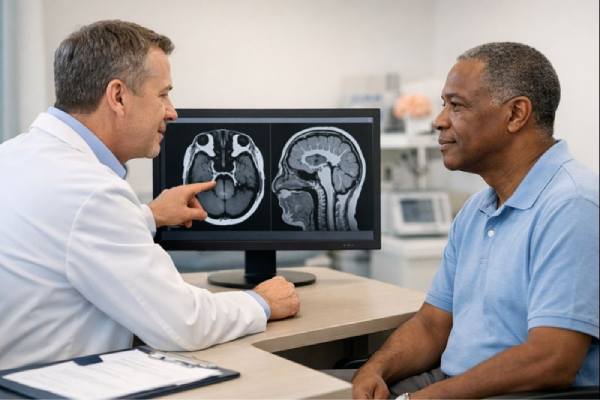
4) MRI with diffusion-weighted imaging
MRI with diffusion-weighted imaging is very sensitive for acute ischemic stroke and can pinpoint small brainstem infarcts. Yet even MRI can be falsely negative very early in posterior circulation stroke, especially within the first hours. If symptoms strongly suggest brainstem stroke and early imaging is negative, repeat imaging may be needed.
5) Heart and blood tests to find the source
To prevent recurrence, clinicians often order:
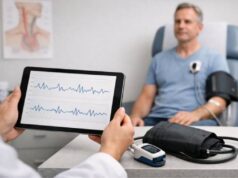
- ECG and heart rhythm monitoring for atrial fibrillation.
- Echocardiogram to assess valves, clots, and structural heart issues.
- Blood tests: cholesterol profile, diabetes screening, kidney function, clotting parameters, and sometimes specialized clotting tests.
6) Swallowing and breathing evaluation
Because silent aspiration is common, many hospitals perform a bedside swallow screen before food, drink, or pills. Some patients need formal swallowing studies. Breathing and airway reflexes are monitored closely when the medulla or lower pons is involved.
A good diagnostic plan answers two questions quickly: Is there bleeding? and Is there a treatable blockage? Then it identifies the likely cause to guide long-term prevention.
Treatment options and what to expect
Treatment depends on whether the stroke is ischemic or hemorrhagic, how severe it is, and how much time has passed since symptom onset. Brainstem strokes often require hospital care in a stroke unit or intensive care setting because breathing and swallowing can deteriorate.
Emergency treatment for ischemic brainstem stroke
- Intravenous thrombolysis (clot-busting medicine): For eligible patients within a defined time window, a clot-dissolving drug can improve outcomes by restoring blood flow. Eligibility depends on imaging, bleeding risk, blood pressure, and timing.
- Endovascular thrombectomy (catheter-based clot removal): If imaging shows a large-vessel occlusion—especially basilar artery occlusion—mechanical clot removal may be considered. This treatment is highly time-sensitive and typically requires transfer to a specialized center.
- Antiplatelet therapy: If thrombolysis is not used, clinicians often start antiplatelet therapy (commonly aspirin) after bleeding is ruled out. In selected cases of minor stroke or high-risk transient ischemic attack, short-term dual antiplatelet therapy may be used, with careful attention to bleeding risk.
- Anticoagulation: If the cause is atrial fibrillation or another strong cardioembolic source, anticoagulants may be started, usually after a tailored delay based on stroke size and bleeding risk.
- Supportive care: Oxygen as needed, fever control, careful fluid management, and treatment of abnormal glucose. Blood pressure targets differ depending on treatments used.
Emergency treatment for hemorrhagic brainstem stroke
- Blood pressure control is often urgent to limit bleeding expansion.
- Reversal of blood thinners when applicable (for example, reversing warfarin or certain direct oral anticoagulants with specific agents).
- Neurosurgical consultation may be needed, though surgery is limited by the brainstem’s location. In some cases, procedures address hydrocephalus (fluid buildup) or specific vascular lesions.
What to expect in the first days
Brainstem strokes can worsen due to swelling, evolving clot formation, or unstable blood flow. Clinicians monitor for:
- Declining alertness.
- Breathing difficulty.
- New swallowing impairment and aspiration.
- Worsening weakness, eye movement abnormalities, or balance problems.
Early rehabilitation begins in the hospital
Even within 24 to 48 hours (when medically stable), rehabilitation teams may start:
- Bed mobility and safe transfers.
- Balance and gait training.
- Speech therapy for swallowing and communication.
- Vision therapy strategies for double vision or gaze palsy.
Medication planning before discharge
Most patients leave the hospital with a prevention plan that may include:
- Antiplatelet or anticoagulant therapy (not usually both long-term unless there is a specific reason).
- High-intensity cholesterol lowering if atherosclerosis is suspected.
- Blood pressure treatment with a clear target.
- Diabetes management, smoking cessation support, and sleep apnea evaluation when indicated.
For many people, the most important “treatment” is not a single medication—it is a coordinated plan that stabilizes the acute event and aggressively reduces the risk of the next one.
Recovery, prevention, and when to seek help
Recovery after a brainstem stroke can be slower than people expect, partly because balance, swallowing, and eye movement pathways are complex and require repeated practice to retrain. The good news is that many patients improve significantly over weeks to months, especially with consistent rehabilitation and risk-factor control.
Rehabilitation priorities
A practical recovery plan often focuses on these domains:
- Swallowing safety: If swallowing is impaired, speech-language therapy provides exercises, diet texture changes, and safe-swallow strategies. Preventing aspiration is a top goal.
- Balance and walking: Physical therapy trains posture, gaze stabilization, and coordinated stepping. Assistive devices may be temporary or long-term.
- Vision and eye movement issues: Double vision may improve, but in the meantime patients may use prisms, patching strategies, or specialized therapy to reduce falls and nausea.
- Speech and facial strength: Therapy supports clearer speech and improves facial coordination.
- Fatigue and sleep: Brainstem injury can disrupt sleep-wake regulation. Structured routines, graded activity, and screening for sleep apnea can help.
- Mood and cognition: Anxiety and depression are common after stroke and can slow recovery. Early recognition and treatment matter.
Prevention strategies that move the needle
Prevention is not about perfection—it is about sustained, measurable change. Focus on:
- Blood pressure control: This is often the single strongest protector against both ischemic and hemorrhagic stroke recurrence.
- Heart rhythm management: If atrial fibrillation is present, taking anticoagulants exactly as prescribed reduces clot risk dramatically.
- Cholesterol management: Lowering LDL cholesterol helps stabilize plaque and reduce recurrent stroke risk.
- Diabetes control: Aim for steady glucose control and address insulin resistance with diet, movement, and medication when needed.
- Smoking cessation: Stopping tobacco improves vascular function quickly and continues to reduce risk over time.
- Sleep apnea evaluation: Treating sleep apnea can improve blood pressure and reduce cardiovascular strain.
- Movement and nutrition: A heart-healthy eating pattern and regular activity support vessel health and recovery endurance.
When to seek urgent or emergency care
Call emergency services immediately if any of these occur:
- Sudden dizziness with double vision, slurred speech, weakness, numbness, or inability to walk.
- New trouble swallowing, choking, or sudden hoarseness with neurologic symptoms.
- Sudden severe headache, especially with vomiting, neck stiffness, fainting, or confusion.
- Any stroke-like symptom that starts suddenly, even if it improves.
Also seek urgent medical advice (same day) for:
- A major change in swallowing or breathing after a recent stroke.
- New palpitations, fainting, or chest discomfort.
- Repeated falls or rapidly worsening balance.
A brainstem stroke is serious, but it is also a condition where fast treatment, structured rehabilitation, and disciplined prevention can meaningfully change the trajectory.
References
- European Stroke Organisation (ESO) and European Society for Minimally Invasive Neurological Therapy (ESMINT) guideline on acute management of basilar artery occlusion 2024 (Guideline)
- Trial of Endovascular Treatment of Acute Basilar-Artery Occlusion 2022 (RCT)
- Posterior Circulation Ischaemic Stroke 2022 (Review)
Disclaimer
This article is for general education and is not a substitute for individualized medical care. Brainstem stroke can be life-threatening and may present with symptoms that seem like vertigo, migraine, or a stomach illness. If you or someone near you develops sudden neurologic symptoms—especially dizziness with trouble walking, double vision, slurred speech, weakness, numbness, or difficulty swallowing—treat it as an emergency and seek immediate medical help. Treatment decisions (including clot-busting drugs, thrombectomy, blood thinners, and blood pressure targets) depend on timing, imaging findings, medical history, and bleeding risk, and must be made by qualified clinicians.
If you found this guide useful, please consider sharing it on Facebook, X (formerly Twitter), or any platform you prefer, and follow us on social media. Your support through sharing helps our team continue producing clear, trustworthy health content.