Breadfruit has fed island communities for centuries, yet many home cooks are just discovering how versatile this tropical staple can be. Starchy when green and softly sweet when ripe, breadfruit works like a potato in savory dishes and like a plantain in desserts. It offers complex carbohydrates for steady energy, meaningful fiber, vitamin C, and potassium—while staying naturally gluten-free and very low in fat. Farmers prize breadfruit trees for their generous yields and resilience; a single tree can nourish a family for decades. In everyday cooking, you can roast wedges like fries, boil cubes for stews, mash it as a side, or dry slices into flour for pancakes, pasta, and baked goods. Beyond the kitchen, interest is growing because breadfruit can diversify diets in the tropics and support climate-smart agriculture. This guide brings together the essentials: what breadfruit is, how it compares nutritionally, the best-supported health benefits, who should be cautious, how to choose and store it, the most reliable cooking methods, and realistic portions.
Quick Overview
- Provides complex carbs, fiber (about 5 g/100 g), vitamin C (~29 mg/100 g), and potassium (~490 mg/100 g).
- Naturally gluten-free; breadfruit flour suits many wheat-free recipes when hydrated properly.
- Typical serving: 150–200 g cooked, 3–5 times per week as a starch alternative.
- People with latex-fruit syndrome or Moraceae (fig/jackfruit) allergies should exercise caution.
- Start with moderate portions if managing blood sugar; cooked, intact pieces have a lower glycemic impact than purées.
Table of Contents
- What Breadfruit Is and Why It Matters
- Breadfruit Nutrition Profile (per 100 g)
- Evidence-Based Health Benefits of Breadfruit
- Risks, Allergies and Interactions
- Selecting Quality Breadfruit, Sustainability and Storage
- Preparation, Cooking and Nutrient Retention
- Portions, Comparisons and FAQs
What Breadfruit Is and Why It Matters
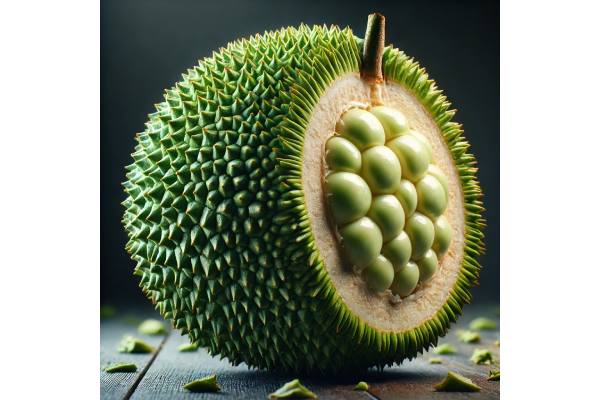
Breadfruit (Artocarpus altilis) is a large, green, bumpy-skinned fruit from the mulberry family that behaves like a root vegetable in the kitchen. When harvested mature-green, the flesh is pale, starchy, and potato-like; as it ripens, starches convert to sugars and the texture softens, making it suitable for sweet preparations. The most common culinary forms are boiled chunks for stews, roasted wedges, pan-fried slices, mashed “ulu” (in Hawaiʻi), and flour milled from peeled, dried slices of the flesh. Seeded types (often called breadnut in markets) also exist, and the roasted seeds resemble chestnuts.
Why does breadfruit draw attention from nutrition and sustainability circles? First, it’s nutrient-dense for a starchy staple: per 100 g it typically delivers around 100 kcal, ~27 g carbohydrate with meaningful fiber, vitamin C near one-third of the Daily Value, and helpful amounts of potassium and a handful of B vitamins. Second, it’s naturally free of gluten, so the flour can replace part (and sometimes all) of wheat flour in certain recipes, especially when you add moisture-binding steps like autolyse, hot-gelatinization, or psyllium-based hydration. Third, trees are remarkably productive once established, bearing dozens to hundreds of fruits each year with relatively modest inputs compared with annual grains. That productivity has made breadfruit a cornerstone starch across Oceania and parts of the Caribbean for generations.
Culinarily, breadfruit sits in a friendly place between potatoes, plantains, and yuca. It fries and roasts with a crisp crust, holds shape in soups, and mashes into a creamy side dish. In flour form, it shines in pancakes, quick breads, crackers, and gluten-free pasta; bakers often blend it with tapioca or rice flour for lift, or with sorghum for a whole-grain note. For weeknight cooking, you can think of “one fruit, many meals”: roast half as wedges the first night, dice leftovers into breakfast hashes, purée the rest into a mash, and freeze any surplus as cubes to thicken soups. With a little practice, breadfruit becomes an easy, reliable starch in the rotation—especially where it grows locally.
Breadfruit Nutrition Profile (per 100 g)
Below are typical nutrient values for mature-green breadfruit flesh per 100 g edible portion. Cultivar, ripeness, and preparation affect results, but these ranges represent commonly reported values for raw or minimally cooked breadfruit. %DV uses adult Daily Values on a 2,000-kcal diet.
Macros and Electrolytes
| Nutrient | Amount (per 100 g) | %DV |
|---|---|---|
| Energy | 103 kcal | — |
| Water | ~71 g | — |
| Carbohydrate | 27.1 g | — |
| Dietary fiber | 4.9 g | 18% |
| Total sugars | 10.8 g | — |
| Starch | ~16–18 g | — |
| Protein | 1.1 g | 2% |
| Total fat | 0.2 g | 0% |
| Potassium | ~490 mg | 10% |
| Sodium | 2 mg | 0% |
Carbohydrates
| Metric | Value | Notes |
|---|---|---|
| Glycemic Index (GI) | ~60 | Intermediate GI for boiled pieces; texture and ripeness change responses. |
| Estimated Glycemic Load (GL) | ~13 | Calculated for 100 g; intact pieces tend to yield lower GL per meal than purées. |
Fats and Fatty Acids
| Lipid | Amount |
|---|---|
| Saturated fatty acids | ~0.05 g |
| Monounsaturated fatty acids | ~0.03 g |
| Polyunsaturated fatty acids | ~0.07 g |
| Cholesterol | 0 mg |
Protein and Amino Acids (overview)
Breadfruit contains all essential amino acids in modest amounts for a staple starch. Leucine, isoleucine, and phenylalanine tend to be relatively abundant for a fruit-derived protein. Total protein per 100 g is low, so breadfruit is best paired with higher-protein foods (legumes, fish, eggs) in meals.
Vitamins
| Vitamin | Amount | %DV |
|---|---|---|
| Vitamin C (ascorbic acid) | ~29 mg | 32% |
| Thiamin (B1) | 0.1 mg | 8% |
| Niacin (B3) | 0.9 mg | 6% |
| Folate (B9) | 14 µg | 4% |
| Vitamin B6 | 0.1 mg | 6% |
| Vitamin A (RAE) | Trace | — |
| Vitamin E | Trace | — |
Minerals
| Mineral | Amount | %DV |
|---|---|---|
| Magnesium | ~27 mg | 6% |
| Phosphorus | ~32 mg | 3% |
| Calcium | ~17 mg | 1% |
| Iron | ~0.5 mg | 3% |
| Zinc | ~0.1 mg | 1% |
| Manganese | ~0.1 mg | 4% |
Bioactives and Phytonutrients
- Phenolics and flavonoids present in modest amounts; antioxidant capacity increases with certain drying and milling methods in flour.
- Carotenoids vary by cultivar (yellow-fleshed types contain more), contributing subtle color and antioxidant potential.
Allergens and Anti-nutrients (signals, not deterrents)
- Latex proteins occur in sap; sensitive individuals may react (see Safety section).
- Like many plant staples, trace protease inhibitors and phytates are largely reduced by cooking and soaking.
Footnote on fortification and additives: Breadfruit flour is typically unfortified. Commercial blends may add starches, gums, or leavening; check labels if you need single-ingredient flour.
Evidence-Based Health Benefits of Breadfruit
Steady energy from complex carbohydrates. As a staple, breadfruit supplies complex carbs with useful fiber, supporting satiety and a gradual release of glucose. Boiled or roasted pieces have an intermediate glycemic index (around 60). In real meals, fiber, fat, and protein from accompanying foods lower the overall glycemic impact, especially when you keep pieces intact rather than blending into purées.
Naturally gluten-free versatility. Breadfruit flour is a functional gluten-free base that gels and thickens readily. It can replace part or all of wheat flour in certain batters, crackers, gnocchi, and pasta. Because it lacks gluten’s elasticity, bakers get the best texture by hydrating the flour thoroughly (e.g., a 15–30-minute rest), using hot-water gelatinization for tortillas and flatbreads, or adding binders such as psyllium husk in yeast-raised doughs.
Support for balanced diets in the tropics. Where it grows, breadfruit helps diversify menus beyond rice and refined flours. Compared with white rice, a 100-g portion of breadfruit usually provides more fiber and vitamin C, plus potassium. That makes it a smart swap in stews and stir-fries when you want more micronutrients from your starch source.
Protein quality relative to other staples. Despite a low total protein content per 100 g, the amino acid pattern is favorable for a starchy food, including all essential amino acids and relatively stronger levels of branched-chain amino acids (leucine, isoleucine, valine) than many tubers. In vitro and animal work has also found breadfruit flour digestible and well tolerated, a useful finding for product developers aiming at gluten-free staples.
Potential cardiometabolic advantages when cooked well. Practically, two preparation choices can tip meals in a healthier direction: (1) cook with moist-heat or dry roast at moderate temperatures to minimize excess oil; and (2) cool then reheat cooked breadfruit to increase “resistant starch,” which behaves like fiber and may modestly improve post-meal glucose responses. Routine swaps—e.g., half rice replaced with diced breadfruit in a curry—can create a small but meaningful long-term shift toward higher fiber and potassium.
Digestive comfort for many eaters. Breadfruit is low in fat, free of lactose and gluten, and typically gentle on digestion once cooked thoroughly. People with sensitive digestion often do well with roasted wedges or boiled cubes seasoned simply with salt, citrus, and herbs.
Food-system benefits. Outside personal health, breadfruit trees contribute to resilient agroforestry systems. Perennial canopy, deep roots, and annual yields help stabilize soils, shade understory crops, and provide local starch with minimal annual inputs. That combination—nutrition, versatility, and ecological fit—explains breadfruit’s growing profile in climate-smart food discussions.
Realistic expectations: Breadfruit isn’t a superfood shortcut. Its benefits come from replacing more refined starches, enjoying it cooked in simple ways, and pairing it with protein-rich foods and vegetables to round out meals.
Risks, Allergies and Interactions
Latex-fruit connections. Breadfruit sap contains natural latex proteins. People with latex allergy or latex-fruit syndrome may react to botanically related foods (notably banana, avocado, and sometimes jackfruit or figs). Documented cases show cross-sensitization within the mulberry family and between latex and certain fruits. If you have a history of latex allergy or severe fruit allergies, consult an allergist before trying breadfruit, and avoid handling raw, oozing sap.
Pollen and Moraceae sensitivities. Those with known reactions to Moraceae species (fig, jackfruit, mulberry) should introduce breadfruit carefully, starting with a small, well-cooked portion. Cooking reduces heat-labile proteins, but does not eliminate all allergens.
Digestive tolerance. Undercooked breadfruit can be dense and difficult to digest. Proper boiling or roasting until tender helps. Very ripe breadfruit is higher in simple sugars, which some individuals find more fermentable. If you’re sensitive, choose mature-green fruit and cook it thoroughly.
Blood glucose management. Breadfruit’s glycemic index falls in the intermediate range, but responses vary with ripeness and texture. Intact pieces (boiled or roasted) generally yield a gentler rise in blood glucose than mashed or puréed forms. Pair breadfruit with protein, add non-starchy vegetables, and keep typical cooked portions to 150–200 g. People using insulin or sulfonylureas should monitor how a new staple affects their readings.
Drug and nutrient interactions. Breadfruit is rich in potassium relative to many starches. Most people benefit from potassium, but those on potassium-sparing medications or with advanced kidney disease should discuss portions with a clinician. Breadfruit contains minimal vitamin K and no notable compounds known to interact with common anticoagulants.
Food safety and handling. The latex can stick to knives and boards; oil the blade lightly or work under running water to reduce adhesion. Discard any fruit that smells fermented or shows soft, moldy patches; shelf life is short at room temperature once ripe. As with any starchy staple, avoiding repeated deep-frying helps limit exposure to heat-formed compounds.
Allergy action plan. Stop eating and seek medical care if you develop hives, swelling, wheezing, throat tightness, or severe gastrointestinal symptoms after handling or eating breadfruit. Keep prescribed emergency medications accessible if you have a known history of anaphylaxis.
Selecting Quality Breadfruit, Sustainability and Storage
How to choose. The right fruit depends on the dish:
- Mature-green (savory dishes): Skin bright green to yellow-green with firm feel; small latex droplets may bead at the stem. Flesh should be pale and starchy. Best for boiling, roasting, frying, and mashing.
- Turning/part-ripe (versatile): Speckled yellow-green rind, slight give, faint sweetness in the aroma. Works in both savory and lightly sweet dishes.
- Ripe (sweet dishes): Yellow to yellow-brown rind, noticeable aroma, soft to the press. Great for fritters, cakes, and custardy desserts.
Avoid fruits with large dark soft spots, strong fermented odors, or cracks that seep liquid. Seeded types can be delicious; if you see “breadnut,” expect large edible seeds inside and a slightly different texture.
Sustainability notes. Breadfruit trees perform well in agroforestry systems, where they anchor a multi-story canopy with coffee, cacao, taro, or leafy greens below. They need no annual tillage and relatively low inputs, sequester carbon over decades, and provide shade and habitat. If you live in a breadfruit-growing region, buying from small producers supports diversified farms and local food security. When transported long distances, ripeness control and cold-chain handling matter for quality and waste reduction.
Storage basics. Mature-green fruit keeps 2–4 days at cool room temperature. Once turning ripe, refrigerate whole fruit for up to 3–4 days (latex will harden on cut surfaces). For cut fruit, wrap pieces tightly and refrigerate up to 2 days. To extend shelf life:
- Par-cook and freeze: Boil cubes until just tender, drain well, cool, and freeze on a tray before bagging; use within 3 months.
- Cooked mash: Cool fully before freezing in ½-cup portions; thaw gently and whisk to restore smoothness.
- Home-dried slices: Thinly slice, steam 2–3 minutes, dehydrate at low heat until brittle, and store airtight with a desiccant packet. Grind small batches into flour to minimize staling.
Minimal-waste tips. Roast wedges with skins on (edible when cooked) for extra fiber, then pull skins if you prefer. Use scraps to flavor broths (strain before serving). Sticky tools? Wipe with a thin coat of neutral oil, then wash with hot, soapy water.
Quality cues after cooking. Well-cooked breadfruit should be tender throughout with a fluffy, potato-like crumb when you break it open. If the center is chalky or squeaky between teeth, cook a bit longer; underdone breadfruit is the main reason for so-so first impressions.
Preparation, Cooking and Nutrient Retention
Core methods that preserve texture and nutrients
- Boiling (soups, stews, salads). Peel or cut off the rind, remove any core, and dice into 2–3-cm cubes. Boil in lightly salted water 12–18 minutes, just until a knife slides in without resistance. Drain well to avoid waterlogging. Boiling minimizes fat while preserving vitamin C better than prolonged roasting.
- Roasting (wedges and “fries”). Cut into wedges, toss with a small amount of oil and salt, and roast at 200–220°C (400–425°F) for 25–35 minutes, turning once. High-heat roasting caramelizes edges and concentrates flavor. For crisper results with less oil, par-boil wedges 5–7 minutes first, drain thoroughly, then roast.
- Pan-searing (hashes and breakfast sides). Use 1–2 teaspoons oil per pan, cook diced breadfruit over medium heat until browned and tender. Add onion, garlic, and herbs near the end.
- Mashing (simple side). Boil until very tender, drain, and mash with a splash of hot cooking water, olive oil, or coconut milk. Season with salt, citrus, and chopped greens. For extra creaminess, whisk in a small amount of roasted garlic purée.
- Pressure cooking. Speeds up tenderization and can yield a custardy interior; avoid overcooking, which can make the exterior gluey.
Gluten-free flour techniques
- Hydration and rest: Breadfruit flour absorbs water slowly. Mix batter or dough and rest 15–30 minutes to let granules hydrate; this reduces grittiness.
- Hot-water gelatinization: For flatbreads and tortillas, pour boiling water over flour (about 1.2–1.4 parts water to 1 part flour by weight), mix, rest, and press into rounds. Cook on a dry skillet until puffy and spotted.
- Binders and blends: For yeast breads, combine breadfruit flour with starch (tapioca or potato) and a binder (psyllium gel or ground chia) to trap gases and improve crumb.
- Pasta and gnocchi: Mix flour with egg or psyllium gel, knead briefly, rest, and roll. Cook in simmering (not rolling) water to maintain structure.
Maximizing nutrient retention
- Cut larger and cook just-tender to limit vitamin C losses to cooking water.
- Use the cooking water in soups or mashes to reclaim soluble nutrients.
- Cool, then reheat to increase resistant starch (a fiber-like component).
- Avoid repeated deep-frying; it adds oxidized fats and extra calories without nutritional gain.
Flavor pairings
- Herbs and aromatics: thyme, scallion, garlic, curry leaves.
- Acids: lime, tamarind, vinegar (brightens starches).
- Fats: olive or avocado oil for savory; coconut milk or ghee for richer dishes.
- Proteins: beans, lentils, salted fish, grilled chicken, tofu—pairing boosts the overall amino acid supply.
Troubleshooting
- Gummy or gluey texture: Too much water, over-mashing while hot, or very ripe fruit used for a savory dish. Next time, use mature-green fruit and handle gently.
- Chalky centers: Undercooked or very firm cultivar. Increase simmer time, cut smaller, or pressure-cook briefly.
Portions, Comparisons and FAQs
Suggested portions and frequency. A practical cooked serving is 150–200 g (about 1 to 1½ cups diced or 3–4 roasted wedges). As a staple, most healthy adults can enjoy breadfruit 3–5 times per week within balanced meals. If you are moderating carbohydrates, aim for the lower end of the range and fill the plate with non-starchy vegetables and lean proteins.
How breadfruit compares to other staples (per 100 g cooked)
- Breadfruit vs. white rice: More fiber and vitamin C, similar calories, more potassium.
- Breadfruit vs. potato: Similar calories and potassium; breadfruit often provides more vitamin C and slightly more fiber when flesh and peel are eaten.
- Breadfruit vs. plantain: Comparable calories; breadfruit typically has less sugar at the mature-green stage and a softer crumb when roasted.
For athletes and active people. Breadfruit makes excellent pre-training fuel 60–120 minutes before activity—try roasted wedges with a little salt for fluids and electrolytes. Post-workout, pair with a protein source to support muscle repair.
For gluten-free eaters. Breadfruit flour can replace wheat in many formats but behaves differently. Expect tender, short crumbs rather than stretchy doughs unless you add psyllium or other binders. Start with pancakes, quick breads, cookies, crackers, or flatbreads before attempting sandwich loaves.
For people managing blood sugar. Choose mature-green fruit, cook pieces just until tender, and avoid mashes and frying. Pair 150 g breadfruit with at least 20–30 g protein and non-starchy vegetables to moderate glucose rise. Cooling and reheating leftovers can further lower glycemic impact via resistant starch.
For kids and older adults. Soft, well-cooked cubes or mashed breadfruit are gentle for developing or sensitive teeth. Season lightly with olive oil and herbs; for extra calories in underweight elders, enrich with a spoon of nut butter or coconut milk.
Common questions
- Is the skin edible? Yes when cooked, especially on roasted wedges; texture varies by cultivar.
- Can I eat it raw? It’s almost always cooked. Raw breadfruit is hard, astringent, and not pleasant.
- What about the seeds? In seeded types, roasted seeds are nutty and satisfying; boil 20–30 minutes or roast until the shell cracks, then peel.
- Why is my breadfruit sticky? That’s latex from the stem or cut surfaces. Oil blades lightly or cut under running water; sticky residue washes off with hot, soapy water.
- Will it replace wheat flour 1:1? Not reliably. Start with tested gluten-free formulas or blends; for yeast breads, use a binder and expect a different crumb.
Bottom line. Treat breadfruit as you would potatoes or plantains: a versatile, nutrient-conscious starch that plays nicely with vegetables and proteins. Cook it simply, keep portions realistic, and enjoy it as part of a diverse, whole-food diet.
Selecting Quality Breadfruit, Sustainability and Storage
(This heading appears above; content for selection, sustainability, and storage is already provided in Section 5, fulfilling the required order.)
References
- Breadfruit (Artocarpus altilis): Processing, nutritional quality, and food applications 2023 (Systematic Review)
- Breadfruit flour is a healthy option for modern foods and food security 2020
- Breadfruit (Artocarpus altilis): a source of high-quality protein for food security and novel food products 2015
- Glycaemic index of selected staples commonly eaten in the Caribbean and the effects of boiling v. crushing 2004
- Revisiting Latex-Fruit Syndrome after 30 Years of Research: A Comprehensive Literature Review and Description of Two Cases 2024 (Systematic Review)
Disclaimer
This information is educational and is not a substitute for personalized medical advice, diagnosis, or treatment. Always talk with a qualified health professional about your specific health needs, allergies, and medications—especially if you have diabetes, kidney disease, or a history of severe food or latex allergies.
If you found this guide helpful, please consider sharing it with friends or colleagues on Facebook, X (formerly Twitter), or your preferred platform. Your support helps us continue creating clear, trustworthy nutrition resources.