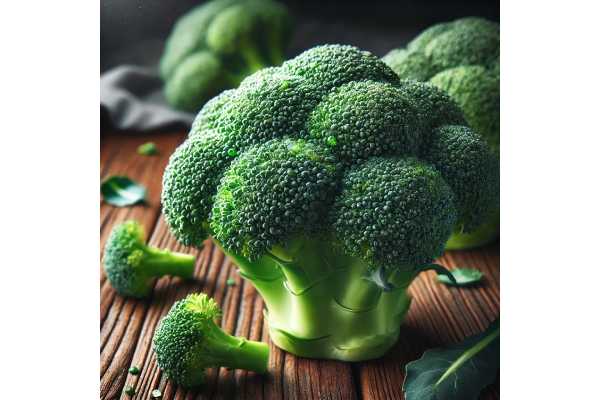
Broccoli is one of those vegetables that nutrition professionals quietly rely on. It is low in calories yet dense in vitamins, minerals, fiber, and unique plant compounds that support many aspects of health. As a member of the cruciferous vegetable family, broccoli provides glucosinolates, which are converted into bioactive compounds such as sulforaphane during chopping and chewing. These substances are being studied for their roles in cellular protection, inflammation control, and cancer prevention.
In everyday life, broccoli is also practical: it is widely available, relatively affordable, and easy to prepare in ways that suit different tastes and cultures. You can steam it, roast it, stir-fry it, blend it into soups, or eat it raw with dips. This article walks you through what is in broccoli, how it may benefit your health, who should be cautious, and how to choose and cook it so you actually enjoy eating it regularly.
Key Nutrition Insights
- Broccoli is low in calories (about 34 kcal per 100 g) yet rich in vitamin C, vitamin K, folate, and fiber.
- Cruciferous compounds in broccoli, including sulforaphane precursors, may help support heart health, metabolic health, and cellular defenses.
- A practical serving is about 1 cup (90–100 g) raw or ½ cup cooked, enjoyed several times per week within a varied vegetable intake.
- People on vitamin K–sensitive anticoagulant therapy should keep broccoli intake consistent and coordinate with their healthcare team.
- Those with significant digestive issues, kidney stone risk, or thyroid disorders should discuss appropriate broccoli portions and cooking methods with a clinician or dietitian.
Table of Contents
- Broccoli background and uses
- Broccoli nutrients and composition
- Research based benefits of broccoli
- Risks, sensitivities and drug interactions
- Buying quality broccoli and storage
- Cooking broccoli and keeping nutrients
- Broccoli servings, comparisons and FAQs
Broccoli background and uses
Broccoli (Brassica oleracea var. italica) belongs to the same botanical family as cabbage, kale, cauliflower, and Brussels sprouts. What we usually eat are its immature flower heads plus a portion of the stalk, which together offer a mild, slightly peppery flavor. Different types exist, including standard Calabrese broccoli, sprouting broccoli with multiple small heads, and broccolini, a tender hybrid with longer stems.
Traditionally, broccoli has been part of Mediterranean and European cuisines for centuries, but its popularity has spread worldwide. In many countries it is now a staple “everyday” vegetable that fits into stir-fries, pasta dishes, grain bowls, salads, omelets, and blended soups.
Common culinary uses include:
- Lightly steaming and serving as a side with fish, poultry, tofu, or legumes.
- Roasting with olive oil and spices for a caramelized, nutty flavor.
- Stir-frying with garlic, ginger, and soy-based sauces in Asian-inspired dishes.
- Blending into creamy soups or sauces, often with potatoes or beans for texture.
- Serving raw in salads or with hummus and yogurt dips.
Beyond flavor and texture, broccoli’s appeal comes from its nutritional “density”: per bite, it provides a significant amount of vitamins C and K, along with folate, fiber, potassium, and various antioxidant and sulfur-containing compounds. This combination is one reason broccoli is often highlighted in dietary guidance for heart health, gut health, and long-term disease prevention.
Broccoli sprouts, which are the young seedlings of the plant, are even richer in certain glucosinolate precursors than mature florets. They can be added to sandwiches, salads, and bowls to complement the nutrients found in cooked broccoli, though they are typically eaten in smaller amounts.
Overall, broccoli is versatile, compatible with many cuisines, and easy to incorporate into weekly meal planning, whether you prefer simple steamed sides or more complex recipes.
Broccoli nutrients and composition
Most of the research and nutrition labeling data for broccoli refer to raw florets and stalks. The following values describe a typical 100 g portion of raw broccoli.
Macros and electrolytes (per 100 g, raw)
| Nutrient | Amount per 100 g | Approx. %DV* |
|---|---|---|
| Energy | 34 kcal | 2% |
| Total carbohydrate | 6.6 g | 2% |
| Dietary fiber | 2.6 g | 9% |
| Total sugars | 1.7 g | – |
| Protein | 2.8 g | 6% |
| Total fat | 0.4 g | <1% |
| Saturated fat | 0.1 g | <1% |
| Sodium | 30–35 mg | 1% |
| Potassium | ~315 mg | 7% |
| Water | ~89 g | – |
*%DV based on a general 2,000 kcal diet.
Broccoli is mostly water and carbohydrates, with a modest amount of protein and very little fat. Its fiber content helps support digestion and contributes to fullness with minimal calories.
Vitamins (per 100 g, raw)
| Vitamin | Amount per 100 g | Approx. %DV |
|---|---|---|
| Vitamin C | 89 mg | ~100% |
| Vitamin K (phylloquinone) | 102 µg | ~85% |
| Folate (vitamin B9) | 63 µg | ~16% |
| Vitamin A (as µg RAE) | ~31 µg | 3–4% |
| Vitamin E (alpha-tocopherol) | 0.8 mg | 5% |
| Thiamin (vitamin B1) | 0.07 mg | 6% |
| Riboflavin (vitamin B2) | 0.12 mg | 9% |
| Niacin (vitamin B3) | 0.64 mg | 4% |
| Vitamin B6 | 0.18 mg | 10% |
The standout nutrients here are vitamins C and K. A 100 g portion of raw broccoli can meet nearly a full day’s vitamin C requirement and a large portion of vitamin K needs, supporting immune function, antioxidant defenses, and normal blood clotting.
Minerals (per 100 g, raw)
| Mineral | Amount per 100 g | Approx. %DV |
|---|---|---|
| Calcium | 47 mg | 4% |
| Iron | 0.7 mg | 4% |
| Magnesium | 21 mg | 5% |
| Phosphorus | 66 mg | 5% |
| Zinc | 0.4 mg | 4% |
| Manganese | 0.2 mg | 8–10% |
Broccoli is not a major source of any single mineral but contributes small amounts of several, especially calcium, magnesium, and manganese. Over the course of a day, these servings add up along with other foods.
Bioactives and other components
Broccoli is recognized for:
- Glucosinolates, especially glucoraphanin, which can be converted to sulforaphane when broccoli is chopped, chewed, or lightly cooked.
- Polyphenols and flavonoids, including kaempferol and quercetin glycosides.
- Carotenoids, such as lutein and beta-carotene, which support eye and skin health.
Oxalate content in broccoli is generally considered low compared with high-oxalate vegetables like spinach or beet greens. For most people, broccoli does not meaningfully increase kidney stone risk, though individual tolerance and total diet pattern still matter.
Cooking changes nutrient availability. Vitamin C decreases with high heat or prolonged boiling, while some carotenoids and certain minerals may become more accessible. Light steaming tends to preserve most water-soluble vitamins and glucosinolate precursors better than boiling.
Research based benefits of broccoli
The potential health benefits of broccoli come from the combination of vitamins, minerals, fiber, and a wide range of bioactive compounds that act on multiple pathways. While no single food can prevent or treat disease on its own, regular broccoli intake can be a meaningful part of a health-supportive eating pattern.
1. Support for cardiovascular health
Several components of broccoli may contribute to heart and blood vessel health:
- Fiber helps support healthy blood cholesterol levels by binding some bile acids in the digestive tract.
- Potassium assists in managing blood pressure by counterbalancing sodium.
- Glucosinolates and their breakdown products may help reduce oxidative stress and support normal blood vessel function.
Observational research consistently finds that people who eat more cruciferous vegetables, including broccoli, tend to have lower rates of cardiovascular events over time. This does not prove cause and effect, but it fits with what is known about fiber and antioxidant nutrients.
2. Cellular protection and possible cancer risk reduction
Broccoli is central in research on cruciferous vegetables and cancer. When you chop or chew broccoli, plant enzymes and gut bacteria convert glucosinolates into isothiocyanates such as sulforaphane. These compounds:
- Activate internal antioxidant systems, including enzymes that help neutralize reactive oxygen species.
- Influence detoxification pathways that process unwanted chemicals.
- Support normal cell cycle regulation and programmed cell death in abnormal cells.
Large reviews suggest that higher intakes of cruciferous vegetables are associated with a lower risk of cancers of the digestive tract and some hormone-related cancers. These findings are strongest where overall diet quality is also high and tobacco and alcohol exposure are low. Broccoli cannot compensate for major risk factors, but it can be one positive piece of a protective pattern.
3. Metabolic and blood sugar support
Broccoli’s fiber and relatively low carbohydrate density make it suitable for most people managing blood sugar. By slowing digestion and absorption, broccoli can soften post-meal blood glucose spikes when it replaces more refined foods.
In addition, experimental studies indicate that sulforaphane-rich preparations from broccoli may improve insulin sensitivity and reduce markers of inflammation and oxidative stress linked with metabolic syndrome and type 2 diabetes. These results are most pronounced in concentrated extracts and broccoli sprout preparations but still support including regular servings of the whole vegetable.
4. Gut, bone, and immune health
- Gut health: Fiber in broccoli feeds beneficial gut bacteria and helps maintain regular bowel movements. Certain sulfur compounds may influence the gut environment in ways that are still being explored.
- Bone health: Vitamin K works with vitamin D and calcium to support bone mineralization. The combination of vitamin K, small amounts of calcium, and magnesium in broccoli can modestly support skeletal health over time.
- Immune support: Vitamin C plays a central role in normal immune function, collagen synthesis, and wound healing. A single 100 g portion of raw broccoli can practically cover daily vitamin C needs for many adults.
Overall, the strongest evidence points to broccoli and other cruciferous vegetables as useful contributors to long-term disease risk reduction when eaten regularly within a varied, minimally processed diet.
Risks, sensitivities and drug interactions
For most healthy people, broccoli is safe and beneficial when eaten in typical food amounts. However, certain groups need to pay closer attention to portion sizes, preparation, or medical interactions.
Digestive discomfort and FODMAP concerns
Broccoli contains fermentable carbohydrates (FODMAPs), especially in the florets. In sensitive individuals, these can lead to:
- Gas and bloating
- Abdominal discomfort
- Loose stools when large amounts are eaten
People with irritable bowel syndrome or other functional gut disorders may tolerate small servings of cooked broccoli but react to larger portions, particularly when it is undercooked or eaten raw. Separating florets (higher FODMAP) and stems (somewhat lower FODMAP), cooking thoroughly, and limiting to modest portions can improve tolerance.
Thyroid function and goitrogenic compounds
Like other cruciferous vegetables, raw broccoli contains goitrogenic substances that can interfere with iodine uptake in the thyroid gland when eaten in very large amounts, particularly in the context of low iodine status. For most individuals with adequate iodine intake, typical broccoli consumption is not associated with thyroid dysfunction.
Consider these points:
- Light cooking (steaming, stir-frying, blanching) reduces the activity of plant enzymes that activate some goitrogenic compounds.
- Very high, sustained intakes of large amounts of raw broccoli or juice, especially in iodine deficiency, are more concerning than normal food portions.
- People with existing thyroid disease should follow individualized advice about cruciferous vegetables from their healthcare provider, but complete avoidance is rarely necessary.
Kidney stones and oxalate
Oxalate content in broccoli is relatively low compared with well-known high-oxalate foods. For most people, broccoli does not need to be restricted for kidney stone prevention. However, those with a history of calcium oxalate stones who have been advised to follow a low-oxalate diet should:
- Keep broccoli portions moderate.
- Prefer cooked broccoli, as boiling and draining can reduce soluble oxalate content.
- Focus more on managing high-oxalate foods and overall hydration, as recommended by their clinician.
Vitamin K and blood-thinning medications
Broccoli is rich in vitamin K, which plays a key role in blood clotting. For people taking vitamin K–sensitive anticoagulant medications such as warfarin, sudden large changes in vitamin K intake can interfere with dose stability.
General guidance is:
- Do not avoid broccoli entirely; instead, keep intake consistent from week to week.
- Inform your healthcare team about typical broccoli and other green vegetable intake so medication doses can be adjusted appropriately.
Allergies and other rare reactions
Allergy to broccoli is uncommon but can occur, either as a primary food allergy or as part of cross-reactivity in people allergic to pollens or other Brassica vegetables. Symptoms can include itching in the mouth, hives, digestive upset, or, very rarely, more severe reactions. Anyone with suspected broccoli allergy should seek evaluation from an allergy specialist.
In summary, broccoli is safe for the majority of the population when eaten in normal culinary amounts. Those with thyroid conditions, kidney stones, significant digestive issues, or anticoagulant therapy should personalize their broccoli intake with professional guidance rather than self-restricting drastically.
Buying quality broccoli and storage
Choosing good-quality broccoli and handling it properly at home helps preserve both flavor and nutrients.
How to select fresh broccoli
Look for:
- Color: Tight, compact florets that are deep green. A slight purple or blue-green tint is also fine and often indicates higher levels of certain pigments. Avoid heads with many yellow flowers or uniformly yellowish florets, which signal age.
- Texture: Firm stalks and crisp, sturdy florets. Limp stems or rubbery texture indicate that the broccoli is past its prime.
- Aroma: A mild, fresh, slightly cabbage-like smell. Strong sulfur or musty odors can be a sign of deterioration.
- Leaves and stems: If leaves are attached, they should be vibrant and not wilted. The cut end of the stalk should not be excessively dry, brown, or slimy.
Broccoli is sold as whole heads, crowns (without the larger stalk), pre-cut florets, or frozen spears and pieces. Whole heads and crowns typically keep the longest, while pre-cut florets are convenient but may lose vitamin C and glucosinolate content more quickly due to extra cutting and exposure.
Sustainability and production considerations
Broccoli is often grown in temperate climates and can be produced year-round in some regions. From a sustainability standpoint:
- It generally has a lower environmental footprint than many animal foods.
- Seasonal and local broccoli can reduce transport-related impacts and often tastes better.
- Frozen broccoli is harvested and blanched near the field, which helps minimize waste and retain nutrients, making it a practical, low-waste option.
Choosing broccoli with minimal plastic packaging, buying only what you can use within several days, and incorporating stems and leaves into recipes (rather than discarding them) also improve sustainability and reduce food waste.
Storage tips at home
To store broccoli:
- Refrigeration: Keep unwashed broccoli in the vegetable drawer of the refrigerator. Store it in a breathable bag or loosely wrapped to allow some airflow while reducing moisture loss.
- Shelf life: Fresh whole heads usually keep 3–5 days, sometimes up to a week if very fresh at purchase. Pre-cut florets are best within 1–3 days.
- Freezing: For longer storage, briefly blanch broccoli florets and sliced stems in boiling water for 2–3 minutes, then cool in ice water, drain, and freeze in airtight containers. Properly frozen broccoli can last several months with good quality.
Discard broccoli that is slimy, has a strong unpleasant odor, or shows extensive mold. Slight yellowing or minor soft spots can sometimes be trimmed away and the remaining portion used promptly in cooked dishes.
Cooking broccoli and keeping nutrients
How you prepare broccoli affects its texture, taste, and nutrient profile. The goal is to make it enjoyable while preserving, as far as practical, its valuable compounds.
Best cooking methods for nutrient retention
- Light steaming
- Often considered the most balanced method.
- Helps preserve vitamin C and glucosinolate precursors better than prolonged boiling.
- Steaming for about 3–5 minutes, until bright green and just tender, maintains a pleasant crunch without excessive nutrient loss.
- Microwaving with minimal water
- Short microwaving times with just a splash of water can preserve vitamins similarly to or better than steaming in some cases.
- Avoid overcooking; check doneness frequently.
- Stir-frying or sautéing
- Cooking broccoli quickly in a small amount of oil at medium-high heat softens it while limiting water exposure.
- Combining with aromatics like garlic and ginger improves palatability, which indirectly increases overall vegetable intake.
- Roasting
- Toss broccoli florets and sliced stems with oil and seasonings, then roast at moderate to high temperature.
- Produces a sweet, nutty flavor and crisp edges, though some heat-sensitive vitamins will decline more than with steaming.
Methods to use sparingly
- Boiling for long periods: Prolonged boiling leads to substantial losses of vitamin C and some B vitamins into the cooking water, which is usually discarded. If you do boil broccoli, using the cooking liquid in soups or sauces can help reclaim some nutrients.
Enhancing sulforaphane formation
Sulforaphane formation depends on the interaction between glucoraphanin and the plant enzyme myrosinase, along with gut bacteria. To support this process:
- Chop or slice broccoli at least several minutes before cooking, then let it rest. This gives myrosinase time to act on glucoraphanin.
- Use gentle cooking methods (light steaming rather than intense boiling) to help retain both glucosinolates and some enzyme activity.
- Alternatively, pair cooked broccoli with raw cruciferous vegetables or mustard seeds, which can supply additional myrosinase.
Practical preparation ideas
- Quick side dish: Steam florets and stems, then toss with olive oil, lemon juice, and a pinch of salt.
- Pasta or grain bowl: Roast broccoli with chickpeas and cherry tomatoes and toss with whole-grain pasta or quinoa.
- Soup: Blend steamed broccoli with potatoes or white beans, vegetable broth, and herbs to create a creamy, fiber-rich soup without heavy cream.
- Breakfast or brunch: Add chopped broccoli to omelets, frittatas, or savory oatmeal to increase vegetable intake earlier in the day.
Whichever method you choose, cooking broccoli in a way you enjoy is more important than perfection. Consistent moderate intake over months and years matters more than small differences in nutrient retention from one cooking technique to another.
Broccoli servings, comparisons and FAQs
Understanding realistic portions and how broccoli compares with similar vegetables makes it easier to use it strategically in your diet.
Typical serving sizes and frequency
Common household measures:
- 1 cup raw chopped broccoli (about 90–100 g)
- ½ cup cooked broccoli (about 80–90 g)
These amounts count as roughly one vegetable serving in many dietary guidelines. For most adults:
- Including 1–2 servings of broccoli on several days of the week is a practical target.
- A broader goal is at least 2½ cups of vegetables per day, with broccoli making up part of that total alongside a variety of colors and types.
People with small appetites or higher fiber sensitivity can start with smaller portions and gradually build up as tolerated.
How broccoli compares with other vegetables
- Versus other cruciferous vegetables (cabbage, cauliflower, Brussels sprouts):
All are rich in vitamin C and glucosinolates, though the exact compounds and amounts differ. Broccoli tends to provide more vitamin C and vitamin K per 100 g than many other crucifers and is often perceived as more versatile in cooking. - Versus leafy greens (spinach, kale):
Spinach can offer more iron and certain carotenoids, while kale may provide more vitamin K per serving. However, broccoli still contributes meaningfully to these nutrients, usually with lower oxalate than spinach and a milder flavor than some dark leafy greens. - Versus starchy vegetables (potatoes, corn):
Broccoli is much lower in energy and starch, providing more fiber and vitamin C per calorie. For blood sugar management and energy balance, substituting part of a starchy portion with broccoli can be helpful.
Frequently asked questions
Is raw or cooked broccoli healthier?
Both have advantages. Raw broccoli preserves the most vitamin C and some heat-sensitive compounds but may be harder to digest for some people. Lightly cooked broccoli is often better tolerated and can improve the availability of certain carotenoids and other components. A mix of raw and lightly cooked forms across the week is a reasonable approach.
Are broccoli sprouts better than florets?
Broccoli sprouts contain much higher concentrations of certain glucosinolate precursors, especially glucoraphanin, on a gram-for-gram basis. However, they are typically eaten in small portions. Florets and stems contribute more bulk fiber, vitamin C, and vitamin K. Both can be useful; sprouts can complement, but not replace, a generally vegetable-rich diet.
Is broccoli safe during pregnancy and breastfeeding?
In standard food amounts, broccoli is generally safe and can be valuable due to its folate, vitamin C, fiber, and other nutrients. Excessive intake of raw cruciferous vegetables is not recommended, but typical servings of cooked broccoli are appropriate for most pregnant and breastfeeding individuals. Those with thyroid disease or on specific medications should follow personalized medical advice.
Can children eat broccoli?
Yes. Broccoli can be introduced in age-appropriate textures once children are developmentally ready for solid foods. Some children dislike its flavor at first; offering it repeatedly in different preparations (e.g., steamed with a dip, chopped into pasta, pureed into soups) can gradually increase acceptance.
Is it better to take sulforaphane supplements instead of eating broccoli?
Concentrated supplements provide specific doses of selected compounds but lack the full nutrient and fiber matrix of the whole vegetable. Whole broccoli and other cruciferous vegetables offer broader benefits and are usually safer and more affordable. Supplements may be considered only under professional supervision in specific research or clinical contexts.
References
- FoodData Central: Broccoli, raw – nutrient profile 2024 (Database)
- Broccoli, raw nutrition facts and analysis 2024 (Reference Data)
- Broccoli: A Multi-Faceted Vegetable for Health: An In-Depth Review 2023 (Systematic Review)
- Glucosinolates From Cruciferous Vegetables and Their Potential Role in Chronic Disease: Investigating the Preclinical and Clinical Evidence 2021 (Review)
- The association between iodine intake and thyroid disease in iodine-replete regions: the Korean Genome and Epidemiology Study 2025 (Original Study)
Disclaimer
The information in this article is intended for general educational purposes and should not be used as a substitute for individualized medical advice, diagnosis, or treatment. Nutrient needs, health risks, and appropriate food choices vary from person to person, especially in the presence of conditions such as thyroid disorders, kidney disease, blood clotting disorders, gastrointestinal illnesses, pregnancy, or chronic medication use. Always consult a qualified healthcare professional, such as your physician or a registered dietitian, before making significant changes to your diet or using foods or supplements for therapeutic purposes.
If you found this article useful, you are welcome to share it with others on Facebook, X (formerly Twitter), or any platform you prefer. Thoughtful sharing helps support the continued creation of clear, evidence-informed nutrition content for the wider community.