Broom Straw—also called broomsedge or broomstraw—is a hardy, golden-brown grass best known for its role in traditional broom-making and for thriving where other plants struggle. In herbal contexts, it shows up less often than classic medicinal herbs, yet it has a long history of practical “field medicine” uses in some regions—especially as a simple tea or wash made from the aerial parts.
Modern interest in Andropogon virginicus is driven by early laboratory findings suggesting that extracts contain meaningful plant polyphenols (including flavonoids) that may influence oxidative stress pathways and certain enzymes tied to skin pigmentation and carbohydrate digestion. At the same time, broom straw is still a grass: pollen exposure can be an issue for allergy-prone people, and there is no well-established clinical dosing standard.
This guide walks you through what broom straw is, what’s in it, what it may help with, how people use it, and how to approach dosage and safety with caution and clear expectations.
Essential Insights
- Lab studies suggest broom straw extracts may support antioxidant activity and skin-related enzyme balance, but human evidence is limited.
- Start low: 1–3 g dried aerial parts per day (tea), and limit short-term use unless advised by a clinician.
- Avoid use if you have significant grass pollen allergies or you react to grasses with wheezing, hives, or severe rhinitis.
- Do not use during pregnancy or breastfeeding, or for children, due to insufficient safety data.
Table of Contents
- What is broom straw?
- Key compounds in Andropogon virginicus
- Does broom straw support health?
- Practical uses and preparations
- Dosage and timing guidelines
- Safety, side effects, and interactions
- Evidence and what to expect
What is broom straw?
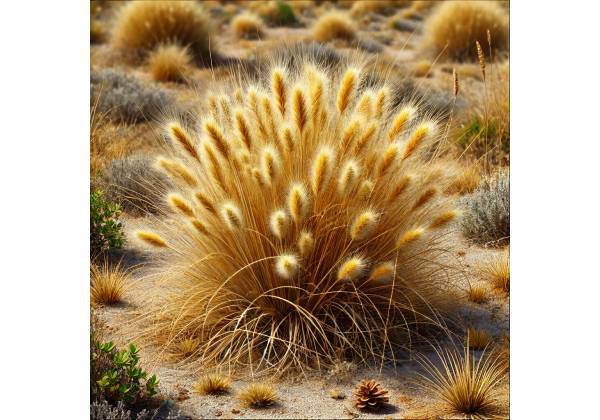
Broom straw (Andropogon virginicus) is a warm-season bunchgrass native to much of the eastern and southeastern United States, with a reputation for being tough, drought-tolerant, and perfectly content in “poor” soils. In late summer through fall, it shifts from green to coppery and straw-colored, which is where the common name comes from. Historically, dried stems were bundled into whisk brooms and utilitarian brushes—an everyday technology before modern plastics and mass manufacturing.
From a botanical standpoint, broom straw is a clump-forming grass rather than a leafy herb. That matters because the “medicinal part” is usually the aerial portion (stems and leaves) gathered when the plant is healthy and clean, then dried. Some traditions also mention roots, but root harvesting is less common today and harder to do safely without disturbing soil contaminants.
In folk practice, broom straw tends to be used in two practical ways:
- As a simple infusion (tea) taken in small amounts for short periods
- As an external wash or compress for irritated skin
Those uses are often framed as supportive rather than curative—something you might do for minor discomforts while also paying attention to hydration, rest, and basic wound care.
One important caution: broom straw is sometimes confused with other “broom” plants (like Scotch broom, which is not a grass and has different safety issues) or with look-alike native grasses. If you are harvesting wild plants, correct identification is non-negotiable. Grasses can also collect dust, pesticides, roadside pollutants, and mold—so sourcing and handling are as important as the plant itself.
Key compounds in Andropogon virginicus
Broom straw is not famous for a single “signature compound” the way some herbs are. Instead, its interest comes from broad classes of plant constituents that show up in many resilient, sun-exposed species—especially polyphenols.
In laboratory analyses of Andropogon virginicus extracts, researchers have reported notable levels of total phenolics and flavonoids, with flavonoids appearing as dominant compounds in certain fractions. In plain terms, polyphenols are a large family of plant chemicals that often behave as antioxidants in test systems. They can also interact with enzymes and signaling pathways involved in inflammation and cellular stress responses. That does not automatically translate to the same effects in humans, but it helps explain why broom straw is being studied at all.
Beyond polyphenols, some analyses have identified common plant lipids and terpenoid-type molecules in non-polar fractions. Two examples frequently discussed in extract profiling are:
- Palmitic acid (a common fatty acid found widely in plants and foods)
- Phytol (a chlorophyll-related diterpene alcohol that can appear in plant extracts)
These compounds are not unique to broom straw, but they may contribute to certain biological activities observed in vitro, depending on extraction method and concentration.
Another “compound” category worth mentioning is structural rather than medicinal: silica and stiff fibers. Many grasses deposit silica in their tissues, which can make them abrasive. That’s part of why some grasses feel sharp on skin or can irritate mucous membranes when dry plant dust is inhaled. This is less about internal supplementation and more about practical safety: handling, drying, grinding, and brewing can all affect irritation risk.
Finally, the plant’s chemistry is not fixed. Season, soil, drought stress, and harvest timing can shift what ends up in a cup of tea or a topical wash. For broom straw, this variability is one reason standardized dosing is difficult: you may be using a mild, low-extractable plant material—or you may be using something more concentrated, depending on preparation.
Does broom straw support health?
If you look for broom straw in modern herbal discussions, you’ll usually find cautious language: it may support certain wellness goals, but it is not a clinically established remedy. The most defensible way to think about broom straw is as a plant with early-stage evidence—mainly laboratory findings—plus limited traditional use for minor complaints.
Here are the main benefit categories people ask about, along with realistic expectations:
- Oxidative stress support (antioxidant activity): Extracts of Andropogon virginicus have shown antioxidant behavior in common lab tests. That suggests the plant contains compounds capable of neutralizing free radicals in vitro. In real life, antioxidant benefits depend on digestion, absorption, metabolism, and dose—factors that are not well mapped for broom straw.
- Skin appearance and hyperpigmentation support: Some lab work has explored broom straw extracts for their ability to inhibit tyrosinase, an enzyme involved in melanin production. This is often discussed in the context of “dark spots” or uneven tone. The key point: an enzyme-inhibition result in a test tube is not the same as a proven topical or oral skin treatment. Still, it hints at why traditional external washes might have persisted in some regions.
- Carbohydrate digestion and post-meal blood sugar support: A common strategy in nutrition research is to evaluate whether plant extracts influence enzymes such as α-amylase, which helps break down starch. Certain broom straw fractions have shown α-amylase inhibition in vitro. This is intriguing, but it does not mean broom straw is a diabetes treatment. At best, it suggests a possible supportive angle that would need human research.
- General “soothing” and comfort uses: Traditional applications often read like practical home care: an external wash for itching or minor irritation, or a short-term tea used sparingly. These uses are best understood as supportive measures—similar in spirit to warm compresses, hydration, and rest—rather than targeted pharmacologic therapy.
If your goal is a clear, predictable outcome (pain relief, glucose control, infection treatment), broom straw is not the strongest first choice. But if you’re exploring it for gentle, short-term support, the most responsible approach is to treat it like a low-evidence botanical: keep doses modest, prioritize safety, and watch for individual reactions.
Practical uses and preparations
Broom straw is a “useful plant” in the literal sense: many of its best-known applications are practical, not medicinal. That’s a helpful mindset when deciding how to work with it—because the safest preparations tend to be simple and low-concentration.
Common traditional-style preparations
- Infusion (tea): The dried aerial parts are steeped in hot water. People who use broom straw this way typically keep it mild, drink it for a short window, and stop if it causes stomach upset or dryness.
- External wash or compress: A stronger tea is cooled and used to rinse irritated skin or as a cloth compress. This is often the most approachable use because it avoids the uncertainties of internal dosing.
- Bath soak: Similar to an external wash, but diluted into bath water. This is sometimes chosen for widespread itchiness, provided the person is not sensitive to grasses.
Non-medicinal uses that still matter for safety
- Brooms and brush bundles: Dry stems can carry dust and pollen. If you’re making crafts indoors, consider ventilation and a mask if you’re allergy-prone.
- Natural dye traditions: Some communities historically used the plant for dyeing fibers. This is not a health application, but it shows that the plant’s constituents can bind to materials—useful context for why people might try it as a topical rinse.
How to make a simple external wash
- Rinse plant material quickly to remove loose dust (especially if wild-harvested).
- Steep a small handful of dried aerial parts in hot water for 15–20 minutes.
- Cool completely.
- Test on a small patch of skin first (inner forearm).
- If tolerated, apply as a rinse or compress once or twice daily.
If your main reason for using broom straw is skin comfort, it can be helpful to compare it to better-studied topical botanicals and techniques. For example, witch hazel topical guidance offers a clearer, more established pathway for certain skin goals—while broom straw remains more experimental.
Dosage and timing guidelines
There is no universally accepted clinical dosage for broom straw. Most guidance must be framed as conservative, tradition-informed, and short-term, because the evidence base is thin and product standardization is uncommon.
A practical approach is to think in “food-like” infusion ranges rather than high-dose supplement logic.
Tea (infusion) starting range
- Dried aerial parts: 1–2 g per cup (about 1–2 teaspoons of loosely crumbled dried material)
- Water: ~250 mL (8–9 oz) just-boiled, then steeped 10–15 minutes
- Frequency: 1 cup daily to start; if tolerated, up to 2 cups daily
- Duration: 3–7 days for a trial, then reassess
Many people do better when they drink it earlier in the day, especially if they’re using it for a “flushing” or urinary-support intention, since late-day fluids can disrupt sleep.
Topical wash or compress
- Dried aerial parts: 5–10 g per 500 mL water (a stronger infusion)
- Use: cool fully; apply 1–2 times daily
- Duration: up to 7 days, or sooner if irritation occurs
Tincture or capsule products
If you find broom straw in a tincture or capsule, treat the label as the dosing authority—but still use caution. Because broom straw is not a mainstream standardized supplement, products can vary in extraction strength, plant part used, and purity testing. If you do use a tincture, a conservative “start low” approach is typically 0.5–1 mL once daily for a few days, increasing only if well tolerated.
When to stop or scale back
- New stomach upset, nausea, headache, or unusual fatigue
- Dry mouth, dizziness, or signs of dehydration
- Increased allergy symptoms (sneezing, tight chest, wheeze, hives)
- Any symptom that feels out of proportion to a mild herbal tea
If your main goal is gentle diuretic support, it can help to understand the safety patterns of more commonly used herbs in that category. dandelion safety and use tips can provide a useful comparison point before you rely on broom straw.
Safety, side effects, and interactions
Safety is where broom straw deserves the most respect—less because it is known to be dangerous, and more because we do not have strong human data. When evidence is limited, the safest plan is to use modest doses, limit duration, and avoid use in higher-risk situations.
Possible side effects
- Allergy symptoms: As a grass, broom straw can be a problem for people with grass pollen sensitivity. Even if you’re not drinking it, handling dried stems can expose you to pollen and dust.
- Mild digestive upset: Any bitter or fibrous plant tea can cause nausea, cramping, or loose stools in some people.
- Dryness or dizziness: If it increases urination even slightly, dehydration can happen faster than expected—especially in hot weather or if you already use caffeine or diuretics.
Who should avoid broom straw
- Pregnant or breastfeeding individuals (insufficient safety data)
- Children (insufficient dosing and safety data)
- People with significant grass pollen allergy or asthma triggered by pollen exposure
- People with chronic kidney disease, recurrent kidney stones, or fluid and electrolyte disorders unless supervised clinically
- Anyone with a history of severe allergic reactions to plants or herbal teas
Potential interactions (caution zones)
Because broom straw extracts have shown enzyme effects in laboratory settings, it is reasonable to be cautious with medications affected by hydration status or carbohydrate metabolism:
- Diuretics and blood pressure medications: Combining diuretic effects can increase dehydration or lightheadedness.
- Diabetes medications: If you monitor glucose closely, be cautious with any herb explored for carbohydrate enzyme effects; unexpected changes are possible.
- Lithium: Lithium levels are sensitive to hydration and sodium balance; many “diuretic-like” herbs can complicate this.
Quality and contamination risks
Wild-harvested grasses can pick up contaminants easily: roadside heavy metals, herbicide drift, mold during drying, and dust. If you choose broom straw, prioritize clean sourcing and careful drying/storage. A grassy smell that turns musty, or visible dark spotting, is a strong reason to discard it.
If symptoms are not “minor,” don’t self-treat
Seek medical care rather than relying on broom straw if you have: fever, blood in urine or stool, severe abdominal pain, persistent diarrhea, signs of a urinary tract infection, chest tightness, or worsening asthma.
If you’re considering broom straw mainly for digestive comfort, you may prefer herbs with clearer safety and usage traditions. peppermint digestive support is one example with a more established track record for certain short-term situations.
Evidence and what to expect
The most honest way to summarize broom straw is: promising signals in early research, minimal clinical certainty, and a practical traditional footprint. That combination is common for plants that were historically “useful” rather than formally medicinal.
What the evidence does well
- Laboratory studies can identify what’s in the plant (broadly) and whether extracts affect basic mechanisms like oxidation reactions or enzyme activity.
- Early work on Andropogon virginicus suggests the plant contains polyphenols and flavonoids and that certain extracts can influence enzymes that researchers associate with skin pigmentation pathways and starch digestion.
These findings justify scientific interest. They do not automatically justify high-dose use in people.
What the evidence does not yet tell us
- Human outcomes: We do not have strong clinical trials showing that broom straw tea improves a specific condition in a predictable way.
- Dosing and standardization: Different extraction methods can produce dramatically different chemical profiles. A mild home infusion is not the same as a concentrated lab extract.
- Long-term safety: Even “gentle” herbs can create problems with chronic use, especially if they affect hydration, kidneys, or allergies.
A realistic decision framework
If you’re curious about broom straw, ask yourself three practical questions:
- Is my goal minor and short-term? Broom straw is better suited to brief, supportive use than to long-term condition management.
- Can I source it cleanly and identify it correctly? If not, skip it.
- Do I have allergy risk or medication complexity? If yes, involve a clinician before experimenting.
When to choose an alternative
If your goal is joint comfort or inflammation management with better clinical grounding, you may be better served by herbs that have been studied more directly in humans. For example, boswellia research summary is often a more evidence-aligned starting point for certain inflammation-related goals than broom straw.
Broom straw can still be meaningful—especially as part of cultural herbal knowledge and practical home care—but the safest expectation is modest: a mild botanical with early research interest, not a primary treatment.
References
- Antioxidant, Anti-tyrosinase, Anti-α-amylase, and Cytotoxic Potentials of the Invasive Weed Andropogon virginicus 2021.
- Plant Stress Scenarios Differentially Affect Expression and IgE Reactivity of Grass Group-1 Allergen (β-Expansin) in Maize and Rice Pollen 2022.
- Potential Allergenicity of Plants Used in Allergological Communication: An Untapped Tool for Prevention 2023.
- Allergenicity of pollen grains and risk of pollinosis development in the light of changing environmental conditions 2025.
Disclaimer
This article is for educational purposes only and does not replace medical advice, diagnosis, or treatment. Herbal products can cause side effects and interact with medications, and individual responses vary. If you are pregnant, breastfeeding, managing a chronic condition, taking prescription medicines, or have allergies or asthma, consult a qualified healthcare professional before using broom straw or any new herb. Seek urgent medical care for severe reactions (trouble breathing, facial swelling, chest tightness), persistent fever, blood in urine or stool, or rapidly worsening symptoms.
If you found this guide useful, consider sharing it on Facebook, X (formerly Twitter), or your favorite community platform so others can read and decide safely.