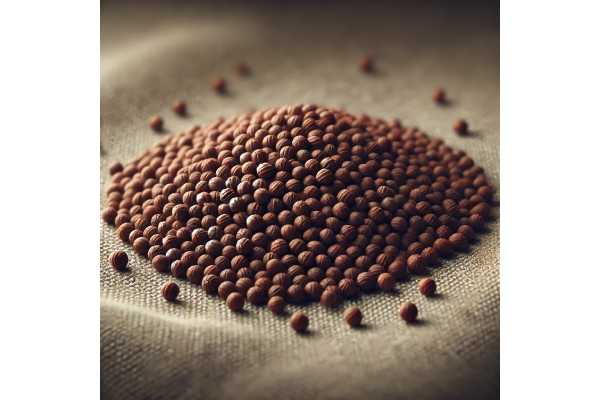
Brown mustard seed (from Brassica juncea) is a small spice with big character. Crack a few seeds in a hot pan and you release a sharp, nutty aroma; grind them and add water, and enzymatic reactions create the familiar heat of prepared mustard. Beyond flavor, the seeds deliver plant protein, fiber, and a notable spread of minerals. They also supply glucosinolates—natural compounds that, once activated by the enzyme myrosinase, form isothiocyanates such as allyl isothiocyanate (AITC). These molecules contribute to the sinus-clearing bite and have been studied for antimicrobial and other bioactivities. In the kitchen, brown mustard seed anchors Indian tempering (tadka), German and Dijon-style mustards, pickles, rubs, and dressings. It’s compact, shelf-stable, and affordable.
This guide goes deep: how brown mustard seed is grown and processed, what 100 g actually provides nutritionally, what the research says about potential benefits, where the risks and interactions lie, how to buy and store for quality, and practical ways to cook for maximum flavor while preserving nutrients. You will also find clear portion guidance and answers to common questions so you can use this spice with confidence.
Quick Overview
- Glucosinolates in brown mustard seed convert to isothiocyanates that contribute flavor and may support antimicrobial and antioxidant defenses.
- A 1 teaspoon (2–3 g) culinary portion adds flavor with modest calories while contributing minerals like magnesium and phosphorus.
- Safety caveat: mustard is a tree-nut–free but major seed allergen for some; erucic acid is a concern in expressed mustard oil, not usual culinary seed portions.
- Typical use: 1–2 teaspoons (2–6 g) in cooking per day or a tablespoon (9–12 g) a few times per week, adjusted for taste and dietary needs.
- Limit or avoid if you have a confirmed mustard allergy, active gastritis/ulcer with spice sensitivity, or if your clinician advised restrictions related to thyroid or high-erucic-acid oils.
Table of Contents
- Detailed Overview
- Nutrition Profile
- Evidence-Based Health Benefits
- Risks, Allergies and Interactions
- Selecting, Quality, Sustainability and Storage
- Preparation, Cooking and Nutrient Retention
- Portions, Comparisons and FAQs
Detailed Overview
What it is. Brown mustard seed comes from Brassica juncea, a hardy Brassica closely related to rapeseed/canola, cabbage, and broccoli. The small, brown-to-russet seeds carry a mild nuttiness when whole. When cracked, ground, or chewed and then combined with water, their glucosinolates meet the endogenous enzyme myrosinase to form pungent isothiocyanates—chiefly allyl isothiocyanate (AITC) and related compounds. That biochemical “on switch” explains why dry powdered mustard tastes tame until you hydrate it, and why the timing of liquid addition changes the final heat.
Culinary footprint.
- Temper and bloom whole seeds in oil (10–30 seconds) to pop and perfume dals, vegetables, and stir-fries.
- Grind into pastes for Dijon-style mustards and Bengali kasundi; adjust sharpness by controlling water, acidity (vinegar/wine), and rest time.
- Pickle with vinegar and spices to make seed-studded condiments that add snap to salads and charcuterie.
- Rub onto meats, tofu, or root vegetables with garlic, pepper, and herbs for depth and crust.
- Whisk into dressings and sauces, where mucilage in the seed husk helps emulsify.
How it’s grown and processed. B. juncea thrives in temperate to semi-arid climates. After drying, pods are threshed, seeds cleaned, and sometimes heat-treated or steam-sterilized for microbial safety. Brown seeds are often blended with white/yellow (Sinapis alba) or black (B. nigra) seeds in commercial mustards to tune heat and bitterness.
Why brown vs. yellow or black? Brown mustard sits between yellow and black for pungency and bitterness. It contains more sinigrin (a glucosinolate that yields AITC) than yellow mustard (richer in sinalbin, which is milder), making brown a favorite for Dijon and South Asian tempering. Black mustard is the most pungent but harder to harvest mechanically.
Nutrition context. Per 100 g, brown mustard seed is calorie-dense (as most seeds are) and concentrated in plant protein, fiber, and unsaturated fats with meaningful magnesium, phosphorus, copper, manganese, and zinc. Typical home portions are small (teaspoons), so the seed’s role is to enrich rather than dominate your nutrient intake. That said, frequent culinary use adds up—useful for plant-forward eaters seeking mineral density.
Flavor chemistry in practice. Myrosinase is heat-sensitive and water-activated. Hydrating and resting a fresh mustard paste for 5–10 minutes unlocks sharpness; adding acid (vinegar/wine) stabilizes flavor but gradually tames heat. Brief oil tempering develops nutty notes and mild bitterness while minimizing nose-tingling vapors.
Sustainability notes. Mustard is typically rain-fed with a modest agronomic footprint and often grown in rotation, which can suppress weeds and break pest cycles. Choose suppliers that prioritize clean drying/storage to reduce mold risk and maintain volatile compounds.
Nutrition Profile
How to read this section: Values below are per 100 g ground brown mustard seed (dry), with % Daily Value (%DV) for a 2,000-kcal diet. Actual values vary by cultivar and processing. Culinary portions are much smaller; see Portions for practical amounts.
Macros & Electrolytes (per 100 g)
| Nutrient | Amount | %DV |
|---|---|---|
| Energy | ~508 kcal | — |
| Protein | ~26.0 g | 52% |
| Total fat | ~36.0 g | 46% |
| Saturated fat | ~2.0 g | 10% |
| Monounsaturated fat | ~22–24 g | — |
| Polyunsaturated fat | ~10–12 g | — |
| Carbohydrate | ~28.0 g | 10% |
| Dietary fiber | ~12.0 g | 43% |
| Total sugars | ~6–7 g | — |
| Sodium | ~10–20 mg | 0% |
| Potassium | ~730–750 mg | 16% |
| Water | ~5–7 g | — |
Fats & Fatty Acids (per 100 g)
| Fatty Acid | Amount |
|---|---|
| Oleic acid (18:1 n-9) | ~20–23 g |
| Erucic acid (22:1 n-9) | variable, typically present in B. juncea oils |
| Linoleic acid (18:2 n-6) | ~8–10 g |
| Alpha-linolenic acid (ALA, 18:3 n-3) | ~1–2 g |
| Palmitic + stearic acids | ~1–2 g |
Note: Expressed mustard oil from B. juncea can contain erucic acid; culinary seed use in teaspoon quantities contributes far less oil than direct oil use.
Protein & Amino Acids (per 100 g)
- Protein: ~26 g with a balanced essential amino acid pattern for seeds.
- Complements legumes and grains to improve overall amino acid balance in plant-based meals.
Minerals (per 100 g)
| Mineral | Amount | %DV |
|---|---|---|
| Magnesium (Mg) | ~350–380 mg | 83–90% |
| Phosphorus (P) | ~800–830 mg | 64–66% |
| Potassium (K) | ~730–750 mg | 16% |
| Calcium (Ca) | ~260–270 mg | 20–21% |
| Iron (Fe) | ~9.0–9.5 mg | 50–53% |
| Zinc (Zn) | ~6.0–6.2 mg | 55% |
| Copper (Cu) | ~0.6–0.7 mg | 67–78% |
| Manganese (Mn) | ~2.3–2.6 mg | 100–113% |
| Selenium (Se) | ~200 µg | 360% |
| Sodium (Na) | ~10–20 mg | 0% |
Vitamins (per 100 g)
| Vitamin | Amount | %DV |
|---|---|---|
| Thiamin (B1) | ~0.8 mg | 67% |
| Niacin (B3) | ~4.7 mg | 30% |
| Vitamin B6 | ~0.40 mg | 24% |
| Folate (DFE) | ~160 µg | 40% |
| Vitamin E (alpha-tocopherol) | ~5.0 mg | 33% |
| Vitamin K | ~5–7 µg | 4–6% |
| Vitamin C | ~1 mg | 1% |
| Vitamin A, D, B12 | ~0 | — |
Bioactives/Phytonutrients
- Glucosinolates (notably sinigrin) that convert to AITC and related isothiocyanates with water and myrosinase.
- Phenolics (e.g., sinapic acid derivatives) and phytosterols in smaller amounts.
Allergens & Intolerance Markers
- Mustard is a recognized major seed allergen in many regions. Reactions can be severe.
- Sinapine (a choline ester) is present; in specific contexts it can contribute to off-flavors, but it is mainly a food-tech note rather than a health concern for most people.
Anti-nutrients
- Phytate can bind minerals; soaking/fermenting reduces it.
- Goitrogenic thiocyanates can form metabolically; see Risks for thyroid notes.
Contaminants/Residues
- Aflatoxins: low risk compared with tree nuts; proper drying and storage remain important.
- Erucic acid: a concern in expressed mustard oil; seed use contributes far less, but see safety guidance.
Glycemic & Acid–Base Metrics
- Glycemic Index: very low (carb content is modest, dominated by fiber).
- PRAL (acid load): slightly acid-forming, typical for seeds.
Footnote: Values reflect unfortified, dry ground seed. If using prepared mustards or blends, ingredients (vinegar, sugar, salt) alter the nutrition profile and lower per-100-g seed density.
Evidence-Based Health Benefits
1) Flavor delivery with minimal energy per teaspoon
Most recipes use 2–6 g at a time. That small amount carries bold taste yet only tens of calories, helping replace sugar-heavy sauces or high-sodium seasonings. The seed’s natural emulsifying mucilage also stabilizes dressings, which can cut the need for extra oil when shaken with vinegar or citrus.
2) Antimicrobial activity of isothiocyanates (kitchen relevance)
When mustard seed meets water, myrosinase hydrolyzes glucosinolates into isothiocyanates such as AITC. In model systems and food applications, AITC shows antimicrobial effects against a range of spoilage and pathogenic microbes. While your spice jar is not a disinfectant, the mechanism explains why mustard pastes, pickles, and marinades can be more microbially stable—and why mustard has long played a role in food preservation and charcuterie sauces.
3) Support for redox balance and defense pathways
Isothiocyanates are studied for their ability to activate Nrf2 pathways, which upregulate endogenous antioxidant and detoxification enzymes. In human dietary patterns, this translates to a plausible contribution to overall antioxidant capacity—especially as part of a Brassica-rich diet (e.g., greens, broccoli, radish, and mustard).
4) Mineral density in small volume
Even modest use across a week adds magnesium, phosphorus, manganese, and zinc to plant-forward menus. These minerals support energy metabolism, bone and connective tissue, and immune function. The protein fraction (≈26% by weight) contributes amino acids that complement legumes and grains.
5) Culinary strategies that enhance healthy eating
- Swap-ins: A mustard-forward vinaigrette (1–2 tsp seed or prepared mustard) can replace creamy dressings while delivering strong flavor and better fatty acid profiles when made with olive or canola oil.
- Pickles and quick relishes: A spoonful of mustard seed in vinegar-based pickles adds snap and may modestly extend shelf life.
- Satiety support: Bold mustard flavor boosts meal satisfaction, which can make smaller portions feel complete.
What the weight of evidence suggests
- For glucosinolate/isothiocyanate exposure, total Brassica intake matters more than any single spice. Brown mustard seed is a concentrated “spice-scale” contributor.
- Benefits appear context-dependent: best realized when mustard-flavored dishes displace more refined, sugar-heavy sauces or excess sodium, and when the overall diet includes a variety of vegetables and whole foods.
- The form matters: freshly mixed pastes provide the most AITC “punch”; prolonged high heat reduces volatile isothiocyanates but enhances nutty, roasted notes.
Risks, Allergies and Interactions
Mustard allergy (seed)
Mustard is a major allergen in many regions. Reactions can range from oral itching to anaphylaxis. Those with sesame, peanut, or tree-nut allergies are not automatically cross-reactive, but co-allergy can occur. If you are allergic to mustard, avoid seeds, powders, prepared mustards, and foods made on shared lines.
Gastrointestinal irritation
Mustard’s pungent isothiocyanates can irritate mucosa in sensitive individuals (reflux, gastritis, active ulcers). Start with small amounts, pair with food (not on an empty stomach), and avoid very hot pastes if you notice discomfort.
Thyroid considerations
Metabolism of glucosinolates can increase thiocyanate, which competes with iodide transport. For most people with adequate iodine intake, culinary mustard use is not clinically significant. Individuals with thyroid disorders should discuss overall Brassica and goitrogen exposure—including supplements—and maintain sufficient iodine through food or a clinician-guided supplement if needed.
Erucic acid—important distinction
Erucic acid is a fatty acid naturally present at higher levels in certain mustard oils. Many countries restrict expressed mustard oil as a cooking oil because high erucic acid intakes have raised safety concerns in animal studies. This does not mean culinary use of mustard seeds in teaspoon amounts is unsafe; seeds contribute far less oil. Still, if you use mustard oil (not common in Western markets), choose products that comply with local regulations and limits, and use sparingly.
Drug and nutrient interactions
- Gastro-irritants: Mustard’s heat may worsen tolerance to NSAIDs or other GI-irritating drugs; observe your personal response.
- Anticoagulants/antiplatelets: The seed’s vitamin K is modest; culinary use usually does not require adjustment, but prepared mustards can be high in sodium—monitor overall sodium if you have hypertension or heart failure.
- Iodine status: If your clinician is correcting low iodine, they may suggest moderating high-glucosinolate foods and spices during repletion.
Special populations
- Pregnancy/lactation: Culinary use is generally considered safe. Avoid mustard plasters on skin (irritant) and high-erucic mustard oils unless explicitly approved.
- Children: Seeds can be a choking hazard; use ground mustard in age-appropriate foods and keep heat moderate.
- Topical use: Homemade mustard poultices can burn skin; do not use.
When to seek help
- Immediate medical care for signs of severe allergic reaction: hives, swelling, wheezing, throat tightness, hypotension.
- Ongoing GI pain, vomiting, or signs of bleeding when consuming spicy foods.
Selecting, Quality, Sustainability and Storage
Selecting brown mustard seed
- Color & size: Choose even, brown-to-mahogany seeds with minimal broken pieces.
- Aroma test: Fresh seed smells faintly nutty; harsh or musty notes suggest age or poor storage.
- Labeling: Look for crop year or best-by date, country of origin (often India, Canada, Nepal), and whether seeds are whole, cracked, or ground. Whole seeds retain volatile compounds longer.
- Processing: Irradiated or steam-treated seed can improve microbial safety without meaningfully altering household flavor use.
Quality and safety cues
- Packaging: Light- and air-barrier bags or dark jars help preserve volatiles.
- Supplier transparency: Reputable spice companies describe sourcing and test for quality (moisture, microbial load).
- Off-odors/visible clumping: Discard; moisture ingress can encourage spoilage.
Sustainability
- B. juncea often fits well in rotation systems and may reduce herbicide needs by competing with weeds. Seek brands that support fair labor and responsible drying/storage (reduces postharvest losses). Bulk purchases reduce packaging, but only buy what you can store well.
Storage playbook
- Whole seeds: Airtight, cool, and dark for 12–18 months of best quality.
- Ground/powder: Use within 6 months; oxidation and aroma loss are faster once ground.
- Mustard pastes: Refrigerate; volatile AITC fades over days—make in small batches.
- Freeze option: For long storage, keep well-sealed jars in the freezer to lock in aroma.
Troubleshooting
- Weak heat in homemade mustard? Hydrate freshly ground seeds with cool water first (5–10 minutes), then add acid and salt to lock in sharpness.
- Too bitter? Use part yellow mustard seed (milder), add a little honey, or rest longer before serving.
- Grittiness in dressings? Whisk ground seed longer, or use prepared smooth mustard to emulsify.
Preparation, Cooking and Nutrient Retention
Understand the chemistry
- Myrosinase + water unlocks heat. Keep mixtures moist and cool during the first minutes to maximize AITC formation.
- Heat inactivates myrosinase. High heat before hydration dials down sharpness and builds toasty, nutty flavors.
- Acid stabilizes, then mellows. Vinegar/wine slows AITC loss but will mellow bite over hours to days.
Core techniques
- Temper the seeds. Warm 1–2 teaspoons oil in a pan over medium heat. Add ½–1 teaspoon whole brown mustard seeds; cover with a splatter shield. When popping slows (10–30 seconds), add aromatics and vegetables. This blooming opens flavor without overwhelming heat.
- Fresh mustard paste. Grind 2 tablespoons seeds; add 2–3 tablespoons cool water and rest 10 minutes. Stir in 2 tablespoons vinegar or dry white wine, ½ teaspoon salt, and optional sweetener. Adjust to taste.
- Pickling brine. For 1 cup quick brine: ¾ cup vinegar, ¼ cup water, 1 tablespoon sugar, 1½ teaspoons salt, 1 teaspoon brown mustard seeds. Bring to a simmer, pour over sliced vegetables; chill.
- Spice rubs. Combine 1 tablespoon ground mustard, 1 tablespoon paprika, 1 teaspoon garlic powder, ½ teaspoon black pepper, and ½–1 teaspoon salt per pound of protein or tray of vegetables.
Retaining nutrients and bioactives
- Go easy on heat if you want the “mustard heat”: hydrate before cooking or stir in prepared mustard off heat.
- For mineral retention, cooking method is less critical than for leafy Brassicas; minerals are largely retained, though long boiling of whole seeds can leach some into cooking water.
- Fermentation and soaking can reduce phytate, improving mineral bioavailability in dishes like mustard-seed chutneys or relishes.
Recipe ideas with portion-savvy notes
- Kasundi-style relish: Intensely flavored Bengali mustard; a tablespoon serving spreads powerful heat across a meal.
- Honey-mustard vinaigrette: 1 teaspoon ground mustard emulsifies ½ cup dressing—enough for 4–6 salads.
- Roasted carrots with mustard seed ghee: Temper 1 teaspoon seeds; toss with carrots and roast. Layered flavor without over-spicing.
What to avoid
- Over-toasting: burnt seeds taste bitter and can irritate the throat.
- Storing wet pastes at room temp: refrigerate to slow volatile loss and microbial growth.
- Using mustard oil as a primary cooking oil if it does not meet your jurisdiction’s food rules on erucic acid.
Portions, Comparisons and FAQs
How much should I use?
- Everyday cooking: ½–1 teaspoon (2–3 g) whole or ground seeds per dish often suffices.
- Condiments: A 1 tablespoon (9–12 g) serving of seed-forward mustard relish is typical.
- Weekly rhythm: Using small amounts daily is reasonable for healthy adults; adjust if you have GI sensitivity.
How does brown compare to yellow and black mustard seeds?
- Pungency: yellow (mild, sinalbin) < brown (medium-hot, sinigrin) < black (very hot).
- Texture: all are small and crunchy; brown and black pop more when tempered.
- Color & cuisine: yellow is common in American ballpark mustard; brown anchors Dijon and Indian cooking; black is traditional in some South Asian regions but less common commercially.
Mustard seed vs. prepared mustard
- Prepared mustard dilutes seed with water, acid, and sometimes sweetener/salt; heat is capped and stable.
- Straight seed/powder gives you control: you can maximize heat by fresh hydration or soften by toasting before adding liquid.
Is brown mustard seed “good for you”?
Used as a spice, it’s a smart way to add flavor with few calories per teaspoon, while contributing minerals and beneficial plant compounds. It’s not a cure-all; benefits depend on the whole diet and cooking methods.
Will it upset my stomach?
Possibly—if you’re sensitive to pungent spices. Start small, use with food, and avoid very hot pastes if you have reflux or gastritis.
Can I use it daily if I have thyroid issues?
Ask your clinician. Many people with well-managed thyroid health and adequate iodine tolerate culinary amounts. Supplements or concentrated extracts are a different conversation than culinary spice use.
Is mustard oil safe?
Policies vary by country because of erucic acid. If local rules restrict its use as a cooking oil, follow them. The guidance here focuses on seeds used as a spice.
Budget and storage tips
Buy whole seeds in modest bulk, split into small airtight jars, and keep one jar in the pantry with the rest in the freezer. Grind only what you’ll use in two weeks.
References
- Nutrition Facts for Ground Mustard Seed (2024)
- Glucosinolates and Omega-3 Fatty Acids from Mustard Seeds: Phytochemistry and Pharmacology (2022) (Systematic Review)
- Glucosinolates From Cruciferous Vegetables and Their Potential Role in Chronic Disease: Investigating the Preclinical and Clinical Evidence (2021) (Systematic Review)
- Biologically Active Compounds in Mustard Seeds (2021) (Review: Composition and Safety)
- Erucic acid in feed and food (2016) (Guideline/Scientific Opinion)
Medical Disclaimer
This guide shares general information about nutrition, culinary use, and safety of brown mustard seed. It is not a substitute for personalized medical advice, diagnosis, or treatment. If you have an allergy, a digestive disorder, thyroid disease, are pregnant or breastfeeding, or take prescription medications, consult your healthcare professional before making significant dietary changes or using mustard-forward condiments regularly.
If this article helped you, we’d be grateful if you shared it on Facebook, X (formerly Twitter), or any platform you prefer—your support helps us keep creating careful, evidence-based resources.