Brussels sprouts are one of the most nutrient-dense vegetables you can put on your plate. These small, cabbage-like buds belong to the cruciferous family, known for their high levels of fiber, vitamin C, vitamin K, and unique sulfur-containing compounds that support long-term health. Regularly including Brussels sprouts can contribute to heart health, blood sugar balance, and robust cellular defenses, while providing a satisfying, savory vegetable option in colder seasons.
From a culinary perspective, Brussels sprouts are more versatile than their reputation suggests. Modern cooking methods like roasting, stir-frying, shredding into slaws, or grilling tame bitterness and bring out a natural sweetness. They pair well with citrus, nuts, herbs, and umami-rich ingredients like mushrooms or aged cheese. This article explains what is in Brussels sprouts, how they may support health, who should be careful with larger portions, and how to select, store, and cook them to get the most flavor and nutrition from every serving.
Nutrition Snapshot
- Brussels sprouts are low in energy (about 43 kcal per 100 g) and high in vitamin C, vitamin K, fiber, and several B vitamins.
- Cruciferous compounds in Brussels sprouts, including glucosinolates that can form sulforaphane, support antioxidant defenses and may help protect the heart and digestive tract.
- A practical serving is about 1 cup (80–100 g) cooked or 1 cup shredded raw, enjoyed several times per week within a varied vegetable pattern.
- People taking vitamin K–sensitive blood thinners should keep Brussels sprout intake steady and coordinate with their healthcare provider.
- Those with significant digestive sensitivity, kidney stone risk, or thyroid disorders should discuss suitable portion sizes and preparation methods with a clinician or dietitian.
Table of Contents
- Brussels sprouts overview and uses
- Brussels sprouts nutrition breakdown
- Health benefits of Brussels sprouts
- Side effects, allergies and interactions
- Choosing Brussels sprouts, storage and sustainability
- Cooking Brussels sprouts to preserve nutrients
- Portions, comparisons and Brussels sprouts FAQs
Brussels sprouts overview and uses
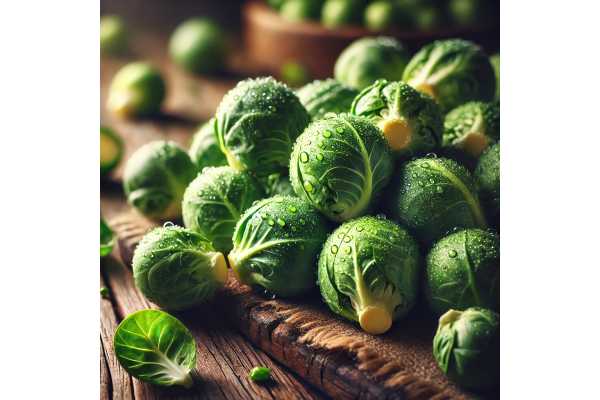
Brussels sprouts (Brassica oleracea, Gemmifera group) are compact buds that grow along a tall stalk, resembling miniature cabbages. Each sprout is typically 1.5–4 cm in diameter. They originate from northern Europe and are named after Brussels, where they were cultivated centuries ago. Today, they are widely grown in temperate climates and are especially common in late autumn and winter markets.
Like other cruciferous vegetables, Brussels sprouts have a characteristically earthy, slightly bitter flavor that comes from sulfur-containing compounds. When handled well, they develop sweetness, nutty notes, and a pleasantly crisp-tender texture. Modern cooking approaches have transformed their image from over-boiled and sulfurous to caramelized, aromatic, and restaurant-worthy.
Common culinary uses include:
- Roasting halved sprouts with olive oil, salt, and pepper until browned at the edges.
- Stir-frying sliced sprouts with garlic, ginger, and a splash of soy or tamari.
- Shredding them raw for salads and grain bowls, often with citrus, apple, or dried fruit.
- Braising with stock, wine, or vinegar for a softer, deeply flavored side dish.
- Combining with nuts, seeds, or legumes to boost protein, healthy fats, and texture.
Brussels sprouts also pair well with strong flavor accents like mustard, lemon, balsamic vinegar, smoked paprika, or aged cheese. These accompaniments balance their natural bitterness and make them more appealing for those who are unsure about cruciferous vegetables.
Beyond taste, Brussels sprouts are valued because they provide an unusually high concentration of vitamins C and K, along with fiber and important phytochemicals, in a small volume. This makes them useful for people trying to increase nutrient density without adding many calories or carbohydrates. Whether you prefer them as a simple roasted side or as part of more complex dishes, they can easily become a regular feature in a weekly meal rotation.
Brussels sprouts nutrition breakdown
Nutrient values can vary slightly by variety, soil, and freshness. The figures below describe a typical 100 g serving of raw Brussels sprouts, based on aggregated composition data.
Macros and electrolytes (per 100 g raw)
| Nutrient | Amount per 100 g | Approx. %DV* |
|---|---|---|
| Energy | 43 kcal | 2% |
| Total carbohydrate | 9 g | 3% |
| Dietary fiber | 3.8–4 g | 13–14% |
| Total sugars | ~2.2 g | – |
| Protein | 3–3.5 g | 6–8% |
| Total fat | 0.3 g | <1% |
| Saturated fat | 0.06–0.1 g | <1% |
| Sodium | ~25 mg | 1% |
| Potassium | ~380–390 mg | 8% |
| Water | ~86 g | – |
*%DV estimates for a 2,000 kcal diet.
Brussels sprouts are predominantly water and carbohydrate, with meaningful fiber and a modest amount of protein. Very little fat is present, so preparation choices (such as cooking fat and toppings) will greatly influence total dish energy.
Vitamins (per 100 g raw)
| Vitamin | Amount per 100 g | Approx. %DV |
|---|---|---|
| Vitamin C | ~85 mg | ~90–95% |
| Vitamin K (phylloquinone) | ~155–180 µg | ~130–150% |
| Folate (vitamin B9) | ~55–61 µg | ~14–15% |
| Vitamin A (as µg RAE) | ~38 µg | 4% |
| Vitamin B6 | ~0.2 mg | 15–17% |
| Thiamin (vitamin B1) | ~0.1 mg | 10–12% |
| Riboflavin (vitamin B2) | ~0.09–0.1 mg | 6–7% |
| Niacin (vitamin B3) | ~0.7 mg | 4% |
| Vitamin E | ~0.8–1.0 mg | 5–7% |
The most striking features are the very high levels of vitamin C and vitamin K per 100 g. This means that even a single serving can cover or exceed daily needs for these nutrients, supporting immune function, connective tissue health, blood clotting, and bone metabolism.
Minerals (per 100 g raw)
| Mineral | Amount per 100 g | Approx. %DV |
|---|---|---|
| Calcium | ~40–42 mg | 3–4% |
| Iron | ~1.2–1.4 mg | 7–8% |
| Magnesium | ~20–23 mg | 5–6% |
| Phosphorus | ~60–69 mg | 5–6% |
| Zinc | ~0.4 mg | 3–4% |
| Manganese | ~0.3 mg | 13–15% |
| Selenium | ~1–2 µg | 2–3% |
While Brussels sprouts are not an exceptionally concentrated source of any single mineral, they provide a broad mix that complements other foods in a balanced diet. The combination of magnesium, potassium, and manganese is particularly useful for metabolic and vascular health.
Bioactive compounds and other properties
Brussels sprouts are rich in:
- Glucosinolates, including sinigrin and glucobrassicin, which can be converted into isothiocyanates and indoles during chopping, chewing, and digestion.
- Sulforaphane precursors, which support phase II detoxification enzymes and endogenous antioxidant systems.
- Carotenoids such as lutein and beta-carotene, relevant for eye and skin health.
- Polyphenols and flavonoids that contribute to antioxidant and anti-inflammatory capacity.
From a metabolic perspective, Brussels sprouts have a low glycemic index and low glycemic load. Per 100 g, they contain around 9 g carbohydrate and about 4 g fiber, translating to a glycemic load near 1, which makes them suitable for most blood-sugar-conscious eating patterns.
Oxalate content appears to be low to moderate per standard portions, especially compared with high-oxalate vegetables. Cooking methods such as boiling or steaming, followed by draining, can reduce soluble oxalates further.
Health benefits of Brussels sprouts
Brussels sprouts contribute to health in several interconnected ways. Their benefits do not come from a single compound but from the combined effects of fiber, vitamins, minerals, and bioactive phytochemicals.
Cardiovascular support
Several aspects of Brussels sprouts are supportive of heart and vascular health:
- Soluble and insoluble fiber help regulate cholesterol absorption and promote regular bowel movements, which indirectly supports lipid metabolism.
- Potassium helps counterbalance sodium and contributes to healthy blood pressure regulation.
- Vitamin K is involved in the normal functioning of proteins that influence vascular calcification, though overall dietary pattern matters more than one food alone.
- Glucosinolates and their breakdown products may enhance endothelial function and reduce oxidative stress within blood vessels.
In dietary patterns where cruciferous vegetables are eaten frequently, people often show lower blood pressure and reduced risk of cardiovascular events compared with those consuming very little, although these observations are always intertwined with broader lifestyle factors.
Cellular protection and cancer-related research
Brussels sprouts are frequently studied in the context of cancer prevention because they are dense in glucosinolates. When Brussels sprouts are chopped, chewed, or lightly cooked, plant enzymes and gut bacteria convert these glucosinolates into compounds such as isothiocyanates and indole-3-carbinol.
These substances can:
- Stimulate internal antioxidant defense systems.
- Influence enzymes that handle potentially harmful environmental chemicals.
- Support normal cell cycle control and programmed death of damaged cells.
- Modulate hormone-related pathways in tissues like breast and prostate.
Population studies consistently find that higher intakes of cruciferous vegetables are associated with lower risks of certain digestive and hormone-related cancers. This does not turn Brussels sprouts into a standalone “cure,” but underscores their value within a diverse, plant-forward eating pattern that also emphasizes whole grains, fruits, legumes, and other vegetables.
Metabolic and blood sugar management
Because Brussels sprouts are low in carbohydrates, high in fiber, and have a very low glycemic load, they fit well into dietary approaches focused on maintaining stable blood sugar. Replacing refined starches or sugary sides with Brussels sprouts can help reduce post-meal glucose excursions and improve overall energy balance.
Experimental research using cruciferous vegetables and sulforaphane-rich preparations suggests potential benefits for insulin sensitivity, inflammation balance, and oxidative stress in individuals with metabolic syndrome or type 2 diabetes. While many of these studies use more concentrated extracts than typical food portions, they support the idea that regular, modest servings of Brussels sprouts can be part of a metabolic health strategy.
Gut, bone, and immune function
- Gut health: The fiber in Brussels sprouts acts as a substrate for beneficial gut microbes, which in turn produce short-chain fatty acids that help maintain intestinal integrity and regulate immune responses.
- Bone health: High vitamin K content, together with modest amounts of calcium and magnesium, helps support bone remodeling and strength over time. This is especially relevant when Brussels sprouts are eaten alongside other calcium-rich foods.
- Immune health: Vitamin C contributes to white blood cell function, collagen synthesis, and the maintenance of healthy skin and mucous membranes. Brussels sprouts can be an important vitamin C source in winter months, when some fruits are less abundant.
Taken together, these effects position Brussels sprouts as a valuable, flexible ingredient for people looking to strengthen long-term health through food.
Side effects, allergies and interactions
While Brussels sprouts are safe and beneficial for most people, some individuals need to adjust portion sizes or discuss their intake with a healthcare professional.
Digestive tolerance and FODMAP sensitivity
Brussels sprouts contain fermentable carbohydrates that gut bacteria can break down to produce gas. In people with irritable bowel syndrome or similar conditions, this can lead to:
- Bloating and abdominal distension
- Cramping or discomfort
- Changes in bowel habits (looser stools or, less commonly, constipation)
Portion size and preparation strongly influence tolerance. Smaller servings of well-cooked Brussels sprouts are generally easier to digest than large plates of raw or very firm sprouts. For those following a structured low-FODMAP protocol under professional guidance, moderate servings are often allowed, but high portions may still provoke symptoms.
Thyroid function and cruciferous vegetables
Cruciferous vegetables, including Brussels sprouts, contain substances that can interfere with iodine uptake in the thyroid when consumed in very large amounts, especially if iodine status is already low. However, in practical, food-level portions, and with adequate iodine intake, Brussels sprouts are unlikely to cause thyroid dysfunction.
Key considerations:
- Cooking (steaming, boiling, or sautéing) reduces the activity of plant enzymes that promote goitrogenic effects.
- Extremely high, long-term intake of raw sprouts or juices is more concerning than typical culinary use.
- Individuals with existing thyroid disease should follow individualized advice rather than eliminating cruciferous vegetables automatically.
Kidney stones and oxalate considerations
Compared with classic high-oxalate foods, Brussels sprouts contain relatively modest amounts of oxalate per typical serving. For most people, they can be eaten freely as part of a balanced diet.
Those with a history of calcium oxalate kidney stones who have been advised to limit overall dietary oxalate may still include Brussels sprouts, with attention to:
- Moderate portion sizes.
- Preferably cooked preparations, as some soluble oxalate is lost to cooking water.
- Adequate hydration and appropriate calcium intake, as recommended by their healthcare team.
Vitamin K and anticoagulant medications
Brussels sprouts are very rich in vitamin K, which can influence the action of certain anticoagulant medications that depend on stable vitamin K intake.
General guidance for people on vitamin K–sensitive blood thinners includes:
- Avoid sudden large increases or decreases in Brussels sprout intake.
- Aim for a consistent pattern of vitamin K–rich foods from week to week.
- Coordinate diet changes with the prescribing clinician so that medication dosing can be adjusted if necessary.
Allergy and unusual reactions
True allergy to Brussels sprouts is rare but possible, particularly in individuals who react to other members of the cabbage family. Symptoms may include itching or tingling in the mouth, hives, digestive upset, or, in severe cases, breathing difficulty. Anyone suspecting an allergic response should seek prompt medical evaluation.
In summary, Brussels sprouts are well tolerated by most people when eaten in standard portions. Those with specific medical conditions or medications may need tailored advice, but complete avoidance is rarely required.
Choosing Brussels sprouts, storage and sustainability
Good selection and storage practices help you enjoy Brussels sprouts at their best while reducing waste and environmental impact.
How to select high-quality Brussels sprouts
When shopping, look for sprouts that are:
- Bright green: Leaves should be fresh-looking, without extensive yellowing or browning. A slight variation in green is normal, but widespread discoloration suggests age.
- Compact and firm: The buds should feel dense and heavy for their size. Loose or gaping leaves indicate older sprouts, which may be more bitter.
- Moderate in size: Smaller to medium sprouts (about 2–3 cm across) often have a sweeter, milder flavor and cook more evenly than very large ones.
- Free of major blemishes: Avoid sprouts with large black spots, obvious mold, or slimy areas at the base. Minor superficial blemishes can usually be trimmed.
You may find Brussels sprouts sold on the stalk, in loose bins, or in pre-packaged bags. Sprouts on the stalk tend to stay fresher longer, while loose or bagged sprouts offer convenience and portion control.
Sustainability and environmental aspects
Relative to many animal-based foods, Brussels sprouts have a comparatively low environmental footprint. They can be grown in cool seasons, sometimes with fewer inputs than warm-weather crops, and they store well if handled correctly.
To make your Brussels sprout consumption more sustainable:
- Choose local or regional produce when available, particularly in its natural season.
- Use as much of the plant as possible, including trimming and slicing the cores and any small attached leaves, instead of discarding them.
- Consider frozen Brussels sprouts, which are typically blanched and frozen shortly after harvest, helping reduce waste and preserve nutrients.
Minimizing food waste at home is also a core sustainability strategy. Planning meals to use sprouts within their shelf life and creatively using leftovers—for example, in frittatas, grain bowls, or soups—extends their value.
Storage and handling tips
For best quality and safety:
- Refrigeration: Store Brussels sprouts unwashed in the refrigerator, ideally in the crisper drawer. Keep them in a breathable bag or loosely wrapped to maintain humidity without trapping excess moisture.
- Shelf life: Fresh, whole Brussels sprouts typically last about 4–5 days, sometimes up to a week if very fresh at purchase. Pre-trimmed or halved sprouts have a shorter life and should be used within 2–3 days.
- Freezing: For long-term storage, blanch whole or halved sprouts in boiling water for a short time, cool them quickly in ice water, drain thoroughly, and freeze in airtight containers. Properly frozen sprouts can maintain good quality for several months.
Discard Brussels sprouts that are slimy, have a strong off-odor, or show widespread mold. Mild wilting or slight yellowing can often be trimmed away, and the remaining parts can still be used in cooked dishes where appearance is less important.
Cooking Brussels sprouts to preserve nutrients
Cooking method has a major influence on both the sensory qualities and nutritional profile of Brussels sprouts. The aim is to make them appealing enough to eat often, while minimizing unnecessary nutrient loss.
Cooking methods and nutrient retention
- Roasting
- Roasting at a moderate to high temperature with a light coating of oil enhances flavor through browning and caramelization.
- Some heat-sensitive vitamins decrease, but overall palatability often increases, which encourages regular consumption.
- To avoid burning, roast in a single layer and stir once or twice.
- Steaming
- Light steaming preserves vitamin C and B vitamins better than prolonged boiling.
- Sprouts should become bright green and just tender when pierced with a fork, usually after about 5–8 minutes depending on size.
- Steamed sprouts can be finished with olive oil, lemon juice, or spices.
- Sautéing or stir-frying
- Thinly slicing or halving sprouts and cooking them quickly in a pan allows for good texture and flavor while limiting exposure to water.
- This method works well with aromatics like garlic, onion, ginger, or herbs.
- Microwaving with minimal water
- Cooking sprouts in a covered dish with a small amount of water can preserve vitamins effectively if cooking times are kept short.
- Check frequently to avoid overcooking.
- Boiling
- Boiling sprouts for extended periods tends to leach water-soluble vitamins and can produce a strong sulfurous odor.
- If boiling is used, keeping the cooking time short and using the cooking liquid in soups or sauces can help retain more nutrients.
Enhancing beneficial compounds
To support the formation and bioavailability of desirable cruciferous compounds:
- Slice or shred Brussels sprouts and allow them to rest briefly before cooking, giving plant enzymes time to act on glucosinolates.
- Favor shorter cooking times and gentler methods such as steaming or quick sautéing rather than intense boiling.
- Pair cooked sprouts with small amounts of raw cruciferous vegetables, mustard, or radish, which can contribute additional enzyme activity.
Practical flavor strategies
Many people who dislike Brussels sprouts were first exposed to them overcooked. To change that experience:
- Combine roasting with a finishing drizzle of acid (like lemon juice or vinegar) to brighten and balance bitterness.
- Add textural contrasts, such as toasted nuts or seeds, crispy chickpeas, or crunchy breadcrumbs.
- Use umami-rich additions—mushrooms, aged cheese in small amounts, or miso-based dressings—to deepen flavor.
Ultimately, the “best” cooking method is the one that leads you to eat Brussels sprouts regularly and enjoyably. Nutritional differences between reasonable methods are much less important than consistent intake as part of an overall balanced diet.
Portions, comparisons and Brussels sprouts FAQs
Understanding realistic serving sizes and how Brussels sprouts compare with other vegetables helps you use them strategically in your diet.
Typical servings and how often to eat them
Common household measures include:
- 1 cup raw Brussels sprouts, halved or shredded (about 80–90 g)
- ½–1 cup cooked Brussels sprouts (about 80–100 g, depending on method and packing)
In many dietary frameworks, these amounts count as about one vegetable serving. For most adults:
- Including Brussels sprouts several times per week—for example, 1 cup cooked on two to four days—is a practical and beneficial target.
- People aiming for higher cruciferous intakes might aim for 100–200 g of mixed cruciferous vegetables per day, rotating Brussels sprouts with broccoli, cabbage, kale, and others.
Those with sensitive digestion or on structured therapeutic diets may need to individualize portions. Gradual increases in serving size, combined with careful observation of symptoms, can help identify a comfortable level.
How Brussels sprouts compare with related vegetables
- Versus broccoli:
Both are rich in vitamin C and vitamin K and contain glucosinolates. Brussels sprouts often provide more vitamin K per 100 g, while broccoli may be slightly higher in some carotenoids. From a health perspective, they are broadly interchangeable, so choosing based on taste and cooking method is reasonable. - Versus cabbage:
Cabbage is generally milder in flavor and can be eaten in larger quantities in slaws or stews. Brussels sprouts pack similar nutrients into a smaller volume but may be more filling and intense in taste. - Versus leafy greens like kale or spinach:
Kale and spinach are extremely dense sources of vitamin K and certain carotenoids. Brussels sprouts offer comparable vitamin C and K in smaller servings, with lower oxalate than spinach, which can be relevant for people with kidney stone risk. - Versus starchy sides like potatoes or rice:
Replacing part of a starchy side with Brussels sprouts lowers the dish’s overall energy density and glycemic load, while increasing fiber and micronutrients.
Frequently asked questions
Are raw Brussels sprouts better than cooked?
Raw Brussels sprouts retain maximum vitamin C and some delicate compounds, but can be harder to digest and quite sharp in flavor. Lightly cooked versions (steamed, sautéed, or roasted to tenderness) are usually easier on the digestive system and more widely enjoyed. A mix of raw and cooked forms over time is a practical approach.
Can I eat Brussels sprouts every day?
Most healthy people can eat modest portions of Brussels sprouts daily as part of a varied diet. Those taking anticoagulant medications, with thyroid conditions, chronic digestive issues, or kidney stone history should check with their healthcare provider about appropriate frequency and serving sizes.
Do Brussels sprouts cause gas, and can I prevent it?
They can cause gas, especially in larger portions, due to their fermentable carbohydrates and fiber. Starting with small servings, cooking thoroughly, chewing well, and not combining them with many other gas-forming foods in the same meal can help. Some people find that roasted or sautéed sprouts are easier to tolerate than raw ones.
Are frozen Brussels sprouts as healthy as fresh?
Frozen Brussels sprouts are typically harvested and blanched at peak ripeness, then quickly frozen. They may lose a small amount of vitamin C during blanching but retain most fiber and minerals. For many people, high-quality frozen sprouts are nutritionally comparable to fresh and often more convenient and cost-effective.
Should I choose organic Brussels sprouts?
Both organic and conventionally grown Brussels sprouts can be nutritious and safe. Pesticide residues on Brussels sprouts are usually low compared with more delicate produce. If organic options are accessible and affordable, they are reasonable to choose, but thorough washing and varied food choices are more important overall.
References
- Nutrition Facts for Raw Brussels Sprouts 2024 (Database)
- Per 100 Grams Raw — Brussels Sprout Nutrition and Glycemic Metrics 2023 (Reference Data)
- Glucosinolates in Human Health: Metabolic Pathways and Bioactivities 2025 (Systematic Review)
- Cruciferous Vegetables Lower Blood Pressure in Adults With Mildly Elevated Blood Pressure in a Randomized Controlled Crossover Trial 2024 (RCT)
- The Safety of Cruciferous Plants in Humans: A Systematic Review 2012 (Systematic Review)
Disclaimer
This article is intended for general information and educational purposes only. It is not a substitute for personalized medical advice, diagnosis, or treatment. Individual needs and health risks can vary significantly, especially in the presence of conditions such as cardiovascular disease, diabetes, thyroid disorders, kidney disease, gastrointestinal illnesses, allergies, pregnancy, or use of prescription medications. Always consult a qualified healthcare professional, such as your physician or a registered dietitian, before making substantial changes to your diet, adjusting medication doses, or using specific foods like Brussels sprouts in a therapeutic way.
If you found this guide helpful, you are warmly invited to share it with friends, family, or colleagues on Facebook, X (formerly Twitter), or any platform you prefer. Thoughtful sharing supports our ability to continue developing clear, evidence-informed articles to help people make confident nutrition decisions.