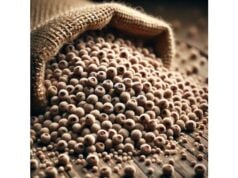
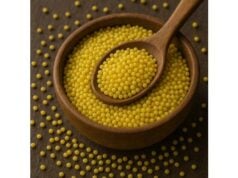
Buckwheat is a gluten-free pseudocereal prized for its nutty flavor, quick cooking time, and dense nutrition. Despite the name, it isn’t related to wheat; it’s the seed of Fagopyrum esculentum and cooks like a whole grain. Buckwheat stands out for its naturally higher lysine compared with most cereals, generous magnesium and manganese, and a fiber mix that supports steady energy. Its flavonoids—especially rutin and quercetin—give it a unique polyphenol profile, while naturally occurring inositols and fagopyritols add metabolic interest. In the kitchen, you can go rustic (toasted kasha for hearty bowls), delicate (soba-style noodles and crepes), or everyday simple (fluffy groats tucked into salads and soups). Since buckwheat is truly gluten-free, it’s a practical staple for people avoiding gluten; however, soba noodles and packaged foods often blend wheat flour, so label reading matters. This guide brings together the essentials: what buckwheat offers per 100 grams, how it compares with other staples, evidence-informed benefits and risks, and smart ways to select, store, and cook it for taste and nutrition.
Nutrition Snapshot
- Naturally gluten-free seed with notable magnesium, manganese, copper, and lysine-rich protein per 100 g.
- Flavonoids like rutin and quercetin, plus inositols and fagopyritols, contribute antioxidant and metabolic relevance.
- Typical serving: ½ cup cooked (≈85–100 g), enjoyed 3–5 times per week within a varied whole-grain rotation.
- Safety note: buckwheat allergy—though uncommon—can be severe; soba and blended products may include wheat.
- Limit or avoid if you have a confirmed buckwheat allergy, celiac disease when products risk cross-contact, or during strict low-FODMAP elimination unless portion-tested.
Table of Contents
- Buckwheat: Detailed Overview
- Buckwheat Nutrition Profile
- Evidence-Based Health Benefits
- Risks, Allergies and Interactions
- Selecting, Quality, Sustainability and Storage
- Preparation, Cooking and Nutrient Retention
- Portions, Comparisons and FAQs
Buckwheat: Detailed Overview
Buckwheat is the fruit seed of a broadleaf plant in the Polygonaceae family. It is not a grass like wheat or barley, so it’s classified as a pseudocereal—a seed that behaves like a grain in cooking and nutrition. The two main culinary species are common buckwheat (Fagopyrum esculentum) and tartary buckwheat (F. tataricum). Common buckwheat is mild and familiar in groats, kasha, and noodles; tartary buckwheat is more bitter yet concentrated in certain flavonoids, especially rutin.
Several traits make buckwheat practical in modern kitchens. First, it cooks fast. Toasted groats (kasha) are table-ready in 10–15 minutes and hold a pleasant, tender chew. Second, buckwheat is naturally gluten-free and rich in lysine, an essential amino acid that tends to be low in true cereals. That means buckwheat pairs well with rice, corn, and oats to round out protein quality across a week. Third, it delivers minerals and phytonutrients: magnesium, manganese, copper, and zinc feature prominently; polyphenols such as rutin and quercetin support an antioxidant profile distinct from most grains.
Culinary versatility is wide:
- Groats (whole or toasted): Add to soups and stews, toss into salads, or serve as a side like rice.
- Flour: Makes characterful pancakes (blini, galettes), quickbreads, crackers, and partial blends in yeast loaves.
- Noodles: Soba-style noodles vary in wheat content; look for 100% buckwheat if you need to avoid gluten.
- Flakes and grits: Speedy hot cereal or breading alternative.
From a sustainability lens, buckwheat is short-season and soil-friendly. It grows well on marginal land, competes with weeds, and flowers prolifically—supporting pollinators in mixed farming systems. As a cover crop, it helps scavenge phosphorus and improve soil tilth, and as a food crop it diversifies the cereal supply beyond wheat and rice.
Two flavor styles dominate: untoasted groats are mild and a bit grassy, while toasted kasha is roasty and nutty, especially when first coated in beaten egg and then lightly browned in a pan before simmering. Texture can range from fluffy and separate to soft and porridge-like depending on water ratio and stirring. With just a bit of technique, buckwheat moves easily from weekday breakfasts to elegant savory dishes.
Buckwheat Nutrition Profile
Context for tables: Values below refer to raw buckwheat groats (uncooked), per 100 g unless stated. % Daily Value (%DV) is based on U.S. adult reference intakes for a 2,000-kcal diet. Actual composition varies by variety, soil, and processing.
Macros and Electrolytes
| Nutrient (per 100 g, raw) | Amount | %DV |
|---|---|---|
| Energy | 343 kcal | — |
| Protein | 13.3 g | 27% |
| Total fat | 3.4 g | 4% |
| Saturated fat | 0.7 g | 4% |
| Carbohydrate | 71.5 g | 26% |
| Dietary fiber | 10.0 g | 36% |
| Total sugars | 0.9 g | — |
| Starch | ~60–65 g | — |
| Sodium | 1 mg | 0% |
| Potassium | 460 mg | 10% |
| Water | ~9–12 g | — |
Fats and Fatty Acids
| Component | Amount |
|---|---|
| Monounsaturated fat | ~1.0 g |
| Polyunsaturated fat | ~1.0–1.3 g |
| Linoleic acid (omega-6, 18:2) | ~0.9–1.1 g |
| Alpha-linolenic acid (omega-3, 18:3) | ~0.07–0.12 g |
| Cholesterol | 0 mg |
Protein and Amino Acids
(No %DV for individual amino acids; values illustrate balance.)
| Amino Acid | Amount (g) |
|---|---|
| Lysine | ~0.85 |
| Leucine | ~0.90 |
| Isoleucine | ~0.55 |
| Valine | ~0.70 |
| Threonine | ~0.50 |
| Methionine | ~0.20 |
| Phenylalanine | ~0.65 |
| Histidine | ~0.33 |
| Tryptophan | ~0.19 |
Vitamins
| Vitamin | Amount | %DV |
|---|---|---|
| Thiamin (B1) | 0.10 mg | 8% |
| Riboflavin (B2) | 0.43 mg | 33% |
| Niacin (B3) | 7.0 mg | 44% |
| Pantothenic acid (B5) | 1.23 mg | 25% |
| Vitamin B6 | 0.21 mg | 12% |
| Folate (DFE) | 30 µg | 8% |
| Vitamin E (alpha-tocopherol) | 0.1 mg | 1% |
| Vitamin K (phylloquinone) | 7 µg | 6% |
| Choline | ~55 mg | 10% |
Minerals
| Mineral | Amount | %DV |
|---|---|---|
| Magnesium | 231 mg | 55% |
| Manganese | 1.3 mg | 57% |
| Copper | 1.1 mg | 122% |
| Zinc | 2.4 mg | 22% |
| Iron | 2.2 mg | 12% |
| Phosphorus | 347 mg | 28% |
| Potassium | 460 mg | 10% |
| Selenium | 8.3 µg | 15% |
| Calcium | 18 mg | 1% |
| Sodium | 1 mg | 0% |
Bioactives and Phytonutrients
- Flavonoids: rutin (quercetin-3-rutinoside), quercetin, orientin, vitexin; levels increase in tartary buckwheat and in the hulls and greens.
- Inositols and fagopyritols: D-chiro-inositol and its galactosides contribute to buckwheat’s metabolic interest.
- Phenolic acids: primarily ferulic and caffeic acids in the bran.
Allergens and Intolerance Markers
- Gluten: none—buckwheat is gluten-free; cross-contact is possible in shared mills.
- FODMAPs: groats in modest portions are generally tolerated; some products (e.g., certain flours or large portions) can be higher in fructans.
Anti-nutrients
- Phytates and tannins reside mainly in the outer layers; soaking, sprouting, fermenting, and cooking reduce their impact.
- Protease inhibitors are present at low levels and are heat-sensitive.
Glycemic and Acid–Base Metrics
- Glycemic response is low to moderate for intact groats; processing (e.g., fine flours, instant cereals, sweetened noodles) raises it.
- Potential Renal Acid Load (PRAL) is mildly acid-forming, typical for cereal-like staples.
Footnote: Values represent typical raw, unfortified groats. Packaged noodles, flours, and mixes may be blended or fortified—check labels.
Evidence-Based Health Benefits
1) Steadier post-meal energy
Intact buckwheat groats deliver slowly digestible starch and a mix of soluble and insoluble fiber. This combination softens glucose peaks and can lengthen satiety after meals. When you keep kernels intact (rather than using finely milled flour) and avoid overcooking, you preserve structure and viscosity—the physical features that help slow carbohydrate absorption. Cooling and reheating cooked buckwheat further increases resistant starch, which may nudge glycemic responses lower in everyday meals.
2) Mineral density that actually shows up on the plate
Per 100 g raw, buckwheat provides meaningful magnesium, manganese, copper, zinc, and phosphorus. Magnesium supports insulin signaling and muscle and nerve function; manganese and copper enable antioxidant enzymes; zinc supports immune function and taste. If you rely heavily on refined grains, rotating in buckwheat a few times per week is a simple way to improve mineral coverage without changing your entire meal pattern.
3) Protein quality that complements other staples
Compared with true cereals, buckwheat supplies more lysine—the amino acid cereals often lack. That makes it a useful partner to rice, corn, or oats across the week. While buckwheat alone is not a “complete protein” in the adult dietary sense, its amino-acid profile improves the overall quality of mixed grain patterns and supports muscle maintenance when your total daily protein is adequate.
4) Flavonoids with antioxidant and vascular relevance
Buckwheat’s flavonoids—particularly rutin and quercetin—have been studied for antioxidant, anti-inflammatory, and endothelial effects. Tartary buckwheat typically contains higher rutin; during heating, some rutin converts to quercetin, shifting flavor (more bitter) and bioactive profile. In practical terms, routinely eating plant foods rich in flavonoids—including buckwheat—adds to overall dietary polyphenol exposure, which supports vascular health in the context of balanced eating.
5) Digestive comfort when introduced gradually
The fiber in buckwheat feeds gut microbes that produce short-chain fatty acids such as butyrate. If you’re new to higher-fiber staples, begin with ¼–½ cup cooked portions, hydrate well, and increase over one to two weeks. Most people find the texture and flavor easy to adopt, especially in soups, salads, and breakfast bowls.
How to make the evidence work for you
- Choose intact groats most of the time; use flours and instant products strategically.
- Aim for 3–5 buckwheat meals per week alongside legumes, vegetables, and other whole grains.
- Combine with vitamin C-rich vegetables (peppers, tomatoes, citrus) to support iron absorption from the meal.
- For portable lunches, pack cooled buckwheat salads to leverage resistant starch and keep texture.
Risks, Allergies and Interactions
Allergy: uncommon but can be severe
Buckwheat allergy is well-documented in regions where soba and buckwheat foods are common. Reactions range from hives and gastrointestinal discomfort to anaphylaxis. Allergenic proteins (often labeled Fag e 1, Fag e 2, Fag e 3 in research) are distinct from wheat gluten, so wheat tolerance doesn’t guarantee buckwheat tolerance. If you have a history of seed or grain allergy, introduce buckwheat cautiously and consult an allergist if symptoms appear.
Gluten and cross-contact
Buckwheat itself is gluten-free, but soba noodles and snack foods frequently blend in wheat flour. Additionally, some mills and packaging lines are shared with gluten-containing grains. For celiac disease, choose products labeled gluten-free to minimize cross-contact risk and verify ingredient lists for “wheat,” “barley malt,” or “malt extract.”
Buckwheat greens and photosensitivity
Groats (the seed) are widely consumed and considered safe. The greens and juice of buckwheat contain fagopyrin, a light-sensitizing compound linked with photosensitivity in animals and rare human case reports after concentrated intake. Culinary use of small amounts of microgreens is generally well-tolerated, but avoid large quantities of buckwheat greens juice or powders if you are photosensitive or on photosensitizing medications.
FODMAP and digestive tolerance
Groats in modest portions often fit low-FODMAP patterns after the elimination phase, but tolerance varies. Larger portions or certain flours may be higher in fructans, which can cause bloating in sensitive individuals. Start with small portions and evaluate comfort.
Medication timing and minerals
High-fiber meals may reduce short-term absorption of certain medications and minerals. As a practical rule, separate sensitive medicines (e.g., thyroid hormone) and iron or zinc supplements from high-fiber meals by 1–2 hours, as advised by your clinician.
Who should limit or avoid
- Anyone with a confirmed buckwheat allergy.
- People with celiac disease unless products are certified gluten-free (to prevent cross-contact).
- Individuals in the low-FODMAP elimination phase until tested portions are established.
- Those with photosensitivity concerns should avoid concentrated buckwheat greens products.
Selecting, Quality, Sustainability and Storage
Know the main forms
- Whole groats (untoasted): Pale green-tan kernels with mild flavor; cook up fluffy and separate when handled gently.
- Kasha (toasted groats): Deeply roasted for a robust, nutty profile and faster cooking; great for pilafs and bowls.
- Flour: Fine and earthy; beautiful in pancakes, crepes, quickbreads, crackers, and partial blends in yeast breads.
- Soba-style noodles: Textures vary; ingredients range from 100% buckwheat to blends with wheat.
- Flakes and grits: Quick options for hot cereal or breading.
How to choose quality buckwheat
- Inspect color and aroma: fresh groats are clean-smelling with no mustiness or bitterness beyond the roast.
- Prefer recent harvest or “best by” dates and airtight packaging.
- If gluten avoidance is medical, prioritize certified gluten-free products.
- For nuanced flavor and potentially higher flavonoids, explore tartary buckwheat flours or blends (more bitter; best in small amounts).
Sustainability profile
Buckwheat shines as a short-season, low-input crop. It grows quickly, suppresses weeds, and provides abundant nectar for pollinators. As a cover crop, it helps recycle phosphorus and improve soil tilth; as food, it diversifies grain systems and offers a drought-tolerant option for farmers. Buying from regional producers or mills can reduce transport impact and support resilient local supply chains.
Storage and shelf life
- Dry groats: Store in a cool, dark pantry in airtight containers for 6–12 months; refrigerate or freeze for longer.
- Flour: Because of residual germ oils, keep refrigerated or frozen; use within 3–4 months for best flavor.
- Cooked groats: Refrigerate promptly in a sealed container and use within 3–5 days; freeze up to 3 months.
- Rancidity check: Discard if you smell paint-like, soapy, or intensely bitter aromas—signs of oxidized lipids.
Smart shopping tips
- Buy in reasonable quantities you’ll use in a few months; buckwheat flour stales faster than groats.
- For consistent texture in noodles and breads, learn a brand’s blend ratio and stick with it; 100% buckwheat behaves differently than blends.
- If trying tartary buckwheat, start small (10–20% of total flour) to manage bitterness.
Preparation, Cooking and Nutrient Retention
Before you cook
- Rinse groats in cool water to remove dust.
- Toast untoasted groats in a dry pan for 2–3 minutes to deepen flavor and improve structure.
- Soak (optional): 1–4 hours shortens cook time and can modestly reduce phytates; drain well.
Stovetop basics (fluffy groats)
- Optional: Coat rinsed groats with a beaten egg in a skillet; cook until the egg just sets and grains are lightly toasted—this classic kasha step helps kernels stay separate.
- Add 2 cups water or broth per 1 cup groats (1:2), plus a pinch of salt.
- Bring to a boil, reduce to a gentle simmer, cover, and cook 10–15 minutes until grains are tender with a light bite.
- Rest 5 minutes, then fluff with a fork.
Creamy porridge style
- Use 2½–3 cups liquid per 1 cup groats and stir occasionally during the last minutes to mobilize starch for a spoonable texture. Add milk or a fortified plant drink near the end and finish with fruit, nuts, or yogurt.
Pressure cooker or rice cooker
- 1:1.75 groats-to-liquid; cook on high pressure for 5–7 minutes, natural release 5 minutes.
- In a rice cooker, use the white rice cycle and monitor for doneness.
Noodles and baking
- For 100% buckwheat noodles, cook in ample boiling water and rinse gently to remove surface starch, then re-warm briefly in broth or sauce.
- In baking, swap 10–30% of total flour with buckwheat flour for nutty complexity. Pair with binders (eggs, psyllium, or xanthan) and moisture (yogurt, applesauce) for tender crumb.
Retention tips
- Prefer absorption methods (measured liquid) over boil-and-drain to keep water-soluble B-vitamins and minerals.
- Avoid prolonged simmering that collapses kernels; intact structure supports a steadier glycemic profile.
- Add vitamin C-rich ingredients (citrus, bell peppers, tomatoes) to boost non-heme iron absorption at the meal.
- To moderate bitterness in tartary buckwheat, combine with softer flavors (yogurt, mild cheeses, sweet onions) or blend with common buckwheat flours.
Five go-to ideas
- Kasha-mushroom pilaf: Toasted groats with sautéed mushrooms, onions, thyme, and broth.
- Sunny breakfast bowl: Creamy buckwheat porridge with orange zest, berries, and crushed almonds.
- Hearty soup booster: Add ½ cup groats during the last 15 minutes of simmering vegetable or chicken soup.
- Market salad: Cooled groats with cucumbers, tomatoes, olives, herbs, lemon, and olive oil.
- Weeknight crepes: Buckwheat crepes stuffed with roasted vegetables and a dollop of yogurt or soft cheese.
Portions, Comparisons and FAQs
Practical portions and frequency
- A typical serving is ½ cup cooked (≈85–100 g). New to buckwheat or fiber-sensitive? Start with ¼ cup cooked and build up.
- Across a week, aim for 3–5 servings within a rotation of other whole grains and pseudocereals (oats, quinoa, millet, brown rice, teff).
How buckwheat compares
- Buckwheat vs quinoa: Both are gluten-free and relatively protein-dense. Quinoa contains all essential amino acids in higher balance, while buckwheat offers greater rutin and often more magnesium per 100 g raw. Quinoa stays fluffy; buckwheat ranges from fluffy to creamy depending on water and stirring.
- Buckwheat vs oats: Oats excel in beta-glucan (a viscous soluble fiber tied to LDL reduction). Buckwheat contributes flavonoids and lysine-rich protein and holds up well in savory dishes and salads.
- Buckwheat vs brown rice: Buckwheat generally brings more magnesium, manganese, and copper, plus a faster cook time. Brown rice has a milder flavor and very low bitterness.
- Buckwheat vs barley: Barley contains gluten and more beta-glucan; buckwheat is gluten-free with distinct polyphenols (rutin, quercetin).
FAQs
- Is buckwheat gluten-free? Yes—the seed is naturally gluten-free. Watch for blended noodles and cross-contact in shared facilities.
- Do I need to soak buckwheat? No. Soaking can shorten cook time and slightly reduce phytates, but rinsing and toasting are usually enough.
- Why did my buckwheat turn mushy? Too much water or stirring. Use a 1:2 ratio, gentle simmer, minimal stirring, and a brief rest with the lid on.
- Is kasha the same as buckwheat? Kasha refers to toasted buckwheat groats. It cooks faster and tastes more roasty than untoasted groats.
- Can I eat buckwheat if I’m low-FODMAP? In reintroduction, small portions of cooked groats often fit—test portions with a dietitian’s guidance.
References
- FoodData Central 2024 (Database)
- Buckwheat as a Functional Food and Dietary Component: A Review 2019 (Systematic Review)
- Rutin and Quercetin: A Review of Their Pharmacological Properties and Therapeutic Potential 2021 (Systematic Review)
- Buckwheat Allergy 2017 (Review)
Disclaimer
This article is for educational purposes only and is not a substitute for professional medical advice, diagnosis, or treatment. Nutrition and tolerance vary widely. If you have celiac disease, a confirmed buckwheat allergy, diabetes, kidney disease, or are following a therapeutic diet (including low-FODMAP), consult your healthcare professional or a registered dietitian for personalized guidance. Seek immediate care for any signs of allergic reaction.
If this guide was helpful, please consider sharing it with friends or colleagues on Facebook, X, or any platform you prefer. Your support helps us continue creating careful, evidence-based resources.