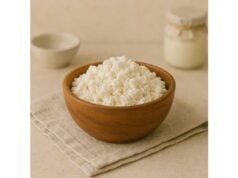
Bulgarian yogurt—known locally as kiselo mlyako—is a tangy, creamy fermented dairy made with two specific starter cultures that give it a clean acidity and pleasantly thick body. It’s prized for simple ingredients (traditionally just milk and live cultures), dependable protein, and a suite of nutrients like calcium, riboflavin, and vitamin B12. Because fermentation reduces lactose, many people who struggle with milk tolerate plain yogurt better, especially when it contains active cultures. In the kitchen, Bulgarian yogurt is wonderfully versatile: whisked into cold soups such as tarator, folded into dips like snezhanka, dolloped over grilled meats and vegetables, or blended into smoothies. Beyond taste and texture, current regulatory guidance recognizes a potential benefit of regular yogurt intake for type 2 diabetes risk, and long-standing European decisions allow a digestion-related claim for live cultures. This article brings together what matters: the distinctive features of Bulgarian yogurt, its nutrition per 100 g, what science says about benefits and risks, how to choose quality, and practical ways to cook with it while preserving its nutrients.
Top Highlights
- Provides protein (≈3.5 g/100 g) plus calcium, riboflavin, and vitamin B12 that support muscle, bone, and energy metabolism.
- Regular intake of yogurt—at least 2 cups (about 3 servings) per week—is permitted for a qualified U.S. health claim related to reduced risk of type 2 diabetes.
- Typical serving: 150–170 g, enjoyed 3–7 times per week as part of balanced meals and snacks.
- Avoid unpasteurized (raw) milk yogurts; infants, pregnant people, older adults, and immunocompromised individuals should choose pasteurized products only.
- People with diagnosed cow’s milk allergy should avoid Bulgarian yogurt; those with severe lactose intolerance may need lactose-free options.
Table of Contents
- What Makes Bulgarian Yogurt Unique?
- Bulgarian Yogurt Nutrition Profile (per 100 g)
- Evidence-Based Health Benefits of Bulgarian Yogurt
- Risks, Allergies and Interactions
- Buying, Quality, Sustainability and Storage
- Preparation, Cooking and Nutrient Retention
- Portions, Comparisons and FAQs
What Makes Bulgarian Yogurt Unique?
Bulgarian yogurt is defined by its starter culture pair: Lactobacillus delbrueckii subsp. bulgaricus and Streptococcus thermophilus. These microorganisms work in symbiosis to ferment milk lactose into lactic acid, lowering pH and transforming fluid milk into a custard-like gel with a bright, clean tang. The result is a product that is characteristically smooth, slightly tart, and pleasantly aromatic, often with a subtle buttery note. While many countries make yogurt, the Bulgarian heritage emphasizes minimalist recipes—just milk and cultures—allowing terroir (milk quality, microflora, and technique) to shine.
That culture pair does more than create flavor. It produces lactic acid and small amounts of bioactive compounds that influence aroma and the final texture. Temperature and timing matter: Bulgarian-style fermentation typically proceeds at warm temperatures that favor rapid acidification, followed by a cold set that stabilizes the gel. Gentle handling helps prevent whey separation (syneresis), though a thin layer of whey on top is normal and can be stirred back in to retain nutrients.
In everyday cooking, Bulgarian yogurt is a staple, not a garnish. It lightens rich meats, cools spicy dishes, and adds body to chilled soups. Because it’s cultured, it behaves differently from cream: it can curdle if boiled or shocked with strong acids. The trick is to temper it—warming gradually and whisking in a little starch or flour for heat stability when sauces must simmer. At the table, it lands where you need it: breakfast (with fruit and nuts), lunch (as a dip or salad binder), dinner (as a sauce), or dessert (with honey).
Nutritionally, Bulgarian yogurt offers a balanced profile per 100 g: modest calories, meaningful protein, and important micronutrients. Whole milk versions contain more fat and fat-soluble vitamins; low-fat options trim calories and saturated fat while keeping protein. Strained (Greek-style) varieties concentrate protein and reduce lactose and whey minerals, leading to different macronutrient ratios. Choosing among them depends on taste, goals, and how you plan to cook or pair the yogurt.
Finally, Bulgarian yogurt travels well across dietary patterns. It fits Mediterranean-style eating, protein-forward breakfasts, and nutrient-dense snacks. For people who avoid added sugars, plain versions deliver sweetness only from milk lactose. For those mindful of sodium, yogurt is naturally low compared with many cheeses. And for those exploring fermented foods, it’s a reliable, well-characterized option with centuries of tradition and modern quality controls.
Bulgarian Yogurt Nutrition Profile (per 100 g)
Below are representative values for plain, whole-milk Bulgarian-style yogurt made from pasteurized cow’s milk with live cultures. Amounts are per 100 g with % Daily Value (%DV) where applicable. Actual values vary by milk fat, straining (e.g., Greek-style), fortification, and brand.
Macros and Electrolytes (per 100 g)
| Nutrient | Amount | %DV |
|---|---|---|
| Energy | 61 kcal | — |
| Protein | 3.5 g | 7% |
| Total Fat | 3.3 g | 4% |
| Saturated Fat | 2.1 g | 11% |
| Trans Fat | 0 g | — |
| Carbohydrate (total) | 4.7 g | 2% |
| Total Sugars (lactose) | 4.7 g | — |
| Added Sugars | 0 g | 0% |
| Sodium | 46 mg | 2% |
| Potassium | 155 mg | 3% |
Fats and Fatty Acids
| Nutrient | Amount | %DV |
|---|---|---|
| Total Fat | 3.3 g | 4% |
| Saturated Fat | 2.1 g | 11% |
| Monounsaturated Fat | 0.9 g | — |
| Polyunsaturated Fat | 0.1 g | — |
| Cholesterol | 13 mg | — |
Vitamins
| Vitamin | Amount | %DV |
|---|---|---|
| Vitamin A (RAE) | 27 µg | 3% |
| Riboflavin (Vitamin B2) | 0.14 mg | 11% |
| Vitamin B12 | 0.37 µg | 15% |
| Vitamin D* | 0 µg (unfortified) | 0% |
Minerals
| Mineral | Amount | %DV |
|---|---|---|
| Calcium | 121 mg | 9% |
| Phosphorus | 95 mg | 8% |
| Potassium | 155 mg | 3% |
| Sodium | 46 mg | 2% |
Notes on interpretation and variability:
- Values reflect plain, unflavored yogurt; flavored products may add sugars, fruit purées, or thickeners that change nutrients.
- Vitamin D varies by market; some countries fortify yogurt. Check labels if vitamin D is a priority.
- Strained (Greek-style) yogurt typically has higher protein (≈9–10 g/100 g) and lower lactose than unstrained styles.
- %DV calculations assume common current U.S. Daily Values (e.g., calcium 1300 mg; potassium 4700 mg; saturated fat 20 g; total fat 78 g; added sugars 50 g; protein 50 g); these are reference guides, not individual prescriptions.
Allergens and intolerance markers
- Contains cow’s milk proteins (casein and whey) and lactose.
- Live cultures may help digest the lactose in yogurt itself; people with severe lactose intolerance may still need lactose-free yogurt.
Evidence-Based Health Benefits of Bulgarian Yogurt
1) Potential reduction in type 2 diabetes risk with regular intake
Regulatory guidance in the United States allows a qualified health claim for yogurt and reduced risk of type 2 diabetes when consumers eat it regularly—at least 2 cups (about 3 servings) per week—paired with language that the evidence is limited. This reflects consistent observational associations rather than proof of causation. Practically, that amount aligns with three standard single-serve cups of 150–170 g each spread across a week. It’s a realistic, food-first habit that many people can adopt without changing the rest of their diet.
2) Nutrient density that supports bone, muscle, and energy metabolism
Bulgarian yogurt delivers useful protein per calorie, along with calcium and phosphorus for bone structure. Riboflavin supports cellular energy metabolism, and vitamin B12 contributes to red blood cell formation and neurological function. For active adults and older adults alike, including a serving of yogurt in meals and snacks helps meet protein targets comfortably—especially at breakfast, when protein is often low.
3) Live cultures that aid lactose digestion (of the yogurt itself)
Live starter cultures—S. thermophilus and L. delbrueckii subsp. bulgaricus—carry lactase activity and help break down lactose during fermentation and during digestion, improving tolerance of the lactose present in yogurt for individuals who have difficulty digesting lactose. This is a specific, well-established physiological effect for the food itself. It does not mean yogurt “fixes” lactose intolerance, but it often makes plain, cultured yogurt easier to tolerate than milk.
4) Cardiometabolic-friendly swaps
Replacing part of your routine added-sugar desserts or sauces with plain yogurt reduces added sugars and may increase satiety, which can indirectly support weight management strategies. Choosing plain or unsweetened yogurt limits added sugars to zero. Opting for low-fat or strained styles can tailor saturated fat to personal goals without sacrificing protein.
5) Culinary matrix advantages
Yogurt is a flexible, nutrient-dense base for savory and sweet dishes. Its acidic, protein-rich matrix can tenderize meats in marinades, add creaminess to dressings without heavy cream, and stand in for mayonnaise or sour cream. Those swaps typically reduce sodium and saturated fat while adding protein and calcium, improving the overall nutrient profile of the dish.
How to put benefits into practice
- Aim for 3 servings per week (≈2 cups total) or more, using plain yogurt as your default.
- Combine with fiber-rich foods—berries, oats, seeds, legumes—to build balanced, high-satiety meals.
- Use as a cooking ingredient where it displaces added sugars or saturated fat.
What benefits not to expect
- Yogurt is not a cure for diabetes, digestive disorders, or allergies.
- Effects depend on your whole diet and lifestyle; the best results come when yogurt is part of a balanced pattern rich in plants, whole grains, and minimally processed foods.
Risks, Allergies and Interactions
Pasteurization and food safety
Choose yogurt made from pasteurized milk. Unpasteurized (raw) milk and raw milk products can carry pathogens such as Listeria monocytogenes, Salmonella, E. coli, Campylobacter, and others. These pose the greatest risk to pregnant people, infants, older adults, and those with weakened immunity. Commercial Bulgarian-style yogurts are typically pasteurized before fermentation, which is the safer standard for home use. If you buy from small producers, check labels or ask directly whether the milk was pasteurized.
Allergy to cow’s milk proteins
A confirmed milk allergy means avoiding Bulgarian yogurt, regardless of pasteurization. Casein and whey proteins remain present after fermentation. For individuals with a suspected allergy, diagnosis should be made by a qualified clinician. Do not rely on “tolerance trials” at home.
Lactose intolerance
Fermentation reduces but does not eliminate lactose in regular yogurt. Many people with lactose intolerance tolerate plain yogurt (especially live-culture and strained types) better than milk. If symptoms persist, choose lactose-free yogurt variants or limit portions to tolerance (for example, 100–150 g at a time, taken with other foods).
Medication considerations
- Antibiotics: While standard yogurt can help maintain dietary variety during antibiotic courses, it is not a substitute for prescribed therapies or medically indicated probiotics. If you plan to use probiotic supplements, separate doses from antibiotics by several hours and speak with your clinician.
- Immunosuppression: Even pasteurized yogurt is generally safe for most immunocompromised individuals when produced and handled correctly, but personalized advice from a healthcare provider is prudent. Avoid raw milk products.
- Low-histamine diets: Fermented foods can be problematic for individuals with histamine intolerance. Monitor symptoms and consult a dietitian if needed.
Added sugars, sodium, and fat
Plain yogurt contains no added sugars. Flavored varieties often add 8–15 g added sugars per 150–170 g cup. If you prefer flavored yogurt, look for options with ≤6–8 g added sugars per serving or sweeten plain yogurt yourself with fruit. For saturated fat, whole-milk yogurt contains more than low-fat versions; choose based on overall dietary patterns and lipid targets.
Contaminants and additives
Traditional Bulgarian yogurt is simply milk plus cultures. Some commercial products may add stabilizers (e.g., starches or gelatin) for texture. If you prefer minimalist formulations, scan ingredient lists and choose products that state “milk and live cultures.” For those with dietary restrictions (gelatin avoidance, vegetarian diets), verify the source of any added stabilizer.
Bottom line on safety
Select pasteurized, properly refrigerated yogurt from reputable producers. Keep it cold, use clean utensils, and observe the “use by” date. When in doubt—especially if pregnant or immunocompromised—choose nationally distributed brands that follow stringent quality assurance.
Buying, Quality, Sustainability and Storage
What to look for on the label
- Ingredients: Ideally “milk, live cultures.” Traditional Bulgarian yogurt does not require thickeners; however, some brands add starches, pectins, or gelatin for consistency.
- Cultures: Look for mention of Lactobacillus delbrueckii subsp. bulgaricus and Streptococcus thermophilus. Statements like “live and active cultures” indicate cultures were viable at packaging.
- Milk source and fat level: Whole, low-fat, and nonfat options shift texture and saturated fat. Choose what aligns with your goals and recipes.
- Fortification: Vitamin D fortification varies by country and brand. If vitamin D is important, choose brands that list it.
Signs of quality in the cup
- Texture: Smooth, uniform gel with minimal syneresis (surface whey). A small amount of whey is normal; stir it back in rather than pouring off minerals.
- Aroma and taste: Freshly sour, clean, and milky without bitterness or yeasty notes.
- Color: Ivory to pale cream; any pink, green, or black discoloration is a spoilage sign.
Sustainability considerations
- Local dairies and short supply chains reduce transport emissions and can support animal welfare transparency.
- Packaging: Recyclable tubs and larger formats minimize plastic per serving. Some producers offer glass jars with return systems; check local recycling guidance.
- Food waste: Buy sizes you can finish within the storage window. Plain yogurt is a great base to use up ripe fruit, herbs, and leftovers (e.g., dressings and marinades), reducing waste at home.
Storage and handling
- Temperature: Store at 1–4°C (34–39°F). Keep containers closed; avoid long periods at room temperature.
- Shelf life: Unopened, follow the “use by/best before” date. Once opened, use within 5–7 days for best quality.
- Freezing: Possible for smoothies and baking, but texture becomes more crumbly after thawing. Freeze in portions and plan to stir well after thawing.
- Cross-contamination: Spoon out what you need into a clean bowl; avoid double-dipping.
Travel and lunchbox tips
- Pre-chill an insulated container and include a small ice pack.
- For kid-friendly options, portion plain yogurt and add fruit purée or a drizzle of honey right before eating to control added sugars.
Preparation, Cooking and Nutrient Retention
Keep the cultures alive (when that’s your aim)
If you want active cultures at the point of eating, avoid high-heat cooking. Use plain yogurt cold or gently warmed. For sauces, add at the end off the heat. The live cultures are sensitive to sustained high temperatures.
Prevent curdling with smart technique
- Temper: Whisk a ladle of hot liquid into yogurt to warm it gradually.
- Stabilize: For simmered sauces, whisk 1–2 teaspoons of flour or cornstarch per cup of yogurt to help proteins stay in suspension.
- Mind the acid: Adding lemon juice or vinegar directly to hot yogurt sauces can destabilize them. Add acid off heat or balance with a little starch.
- Simmer, don’t boil: Keep yogurt sauces below a bare simmer.
Culinary uses that add nutrition without added sugars
- Tarator (chilled cucumber yogurt soup): Blend yogurt with grated cucumbers, dill, garlic, and walnuts; thin with water to taste.
- Snezhanka (strained yogurt salad): Stir salt, grated cucumber, and herbs into thick yogurt; finish with olive oil and crushed walnuts.
- Savory sauces: Replace sour cream or mayonnaise 1:1 in dips and dressings.
- Breakfast bowls: Pair with oats, berries, and seeds for fiber and micronutrients; sweeten with fruit before honey.
- Marinades: Combine yogurt with spices (paprika, cumin, garlic) for chicken or vegetables; 2–12 hours is sufficient for tenderizing.
Retain nutrients and optimize bioavailability
- Calcium retention: Stir in surface whey instead of discarding it; whey carries minerals.
- Protein quality: Pair yogurt with grains or legumes to round out amino acid profiles in vegetarian meals.
- Fat-soluble vitamins: When using nonfat yogurt, include a small amount of healthy fat (nuts, olive oil) in the meal to support absorption of fat-soluble nutrients in accompanying foods.
Special cases
- Baking: Yogurt adds moisture and acidity to quick breads and cakes, allowing you to reduce butter or oil modestly. Use plain yogurt to control sweetness.
- Smoothies: Blend yogurt with fruit and greens; add oats or seeds to increase fiber and satiety.
- Freezer treats: Freeze lightly sweetened yogurt with fruit purée in molds; expect a firmer texture than ice cream.
Batch prepping
- Mix a large bowl of savory yogurt sauce on Sunday (garlic, lemon, herbs) and portion for the week.
- Keep a separate sweet base (plain yogurt + cinnamon + vanilla) to pair with fruit.
- Always use clean utensils to avoid introducing microbes that shorten shelf life.
Portions, Comparisons and FAQs
Practical serving sizes and frequency
- Everyday portion: 150–170 g (about a standard single-serve cup).
- Weekly target: At least 2 cups (≈3 servings) per week suits the qualified claim threshold; many people enjoy one serving daily.
- Athletes and active adults: Consider 200 g post-workout paired with fruit and a handful of nuts or granola for carbohydrates.
How Bulgarian yogurt compares to other dairy
- Versus milk: Similar minerals, but yogurt offers better tolerance for some people due to fermentation and a thicker texture suited to cooking.
- Versus Greek yogurt: Strained styles deliver more protein per 100 g (roughly 9–10 g) and less lactose; Bulgarian yogurt is typically looser unless strained and may taste more tangy.
- Versus plant-based “yogurts”: Nutrient profiles vary widely (especially protein and calcium). Choose fortified, unsweetened varieties when opting for dairy-free, and check protein content if that’s a goal.
FAQs
- Is Bulgarian yogurt always made with the same bacteria?
Yes. Traditional yogurt is characterized by S. thermophilus and L. delbrueckii subsp. bulgaricus. Some products add other cultures, but the defining pair remains the base. - Does yogurt contain probiotics?
Yogurt with live and active cultures contains living bacteria at the time of packaging. The specific health effects depend on the strains and amounts; yogurt’s most established physiological effect is improved digestion of the lactose in the yogurt itself for people who have difficulty digesting lactose. - What if yogurt makes me bloated?
Try smaller portions, strained (Greek-style) yogurt, or lactose-free yogurt. Check for added sweeteners or gums if you’re sensitive. Persistent symptoms warrant medical advice. - Is whole-milk yogurt “bad” for cholesterol?
Whole-milk yogurt has more saturated fat than low-fat versions, but it also brings protein and minerals. Fit it into overall saturated fat goals by balancing other foods. If you’re managing LDL-cholesterol, choose low-fat plain yogurt more often. - Can children eat Bulgarian yogurt?
Yes—choose pasteurized, plain varieties. For toddlers and kids, stir in fruit for sweetness instead of buying high-sugar flavors. - How long can yogurt sit out?
As a rule of thumb, limit room-temperature time to under two hours (under one hour if above 32°C/90°F). When in doubt, discard.
Portion-building ideas
- Savory bowl: 170 g yogurt + roasted vegetables + herbs + olive oil drizzle.
- Breakfast: 150 g yogurt + 40 g oats + 100 g berries + 1 tbsp seeds.
- Snack: 150 g yogurt + grated cucumber + dill + garlic + pinch of salt.
References
- FDA Announces Qualified Health Claim for Yogurt and Reduced Risk of Type 2 Diabetes — 2024
- Unpasteurized Milk Can Pose a Serious Health Risk — 2024
- Composition of foods integrated dataset (CoFID) — 2021
- Scientific Opinion on the substantiation of health claims related to live yoghurt cultures and improved lactose digestion — 2010 (Systematic Opinion)
- STANDARD FOR FERMENTED MILKS CXS 243-2003 — 2024 (Amended)
Disclaimer
This article is for general information only and does not substitute for personalized medical advice, diagnosis, or treatment. Always speak with a qualified healthcare professional about dietary choices, allergies, intolerances, medication interactions, and any condition-specific needs.
If you found this guide useful, please consider sharing it with friends or colleagues on Facebook, X, or any platform you prefer. Your support helps us continue creating practical, high-quality nutrition content.