Burdock root has a long history as both a hardy vegetable and a traditional herbal remedy. Known botanically as Arctium lappa, it is especially popular in East Asian cuisines, where it is stir-fried, simmered in soups, or pickled, and valued for its earthy flavor and pleasing crunch. As a food, burdock root is low in fat, moderate in carbohydrates, and provides fiber, potassium, and small amounts of several vitamins and minerals. It also contains inulin-type fructans and polyphenols that are being studied for digestive, metabolic, and antioxidant effects.
Today, you will see burdock root sold fresh, dried for teas, or processed into powders and extracts in supplements. This article focuses on burdock as a food, while also touching on concentrated forms so you can understand the potential benefits and the safety questions that come with them. By the end, you will know how to choose, cook, and enjoy burdock root, and when to be cautious.
Burdock Root Fast Facts
- One 80–100 g cooked serving of burdock root provides fiber, potassium, and inulin-type prebiotic carbohydrates.
- Regular food use may support digestive comfort and modestly improve blood sugar and cholesterol balance in the context of an overall healthy diet.
- Raw burdock root must be properly identified and peeled; wild foraging carries a risk of confusing it with toxic lookalikes.
- A practical intake for most adults is 50–100 g cooked burdock root, two to four times per week as part of mixed meals.
- People with ragweed or daisy family allergies, kidney disease, or those using blood sugar or blood pressure medication should be cautious with burdock, especially in supplement form.
Table of Contents
- Burdock Root Background and Uses
- Burdock Root Nutrients and Composition
- Research Based Benefits of Burdock
- Risks, Allergies and Burdock Interactions
- Choosing Burdock Root and Storage
- Preparing Burdock and Preserving Nutrients
- Portions, Comparisons and Burdock FAQs
Burdock Root Background and Uses
Burdock is a biennial plant in the daisy family, most recognized in the wild by its burrs that cling to clothing and animal fur. The edible part is the long, slender taproot harvested in the plant’s first year. In Japanese cuisine it is known as gobo and used similarly to root vegetables like carrot or parsnip, though its flavor is more earthy and slightly sweet with a subtle bitterness.
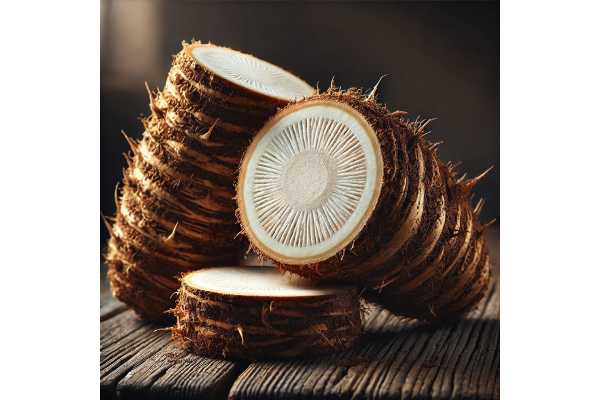
Culinary burdock root is typically 20–50 cm long with a beige-brown exterior and a firm, pale interior. When peeled and cut, it discolors quickly due to oxidation, which is why many traditional recipes call for soaking the slices or matchsticks in water or lightly acidified water before cooking. The texture, once cooked, is pleasantly crisp-tender or slightly chewy depending on the method.
Common culinary uses include:
- Stir-fried matchsticks (for example, with carrot and soy-based seasonings)
- Simmered dishes with soy sauce, mirin, and stock
- Inclusion in stews, hot pots, or miso soup
- Pickled burdock in vinegar brine
- Thinly sliced and dried for teas or broths
Beyond the kitchen, burdock root has been used traditionally as a “blood-purifying” and “detoxifying” plant, supporting skin, joints, digestion, and the urinary system. Modern research instead focuses on its fiber, inulin-type fructans, and phenolic compounds that may influence the gut microbiome, oxidative stress, and metabolic health.
It is important to distinguish between:
- Food use: Fresh or cooked root as part of meals.
- Herbal teas and decoctions: Stronger water extracts.
- Concentrated supplements: Capsules, tinctures, or standardized extracts that deliver higher doses of active compounds.
Benefits and risks are different for these categories, and most people will get a good balance of safety and potential benefit by focusing on food-level intake rather than high-dose supplements.
Burdock Root Nutrients and Composition
Most data below refer to raw burdock root per 100 g. Cooking methods and varieties can slightly change these values, but the overall pattern remains similar.
Macros and Electrolytes (per 100 g raw)
| Nutrient | Amount per 100 g | Approximate %DV* |
|---|---|---|
| Energy | 72 kcal | 4% |
| Carbohydrates (total) | 17.3 g | 6% |
| Dietary fiber (total) | 3.3 g | 12% |
| Sugars | 2.9 g | – |
| Protein | 1.5 g | 3% |
| Total fat | 0.15 g | <1% |
| Sodium | 5 mg | <1% |
| Potassium | ~308 mg | 7% |
| Magnesium | ~38 mg | 9% |
*%DV values are approximate for a general adult diet.
Burdock is primarily a carbohydrate-rich root, with much of its carbohydrate content in the form of inulin-type fructans and other fibers. These are not fully digested in the small intestine and reach the colon, where they serve as prebiotic substrates for beneficial gut microbes.
Carbohydrates, Fiber and Glycemic Aspects
While burdock does contain digestible carbohydrates, its fiber and inulin content can help slow glucose absorption. As a result, moderate portions of burdock root eaten as part of mixed meals are unlikely to cause sharp blood sugar spikes in most people. That said, people with diabetes should still monitor their response, especially if burdock root is eaten in larger amounts or in concentrated forms like extracts.
Vitamins (per 100 g raw, typical values)
| Vitamin | Amount per 100 g | Approximate %DV |
|---|---|---|
| Vitamin C | ~3 mg | 3% |
| Vitamin E | ~0.4 mg | 3% |
| Vitamin K | trace–modest | – |
| Folate (Vitamin B9) | ~23 µg | 6% |
| Niacin (Vitamin B3) | ~0.3 mg | 2% |
| Vitamin B6 (Pyridoxine) | ~0.24 mg | 14% |
| Other B vitamins (B1, B2) | small amounts | – |
Burdock is not a major vitamin powerhouse, but it does contribute some folate and vitamin B6, both important for normal metabolism and homocysteine regulation.
Minerals (per 100 g raw, typical values)
| Mineral | Amount per 100 g | Approximate %DV |
|---|---|---|
| Potassium | ~308 mg | 7% |
| Magnesium | ~38 mg | 9% |
| Calcium | ~41 mg | 3% |
| Phosphorus | ~51 mg | 4% |
| Manganese | ~0.23 mg | 10% |
| Iron | ~0.8 mg | 4% |
| Zinc | ~0.3 mg | 3% |
The standout minerals are potassium, magnesium, and manganese, which support nerve and muscle function, energy metabolism, and antioxidant defenses.
Bioactive Compounds and Phytonutrients
Burdock root contains a range of biologically active constituents, including:
- Inulin-type fructans (prebiotic fibers that feed beneficial gut bacteria)
- Phenolic acids such as chlorogenic and caffeoylquinic acids
- Lignans and other polyphenols with antioxidant and potential anti-inflammatory properties
- Small amounts of essential oils and other secondary metabolites
These compounds are thought to underlie many of the proposed health effects of burdock, from blood sugar modulation to liver and skin support, especially when consumed regularly.
There is no routine fortification of burdock root, and conventional fresh roots are not typically a significant source of additives. Commercial processed products (chips, teas, supplements) may contain added salt, sugar, oils, or preservatives, so labels should be checked individually.
Research Based Benefits of Burdock
Burdock root’s reputation as a supportive food and herb comes from a combination of long traditional use and emerging modern studies. It is important to keep expectations realistic: most research is early-stage, often in animals or cell models, with fewer high-quality human trials. Still, several potential benefits are plausible when burdock root is used as part of an overall healthy pattern.
1. Digestive Health and Gut Microbiome
The inulin-type fructans and fiber in burdock root serve as food for beneficial gut bacteria. Regular intake of prebiotic fibers is associated with:
- Increased populations of helpful bacteria such as bifidobacteria
- Enhanced production of short-chain fatty acids like butyrate, which support colon health
- Softer stools and improved regularity in people with low baseline fiber intake
For most people, gradually adding cooked burdock root to meals can be a gentle way to increase prebiotic intake. However, large sudden doses may cause gas and bloating due to fermentation in the colon.
2. Blood Sugar and Metabolic Support
Experimental work suggests that fructans, polyphenols, and other compounds in burdock may help:
- Slow carbohydrate digestion and glucose absorption
- Improve insulin sensitivity in animal models
- Modulate lipid metabolism, with modest improvements in cholesterol fractions in some studies
A human randomized trial using burdock root extract in older adults with metabolic syndrome reported improvements in abdominal fat measures and certain hormone levels when combined with lifestyle interventions. While this relates to a concentrated extract rather than everyday food portions, it supports the idea that burdock constituents can influence metabolic pathways.
For day-to-day life, substituting refined starches with fiber-rich roots like burdock, alongside other vegetables, can be one small step toward better glucose and weight management.
3. Antioxidant and Anti-inflammatory Activity
Burdock root contains chlorogenic acid, caffeoylquinic acids, and other phenolic compounds with antioxidant activity. Laboratory and animal studies show that burdock extracts can:
- Scavenge free radicals
- Reduce markers of oxidative stress
- Modulate inflammatory signaling pathways
These properties may partly explain traditional uses of burdock for skin conditions, joint comfort, and general resilience. In practical terms, including a variety of colorful and fibrous vegetables, with burdock as one option, helps build a diet rich in antioxidant phytochemicals.
4. Liver, Kidney and Skin Support
Traditional medicine systems have used burdock root for liver “cleansing,” urinary tract support, and skin complaints such as acne and eczema. Modern evidence is still limited, but some animal studies and small human observations suggest:
- Potential protection of liver tissue under toxic or high-fat conditions
- Mild diuretic effects that increase urine output
- Possible improvements in skin clarity when combined with overall dietary changes
These effects are not strong enough to treat serious disease on their own, but they complement general health measures like hydration, balanced nutrition, and medical care where needed.
5. Cardiovascular and Hormonal Aspects
By providing potassium and magnesium, burdock root contributes to electrolyte balance that supports healthy blood pressure in the context of a balanced diet. Some human research on burdock extract, especially when combined with exercise, has found improvements in vascular function and shifts in sex hormone-related markers in older adults. These findings are preliminary, and should not be interpreted as proof of major hormonal effects in typical culinary use, but they do emphasize burdock’s systemic influence.
Overall, burdock root is best viewed as a supportive food: its fiber, minerals, and bioactives may gently nudge physiology in a favorable direction when eaten regularly as part of a varied, plant-rich diet.
Risks, Allergies and Burdock Interactions
Burdock root is generally safe when eaten as a food by most healthy adults, especially when purchased from reputable sources. However, several important cautions apply, especially for foraged plants and high-dose supplements.
1. Plant Identification and Contaminants
In the wild, burdock roots can be confused with other plants that may be toxic. Foraging errors, including confusion with certain hemlock species and other lookalikes, have led to serious poisonings. For this reason:
- Avoid eating wild roots unless you are highly experienced in plant identification and local regulations.
- For most people, the safest choice is to buy burdock root as a food from a trusted grocery store or market.
Like other root vegetables, burdock can absorb heavy metals or pollutants from contaminated soil. Commercial supply chains normally manage this risk with agricultural standards and testing, but sourcing from clean soils and reputable growers further reduces concerns.
2. Allergies and Cross-reactivity
Burdock belongs to the Asteraceae (daisy) family. People who are allergic to ragweed, chrysanthemums, marigolds, or related plants can, in theory, react to burdock too. Possible symptoms include:
- Oral itching or swelling after ingestion
- Skin rash or flare of eczema
- Rarely, more serious systemic allergic reactions
Anyone with a known daisy-family allergy should approach burdock cautiously, starting with a very small cooked portion or avoiding it entirely if advised by an allergist.
3. Digestive Effects and FODMAP Sensitivity
Because burdock root contains inulin and other fermentable fibers, it can produce gas, bloating, or cramping in sensitive individuals, especially those with irritable bowel syndrome or those following a low-FODMAP diet. Practical strategies include:
- Introducing small portions (for example 25–50 g cooked) and increasing slowly
- Combining burdock with other low-FODMAP foods rather than eating large servings alone
- Monitoring symptoms and adjusting intake as needed
4. Blood Sugar, Blood Pressure and Medication Interactions
Burdock’s prebiotic fibers and polyphenols may modestly affect blood sugar and blood pressure regulation. In food amounts, this is usually beneficial. However, in higher supplemental doses, combined effects with medications can become more relevant:
- People using insulin or oral diabetes medications should monitor blood sugar when adding burdock supplements.
- Those on blood pressure medications should be cautious with burdock products that have notable diuretic effects.
If you take prescription medications, especially for cardiovascular, kidney, or endocrine conditions, discuss any planned supplement use with your healthcare provider.
5. Pregnancy, Breastfeeding and Children
Safety data for burdock supplements in pregnancy, breastfeeding, and young children are limited. Culinary amounts of well-cooked root eaten occasionally as part of a diverse diet are likely low risk for most adults, but concentrated extracts, teas taken in large quantities, and multi-herb formulas should be avoided in these groups unless specifically recommended by a clinician.
In short: as a food, burdock root is a reasonable choice for many people. The main concerns are allergies, digestive sensitivity, plant misidentification, and potential interactions or higher risks when using concentrated extracts or teas beyond normal culinary use.
Choosing Burdock Root and Storage
Selecting good-quality burdock root and storing it correctly helps preserve flavor, texture, and nutritional value.
How to Choose Fresh Burdock Root
When buying fresh roots:
- Appearance: Look for long, straight roots with minimal branching. The skin should be firm, dry, and free of deep cracks, mold, or large blemishes.
- Texture: The root should feel heavy and solid for its size, not limp or rubbery. Soft spots, shriveling, or excessive flexibility suggest age or poor storage.
- Color: A light brown exterior with pale, creamy interior is typical. Dark, almost blackened areas may indicate drying or internal rot.
- Size: Medium-size roots are often more tender. Very large roots can be more fibrous and may require longer cooking or more trimming.
In some regions, you may find burdock root already peeled and vacuum-packed or sliced and sold refrigerated. Check dates and keep these products chilled.
Dried, Frozen and Processed Forms
- Frozen burdock root: Common in Asian grocery stores, usually pre-cut into matchsticks. Frozen burdock is convenient and retains much of the fiber and minerals.
- Dried slices or shavings: Mainly used for teas or long-simmered broths. These are quite concentrated and should be stored in airtight containers away from light and moisture.
- Pickled burdock: Stored in acidic brines; these products can be higher in sodium and sometimes sugar.
- Snacks and chips: Fried or baked burdock chips can contain significant added oil and salt, making them more of an occasional snack than an everyday health food.
Storage Guidelines
For fresh roots:
- Refrigerate unwashed roots in a perforated plastic bag or wrapped loosely in a damp cloth in the vegetable drawer.
- Properly stored, they can last for 1–2 weeks, sometimes longer, before becoming woody or shriveled.
- Wash and peel only just before use to reduce oxidation and moisture loss.
For cut or peeled burdock:
- Store cut pieces submerged in water in the refrigerator and use within 1–2 days.
- Adding a small amount of lemon juice or vinegar to the water can reduce browning.
For dried burdock products:
- Keep in airtight containers in a cool, dark place.
- Use within the shelf-life listed by the manufacturer, typically several months.
Sustainability Considerations
Burdock is a robust plant and can be cultivated with relatively modest inputs. Buying from local or regional producers when available can reduce transport impacts. Organic production can help minimize synthetic pesticide use, though both organic and conventional products must meet safety standards when sold as food.
Preparing Burdock and Preserving Nutrients
Burdock root is versatile in the kitchen, and preparation techniques influence both its nutritional profile and how easy it is to digest.
Basic Cleaning and Prep Steps
- Scrub or peel: Rinse the root under cool water and scrub well with a vegetable brush. Many cooks lightly peel the root with a peeler to remove tough outer skin, though thin young roots can sometimes be just scrubbed.
- Trim ends: Cut off the stem end and any thin tail portion if excessively fibrous.
- Cut to shape: Slice into thin rounds, matchsticks, diagonals, or chunks depending on the recipe.
- Prevent browning: Place cut pieces into a bowl of cold water, optionally with a splash of vinegar or lemon juice, to limit oxidation.
Cooking Methods and Nutrient Retention
- Stir-frying or sautéing: Quick cooking over medium-high heat with a small amount of oil helps preserve texture and many water-soluble nutrients while enhancing flavor. Combining burdock with aromatics like garlic and ginger is common.
- Simmering and stewing: Longer, gentler cooking in broths or sauces softens fibers and can make burdock easier to chew and digest. Some minerals and water-soluble vitamins move into the cooking liquid, so consuming the broth is beneficial.
- Steaming: A good option if you want to avoid extra fat and retain more nutrients than boiling. Steamed burdock can later be tossed with dressings or sauces.
- Pickling: Soaking cooked or blanched burdock in acidic brine changes flavor and texture, and extends shelf life. Sodium content may increase, but fiber remains.
To preserve nutrients:
- Avoid extremely long boiling in large volumes of water, unless the cooking liquid will be consumed.
- Use moderate heat rather than very high temperatures, which may degrade some sensitive compounds.
- Do not over-peel or discard large amounts of external tissue, as some phytonutrients are more concentrated closer to the skin.
Blanching and Pre-cooking for Digestibility
If burdock causes digestive discomfort, blanching can sometimes help:
- Place cut burdock in boiling water for 2–3 minutes.
- Drain and rinse briefly under cool water.
- Use the blanched burdock in stir-fries or other dishes.
This process can reduce some of the more fermentable components at the surface and soften fibers, while still preserving significant nutritional value.
Using Burdock in Recipes
Practical ideas include:
- Stir-fry burdock matchsticks with carrot, sesame oil, soy sauce, and a sprinkle of seeds.
- Add sliced burdock to miso soup, vegetable stews, or grain bowls for extra texture.
- Combine with other roots such as carrot, lotus root, or parsnip in braised dishes.
- Use thinly sliced burdock in small amounts in cold salads after quick blanching and marinating.
When preparing herbal teas or decoctions from dried burdock, remember that the resulting brew is more concentrated than typical food use. Limit daily volumes and avoid long-term high intake without professional guidance, especially if you take medications or have chronic health conditions.
Portions, Comparisons and Burdock FAQs
Typical Serving Sizes
For most adults, a reasonable culinary serving of burdock root is:
- Per meal: 50–100 g cooked burdock root (roughly ½–1 cup sliced and prepared)
- Per week: 2–4 servings within a varied vegetable rotation
This level of intake supports fiber and prebiotic intake without overly increasing fermentable carbohydrate load for most people.
Those with sensitive digestion may do better starting at 25–50 g per serving and adjusting according to comfort.
How Burdock Compares to Other Roots
- Versus carrots: Burdock is slightly higher in fiber and prebiotic fructans, with fewer natural sugars and a more earthy, less sweet taste.
- Versus potatoes: Burdock tends to be lower in total calories and starch per typical serving, and higher in dietary fiber, but it is usually eaten in smaller amounts.
- Versus Jerusalem artichoke: Both are rich in inulin; Jerusalem artichoke often causes more pronounced gas and bloating, so burdock can be a gentler alternative for people sensitive to inulin.
Frequently Asked Questions
Is burdock root safe to eat raw?
Small amounts of very thinly sliced burdock can be eaten raw in salads, but most traditional uses involve cooking. Cooking improves texture, reduces potential microbial load, and may lessen digestive side effects. If you choose to eat it raw, make sure it is thoroughly washed, peeled, and sourced from a trusted supplier.
Can I drink burdock tea every day?
Occasional cups of burdock root tea made from food-grade dried root are unlikely to be harmful for most healthy adults. Daily, long-term use, especially of strong decoctions or combined herbal formulas, should be discussed with a healthcare professional, particularly if you take medications or have chronic conditions.
Will burdock root help with weight loss?
Burdock root is low in calories and provides fiber, which can increase satiety when part of balanced meals. It can contribute to a weight management plan that includes appropriate energy intake, regular physical activity, and adequate sleep. On its own, however, it is not a magic solution for weight loss.
Does burdock detox the body?
The term “detox” is often used loosely. The body already has powerful detoxification systems in the liver, kidneys, gut, lungs, and skin. Burdock may support these organs indirectly by supplying fiber, minerals, and antioxidant compounds, but it does not replace medical treatment or fundamentally change how organs function.
Who should avoid burdock root?
Individuals with known allergies to daisy-family plants, those with severe FODMAP sensitivity, people with significant kidney disease, pregnant or breastfeeding individuals, and anyone on blood sugar or blood pressure medications should be cautious. Food-level use may still be acceptable for some under professional guidance, but concentrated supplements should generally be avoided unless recommended by a clinician.
By treating burdock root as one helpful component of a diverse, plant-forward diet, you can enjoy its flavor and potential benefits while respecting its limits.
References
- Burdock (Arctium lappa L.) roots as a source of inulin-type fructans: A review of extraction, purification, identification, and applications 2023 (Systematic Review)
- Harnessing the power of Arctium lappa L. root: From tradition to modern pharmacology 2023 (Systematic Review)
- Exercise training and burdock root (Arctium lappa L.) extract independently improve abdominal obesity and sex hormones in elderly women with metabolic syndrome 2021 (RCT)
- Arctium lappa (Burdock): Insights from ethnopharmacology, phytochemistry, and pharmacology 2023 (Review)
- Burdock root, raw nutrition facts and analysis 2024 (Nutrient Database Summary)
Disclaimer
The information in this article is intended for general educational purposes and does not replace individualized medical advice, diagnosis, or treatment. Nutrient values and health effects can vary with preparation method, product type, and personal health status. Always consult a qualified healthcare professional before making significant changes to your diet, using herbal products, or adjusting prescribed medications. Never delay or disregard professional medical advice because of something you have read here.
If you found this article useful, you are warmly invited to share it with others on Facebook, X (formerly Twitter), or any platform you prefer. Thoughtful sharing helps more readers access balanced, evidence-informed nutrition content and supports the continued development of resources like this one.