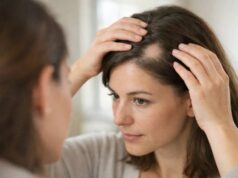
A burning scalp sensation can feel oddly specific—like warmth, stinging, tightness, or “sunburn” on the skin—yet the causes range from straightforward irritation to inflammatory skin disease and, less commonly, nerve-related pain. What makes this symptom confusing is that the scalp can burn with or without visible redness, flakes, or bumps. Hair can hide subtle rash, and some scalp nerves amplify sensation even when the surface looks normal. The upside is that a careful pattern check—where it burns, how fast it started, what products or styles changed, and whether itching, scaling, or hair shedding came along—usually narrows the list quickly. This article helps you sort common triggers, recognize red flags, and take safer first steps while you decide whether home care is enough or a clinician should take a closer look.
Quick Overview
- Removing the trigger and simplifying products often improves burning within 7–14 days when irritation is the main cause.
- Burning with scale, plaques, pus-filled bumps, or hair loss patterns is more likely to reflect an inflammatory or infectious scalp condition.
- A “burning with no rash” pattern can be nerve-related and may require a different evaluation than dandruff-style care.
- Sudden swelling, blistering, fever, spreading redness, or trouble breathing after a product exposure needs urgent assessment.
- A brief symptom log (new products, hair dye dates, hairstyles, stress, and location of pain) makes medical visits far more productive.
Table of Contents
- Why your scalp can burn
- Skin conditions that sting
- Product reactions and contact dermatitis
- Heat, friction, and environment
- Nerve-related scalp pain patterns
- When to get checked and next steps
Why your scalp can burn
A burning scalp sensation is a symptom, not a diagnosis. Clinically, it often falls into one of three buckets: surface inflammation, chemical or mechanical irritation, or nerve-driven sensitivity. Knowing which bucket you are likely in determines what helps—and what tends to make things worse.
What “burning” usually means on the scalp
People use “burning” to describe several sensations that share one theme: the scalp’s sensory nerves are signaling threat. That threat may be visible (redness, scale, bumps), or it may be microscopic (barrier disruption from over-cleansing or a leave-on product), or it may be neurologic (heightened pain signaling).
Common descriptors include:
- Stinging or prickling when water hits the scalp
- A warm, tender feeling that worsens with brushing or hats
- Tightness that feels like the scalp is “pulled”
- A sore, bruised sensation along the part line or crown
Clues that quickly narrow the cause
A few pattern questions provide outsized value:
- Timing: Did it start within minutes to hours (more suggestive of irritant exposure), or 1–3 days after a new product or hair dye (more suggestive of delayed allergy)?
- Location: Is it right at the hairline and behind the ears (common with hair dye or fragrance), in greasy areas with scale (common with seborrheic dermatitis), or in one localized patch with normal skin (sometimes nerve-related)?
- Surface signs: Flakes, greasy scale, thick plaques, pustules, or oozing push the differential toward inflammatory or infectious conditions.
- Touch sensitivity: Pain triggered by light touch (combing, pillow, hats) can occur with inflammation—but when skin looks normal, it raises the possibility of scalp dysesthesia or trichodynia-type pain patterns.
- Hair changes: Burning plus new shedding, broken hairs, or patchy loss warrants a closer look for inflammatory scalp disease.
A practical first distinction: rash versus no rash
If you can see (or feel) scale, bumps, crusting, or wetness, the safest assumption is that the scalp is inflamed, irritated, or infected and needs gentle, targeted care. If the scalp looks normal yet burns persistently, it is still real—but the plan often shifts away from “stronger dandruff shampoo” and toward a careful trigger review and, sometimes, evaluation for nerve-related sensitivity.
Skin conditions that sting
Several common scalp conditions can produce burning, especially when the skin barrier is disrupted or when scratching adds tiny breaks in the surface. The challenge is that many look similar at first glance—flakes are not always “just dandruff.”
Seborrheic dermatitis and dandruff spectrum
Seborrheic dermatitis is a chronic, relapsing inflammatory condition that favors oil-rich areas like the scalp. It can cause greasy or dry-looking scale, redness, itch, and sometimes a burning or raw feeling—especially after hot showers, vigorous scrubbing, or frequent product buildup and removal cycles. Flares often track with stress, seasonal changes, sweat, and harsh detergents. If your burning comes with recurring scale and redness around the scalp, eyebrows, or sides of the nose, it is worth comparing your pattern to seborrheic dermatitis symptoms, triggers, and shampoo options.
Scalp psoriasis and inflammatory plaques
Scalp psoriasis can sting and burn, not just itch. It may present as thick, adherent scale with well-defined red plaques, sometimes extending beyond the hairline. The scalp can feel sore after removing scale, and aggressive “scraping” often backfires by worsening inflammation and tenderness. Burning may be most noticeable at the edges of plaques or along the part line where friction concentrates.
Eczema, folliculitis, and infection patterns
- Atopic or irritant eczema can cause dry, tender patches that sting with water or hair products.
- Folliculitis (inflamed follicles) often feels sore or burning, with bumps that may be tender or pustular. Pain and “hot” tenderness that worsens over days can signal bacterial involvement.
- Fungal scalp infections are less common in healthy adults but should be considered when there is patchy scaling, broken hairs, tender nodes, or a boggy, painful area.
When hair loss and burning overlap
Burning with noticeable thinning, widening part, or patchy loss can occur for many reasons, but clinicians pay particular attention to signs of inflammation that might threaten follicles over time. If burning is paired with scalp redness, scaling around follicles, or tenderness that persists despite gentle care, it may be helpful to review signs of scalp inflammation linked to hair loss so you know what deserves faster evaluation.
Product reactions and contact dermatitis
Product reactions are one of the most frequent, most fixable causes of scalp burning—and also one of the easiest to misread. A key point: irritation and allergy are not the same, and they behave differently.
Irritant versus allergic patterns
- Irritant reactions often start quickly (minutes to hours) after exposure. The scalp may sting during application or when rinsing. Overuse of exfoliating acids, strong anti-dandruff actives, alcohol-heavy sprays, or frequent clarifying washes can contribute.
- Allergic contact dermatitis is typically delayed. Symptoms often peak 24–72 hours after exposure and can include burning, itch, swelling, oozing, or crusting—sometimes extending to the face, eyelids, ears, or neck.
If you want a clearer framework for distinguishing these patterns, how to tell hair product allergy from irritation is a useful companion, especially when your scalp reacts “mysteriously” to products you have used before.
High-risk exposures for scalp burning
Certain exposures are repeat offenders:
- Permanent hair dye and bleaching products (burning, swelling, blistering in severe reactions)
- Fragrance blends and essential oils (especially in leave-on scalp products)
- Preservatives and surfactants in shampoos and conditioners
- Hair straighteners, perms, and relaxers (chemical irritation and true burns can occur)
- Topical scalp medications and growth products (including minoxidil vehicles in some formulations)
Notably, the scalp can react even when the hair looks fine. Hair shafts are “dead fiber,” while the scalp is living skin with immune cells and nerve endings.
What to do immediately when you suspect a reaction
A simple “reset” is often safer than escalating treatments:
- Stop the newest product(s) and any leave-on actives for at least 7–10 days.
- Wash with a bland, fragrance-free cleanser and lukewarm water.
- Avoid scratching, harsh brushing, and hot tools until the sensation settles.
- If there is swelling, blistering, face or eye involvement, or rapidly worsening pain, seek urgent care.
Why patch testing is sometimes the turning point
If reactions are recurrent, unpredictable, or severe, clinician-directed patch testing can identify specific allergens so you can avoid them systematically. Without that information, many people cycle through “hypoallergenic” products that still contain their trigger.
Heat, friction, and environment
Sometimes the scalp burns not because of a disease, but because of repeated micro-stress: heat, sweat, friction, tension, and barrier wear. These triggers can also worsen underlying dermatitis, which is why addressing them often improves multiple scalp problems at once.
Hairstyles and mechanical tension
Tight ponytails, buns, braids, extensions, and heavy updos can create a pulled, sore, burning sensation—especially near the hairline and crown where tension concentrates. You may notice relief when hair is worn loose and worsening after several hours of tension. A practical rule is to avoid styles that create scalp discomfort within 30 minutes; pain is the scalp’s signal that the load is too high.
Helmets, hats, headbands, and tight hoods can also trigger burning by increasing friction and trapping heat and sweat. If burning is mostly under the band line or at pressure points, mechanical irritation is a leading suspect.
Heat styling and “over-drying” the scalp
Hot blow-drying aimed at the same spot, frequent flat-ironing near the roots, and very hot water can all compromise the scalp barrier. When the barrier is stressed, normal products may sting, and even water can feel sharp. If you notice burning on wash days or right after heat styling, reduce temperature and frequency, keep tools moving, and avoid direct high heat on the scalp skin.
Sun, chlorine, and weather extremes
A sunburned scalp can feel intensely hot and tender, often along the part line or any thinning areas. It may also flake days later, which can mimic dandruff. If this fits your story, scalp sunburn symptoms, treatment, and prevention can help you handle both the immediate discomfort and the prevention plan.
Chlorinated pools, salt water, and windy or very cold weather can dry the scalp and increase stinging—especially if you already have eczema or seborrheic dermatitis. In these settings, gentle cleansing and barrier-supportive routines matter more than “scrubbing away” flakes.
Sweat and buildup cycles
Sweat itself is not harmful, but when it dries on the scalp under occlusion (caps, wigs, heavy styling products), it can increase itching and burning. The common trap is over-correcting: frequent harsh washing and frequent dry shampoo use can create alternating irritation and buildup. If burning appears after repeated dry shampoo days, reset with gentle cleansing and reduce scalp “layers” for a week.
Nerve-related scalp pain patterns
When the scalp burns or feels sore without clear surface findings, clinicians consider nerve-driven mechanisms. These are often described with terms like scalp dysesthesia (abnormal sensation) or trichodynia (painful scalp sensation often reported alongside hair concerns). The practical point is not the label—it is that the treatment approach may differ from dandruff or dermatitis routines.
Hallmarks of nerve-sensitized scalp pain
People often report:
- Burning, tingling, crawling, or “electric” sensations
- Pain triggered by light touch (combing, resting on a pillow, wearing glasses or hats)
- Symptoms localized to one region (crown, vertex, one temple)
- Symptoms that intensify during stress, poor sleep, or headaches
- Minimal to no redness or scale on close inspection
This does not mean “it’s all in your head.” It means the sensory system can become over-protective after irritation, inflammation, muscle tension, or neurologic triggers.
Common contributors that are easy to miss
- Neck and posture strain: Sustained tension in the neck and scalp muscles can amplify scalp sensation, especially in people who clench their jaw or spend long hours with forward head posture.
- Headache and migraine overlap: Some people experience scalp tenderness and burning as part of their headache pattern.
- After a flare of dermatitis: Even when redness improves, nerves may stay “loud” for a while, especially if the scalp has been scratched or over-treated.
- Anxiety and hypervigilance: Stress can heighten pain perception and increase checking, touching, and scratching—creating a self-reinforcing loop.
If your symptoms line up with touch-triggered soreness or burning with normal-appearing skin, causes and relief strategies for scalp pain and trichodynia can help you recognize typical patterns and avoid common mistakes that keep nerves irritated.
Why strong topical treatments can backfire here
When nerves are sensitized, harsh actives can increase stinging and make the scalp feel more “raw,” even if there is no underlying rash to treat. In these cases, the most helpful steps are often boring but effective: simplifying products, minimizing friction, lowering water temperature, and addressing mechanical triggers like tight hairstyles and scalp tension.
When to get checked and next steps
Burning scalp symptoms often improve with trigger removal and gentle care, but certain patterns deserve earlier evaluation. Think in terms of urgency: emergency, prompt appointment, and watchful waiting with a plan.
Seek urgent care if any of these occur
- Rapid swelling of the face, eyelids, lips, or ears after a hair product exposure
- Blistering, weeping, severe tenderness, or a chemical burn sensation during or after dye, bleach, relaxer, or perm use
- Fever, rapidly spreading redness, pus, or a painful swollen lump that suggests infection
- Severe headache, new neurologic symptoms (weakness, confusion, vision changes), or one-sided scalp pain with concerning systemic symptoms
Book a medical visit soon if you notice
- Burning lasting longer than 2–3 weeks despite stopping obvious triggers
- Recurrent flares that follow a predictable exposure (hair dye, fragrance, a specific shampoo)
- Thick scale, plaques, or persistent redness that does not respond to gentle measures
- Painful follicle bumps, crusting, or hair breakage in patches
- Burning plus noticeable shedding, patchy hair loss, or scalp tenderness that keeps worsening
If you are unsure where your symptoms fall on the “normal annoyance versus something to worry about” spectrum, itchy scalp causes and when to worry is a helpful guide because many of the same red flags apply to burning sensations as well.
What a clinician may do at the visit
A focused scalp evaluation is usually more specific than people expect. Depending on your presentation, a clinician may:
- Examine the scalp under bright light and magnification to assess scale, redness, follicle openings, and broken hairs
- Ask about timed exposures (dye dates, new products, styling practices, medications)
- Perform a fungal test (scraping or swab), especially if there are patches or broken hairs
- Culture pustules if folliculitis is suspected
- Recommend patch testing when allergy is likely
- Consider biopsy when the diagnosis is unclear, scarring is suspected, or symptoms persist without visible cause
A safe self-care plan while you wait
- Keep water lukewarm and minimize scrubbing for 7–10 days.
- Use a simple, fragrance-free cleanser and avoid leave-on scalp products unless prescribed.
- Stop new products and “strong actives” (acids, harsh anti-dandruff rotations) until burning settles.
- Reduce mechanical stress: loosen hairstyles, limit hats and tight headwear, and avoid scratching.
- If symptoms escalate or new red flags appear, reassess sooner rather than “pushing through.”
References
- Scalp dysesthesia, more than skin deep – PMC 2022
- Trichodynia Revisited – PMC 2021
- Hair Product Allergy: A Review of Epidemiology and Management – PMC 2024 (Review)
- An Overview of the Diagnosis and Management of Seborrheic Dermatitis – PMC 2022 (Review)
- Scalp Psoriasis: A Literature Review of Effective Therapies and Updated Recommendations for Practical Management – PMC 2021 (Review)
Disclaimer
This article is for educational purposes only and does not provide medical advice, diagnosis, or treatment. A burning scalp sensation can result from irritation, allergy, inflammatory skin disease, infection, and nerve-related pain conditions, and the safest next step depends on your symptoms and medical history. Seek urgent care for rapid swelling, blistering, fever, spreading redness, severe pain, or new neurologic symptoms. If symptoms persist, recur, or are accompanied by hair loss or scalp changes, consult a licensed clinician or dermatologist for an individualized evaluation.
If you found this helpful, please share it on Facebook, X (formerly Twitter), or any platform you prefer so others can recognize scalp warning signs early and choose safer next steps.