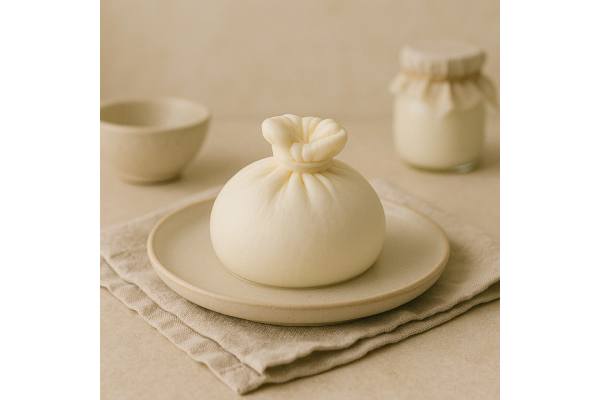
Italian burrata is indulgence wrapped in restraint: a thin mozzarella shell that releases a cool, creamy center of stracciatella (shredded mozzarella folded into cream). Originating in Puglia, burrata is prized for its delicate lactic sweetness, soft acidity, and luxurious mouthfeel. It is a fresh, high-moisture cheese that’s best eaten soon after it is made. From a nutrition standpoint, burrata supplies complete milk proteins for muscle repair and calcium for bone health, along with energy-dense dairy fats that make small portions satisfying. In the kitchen, its versatility shines—tear it over tomatoes and basil, nestle it onto warm roasted vegetables, or crown a just-baked pizza so it softens without melting away. Because it is a fresh cheese, handling and storage matter for safety and flavor. This guide offers a concise, evidence-based look at what burrata is, what nutrients it provides, realistic health benefits and risks, and smart ways to shop, store, portion, and enjoy it.
Top Highlights
- Delivers complete protein (~10–12 g/100 g) and absorbable calcium for bones and teeth.
- High in saturated fat; keep portions modest and pair with vegetables or whole grains.
- Typical serving: 50–75 g (½ small ball), 1–3 times per week in a balanced diet.
- People who are pregnant, immunocompromised, or lactose intolerant should choose pasteurized burrata and keep portions conservative.
Table of Contents
- Burrata at a Glance: What It Is and How It’s Made
- Burrata Nutrition Profile (per 100 g)
- Evidence-Based Health Benefits
- Risks, Allergies and Interactions
- Selecting, Quality, Sustainability and Storage
- Preparation, Cooking and Nutrient Retention
- Portions, Comparisons and FAQs
Burrata at a Glance: What It Is and How It’s Made
Burrata is a fresh, unripened cow’s-milk cheese developed in the early 20th century in Puglia, Italy. It belongs to the pasta filata (“stretched-curd”) family—like mozzarella and provola—yet its structure makes it unique. Cheesemakers heat curd in hot water and stretch it to create a pliable sheet of mozzarella. That sheet becomes a pouch that’s filled with stracciatella (fine shreds of mozzarella) mixed with cream. The pouch is cinched closed, creating a ball with a delicate skin and a soft, spoonable center.
Because burrata is fresh and high-moisture, it’s typically packed in whey or lightly salted brine to protect texture and flavor. The best burrata tastes clean, lactic, and slightly buttery, with a cool, custard-like interior that flows when cut. It is meant to be enjoyed as-is or with minimal adornment; heat can separate the cream and dull its sweetness.
You’ll find several formats:
- Classic cow’s-milk burrata (most common), typically 100–200 g per ball.
- Buffalo-milk burrata, richer and tangier, often pricier and seasonally limited.
- Smaller bocconcini-style burratine (individual 50–125 g balls), ideal for portion control.
Ingredient lists are short—milk, cream, rennet/enzymes, starter cultures or acidifiers, and salt. Some producers use vinegar or citric acid to acidify the curd (common in mozzarella-type cheeses). High-quality versions avoid stabilizers; fresh, local options often taste sweeter and carry less sodium than mass-market tubs.
Flavor pairing is simple: burrata loves acidity (tomatoes, citrus, balsamic), peppery bitterness (arugula, radish), and fruit (peaches, figs, berries). It’s also a natural for whole grains and legumes that balance its richness—think farro salads, grilled sourdough, or warm chickpeas. One strategic tip: serve burrata at cool room temperature to showcase aroma and silkiness; too cold mutes flavor, too hot risks weeping.
In nutrition terms, burrata is energy-dense but modestly protein-rich for a fresh cheese. Compared with hard cheeses, it’s often lower in sodium, yet higher in saturated fat per gram than many yogurts or part-skim mozzarella. Those trade-offs are manageable with portion control and smart plate building (half vegetables, a quarter whole grains, and burrata in the protein/dairy quarter).
Finally, safety: always check for pasteurized milk on the label if you’re pregnant, older, or immunocompromised, and eat burrata promptly—ideally within a few days of purchase and within 24–72 hours after opening for best quality.
Burrata Nutrition Profile (per 100 g)
How to read this profile: Values below reflect a typical cow’s-milk burrata using representative label data per 100 g. Actual brands vary due to different cream ratios, milk sources, and brine. Use the package label for precise amounts. Percent Daily Values (%DV) use U.S. labeling DVs (adults), providing context for “low” (≤5% DV) vs. “high” (≥20% DV) nutrients.
Representative nutrition (per 100 g burrata)
- Energy: ~250 kcal
- Protein: ~10.7 g (≈21% DV)
- Total fat: ~21.4 g (≈27% DV)
- Saturated fat: ~14.3 g (≈72% DV)
- Carbohydrate (mostly lactose): ~3.6 g (≈1% DV)
- Total sugars: ~0–3 g (varies by brand)
- Sodium: ~214 mg (≈9% DV)
- Calcium: ~215 mg (≈17% DV)
- Cholesterol: ~70 mg (DV not established)
Macros & Electrolytes (per 100 g)
| Nutrient | Amount | %DV | Notes |
|---|---|---|---|
| Energy (kcal) | 250 | — | Energy-dense; plan portions. |
| Protein (g) | 10.7 | 21 | Complete milk proteins (casein + whey). |
| Total Fat (g) | 21.4 | 27 | Main source of calories. |
| Saturated Fat (g) | 14.3 | 72 | Keep daily intake moderated. |
| Carbohydrate (g) | 3.6 | 1 | Primarily lactose; fiber negligible. |
| Total Sugars (g) | 0–3 | — | Label may round to 0 g; varies. |
| Sodium (mg) | 214 | 9 | Often lower than aged cheeses. |
| Potassium (mg) | ~100 | 2 | Modest; check brand. |
Fats & Fatty Acids
| Nutrient | Amount | %DV | Notes |
|---|---|---|---|
| Total Fat (g) | 21.4 | 27 | See above. |
| Saturated Fat (g) | 14.3 | 72 | Major contributor to %DV. |
| Trans Fat (g) | 0 | — | Typically 0 g in fresh cheese. |
| Added Oils | 0 | — | Burrata’s fat is dairy fat from milk/cream. |
Minerals (key contributors)
| Mineral | Amount (per 100 g) | %DV | Role |
|---|---|---|---|
| Calcium (mg) | ~215 | 17 | Bone, teeth, nerve signaling. |
| Phosphorus (mg) | ~150 | 12 | Bone mineral, energy metabolism. |
| Sodium (mg) | ~214 | 9 | Flavor and preservation. |
Allergens & Intolerance Markers
- Allergen: Milk proteins (casein and whey).
- Lactose: Typically ~1–4 g per 100 g; may be better tolerated than milk but not lactose-free.
- Histamine: Fresh cheeses usually have lower histamine than aged styles, yet sensitive individuals can still react.
Additives & Fortification
- Traditional burrata includes milk, cream, cultures/enzymes, and salt. Some labels list vinegar or citric acid to acidify curd. Fortification is uncommon. Stabilizers are rare in artisanal products.
Glycemic & Acid–Base Metrics
- Glycemic impact: Minimal because carbs are low and mostly lactose.
- Acid–base: Dairy proteins/minerals make burrata acid-forming; pair with vegetables or fruit to balance overall dietary acid load.
Notes and practical use
- Burrata’s protein-to-calorie ratio is moderate; its fat-to-calorie ratio is high.
- Compared with part-skim mozzarella, burrata trades protein density for creaminess.
- For label reading, prioritize portion size, saturated fat, sodium, and calcium.
Evidence-Based Health Benefits
1) High-quality protein for maintenance and recovery.
Burrata supplies complete proteins containing essential amino acids needed for muscle protein synthesis, immune proteins, and enzymes. A 50–75 g serving (½ small ball) typically provides 5–8 g of protein, which is enough to “anchor” a snack or to complement legumes, grains, or vegetables in a meal. Distributing protein across meals (rather than loading at dinner) supports satiety and lean mass goals.
2) Bioavailable calcium for bone and dental health.
Dairy calcium is well absorbed, and burrata contributes around 17% DV calcium per 100 g. While not the most calcium-dense dairy (hard cheeses and milk powders rank higher), burrata’s softer sodium profile compared with many aged cheeses can be helpful when managing blood pressure.
3) Cardiometabolic neutrality—when portioned and well-paired.
Modern population analyses suggest that total dairy and cheese intake are, on average, not associated with higher cardiovascular risk, and may be linked with slightly lower risk of stroke—especially when the overall diet is balanced and high in plants. What matters most is the dietary pattern: keep saturated fat within recommended limits, emphasize fiber-rich foods, and avoid ultra-processed add-ons high in sodium or added sugars. Burrata can fit this pattern as an occasional, modest portion.
4) Nutrient synergy with vegetables (better carotenoid uptake).
Burrata’s dairy fat helps the body absorb fat-soluble carotenoids (e.g., lycopene) from tomatoes and other colorful produce. Pairing burrata with ripe tomatoes or roasted peppers can increase carotenoid bioavailability, supporting a plate that is both delicious and nutritionally efficient. Practical tip: a salad with tomatoes, leafy greens, and a modest amount of dairy fat (from burrata) improves absorption more than a fat-free version; keeping total added oil modest maintains energy balance.
5) Satiety and mindful eating.
Because burrata is rich and creamy, small portions feel satisfying. When served with high-volume, low-energy-density foods (tomatoes, cucumbers, greens) and whole-grain bread, many people find they eat less overall while still feeling indulged. This can help with calorie awareness without resorting to highly restrictive rules.
Putting it together:
A heart-conscious plate could be ½ vegetables/fruit, ¼ whole grains or legumes, and ¼ protein/dairy, with burrata in that last quadrant and extra-virgin olive oil used sparingly. Season with citrus and herbs to reduce salt reliance. This balances burrata’s saturated fat with fiber, potassium, and phytonutrients.
Risks, Allergies and Interactions
Food safety (Listeria and freshness).
Burrata is a ready-to-eat fresh cheese, stored cold and eaten without further cooking—conditions where Listeria monocytogenes can persist or grow if contamination occurs. The risk is much higher in cheeses made from raw (unpasteurized) milk, but pasteurized cheeses can still pose some risk if mishandled. People who are pregnant, immunocompromised, or older adults should choose pasteurized burrata, buy from trusted cold chains, keep it at ≤4 °C (≤40 °F), and consume it promptly. Discard if it smells sour, yeasty, or looks slimy.
Saturated fat and sodium.
Burrata is high in saturated fat (≈72% DV per 100 g). If you’re managing LDL cholesterol or overall cardiovascular risk, keep portions small (50–75 g), balance the day’s saturated fat across meals, and lean on olive oil, nuts, and fish for unsaturated fats. Sodium is moderate (≈9% DV per 100 g) but can add up with salty accompaniments (prosciutto, bread, olives); favor herbs, citrus, and pepper.
Allergy and lactose intolerance.
Burrata contains milk proteins (casein, whey) and lactose. People with milk allergy should avoid it entirely. Those with lactose intolerance may tolerate small portions (especially with other food), but symptoms vary; start with 25–50 g and assess comfort. Enzyme tablets (lactase) may help.
Medication and nutrient interactions.
- Tetracyclines and some quinolones: Calcium can reduce absorption of these antibiotics. If prescribed, separate burrata and medication by 2–4 hours (follow pharmacist guidance).
- ACE inhibitors or potassium-sparing diuretics: Burrata’s potassium is low; however, watch whole-diet potassium if using tomato-heavy sides.
- Chronic kidney disease (CKD): Burrata’s phosphorus and sodium may warrant limiting intake—discuss with a renal dietitian.
Special populations.
- Pregnancy: Use pasteurized only; maintain strict refrigeration; eat promptly after opening.
- Immunocompromised/older adults: Prefer pasteurized, buy close to the “use by” date, and avoid products that sat unrefrigerated at markets.
- Children under 5: Pasteurized only; keep portions small due to saturated fat density.
Spoilage cues and when to discard.
Off odors (sour, yeasty), curd separation into watery cream, or a pink/orange hue indicate spoilage; discard the whole container.
Selecting, Quality, Sustainability and Storage
How to choose quality burrata
- Ingredient list: Look for milk/cream, cultures/enzymes, salt. Vinegar or citric acid is acceptable; avoid unnecessary stabilizers.
- Milk treatment: If you’re pregnant or immune-vulnerable, choose pasteurized milk clearly labeled.
- Liquid: Clear whey or brine with a clean dairy aroma; cloudy, slimy, or sour liquid is a red flag.
- Ball integrity: A smooth, elastic shell with a soft but not runny feel when chilled; excessive leaking suggests age or temperature abuse.
- Size: Smaller burratine (50–125 g) simplify portion control and reduce leftovers.
Flavor and style options
- Cow’s-milk vs buffalo-milk: Buffalo-milk burrata is richer and tangier with a denser cream.
- Local vs imported: Fresher is often better; local options minimize transit time, potentially improving safety and taste.
Sustainability tips
- Buy local/seasonal when possible to reduce transport emissions and support small dairies.
- Packaging: Choose recyclable tubs; drain brine into the sink—don’t compost.
- Food waste: Plan menus so an opened ball is eaten within 1–3 days; consider burratine to cut waste.
Storage and handling
- Refrigeration: Store at ≤4 °C (≤40 °F) and keep submerged in its whey/brine if provided.
- Shelf life: Unopened, follow the “use by” date; once opened, use within 24–72 hours for best quality.
- Temperature for serving: Remove from the fridge 20–30 minutes before eating to bring to cool room temperature (not warm).
- Freezing: Not recommended—ice crystals disrupt the delicate texture; if you must, expect a grainier center and cook rather than serve fresh.
- Travel: Use an insulated bag with ice packs; keep total time above 4 °C under 2 hours.
Food safety checklist
- Buy from reputable retailers with cold cases below 4 °C.
- Keep sealed in original liquid until use.
- Always use clean utensils; avoid double-dipping.
- When in doubt, throw it out.
Preparation, Cooking and Nutrient Retention
Best serving temperature: burrata is at its aromatic peak just below room temperature. Take it out of the refrigerator 20–30 minutes before serving; keep it on a clean plate, not in direct sun or near heat.
How to plate burrata (step-by-step)
- Drain gently and pat the exterior dry.
- Set on a platter and score the top with a shallow X.
- Tear open to let the stracciatella center spill out.
- Season lightly: a pinch of salt, freshly cracked pepper, and a few drops of extra-virgin olive oil (optional).
- Add acidity: ripe tomatoes, a spoon of salsa verde, a squeeze of lemon, or a drizzle of balsamic reduction.
- Finish with herbs: basil, mint, or chives.
Three quick ideas
- Burrata with late-summer tomatoes: Tomatoes, basil, a few capers or olives, and ½ ball of burrata. The fat aids carotenoid uptake, while the vegetables add fiber and potassium.
- Roasted vegetable platter: Warm zucchini, peppers, and fennel with lemon zest and chili; nestle burrata on top right before serving.
- Grain bowl: Farro or barley, arugula, grilled peaches, toasted almonds; dot with torn burrata and a splash of sherry vinegar.
Cooking without losing quality
- On pizza: Bake the crust with sauce, add burrata after baking, and return to the turned-off oven for 1–2 minutes to soften.
- With pasta: Toss hot pasta with vegetables and olive oil, then top with burrata off the heat.
- On toast: Spread roasted tomatoes or pesto on grilled bread; add burrata at the table.
Nutrient retention notes
- Protein and calcium are heat-stable in typical kitchen use.
- Prolonged high heat can separate the cream and create an oily film; gentle warming preserves texture.
- Pairing with vegetables improves the overall nutrient profile—more fiber, vitamin C, potassium, and carotenoids—while keeping portion sizes of burrata reasonable.
Sodium and fat management
- Use herbs, citrus, pepper, and vinegars to increase perceived saltiness and brightness without adding much sodium.
- Keep olive oil modest; burrata already provides ample fat for flavor and mouthfeel.
Portions, Comparisons and FAQs
Practical portions
- Everyday portion (most adults): 50–75 g (½ small ball), as part of a meal abundant in vegetables and whole grains.
- Frequency: 1–3 times per week fits many balanced diets, especially when the rest of the day’s saturated fat is modest.
- Athletes or higher-energy needs: Can include larger amounts, but consider protein density—pair with legumes or lean proteins to reach targets without excess saturated fat.
How burrata compares (typical values per 100 g)
(Representative averages; check brand labels.)
| Cheese | Calories | Protein (g) | Total Fat (g) | Saturated Fat (g) | Sodium (mg) | Calcium (mg) |
|---|---|---|---|---|---|---|
| Burrata (cow’s-milk) | ~250 | ~10–12 | ~21–23 | ~13–15 | ~180–250 | ~200–230 |
| Fresh mozzarella (whole-milk) | ~280–300 | ~21–23 | ~22–24 | ~12–14 | ~200–600 | ~250–300 |
| Ricotta (whole-milk) | ~170–180 | ~11 | ~13 | ~8 | ~80–120 | ~250 |
| Cream cheese | ~340 | ~7 | ~34 | ~20 | ~300–450 | ~90 |
FAQs
Is burrata “healthy”?
It can be part of a healthy pattern when portioned sensibly and balanced with plants and whole grains. It provides complete protein and calcium, but is high in saturated fat, so the rest of your diet should emphasize unsaturated fats and fiber.
Can I eat burrata during pregnancy?
Yes—only if it’s pasteurized, kept cold, and eaten promptly. Avoid any product made from raw milk and discard if the smell or texture seems off.
Is burrata lactose-free?
No. It contains lactose, though often less than milk per portion. Tolerance varies; try small servings with other foods.
What’s the best way to serve leftovers?
Keep submerged in its liquid, tightly covered in the coldest part of the fridge, and use within 1–3 days. Do not freeze if you care about texture.
Substitutes for burrata?
Fresh mozzarella (milder, firmer), stracciatella (the inner cream-shred mixture, if available), or a dollop of whole-milk ricotta for a lighter option.
Any tips to keep sodium and saturated fat in check?
Portion to 50–75 g, pair with vegetables and whole grains, season with acids and herbs instead of extra salt, and keep other high-sat-fat foods modest the same day.
References
- A global analysis of dairy consumption and incident cardiovascular disease | Nature Communications 2025 (Systematic Review and Meta-analysis)
- Lycopene: A Critical Review of Digestion, Absorption, Metabolism, and Excretion 2021 (Systematic Review)
- Listeria (Food Safety for Moms-to-Be) | FDA 2025 (Guidance)
- Daily Value on the Nutrition and Supplement Facts Labels 2024 (Guidance)
- Nutrition Facts for Belgioioso Cheese, Inc. – Burrata Fresh Mozzarella Cheese Filled With Shreds Of Mozzarella Soaked In Cream, Burrata Fresh Mozzarella 2024 (USDA-derived Branded Entry)
Disclaimer
This article provides general nutrition and food safety information for educational purposes and is not a substitute for personalized medical advice, diagnosis, or treatment. Always consult your healthcare provider or a registered dietitian for guidance tailored to your health status, medications, and goals—especially if you are pregnant, immunocompromised, have a chronic condition, or require a therapeutic diet. If you suspect a foodborne illness, seek medical care promptly.
If you found this guide helpful, please consider sharing it on Facebook, X (formerly Twitter), or anywhere you connect with others. Your support helps us continue creating clear, reliable nutrition content.