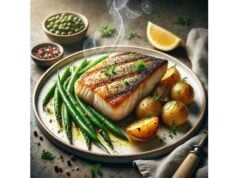
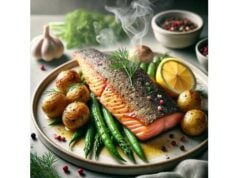
Butterfish is a catch-all name with more than one meaning. In North America, it often points to the true American butterfish (Peprilus triacanthus), a small, delicate, mildly sweet fish that cooks in minutes. In other places, “butterfish” appears on menus as a nickname for richer species such as escolar or oilfish, prized for a silky mouthfeel but known for digestive side effects when overconsumed. Understanding which “butterfish” you are buying matters for taste, nutrition, and safety. True butterfish is lean-to-moderate in fat, high in protein, and a good source of selenium, B-vitamins, and marine omega-3s. Escolar and oilfish, by contrast, are extremely oily due to natural wax esters that many people cannot digest. This guide explains the differences, gives a complete per-100-gram nutrition view, summarizes evidence-based benefits, and offers practical advice for choosing, storing, and cooking the fish you actually want—so you get the buttery texture without surprises at the table.
Key Takeaways
- Butterfish provides lean-to-moderate fat protein with selenium, B12, niacin, and omega-3s.
- A standard cooked portion is 85–115 g (3–4 oz), enjoyed 2–3 times weekly in a varied seafood rotation.
- “Butterfish” may mean escolar or oilfish in some markets; these can cause oily diarrhea if eaten in large amounts.
- People who are pregnant, breastfeeding, or feeding young children should follow national fish-serving guidance and choose lower-mercury species more often.
Table of Contents
- Butterfish Types and Taste
- Butterfish Nutrition Profile
- Evidence-Based Health Benefits
- Risks, Allergies and Interactions
- Selecting Quality Sustainability and Storage
- Preparation Cooking and Nutrient Retention
- Portions Comparisons and FAQs
Butterfish Types and Taste
Butterfish earns its name from a tender texture that stays juicy with quick heat. Yet the label hides two very different eating experiences:
1) True butterfish (American butterfish, Peprilus triacanthus)
This is a small Atlantic species, sometimes sold whole or as petite fillets. The taste is mild and just a little sweet—closer to flounder or sole than to mackerel. The flesh is pale, fine-flaked, and forgiving if you cook it hot and fast. Because the fillets are thin, they sear and turn opaque in minutes. Think quick weeknight meals, crisp edges, lemon, herbs, and a touch of butter or olive oil. Nutritionally, it’s a high-protein seafood with moderate fat and modest omega-3s.
2) “Butterfish” as a menu nickname for escolar or oilfish
In many countries, escolar (Lepidocybium flavobrunneum) and oilfish (Ruvettus pretiosus) are marketed under friendlier names—white tuna, rudderfish, walu, or simply “butterfish”—because of their luxurious, buttery mouthfeel. That texture comes from wax esters: natural fats that humans don’t digest well. A small portion tastes rich; a large one may cause orange, oily stools (keriorrhea) in the hours after eating. These fish are safe when sourced and served properly, but portion control and clear labeling are crucial. If a restaurant lists “butterfish,” ask for the scientific name to know which species you’re getting.
Flavor and culinary roles
- True butterfish: best with gentle seasoning; shines in pan-sears, broiling, or light breading. Its neutral flavor accepts Mediterranean (lemon-caper), East Asian (ginger-scallion), or Latin (ají-citrus) profiles.
- Escolar/oilfish labeled as butterfish: richer and more steak-like; suits high-heat searing, grilling, or sashimi/crudo when parasite controls and cold chain are impeccable. Because of the intense richness, pair with acidity (citrus, pickled vegetables) and keep portions small.
Why the confusion matters
Beyond taste, the species determine your nutrition (lean vs very high fat), safety (risk of wax-ester intolerance), and sustainability. For weekly meal planning, treat true butterfish like a mild, quick-cooking white fish; treat escolar and oilfish as indulgent, small-portion choices you eat occasionally.
Bottom line: Learn the names. When buying or ordering, confirm whether “butterfish” refers to Peprilus (true butterfish) or to wax-ester-rich escolar/oilfish. Your mealtime—and your stomach—will thank you.
Butterfish Nutrition Profile
How to read this section. Values below reflect cooked fish per 100 g (dry-heat) to keep comparisons simple. Actual numbers vary with species, season, and cut. Because “butterfish” may indicate different species in the market, two profiles are shown: (A) true American butterfish (Peprilus triacanthus), and (B) escolar/oilfish commonly mislabeled as butterfish. %DV uses current U.S. Daily Values for adults and children ≥4 years. Where no official %DV exists, the column shows “—.”
A) True Butterfish (Peprilus triacanthus) — per 100 g cooked
| Nutrient (unit) | Amount | %DV |
|---|---|---|
| Energy (kcal) | ~185–195 | — |
| Protein (g) | ~22.0–23.0 | 44–46% |
| Total Fat (g) | ~9.5–10.5 | 12–13% |
| Saturated Fat (g) | ~2.5–3.0 | 13–15% |
| Carbohydrate (g) | 0 | 0% |
| Sodium (mg) | ~70–120 | 3–5% |
| Potassium (mg) | ~350–450 | 7–10% |
| Cholesterol (mg) | ~70–85 | — |
Vitamins
| Vitamin | Amount | %DV |
|---|---|---|
| Vitamin B12 (µg) | ~2.0–3.0 | 83–125% |
| Niacin (B3, mg) | ~7–12 | 44–75% |
| Vitamin B6 (mg) | ~0.3–0.5 | 18–29% |
| Vitamin D (µg, IU) | ~2–5 (80–200 IU) | 10–25% |
| Riboflavin (B2, mg) | ~0.1–0.2 | 8–15% |
Minerals
| Mineral | Amount | %DV |
|---|---|---|
| Selenium (µg) | ~35–55 | 64–100% |
| Phosphorus (mg) | ~220–260 | 18–21% |
| Magnesium (mg) | ~25–35 | 6–8% |
| Iron (mg) | ~0.8–1.2 | 4–7% |
| Zinc (mg) | ~0.5–0.8 | 5–7% |
| Iodine (µg) | variable (~25–50) | 17–33% |
Fats and Fatty Acids
| Component | Amount | %DV |
|---|---|---|
| Omega-3 EPA + DHA (g) | ~0.3–0.7 | — |
| Omega-6 (g) | ~0.05–0.1 | — |
Context: True butterfish is moderate in total fat and contributes omega-3s, though less than very oily species like salmon or sardines.
B) Escolar or Oilfish (often sold as “butterfish”) — per 100 g cooked
| Nutrient (unit) | Amount | %DV |
|---|---|---|
| Energy (kcal) | ~200–260 | — |
| Protein (g) | ~18–21 | 36–42% |
| Total Fat (g) | ~16–25 | 21–32% |
| Saturated Fat (g) | ~4–6 | 20–30% |
| Carbohydrate (g) | 0 | 0% |
| Sodium (mg) | ~60–120 | 3–5% |
What’s different here? Much of the “fat” in escolar/oilfish is wax esters (sometimes called gempylotoxins). Humans absorb these poorly; large servings can cause transient oily stools. Omega-3s are present but proportionally lower than the striking total fat suggests.
Allergens and Intolerance Markers
- Finfish allergen: All species listed are finfish allergens. People with finfish allergy should avoid unless cleared by an allergist.
- Wax-ester intolerance (escolar/oilfish): Some individuals develop oily diarrhea (keriorrhea) after modest servings; see Risks section.
Contaminants/Residues (context)
- Mercury: True butterfish are small and typically lower in mercury than long-lived predators; escolar/oilfish levels vary by catch. Follow national fish-serving guidance, especially for pregnancy and childhood.
- Histamine: Less of a concern for true butterfish; any fish held warm too long can form histamine. Reputable cold chain mitigates this.
Glycemic & Acid–Base
- Carbohydrates: None—glycemic impact is negligible.
- Acid–base: Slightly acid-forming due to protein; balance plates with vegetables and whole grains.
Footnote: Processed products (cured, smoked, or seasoned) can raise sodium substantially; check labels. Nutrient ranges reflect variability across databases and species.
Evidence-Based Health Benefits
1) High-quality protein for satiety and maintenance
Per 100 g cooked, true butterfish provides roughly 22–23 g of complete protein. That’s enough to anchor a balanced meal and contribute to per-meal protein targets often recommended for active adults and older adults seeking to maintain muscle (commonly ~25–35 g). Protein has a higher thermic effect than carbohydrates or fats and supports satiety—useful in calorie-aware meal plans. Escolar and oilfish also supply substantial protein, though their total fat and digestive tolerance profiles differ.
2) Micronutrients that matter
Butterfish delivers selenium (a cofactor in antioxidant enzymes), phosphorus (for bone and energy metabolism), and B-vitamins—especially B12 and niacin—for red-blood-cell formation and cellular energy reactions. Many diets fall short on these micronutrients; fish can help close the gap without adding carbohydrates. True butterfish brings these in a lean-to-moderate fat package; if you’re eating escolar/oilfish, pair small portions with fiber-rich sides to keep overall meals balanced.
3) Omega-3 contribution
Although not the richest source, butterfish contributes EPA and DHA—marine omega-3s linked with lower triglycerides and beneficial effects on heart rhythm. You can reach general omega-3 goals more easily by rotating species through the week (e.g., one meal of true butterfish, another of salmon or sardines). Think “pattern,” not a single superfood: variety evens out nutrients, flavors, and environmental footprints.
4) Better swaps over time
Replacing some red or processed meats with fish can improve the overall quality of dietary fat (more unsaturated, fewer saturated), while preserving protein. If you enjoy the indulgent texture of “butterfish” on a menu, consider sticking to modest portions and pairing them with vegetables and whole grains. For everyday meals, true butterfish or other leaner species can deliver similar satiety with fewer calories.
5) Culinary flexibility supports healthy eating
Thin, quick-cooking fillets invite weeknight consistency. In behavior change, the simplest meal that you’ll actually cook often wins. A routine of pan-seared butterfish with lemon and a vegetable side can be finished in under 15 minutes. For those who enjoy Japanese flavors, bonito-style broths (from other fish) or aromatic miso glaze complement butterfish’s mildness without relying on heavy sauces.
6) Family-friendly fish
Mild flavor, few pin bones after filleting, and small portion sizes make true butterfish approachable for children and fish-hesitant adults. Follow age-appropriate serving sizes and choose lower-mercury species more often for pregnancy and early childhood.
What not to expect
Fish is not a cure-all. Heart and metabolic benefits show up when seafood is part of a broader pattern: vegetables, whole grains, legumes, nuts, and limited ultra-processed foods. If your main goal is maximizing omega-3s, build in richer fish (salmon, sardines, trout) alongside butterfish during the week.
Risks, Allergies and Interactions
Species confusion and wax esters
When “butterfish” means escolar or oilfish, the main safety issue is wax esters—natural fats that many people can’t digest. A modest portion may pass without incident; a larger one can cause keriorrhea, an orange, oily rectal discharge that can appear within hours and last a day or two. Symptoms can include abdominal cramping, nausea, or headache. It’s unpleasant but typically self-limited. Practical prevention is straightforward: (1) verify the species before ordering or buying; (2) keep portions small (for most adults, limiting escolar/oilfish to ~60–120 g cooked at a time), and (3) don’t eat large amounts on an empty stomach.
Mercury and serving guidance
Mercury accumulates up the food chain. True butterfish are small and usually have lower levels than long-lived predators, but actual concentrations vary by catch area. General guidance for most adults is two to three seafood meals per week from a variety of lower-mercury choices. Sensitive groups—people who are pregnant, may become pregnant, are breastfeeding, and young children—should follow national fish-serving charts, which specify weekly ounces and list species by mercury category. Rotating species and buying from reputable suppliers are simple ways to minimize risk while getting the benefits of seafood.
Histamine (scombroid) illness
Any fish held too warm for too long can form histamine as bacteria act on amino acids in the flesh. Histamine is not destroyed by cooking. Reputable handling—rapid chilling at catch, continuous cold chain, proper storage—prevents this. Symptoms (flushing, headache, hives, palpitations) usually begin within minutes to hours of eating affected fish and typically resolve within a day. Buy from sellers with excellent temperature control; reject fish with sharp, peppery, or ammonia-like odors.
Parasites in raw or undercooked fish
Marine fish can harbor nematodes (e.g., Anisakis). If you plan to serve raw preparations (crudo, sashimi), purchase fish from suppliers who follow parasite-kill freezing protocols. At home, cook fish until it reaches 63 °C (145 °F) or until the flesh is opaque and flakes easily.
Allergy and intolerance
Finfish allergy can cause hives, wheeze, or anaphylaxis and often persists into adulthood. If you have a diagnosed fish allergy—or react to related species—avoid butterfish and products made from it. Separately, individuals with histamine intolerance may react to aged or mishandled fish; extra attention to freshness and cold chain can help. For those prone to gout, note that fish proteins contribute purines; discuss personalized limits with your clinician.
Sodium in processed products
Fresh fish is naturally low in sodium. Cured, smoked, and seasoned products can be salty; read labels if you are tracking sodium for blood pressure goals.
Medication and condition considerations
- Anticoagulants/antiplatelets: Typical intakes from 2–3 fish meals weekly are compatible with these medications; very high omega-3 supplement doses warrant medical oversight.
- Thyroid conditions: Fish contributes iodine; coordinate intake with your care team if you have iodine-sensitive conditions.
Take-home: Verify species, buy from trusted sources that keep fish cold, cook (or freeze for raw preparations) properly, and follow serving guidance—these simple steps minimize risk and preserve the reasons to enjoy fish.
Selecting Quality Sustainability and Storage
Ask the right question first
Because “butterfish” may mean different species, start with: “What is the scientific name?” If it’s Peprilus triacanthus (true butterfish), proceed as you would with other mild white fish. If it’s escolar or oilfish, plan for small portions and rich flavor. Written labels aren’t always clear—especially at restaurants—so ask.
Freshness cues (apply to all species)
- Look: Moist, translucent fillets; whole fish with bright, clear eyes and shiny, tight skin.
- Smell: Clean sea aroma; avoid sharp, peppery, or ammonia smells (possible histamine/spoilage).
- Touch: Flesh should spring back; mushiness suggests poor handling or age.
- Color: True butterfish is pale; escolar/oilfish is off-white to creamy—both should look fresh, not browning.
Sustainability snapshot
- True butterfish: Often bycatch or regionally targeted with small-scale gear. Check regional advisories and fishery status where you shop.
- Escolar/oilfish: Caught in deep waters; look for traceable supply chains. Some retailers avoid these species due to labeling confusion and consumer tolerance issues.
- Better choices by context: If your priority is omega-3s and sustainability, rotate in salmon, sardines, mackerel, trout, and mussels—species with strong nutrition and management records.
Storage and handling
- Transport and fridge: Keep fish at ≤4 °C (≤40 °F) and use within 24–48 hours. Store on a rack over ice so meltwater drains.
- Freezing: Vacuum-seal or tightly wrap; freeze at −18 °C (0 °F). For best quality, use within 2–3 months. Thaw in the refrigerator overnight or under cold running water in sealed packaging.
- Leftovers: Refrigerate within 2 hours after cooking; eat within 2–3 days. Reheat gently to avoid drying out.
- Raw preparations: For crudo or sashimi, buy fish processed under parasite-kill protocols; thaw just before serving and keep cold.
Quality troubleshooting
- Fishy odor after cooking: Suggests older product; start with fresher fish and use acid (lemon, vinegar) at the end to brighten.
- Texture too soft: Over-marination in acid can “cook” thin fillets; marinate briefly (≤30 minutes) or season just before heat.
- Oily mouthfeel (escolar/oilfish): That’s normal from wax esters; keep portions small and pair with acidic sides.
Buying tips for menu diners
If a menu lists “butterfish,” politely ask: *“Is this *Peprilus* or escolar/oilfish?”* If the server isn’t sure, choose another dish or request a small portion. For sensitive guests, steer toward lower-mercury, well-managed options like salmon, trout, sardines, or farmed mussels.
Preparation Cooking and Nutrient Retention
True butterfish: quick, gentle, flavorful
Because the fillets are thin and fine-flaked, high heat for a short time preserves moisture. Here are reliable, nutrition-friendly methods:
- Crispy pan-sear (6–10 minutes total):
Pat dry, season with salt, pepper, and paprika or lemon zest. Heat a thin sheen of oil in a skillet until shimmering. Cook fillets 2–3 minutes per side until just opaque. Finish with lemon and herbs. This method retains protein and minerals while using minimal added fat. - Broil or roast (8–12 minutes):
For slightly thicker pieces or whole fish, broil on the top rack or roast at 220 °C (425 °F). Brush with olive oil, add garlic and parsley, and roast until flakes separate. Capture pan juices to preserve water-soluble B-vitamins—drizzle back when serving. - Air-fryer crunch (7–9 minutes):
Lightly coat with fine cornmeal or whole-grain breadcrumbs; mist with oil and cook at 200 °C (400 °F), flipping halfway. You’ll get crisp edges with little oil. - Poach (10–12 minutes):
Simmer gently in court bouillon or tomato-herb broth. Poaching avoids high-heat oxidation and keeps delicate fillets moist—especially helpful for meal prep.
Escolar or oilfish sold as “butterfish”: cook thoughtfully
- Portion control: Serve small portions—for most adults 60–120 g cooked—especially if you don’t know your tolerance to wax esters.
- High-heat sear: Sear briefly to develop flavor without rendering excessive oil.
- Acidity and balance: Brighten with citrus, pickles, or tomato to cut richness; add fiber-rich sides to balance calories.
Retaining what matters
- Protein and minerals are stable across methods; aim for doneness (opaque, flakes easily) without overcooking.
- Omega-3s are heat-sensitive; short cooking times and avoiding prolonged deep-frying help preserve them.
- Sodium rises with brines, smoked products, and premade sauces. Rely on herbs, spices, citrus, and umami-rich vegetables (mushrooms, tomatoes) to season without excess salt.
Simple sauces that stay light
- Lemon-caper-parsley pan sauce (deglaze with water or low-sodium stock).
- Miso-ginger glaze (brush, broil briefly; season at the end).
- Romesco or salsa verde (serve on the side so each person controls the amount).
Leftovers that work
Flake cooked butterfish into grain bowls with roasted vegetables and a citrus-tahini drizzle; fold into tacos with cabbage slaw and yogurt-lime sauce; or mix with white beans, herbs, and olive oil for a protein-rich salad.
Portions Comparisons and FAQs
Portion guidance
- Adults: 85–115 g cooked (3–4 oz) per serving, 2–3 times weekly as part of varied seafood.
- Children: Age-appropriate serving sizes (often 28–85 g cooked depending on age and appetite) and species choices that follow national guidance.
- Pregnancy and breastfeeding: Choose lower-mercury species most often, and follow weekly ounce limits set by national authorities. Escolar and oilfish are best treated as occasional, small-portion indulgences due to wax esters.
How does butterfish compare with other fish?
- True butterfish vs salmon: Butterfish is leaner with fewer omega-3s; salmon delivers more EPA/DHA per bite and more vitamin D.
- Butterfish vs cod/sole: Similar mildness; butterfish has a slightly richer texture and more fat.
- Butterfish vs sardines: Sardines are stronger tasting but far higher in omega-3s and (if bones are eaten) calcium.
- Butterfish vs escolar/oilfish: Escolar feels richer due to wax esters; keep portions small to avoid GI effects.
Is butterfish low in mercury?
True butterfish are small and generally lower in mercury than large predatory fish. Levels vary by catch; rotating species and following national serving charts keeps exposure low while retaining the benefits of seafood.
Can I eat “butterfish” raw?
If it is true butterfish, raw service is uncommon because fillets are thin and delicate; cook briefly for best texture. If it is escolar/oilfish, reputable suppliers may serve it raw where permitted—but portion control is key, and parasite-kill freezing protocols must be followed.
I had oily orange stools after a “butterfish” dinner—what happened?
You likely ate escolar or oilfish. The orange oil is undigested wax esters (keriorrhea). Symptoms typically resolve within a day or two. If you choose to eat these fish again, keep portions small and avoid pairing with other high-fat foods at the same meal.
What should I ask at restaurants?
“Is this Peprilus triacanthus, or is it escolar/oilfish?” If it’s escolar/oilfish, consider a small tasting portion or choose another dish—especially if you’re pregnant, breastfeeding, serving young children, or planning a long trip after dinner.
Can I enjoy butterfish and still meet omega-3 goals?
Yes—by variety. Use butterfish for lean protein on one night and choose richer omega-3 sources (salmon, trout, sardines) on other nights. Nuts and seeds (walnuts, chia, flax) add alpha-linolenic acid (ALA) but do not replace EPA/DHA from fish.
Sample 1-week seafood rotation
- Mon: Pan-seared true butterfish, lemon-caper parsley, farro, and green beans.
- Thu: Baked salmon with dill-yogurt sauce and roasted carrots.
- Sat: Sardine-tomato pasta with olives and arugula.
References
- Advice about Eating Fish 2024 (Guideline)
- Fish and Fishery Products Hazards and Controls Guidance 2022 (Guidance)
- Chapter 6: Natural Toxins 2019 (Guidance)
- Escolar oilfish 2024 (Public Health Advisory)
- USDA FoodData Central 2025 (Database)
Disclaimer
This article is for general education and is not a substitute for personalized medical or nutrition advice. Fish choices and serving frequencies should reflect your health status, life stage, medications, and local guidance. If you are pregnant, breastfeeding, feeding young children, have a finfish allergy, or have specific medical concerns such as gout or histamine intolerance, consult a qualified clinician or registered dietitian before changing your diet. If you experience symptoms after eating fish—such as flushing, hives, wheezing, or oily orange stools—seek medical care as needed.
If this guide helped you, please consider sharing it on Facebook, X (formerly Twitter), or any platform you prefer. Your support helps us continue creating clear, practical nutrition content.