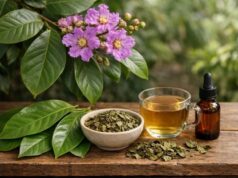
Butterfly weed (Asclepias tuberosa) is a bright, drought-tolerant North American wildflower best known in gardens for supporting pollinators—and in herbal traditions for its root, often called “pleurisy root.” Historically, practitioners used the dried root to support lung comfort during tight, dry coughs and chest irritation, especially when symptoms came with low-grade fever or a feeling of “stuck” congestion. The plant’s bitter, resinous constituents and naturally occurring steroid-like glycosides help explain why it earned a reputation as a warming, circulation-supportive herb that can encourage gentle sweating and easier expectoration.
At the same time, butterfly weed belongs to the milkweed family, a group associated with cardiac glycosides. That link makes safety and dosing especially important: benefits are mostly based on traditional use and limited laboratory insights, not modern clinical trials. If you are considering butterfly weed, the most practical approach is conservative, short-term use, careful product selection, and clear “stop” rules if side effects appear.
Essential Insights
- Traditionally used for dry, tight coughs and chest discomfort, especially when symptoms feel “stuck.”
- Typical adult decoction range is 1–4 g dried root per day for short-term use.
- Avoid if pregnant or breastfeeding, or if you take digoxin or other heart rhythm medicines.
- Stop if nausea, dizziness, slow pulse, or vision changes occur and seek medical advice.
Table of Contents
- What is butterfly weed?
- Key compounds and actions
- Does it help respiratory comfort?
- How people use it today
- How much and how long?
- Safety and who should avoid
- What research actually shows
What is butterfly weed?
Butterfly weed is a perennial herb native to much of the United States and southern Canada. It’s sometimes called orange milkweed, butterfly milkweed, or pleurisy root. Unlike some milkweeds that ooze thick white latex, butterfly weed often produces little latex and may exude a clearer sap when cut. Still, it is closely related to other milkweeds and shares some important chemical themes, which matters for safety.
In herbal practice, the root is the main medicinal part. The above-ground plant is valued ecologically (pollinators and habitat), while the root has been used historically as a respiratory-support herb. Older records describe its use for pleurisy and chest inflammation, as well as for bronchial discomfort and “tight” cough patterns. That history is also why “pleurisy root” appears on many product labels, even when the product name does not mention butterfly weed.
A practical point for readers: harvesting the root usually kills the plant. If you are buying butterfly weed products, look for cultivated, responsibly sourced material rather than wild-dug roots. If you grow it, prioritize the plant’s garden role and use commercial preparations if you need the root for traditional purposes.
Identification also matters. “Milkweed” is a broad term. Different Asclepias species can vary in their latex content and in the types and amounts of steroid glycosides present. Confusing butterfly weed with a higher-latex milkweed is not just a gardening mistake—it can change the risk profile. When purchasing, choose products that specify Asclepias tuberosa on the label and provide basic quality details such as plant part (root), extraction ratio (for tinctures), and batch testing where available.
Finally, keep expectations grounded. Butterfly weed is not a stand-alone treatment for pneumonia, asthma attacks, or serious infection. Think of it as a traditional, symptom-focused option that may support comfort in mild, short-term situations—best used alongside evidence-based medical care when needed.
Key compounds and actions
Butterfly weed’s traditional reputation centers on two broad categories of constituents: bitter-resin compounds that can stimulate secretions and circulation, and steroid-like glycosides that help explain both potential effects and cautions.
Steroid glycosides and why they matter
Milkweeds are associated with cardiac glycosides (often called cardenolides), a group known for digitalis-like activity in sensitive systems. Some sources suggest butterfly weed contains lower levels of “classic” cardenolides than certain relatives, yet it can contain related steroid glycosides (including pregnane-type glycosides). Functionally, these compounds are important because cardiac glycosides can interact with the sodium-potassium pump (Na+/K+-ATPase), a core cellular mechanism involved in nerve signaling, fluid balance, and heart muscle contraction. This is one reason milkweed-family plants have a long-standing “use with respect” rule in traditional materia medica.
Polyphenols and supportive plant chemistry
Like many medicinal roots and herbs, butterfly weed also contains polyphenols (such as flavonoid-like compounds and phenolic acids), plus saponin-like constituents and resins. These compounds often show antioxidant or soothing activity in laboratory models, which may help explain why butterfly weed was historically used for inflamed, irritated tissues. However, lab activity does not automatically translate to clinical benefit in humans—especially when dosing, preparation, and absorption vary widely.
How the traditional actions fit together
Older herbal descriptions often use terms like diaphoretic (encouraging gentle sweating), expectorant (supporting mucus clearance), and antispasmodic (relaxing spasm-like tightness). In practical language, that cluster points to an herb used when the chest feels tight, breathing feels constrained, and cough is dry or irritating—particularly when fever or chills are present.
Here is a grounded way to interpret these actions:
- Bitter stimulation: Bitter roots can promote salivation and digestive secretion, which sometimes correlates with a “loosening” effect on stuck mucus patterns.
- Warming circulation support: Traditional diaphoretics are often used early in colds to support comfort when the body feels “blocked” from normal sweating.
- Irritation awareness: The same resinous and glycoside-rich chemistry that may support traditional effects can also irritate the stomach or interact with medications.
If you remember one thing from the chemistry: butterfly weed’s profile is why dosing should be conservative and why it is not a casual “sip all day” tea for most people.
Does it help respiratory comfort?
Butterfly weed’s main claim to fame in herbal medicine is respiratory support—especially chest discomfort with dry, tight coughing. Traditional practitioners used it when breathing felt restricted, cough was unproductive or painful, and the overall picture suggested irritation of the lungs or pleura (the lining around the lungs). This is where the common name “pleurisy root” comes from.
Situations where people commonly consider it
Butterfly weed is most often discussed for:
- Dry, tight cough that feels uncomfortable in the chest
- Chest “stuckness” where mucus is present but hard to move
- Early cold or flu discomfort with mild fever or chills, when gentle sweating is desired
- Irritated breathing where spasm-like tightness is part of the symptom picture
In modern terms, you can think of it as a traditional comfort herb for mild respiratory irritation—not as a replacement for inhalers, antibiotics, or medical evaluation when symptoms are severe.
What it can reasonably do (and what it cannot)
What you might notice with appropriate short-term use is subtle: a sense of easier chest movement, slightly more productive coughing, or improved comfort when you’re resting. Effects, when they happen, are typically noticed within the same day rather than after weeks.
What it cannot do reliably is treat the cause of a serious infection or control asthma exacerbations. Seek medical care promptly if you have any of the following:
- Shortness of breath at rest, wheezing that is worsening, or blue/gray lips
- Fever that is high or persistent, or symptoms rapidly getting worse
- Chest pain that feels crushing, radiates, or is paired with sweating or nausea
- Coughing up blood, confusion, or dehydration
Helpful pairing mindset
If your goal is simple mucus comfort, many people choose gentler, better-tolerated respiratory herbs first. For example, mullein for respiratory soothing is often used as a milder option before turning to more stimulating roots.
If you still choose butterfly weed, the safest framing is: short-term, low-dose support for comfort, with clear stop rules if side effects appear.
How people use it today
Most modern use focuses on prepared forms of the dried root. Because butterfly weed tastes strongly bitter and resinous, many people prefer tinctures or capsules over tea, even though traditional practice often used decoctions.
Common forms
- Decoction (simmered tea): Best for roots and woody material; tends to extract bitter and resinous constituents well.
- Cold infusion: A gentler extraction that some people find easier on the stomach, though it may pull fewer resins.
- Tincture: Convenient, consistent, and often preferred for bitter roots.
- Capsules or powder: Simplest to take, but quality and dose accuracy depend heavily on the manufacturer.
- Topical use: Historically, some traditions used compresses or poultices, but skin sensitivity varies and sap contact can be irritating.
How to prepare a basic decoction
A practical, conservative method:
- Add the measured dried root to water (a typical cup is about 240 mL).
- Bring to a gentle simmer, covered.
- Simmer 10–20 minutes, then let it steep another 10 minutes.
- Strain well and take in small amounts rather than large mugs.
Because butterfly weed is not a “drink freely” herb for most people, the goal is measured dosing, not hydration.
Ways people fit it into a routine
Many users take it as a short course (several days) during an acute phase of respiratory discomfort. A common pattern is to take a dose in the morning and evening, reassess symptoms the next day, and stop as soon as the “tight” phase resolves.
If you like warming preparations, you may see butterfly weed used alongside supportive kitchen herbs—often for taste and comfort rather than as a proven synergy. For example, some people add small amounts of ginger root preparations to a respiratory tea blend for warmth, while keeping the butterfly weed dose itself measured and conservative.
Quality and sourcing tips
- Choose products that clearly state Asclepias tuberosa and root.
- Prefer brands that publish batch testing (identity and contaminants).
- Avoid wild-harvested roots when possible; the plant is valuable ecologically and root harvest is destructive.
- Store dried root away from light and humidity; resins and aromatics degrade over time.
Used this way—measured, short-term, quality-focused—butterfly weed fits best as an “occasional traditional tool,” not a daily wellness staple.
How much and how long?
Because butterfly weed lacks modern, standardized clinical dosing, most guidance comes from traditional herbal dosing ranges and contemporary practitioner practice. The safest approach is to start low, use it short-term, and avoid “stacking” it with other higher-risk herbs or heart-active medications.
Typical adult dosage ranges by form
These ranges reflect common traditional-use patterns for pleurisy root preparations:
- Decoction (simmered tea): 1–4 g dried root per day total, divided into 1–3 doses.
- Cold infusion: Often taken in measured portions (rather than freely), with dosing guided by the amount of herb used per day.
- Tincture (commonly 1:5): 1–4 mL per dose, up to 3 times per day.
- Capsules/powder: Products vary widely; common capsule amounts range roughly 300–650 mg per capsule, taken 1–3 times daily depending on the label.
If a label suggests high doses or frequent “all day” use, treat that as a reason to be cautious rather than confident.
Timing and duration
Butterfly weed is typically used for short courses, such as:
- 2–7 days during an acute phase of chest tightness or irritating cough
- Up to 10–14 days only with professional guidance and clear symptom tracking
Long-term daily use is not a good fit for a milkweed-family root because the risk-benefit balance becomes less favorable over time.
How to start conservatively
A practical taper-up method:
- Start at the low end of the range for your chosen form.
- Stay at that dose for 24 hours and observe: stomach comfort, dizziness, heart rate, and overall response.
- Increase only if needed and only within conservative bounds.
- Stop as soon as the “tight, stuck” phase resolves.
Who should use even lower doses
Even if you are otherwise healthy, consider extra caution if you are smaller-bodied, older, sensitive to bitter herbs, or prone to nausea. In those cases, lower doses and fewer daily doses are often better tolerated.
If symptoms are not improving within a few days, or if they are worsening, the right next step is evaluation—not higher dosing. Butterfly weed should support comfort, not delay needed care.
Safety and who should avoid
Safety is the decision point for butterfly weed. Even when a plant is “traditional,” it can still be pharmacologically active in ways that matter—especially in the milkweed family.
Common side effects
At higher doses or in sensitive people, butterfly weed may cause:
- Nausea, stomach cramping, vomiting, or diarrhea
- Headache or lightheadedness
- Skin irritation in people sensitive to plant sap
If you notice persistent nausea or feel faint, stop and reassess rather than pushing through.
Major precautions and interactions
Avoid butterfly weed unless a qualified clinician approves if you:
- Take digoxin or other heart rhythm medications
- Have a history of arrhythmia, heart failure, or unexplained palpitations
- Use medications that significantly affect electrolytes (for example, certain diuretics), because electrolyte shifts can worsen susceptibility to cardiac glycoside effects
- Are scheduled for surgery and have complex medication regimens
A practical way to think about this: milkweed-family chemistry overlaps conceptually with other cardiac-glycoside plants, such as foxglove compounds, which is one reason conservative clinicians treat these constituents with respect.
Who should avoid it entirely
- Pregnant or breastfeeding people: avoid due to limited safety data and traditional cautions.
- Children: avoid unless specifically guided by a clinician trained in botanical medicine.
- People with significant heart disease or those on multiple cardiac medications.
Handling and eye safety
Even if butterfly weed produces less latex than some milkweeds, sap contact can still irritate skin and eyes. Basic precautions are sensible:
- Wash hands after handling dried root or fresh plant material.
- Avoid touching eyes during preparation.
- If sap contacts the eye, rinse thoroughly and seek care if pain or blurred vision persists.
Stop rules: when to get help
Stop use and seek medical advice promptly if you develop:
- Slow, pounding, or irregular heartbeat
- Significant dizziness, fainting, confusion
- Severe vomiting/diarrhea or dehydration
- Vision changes (blur, halos), especially if you take heart medications
Safety is not just a disclaimer here—it is the main reason butterfly weed should be used selectively and conservatively.
What research actually shows
Butterfly weed is a good example of the gap that can exist between strong traditional use and limited modern clinical evidence. It has a long historical record in North American herbalism, yet high-quality human trials for respiratory symptoms are scarce to nonexistent. That does not mean it has no value—it means we should interpret claims carefully and use it in a way that matches the evidence.
Where the evidence is strongest
The strongest modern research support is not for treating bronchitis or pleurisy directly, but for understanding milkweed-family chemistry. Studies on milkweeds and their steroid glycosides show clear biological activity, including interactions with the sodium-potassium pump (Na+/K+-ATPase). This helps explain both traditional caution and the possibility of meaningful physiological effects. It also explains why risk assessment matters more here than with many gentle “food-like” herbs.
There is also medical literature documenting that exposure to milkweed latex can cause tissue-level effects (such as eye irritation), reinforcing the idea that these plants are chemically active even when they are familiar garden flowers.
Where the evidence is limited
For the most common consumer questions—“Will it stop my cough?” or “Does it treat respiratory infections?”—the evidence is mostly:
- Historical and ethnobotanical records
- Practitioner tradition and case-based experience
- Laboratory observations about plant constituents
That kind of evidence can guide cautious, short-term symptom support, but it cannot justify strong promises or replacing medical care.
A realistic “evidence map” for readers
- Respiratory comfort: Plausible as a traditional support herb; clinical confirmation is lacking.
- Inflammation and pain: Mechanistic plausibility exists via plant polyphenols and traditional use, but direct evidence is thin. If inflammation support is your primary goal, better-studied options (for example, boswellia research for inflammation) may be a more evidence-aligned first choice.
- Metabolic or antimicrobial claims: Mostly preclinical and often based on related species or isolated compounds rather than validated human outcomes.
How to use this information wisely
If you decide to try butterfly weed, let the evidence shape your plan: low dose, short duration, clear stop rules, and medical evaluation if symptoms are severe or persistent. That approach respects both the plant’s traditional role and the reality that modern clinical proof is limited.
References
- BUTTERFLY MILKWEED 2002
- Cardenolides, toxicity, and the costs of sequestration in the coevolutionary interaction between monarchs and milkweeds 2021
- Functional evidence supports adaptive plant chemical defense along a geographical cline 2022
- The price of defence: toxins, visual signals and oxidative state in an aposematic butterfly 2023
- Corneal Toxicity Following Exposure to Asclepias Tuberosa 2017 (Case Report)
Disclaimer
This article is for educational purposes only and does not replace medical advice, diagnosis, or treatment. Herbal products can affect the body and may interact with prescription medicines, especially those used for heart rhythm, blood pressure, and electrolyte balance. If you are pregnant, breastfeeding, have a medical condition, or take any medication—particularly heart-related drugs—speak with a qualified clinician before using butterfly weed (pleurisy root). Seek urgent care for severe breathing difficulty, chest pain, fainting, or symptoms that worsen quickly.
If you found this guide helpful, consider sharing it on Facebook, X (formerly Twitter), or your favorite platform so others can make safer, better-informed choices.