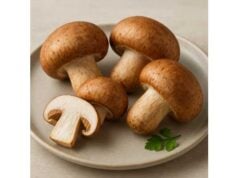
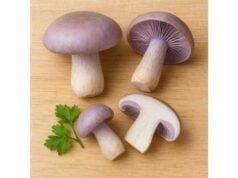
Button mushrooms—also called white mushrooms, common mushrooms, or by their scientific name Agaricus bisporus—are the widely available caps you see in grocery stores year-round. Mild and versatile, they slip into stir-fries, pastas, salads, tacos, and soups without overpowering other ingredients. Nutritionally, they punch above their weight: low in calories yet rich in B vitamins, potassium, copper, selenium, and distinctive antioxidants such as ergothioneine. When exposed to UV light, they can provide meaningful vitamin D. Because cremini (brown) and portobello are simply more mature forms of the same species, many of the same benefits apply across these “button-to-portobello” stages, with flavor deepening as the mushroom matures. In the kitchen, quick dry-sautéing concentrates their umami; roasting or grilling browns them for a meatier bite; and finely chopping lets them blend with ground meat to lighten burgers, tacos, or meatballs while holding moisture. This guide brings together practical selection tips, precise nutrition per 100 g, evidence-based benefits, safety considerations, and cook-smart techniques to help you get the most from every punnet.
Quick Overview
- Provides B2 (riboflavin), B3 (niacin), copper, selenium, and potassium with only ~22 kcal per 100 g.
- UV-exposed packs can supply 10–20 µg vitamin D per serving; ordinary packs have much less.
- Typical serving: 100 g raw (about 3 heaped cups sliced), enjoyed 3–5 times weekly as part of varied meals.
- Safety note: cook rather than eat raw; choose farmed over wild if unsure; rinse briefly and cook to reduce residues.
- Limit or avoid if you have a known mushroom allergy or follow a medically prescribed low-potassium diet.
Table of Contents
- Button mushroom essentials
- Button mushroom nutrition
- Benefits backed by evidence
- Risks, allergies and interactions
- Selecting quality and storage
- Cooking and nutrient retention
- Portions, comparisons and FAQs
Button mushroom essentials
What they are. Button mushrooms are the immature stage of Agaricus bisporus, the same species that later becomes cremini (brown) and then portobello (large, flat caps). Their pale caps, tight gills, and delicate flavor make them the most common culinary mushroom worldwide. They’re cultivated indoors on pasteurized compost, so supply is consistent and quality is predictable.
Taste and texture. Raw, they’re crisp and faintly nutty. Cooked, they concentrate into a savory, umami-rich bite. Dry heat brings browning and a meatier chew; moist heat keeps them tender but can dilute flavor if overdone.
Why cooks love them.
- Neutral versatility. They adapt to almost any cuisine—Italian, Mexican, Chinese, Indian, Middle Eastern—and work with dairy, eggs, grains, legumes, and meats.
- Blendability. Finely chopped mushrooms hydrate and bind ground meat, letting you reduce meat by 25–50% without sacrificing satisfaction.
- Weeknight-friendly. They cook fast: 6–8 minutes for a dry sauté, 12–15 minutes to roast at high heat, or a 5-minute pan sear for slices.
Nutrition snapshot in context. Per 100 g raw, button mushrooms deliver ~22 kcal, ~3.1 g protein, ~3.3 g carbohydrate (with ~1 g fiber), and ~0.3 g fat, plus notable amounts of riboflavin, niacin, pantothenic acid, copper, selenium, and potassium. They also contain ergothioneine and glutathione—antioxidants uncommon in most produce. Some retail packs are UV-exposed to elevate vitamin D; this appears on the label and can transform them into a meaningful daily D source.
Everyday uses.
- Sauté base: start with mushrooms and onions to build depth in sauces, stews, and braises.
- Sheet-pan star: roast alongside chicken thighs, potatoes, or cauliflower florets.
- Breakfast boost: fold into omelets or scramble with eggs and herbs.
- Plant-forward swap: blend into tacos, sloppy joes, or Bolognese to cut saturated fat and add juiciness.
- Snack or side: marinate cooked mushrooms with vinegar, garlic, and olive oil for a chilled antipasto.
Buying tip. Choose firm, closed caps without sliminess. Gills should be hidden or just peeking at the edge. A matte, unblemished surface signals freshness; avoid those with dark, soggy spots.
Button mushroom nutrition
Per 100 g raw (typical values). These figures are representative of white button mushrooms; exact amounts vary by growing conditions and maturity.
Macros and electrolytes
| Nutrient | Amount per 100 g | % Daily Value |
|---|---|---|
| Energy | 22 kcal | — |
| Protein | 3.1 g | — |
| Total carbohydrate | 3.3 g | — |
| Dietary fiber | 1.0 g | — |
| Total sugars | 1.7 g | — |
| Total fat | 0.3 g | — |
| Sodium | 5 mg | 0% |
| Potassium | 318 mg | 7% |
Vitamins
| Vitamin | Amount per 100 g | % Daily Value |
|---|---|---|
| Riboflavin (B2) | 0.4 mg | 31% |
| Niacin (B3) | 3.6 mg | 23% |
| Pantothenic acid (B5) | 1.5 mg | 30% |
| Thiamin (B1) | 0.1 mg | 8% |
| Vitamin B6 | 0.1 mg | 6% |
| Folate (DFE) | 17 µg | 4% |
| Vitamin D (non-UV) | ~0.2 µg | 1% |
| Vitamin D (UV-exposed) | 10–20 µg* | 50–100% |
*UV-exposed packs are labeled; ordinary packs remain low in vitamin D.
Minerals
| Mineral | Amount per 100 g | % Daily Value |
|---|---|---|
| Phosphorus | 86 mg | 7% |
| Magnesium | 9 mg | 2% |
| Iron | 0.5 mg | 3% |
| Zinc | 0.5 mg | 5% |
| Copper | 0.3 mg | 33% |
| Selenium | 9 µg | 16% |
Fats and fatty acids
| Component | Amount per 100 g |
|---|---|
| Saturated fat | 0.05 g |
| Monounsaturated fat | 0.03 g |
| Polyunsaturated fat | 0.16 g |
| Cholesterol | 0 mg |
Protein and amino acids (highlights)
| Component | Amount per 100 g |
|---|---|
| Protein | 3.1 g |
| Notable amino acids | Glutamic acid, aspartic acid (flavor-enhancing), moderate lysine |
Bioactives / phytonutrients
| Compound | Notes |
|---|---|
| Ergothioneine | Unique thiol antioxidant concentrated in mushrooms; transported by SLC22A4 (OCTN1). |
| Glutathione | Tripeptide antioxidant present in meaningful quantities. |
| Beta-glucans | Soluble fibers with prebiotic and immune-modulating activity (varies by species and part). |
Glycemic and acid–base metrics (context). Button mushrooms are low glycemic and low energy-density; their potassium and organic acids contribute to an alkaline ash potential when cooked into meals rich in vegetables.
Fortification and additives. UV-exposed mushrooms naturally convert ergosterol to vitamin D2—no additives required. Commercial “vitamin D mushrooms” should display the target µg per serving on the label.
Benefits backed by evidence
1) A practical whole-food source of vitamin D (when UV-exposed). Ordinary mushrooms are low in vitamin D, but brief exposure to UV light elevates D2 dramatically. Retail packs produced this way commonly deliver 10–20 µg (400–800 IU) per 100 g—enough to meet a large share of daily needs. Vitamin D2 formed in mushrooms is reasonably stable through common cooking methods and storage, making it a dependable addition during darker months.
2) Nutrient density that supports shortfall nutrients. Compared with their scant calories, button mushrooms contribute noticeable amounts of riboflavin, niacin, and pantothenic acid—B-vitamins involved in energy metabolism—along with copper, selenium, and potassium. Modeling studies using U.S. dietary patterns show that adding a typical serving increases intakes of these “underconsumed” nutrients with minimal effect on calories, saturated fat, or sodium.
3) Antioxidant profile distinct from most produce. Mushrooms supply ergothioneine and glutathione, both involved in cellular protection against oxidative stress. Ergothioneine is transported into tissues by a dedicated transporter and accumulates where oxidative defense is important (e.g., blood cells, liver). Diets including mushrooms increase exposure to these compounds, which are uncommon in other staples.
4) Potential protection signals in population research. Meta-analysis of observational cohorts and case-control studies links higher habitual mushroom intake with a lower risk of total cancer, with stronger signals for certain sites (notably breast). While observational research cannot prove causation and the mix of mushroom species varies by country, these findings are consistent with mechanistic hints from mushroom antioxidants and fibers. As always, the whole dietary pattern matters; mushrooms contribute as part of balanced, plant-forward meals.
5) Weight-smart ingredient for satiety and sodium management. Thanks to high water content and umami, replacing part of ground meat with finely chopped mushrooms can reduce calories and saturated fat while preserving flavor and juiciness. Because mushrooms are naturally low in sodium, seasoning can be tailored to taste without relying on heavy salt.
How to use the evidence.
- If your vitamin D intake is low, choose labeled UV-exposed packs and enjoy them several times per week cooked into meals.
- For everyday nutrient density, keep standard buttons in rotation; they reliably boost B-vitamins, copper, and selenium.
- Remember that observational risk reductions are signals, not guarantees—pair mushrooms with diverse vegetables, legumes, whole grains, nuts, and seeds for the best odds of benefit.
Risks, allergies and interactions
Cook rather than eat raw. Raw Agaricus bisporus contains small amounts of agaritine (a natural hydrazine). Storage and common cooking methods substantially reduce agaritine levels, and canning reduces them even further. For routine meals, a quick sauté, roast, or grill is a sensible precaution and improves digestibility and flavor.
Allergy and intolerance. True mushroom allergy is uncommon but documented; symptoms typically mirror other food allergies (itching, hives, swelling, gastrointestinal upset). If you have a known mushroom allergy, avoid all forms and consult an allergist. People who notice bloating with large servings may tolerate smaller portions cooked thoroughly.
Medication considerations.
- Anticoagulation: mushrooms are not high in vitamin K; routine intake rarely conflicts with warfarin.
- Gout: mushrooms contain purines, but amounts are moderate; most people with gout can include small portions within dietitian-guided limits.
- Immunocompromised status or pregnancy: avoid raw mushrooms; cook well and buy from reputable sources to minimize microbial risk.
Heavy metals and contaminants. Cultivated button mushrooms are grown on controlled substrates and generally have low heavy metal levels. Wild mushrooms, by contrast, can bioaccumulate cadmium and lead depending on local soils and species. If foraging, follow regional advisories, vary species, and keep portions moderate.
Pesticide residues and kitchen practices. Rinsing briefly under running water (right before cooking) and trimming stem ends helps remove surface soil and some residues. Cooking further degrades some pesticide residues over time and temperature. Wipe-only cleaning is fine for pristine caps, but a fast rinse is acceptable and does not waterlog mushrooms if you dry them immediately.
Food safety at home.
- Refrigerate promptly (≤4 °C), ideally unwashed, in a breathable paper bag.
- Use within 3–5 days; discard if slimy or strongly fishy.
- Reheat leftovers to steaming hot.
Bottom line. Choose farmed buttons from trusted retailers; cook before eating; and if you forage, be certain of identification and local safety guidance.
Selecting quality and storage
How to pick the best pack.
- Cap condition: look for firm, closed caps with a matte finish and minimal bruising.
- Gills: on buttons, gills are typically covered; slight opening at the edge is fine but indicates greater maturity and a more pronounced flavor.
- Color cues: off-white to cream is normal; avoid gray, soggy, or heavily spotted caps.
- Smell: fresh mushrooms smell clean and earthy, never sharp or ammonia-like.
Label reading.
- “UV-exposed” or “High vitamin D”: confirms elevated vitamin D (check µg per serving).
- Organic: may align with buyer preferences; quality and safety of conventional mushrooms are also high due to controlled indoor cultivation.
- Country of origin and date codes: fresher packs last longer at home.
Smart storage.
- Breathable is best. Transfer to a paper bag or keep in the original tray if it has vents; avoid sealed plastic that traps moisture.
- Don’t wash before storage. Extra moisture speeds spoilage; rinse just before cooking.
- Fridge zone. Store in the main compartment (not the humid crisper) to balance airflow and humidity.
- Use-by window. 3–5 days for best quality; cremini and portobello may keep slightly longer when very fresh.
Batch prep without sogginess.
- Brush or rinse quickly, then dry on towels.
- Slice uniformly for even cooking.
- For meal prep, par-roast at high heat (e.g., 230 °C for 10–12 minutes) to drive off moisture; cool, then refrigerate. This creates a ready-to-use, flavorful component for eggs, grains, and pastas all week.
Sustainability angle.
- Agaricus bisporus growers often reclaim agricultural by-products for compost and recirculate water, making mushrooms among the lower environmental-footprint foods per kilogram.
- Their long refrigerated shelf life relative to leafy greens helps reduce household waste.
Flavor matching.
- Bright: lemon, parsley, dill, white wine, sherry vinegar.
- Deep: soy sauce, miso, balsamic, Parmesan, browned butter.
- Spicy: black pepper, chili flakes, harissa.
- Herbal: thyme, tarragon, rosemary, chives.
Cooking and nutrient retention
Your goals: concentrate flavor, preserve texture, and keep water-soluble nutrients in the dish. Mushrooms are mostly water; how you handle moisture dictates both taste and nutrition.
Dry-sauté (weeknight workhorse).
- Heat a wide pan over medium-high.
- Add sliced mushrooms to a dry pan; they’ll release water.
- Stir occasionally until the pan goes from steamy to sizzling (6–8 minutes).
- Add oil, butter, or aromatics only after moisture evaporates; season and finish.
Why it works: drives off water so browning can happen, concentrating umami without excess fat.
High-heat roasting.
- Toss slices or halves with oil and salt; spread on a preheated sheet pan.
- Roast at 220–230 °C for 15–20 minutes, flipping once.
- Great for batch cooking and meaty texture.
Tip: Don’t crowd the pan; space equals browning.
Grilling or broiling.
- Skewer halves or grill whole caps brushed with oil.
- Quick, smoky, and ideal for UV-exposed packs (vitamin D holds up well).
Stir-frying and soupy dishes.
- Sear first for 2–3 minutes before adding sauces to avoid a watery pan.
- In soups and stews, sauté aromatics and mushrooms together to build body, then add liquids so released juices stay in the pot.
Microwaving (surprisingly effective).
- Brief microwaving before sautéing can jump-start moisture release, shortening stove time and limiting extra fat.
Maximizing nutrients.
- Keep released juices in the dish; many B-vitamins and minerals are water-soluble.
- Avoid prolonged boiling unless the broth is consumed (e.g., soups).
- Cooking softens cell walls, making flavor and some nutrients more available while reducing agaritine.
Seasoning playbook.
- Start with salt toward the end of browning; salting too early can draw out moisture.
- A splash of acid (lemon, sherry vinegar) brightens heavy dishes.
- A small amount of soy sauce, fish sauce, or miso amplifies umami with minimal sodium per serving.
Food safety when cooking.
- Cook to steaming hot throughout.
- Refrigerate leftovers promptly in shallow containers; use within 3–4 days.
- Reheat thoroughly; avoid multiple reheat cycles to preserve texture.
Portions, comparisons and FAQs
What is a typical serving?
- 100 g raw (about 3 heaped cups sliced or ~8–10 small caps). For cooked applications, 100 g raw yields ~55–70 g cooked depending on method.
How often should I eat them?
- Enjoy 3–5 times per week as part of a varied diet. If you rely on mushrooms as a vitamin D source, choose UV-exposed packs and include them several times weekly.
Buttons vs. cremini vs. portobello.
- All are A. bisporus. Cremini (brown) are slightly more mature with deeper flavor; portobellos are fully mature with open gills and a meatier bite. Nutrient profiles are similar per 100 g; portobellos may deliver slightly more potassium and fiber due to maturity.
Fresh vs. canned.
- Canned mushrooms are convenient for soups and sauces; they are lower in agaritine than fresh due to heat processing. Texture is softer and sodium is higher unless you choose “no salt added.” Rinse to reduce sodium if desired.
Can I eat them raw?
- It’s best to cook. Cooking enhances flavor, improves digestibility, and reduces natural hydrazines. Occasional small amounts of raw in salads are common in practice, but cooked is the recommended default.
Are mushrooms OK for kids?
- Yes—once they can manage the texture. Chop small, cook well, and introduce within family meals. Mushrooms can be an easy way to increase exposure to savory (umami) flavors.
Do I need to peel mushrooms?
- No. The peel adds flavor and color. Just trim the stem end if dry and rinse quickly right before cooking.
Are mushrooms gluten-free and vegan?
- Naturally gluten-free and vegan. Watch added sauces and seasonings.
Budget and storage tips.
- Buy larger value packs and batch-roast for the week.
- Freeze only after cooking; raw freezing turns them mushy.
- Use trimmings in stocks or finely chop into meat blends to stretch portions.
Quick flavor ideas (5 minutes or less).
- Garlic-thyme sauté: finish with lemon zest.
- Balsamic glaze: reduce a splash in the pan after browning.
- Chili-soy drizzle: add soy sauce and chili crisp off-heat.
- Herbed yogurt: spoon garlicky yogurt over grilled caps for a light side.
References
- Mushrooms: a food-based solution to vitamin D deficiency to include in dietary guidelines 2024 (Systematic Review)
- Higher Mushroom Consumption Is Associated with Lower Risk of Cancer: A Systematic Review and Meta-Analysis of Observational Studies – PubMed 2021 (Systematic Review)
- Ergothioneine: an underrecognised dietary micronutrient required for healthy ageing? 2023 (Review)
- Influence of storage and household processing on the agaritine content of the cultivated Agaricus mushroom. 2002 (Food Safety Research)
- Cadmium and Lead Content in Selected Fungi from Poland and Their Edible Safety Assessment 2021 (Environmental Exposure Study)
Disclaimer
This information is for education only and does not replace personalized advice from your physician or a registered dietitian. If you have a medical condition, take prescription medications, are pregnant or breastfeeding, or plan to forage wild mushrooms, seek professional guidance before changing your diet.
If you found this guide useful, please consider sharing it on Facebook, X, or your favorite platform to support our work in creating clear, trustworthy nutrition articles.