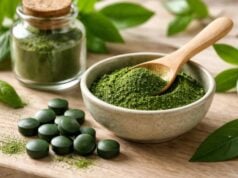
Calabar bean (Physostigma venenosum) is a West African climbing plant best known for one striking fact: its seeds contain potent alkaloids that can profoundly affect the nervous system. The most important of these is physostigmine (also called eserine), a compound that reversibly blocks acetylcholinesterase—the enzyme that breaks down acetylcholine. When acetylcholine lasts longer in the body, “cholinergic” signaling increases, influencing the eyes, heart, lungs, gut, and brain.
That same chemistry explains both the plant’s medical legacy and its danger. In modern care, purified physostigmine is used (under clinical supervision) for selected cases of antimuscarinic (anticholinergic) poisoning, and it played a historical role in eye care because it constricts the pupil. But the raw seed is not a safe “herbal supplement.” Variability in potency, narrow safety margins, and severe toxicity risks make self-experimentation unsafe. This guide focuses on what Calabar bean is, what’s in it, where evidence supports medical use, and how to think about dosage and safety responsibly.
Essential Insights
- Purified physostigmine can rapidly improve antimuscarinic delirium in carefully selected, monitored patients.
- The raw Calabar bean seed is highly toxic and should not be ingested or used for DIY remedies.
- Typical supervised dosing for physostigmine in adults is often 0.5–2 mg IV, with repeat dosing if symptoms recur.
- Avoid use if you have asthma, significant heart rhythm or conduction problems, or suspected mixed overdoses unless a clinician directs care.
Table of Contents
- What is Calabar bean?
- Calabar bean key compounds
- Benefits and realistic outcomes
- How it is used medically
- How much physostigmine is used?
- Is Calabar bean safe?
- What the evidence says
What is Calabar bean?
Calabar bean is the seed of Physostigma venenosum, a leguminous vine native to parts of West Africa. The plant’s notoriety comes from its concentrated alkaloid content—chemicals that, even in small amounts, can strongly alter nerve signaling. Historically, the seed was used as an “ordeal poison” in certain local judicial practices; this is not a detail to romanticize, but it does underline a practical truth: the seed’s effects are powerful, fast, and potentially lethal.
From a modern health perspective, it helps to separate two very different things:
- The whole seed or crude extracts, which are unpredictable in strength and dangerous for self-use.
- Purified physostigmine, a pharmaceutical drug derived from (or modeled after) the plant’s chemistry, used in controlled clinical settings.
That distinction matters because the line between “effect” and “toxicity” is thin. Cholinergic overstimulation can trigger severe nausea and cramping, profuse sweating and salivation, dangerously slow heart rate, airway tightening, seizures, and respiratory failure. The risks are not theoretical; they are exactly what you would expect from a strong acetylcholinesterase inhibitor taken in the wrong context or dose.
Calabar bean is also sometimes discussed online as a “natural nootropic” or “cholinergic booster.” This is a misleading framing. Raising acetylcholine indiscriminately does not equal better cognition, and the body-wide cholinergic effects (heart, lungs, gut) often become the limiting factor long before any desired brain effect would appear.
If you encounter Calabar beans through ethnobotanical collections, travel, or curiosity, the safest approach is simple: treat them as a toxic material, keep them away from children and pets, and do not experiment with ingestion or home extraction. Any legitimate medical role today belongs to standardized, prescription physostigmine used with monitoring and emergency readiness—not the raw seed.
Calabar bean key compounds
The “key ingredients” in Calabar bean are best understood as bioactive alkaloids, with physostigmine at the center of both its medical relevance and toxicity profile.
Physostigmine (eserine)
Physostigmine is a reversible acetylcholinesterase inhibitor. When acetylcholinesterase is inhibited, acetylcholine accumulates at synapses, amplifying cholinergic signaling. A practical way to remember the impact is to think in systems:
- Eyes: pupil constriction (miosis), increased outflow of aqueous humor, and reduced intraocular pressure in some contexts
- Heart and vessels: slower heart rate, lower conduction speed, potential rhythm instability in susceptible people
- Lungs: increased secretions and bronchoconstriction risk (especially concerning in asthma)
- Gut and bladder: increased motility and secretions (cramping, diarrhea, urgency)
- Brain: potential reversal of antimuscarinic delirium, but also seizure risk at excessive exposure
One crucial pharmacologic property is that physostigmine can reach the central nervous system because it crosses the blood–brain barrier. Clinically, that is why it can reverse central antimuscarinic effects (confusion, delirium) in appropriate cases—something many other cholinesterase inhibitors cannot reliably do.
Other alkaloids and variability
Calabar bean contains additional alkaloids besides physostigmine. Even when those compounds are less famous, they contribute to why crude preparations are unpredictable. Plant potency can vary with growing conditions, seed maturity, storage, and extraction method. That variability is a major safety problem: a “small” dose is not reliably small.
Why “natural cholinesterase inhibitors” are not interchangeable
You may see Calabar bean mentioned alongside other cholinergic compounds. The key difference is potency and risk. For example, supplements such as huperzine A and acetylcholinesterase inhibition are discussed in very different dosing ranges and safety contexts. Even then, cholinergic side effects and interactions still matter. Calabar bean sits at the far end of that spectrum: the seed’s toxic potential makes it unsuitable as a self-directed wellness tool.
Benefits and realistic outcomes
When people search for “Calabar bean benefits,” they often expect a supplement-style list. With this plant, a more honest approach is to describe where the pharmacology could help, and then clarify what is actually used in practice.
1) Reversal of antimuscarinic delirium (clinical setting)
The strongest modern “benefit” linked to Calabar bean chemistry is not from the herb itself, but from prescription physostigmine. In selected cases of antimuscarinic (anticholinergic) toxicity—think delirium plus peripheral signs such as dry skin, dilated pupils, urinary retention—physostigmine may rapidly reduce delirium and agitation. The realistic outcome, when the diagnosis is correct and contraindications are absent, is often improvement within minutes, with a need for continued observation because symptoms can recur as the drug wears off.
2) Eye effects (historical relevance, limited modern role)
Physostigmine’s ability to constrict the pupil and influence aqueous humor dynamics gave it a historical place in eye care. Today, glaucoma management generally relies on other drug classes and procedures, but the Calabar bean story still matters because it illustrates a clear mechanism: cholinergic activation can change intraocular pressure and pupil size. For readers looking for safer, evidence-based eye nutrition strategies, it may be more helpful to review options like lutein for long-term eye health support rather than chasing risky botanicals.
3) Gut and bladder motility (mechanism, not a DIY use)
Cholinergic stimulation increases gut motility and secretions. In theory, that could sound useful for constipation—but in reality it more commonly presents as cramping, diarrhea, and urgency when cholinergic signaling is pushed too far. This is a good example of why “mechanism” is not the same as “safe home use.”
What you should not expect
- A safe cognitive enhancer: boosting acetylcholine system-wide is not targeted brain support.
- A gentle herbal remedy: the safety margin is too narrow.
- A reliable natural dose: potency varies dramatically in whole-plant materials.
In short, the “benefits” are real only when you are talking about standardized, clinically administered physostigmine—not Calabar bean as an ingestible herb.
How it is used medically
Modern use centers on physostigmine as a medication, not Calabar bean as a botanical product. That difference shapes everything: formulation, dose precision, monitoring, and safety protocols.
Common clinical context: antimuscarinic toxicity
Clinicians consider physostigmine when a patient has a convincing antimuscarinic toxidrome—typically a mix of central findings (delirium, hallucinations, severe agitation) and peripheral findings (dry mucous membranes, mydriasis, urinary retention, tachycardia, reduced sweating in classic presentations). The goal is not sedation for its own sake; it is reversal of the underlying receptor blockade so the person can protect their airway, cooperate with care, and avoid escalation to intubation or complications such as hyperthermia and rhabdomyolysis.
Importantly, physostigmine is not “automatic.” Supportive care and careful diagnosis come first. Clinicians often avoid it when there is concern for mixed overdose—for example, agents that can widen the QRS complex or provoke dangerous arrhythmias—because cholinergic effects could complicate the picture.
Routes and forms
- Intravenous physostigmine is used in emergency and toxicology settings when rapid central effects are needed.
- Ophthalmic use exists historically and in specialized contexts, but it is not a common first-line approach in modern eye care.
- Crude seed or extract is not an acceptable medical form in evidence-based practice because it cannot offer consistent dosing or predictable impurity control.
What administration looks like in real life
In monitored settings, clinicians typically ensure airway readiness, cardiac monitoring, and immediate access to reversal agents (such as atropine) before administering physostigmine. They also watch for cholinergic excess—salivation, sweating, bronchospasm, bradycardia—and reassess frequently because the effect can fade within an hour, allowing symptoms to return.
For the general reader, the practical takeaway is simple: if you are reading about Calabar bean “uses,” what you are really reading about is the medical use of a drug derived from it. Trying to reproduce that at home is not comparable and introduces serious risk.
How much physostigmine is used?
Because Calabar bean itself is unsafe for home dosing, the only responsible way to discuss “dosage” is to describe supervised physostigmine dosing used in clinical care. Even then, dosing is individualized, and clinicians factor in age, weight, symptom severity, ECG findings, and the likelihood of mixed ingestion.
Typical supervised dosing ranges
In many emergency references and clinical summaries, adult dosing is often described in the range of 0.5 to 2 mg IV, given slowly, with repeat dosing if symptoms recur. Pediatric dosing is often weight-based, commonly cited around 0.02 mg/kg IV, with conservative maximum single-dose limits in children. Repeat dosing may be needed because the clinical effect can wear off relatively quickly, and recurrence of delirium is not unusual.
Some protocols also describe infusion strategies in selected patients, but those decisions belong to clinicians with monitoring capability, not self-care.
Timing, onset, and duration
- Onset: when the diagnosis is correct, improvement in delirium and agitation can occur within minutes.
- Duration: effects are often short, and recurrence may occur within about 30–60 minutes, prompting reassessment and sometimes repeat dosing.
- Monitoring: heart rate, blood pressure, respiratory status, secretions, and mental status are observed closely throughout.
Why slow administration matters
Physostigmine is generally administered slowly to reduce adverse effects such as abrupt bradycardia, excessive secretions, and seizures. Clinicians typically keep resuscitation equipment immediately available and avoid use in situations where cardiac conduction problems or sodium-channel blockade is suspected.
A clear warning about “Calabar bean dosage” online
If a website offers a casual “Calabar bean dose” for cognition, libido, detox, or any wellness goal, treat that as a red flag. The potency of seeds and extracts is not standardized, and the toxicity threshold can be dangerously close to any “active” dose. In practical terms, there is no safe, evidence-based DIY dose to share because the risk is not just side effects—it is medical emergency.
If you are ever concerned about accidental exposure, treat it as urgent and seek professional help rather than trying to calculate a home remedy dose.
Is Calabar bean safe?
For most people, the most important safety message is straightforward: Calabar bean is not safe to ingest or use as a self-made extract. The safety discussion below is still valuable because it helps you recognize risk, understand interactions, and know when to seek urgent care.
What adverse effects can look like
Excess cholinergic activity can cause a cluster of symptoms that may escalate quickly:
- Gastrointestinal: nausea, vomiting, abdominal cramping, diarrhea
- Secretions: heavy sweating, salivation, tearing, increased bronchial secretions
- Cardiovascular: slow heart rate (bradycardia), low blood pressure, fainting, conduction disturbances
- Respiratory: wheezing or bronchospasm, breathing difficulty from secretions
- Neurologic: confusion, weakness, tremor, seizures in severe toxicity
Because these effects can compound—slow heart rate plus airway tightening plus secretions—this is not a “sleep it off” situation.
Key interactions and high-risk combinations
Cholinergic agents can interact with medications that influence heart rhythm, breathing, or neuromuscular signaling. Risk is especially concerning with:
- Drugs that slow heart rate or affect conduction (certain antiarrhythmics, some blood pressure medicines)
- Other cholinesterase inhibitors (used for dementia)
- Depolarizing neuromuscular blockers used in anesthesia (relevant for procedures)
- Situations where mixed poisoning is possible, especially agents that can affect cardiac conduction
Who should avoid exposure
Avoid any intentional use if you have (or might have) the following without direct clinician oversight:
- Asthma or reactive airway disease (higher bronchospasm risk)
- Known heart conduction problems or a history of dangerous arrhythmias
- Mechanical bowel or urinary obstruction (increasing motility can worsen complications)
- Pregnancy or breastfeeding (insufficient safety data, higher stakes)
- Children and pets (smaller bodies, faster progression, higher relative risk)
If exposure is suspected
If someone has ingested an unknown seed, a “natural physostigmine” product, or a crude extract and develops concerning symptoms, treat it as an emergency. Do not attempt home antidotes. While decontamination strategies such as activated charcoal use and safety basics are sometimes discussed in poisoning contexts, the decision to use them depends on timing, substance, airway safety, and medical guidance.
The most protective action is rapid professional evaluation with monitoring.
What the evidence says
Evidence around Calabar bean splits into two very different categories: (1) what we know about the plant and its alkaloids pharmacologically, and (2) clinical research and practice on physostigmine as a drug.
Where evidence is strongest
The most defensible, modern clinical evidence supports physostigmine for selected cases of antimuscarinic toxicity—particularly delirium and agitation when the presentation fits and contraindications are absent. Controlled studies and poison-center data suggest meaningful symptom control with careful dosing and monitoring, and they help clarify what adverse events look like in real practice (for example, bradycardia or seizures occurring infrequently when used appropriately).
It’s also worth noting what this evidence does not imply: it does not validate Calabar bean as a supplement, nor does it justify self-administration of seed extracts. Clinical studies rely on dose accuracy, patient selection, ECG interpretation, and emergency preparedness.
Where evidence is limited or outdated
Historical ophthalmic use explains a lot of the plant’s reputation, but modern glaucoma therapy has moved toward other pharmacologic classes and procedural strategies. Similarly, while cholinergic effects can influence gut motility, using potent acetylcholinesterase inhibition as a home approach to constipation or “detox” is not supported and is hard to justify given the risk profile.
The real-world takeaway for readers
If your intent is wellness—memory, focus, energy, digestion—Calabar bean is not a reasonable candidate. The plausible benefit is narrow and clinical; the hazard is broad and unpredictable. In evidence-based terms, Calabar bean is better categorized as a toxic plant with a medically valuable derivative than as an herb with safe, general health uses.
A responsible decision framework looks like this:
- Separate the plant from the drug (seed vs prescription physostigmine).
- Treat “supplement-style” marketing claims as a safety warning, not an invitation.
- If you are researching physostigmine, focus on clinician-directed contexts such as antimuscarinic poisoning management.
That framing protects you from the most common mistake people make with this topic: assuming that “natural” and “medicinal” automatically mean “safe to try.”
References
- A randomized trial comparing physostigmine vs lorazepam for treatment of antimuscarinic (anticholinergic) toxidrome – PubMed 2021 (RCT)
- Physostigmine reversal of delirium from second generation antipsychotic exposure: a retrospective cohort study from a regional poison center – PubMed 2024
- Anticholinergic Toxicity – StatPearls – NCBI Bookshelf 2023 (Clinical Review)
- DailyMed – PHYSOSTIGMINE SALICYLATE injection 2022 (Drug Label)
Disclaimer
This article is for educational purposes only and is not a substitute for personalized medical advice, diagnosis, or treatment. Calabar bean is highly toxic and should not be ingested or used to make home remedies. Never self-administer prescription drugs such as physostigmine. If you suspect poisoning or accidental ingestion, seek emergency care immediately and contact local poison control services for urgent guidance.
If this guide could help someone else make safer decisions, please consider sharing it on Facebook, X (formerly Twitter), or your preferred platform.