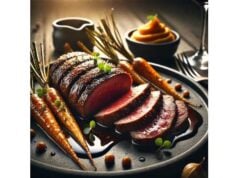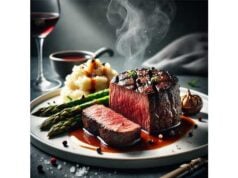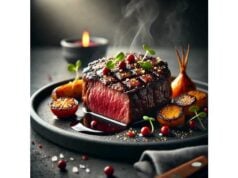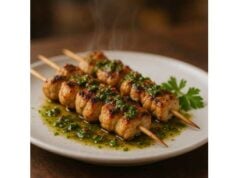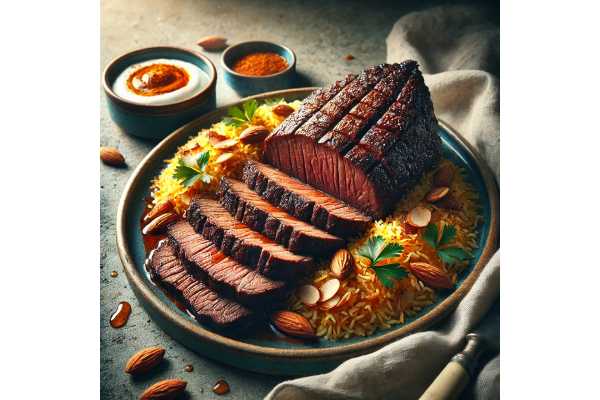
Camel meat has long nourished communities across North Africa, the Middle East, Central Asia, and Australia. Today, chefs and home cooks elsewhere are discovering its clean, mildly sweet flavor and naturally lean profile. Compared with many beef cuts, camel often delivers similar protein with less total fat, while providing iron, zinc, selenium, and vitamin B12—nutrients many people undershoot. It adapts well to familiar recipes: quick-seared steaks, braises spiced with cumin and coriander, kebabs, burgers, and slow-cooked shanks. Because camel is leaner, it cooks faster and benefits from moderate heat, brief rests, and moisture-adding techniques. As with all meats, safe handling and doneness temperatures are essential. A small subset of people—such as those with alpha-gal syndrome—should avoid mammalian meats, camel included. This guide translates science and culinary practice into clear steps for buying, storing, cooking, and enjoying camel meat, with a detailed nutrition profile per 100 g and practical tips to maximize tenderness and nutrient retention.
At a Glance
- Lean red meat offering complete protein, iron, zinc, selenium, and vitamin B12 per 100 g.
- Typical serving: 85–115 g (3–4 oz) cooked, up to two or three times weekly within a varied diet.
- Cook ground camel to 71°C/160°F; steaks and roasts to 63°C/145°F with a 3-minute rest.
- People with alpha-gal syndrome or severe red-meat allergies should avoid camel meat.
Table of Contents
- Camel Meat: Detailed Overview
- Camel Nutrition Profile (per 100 g)
- Evidence-Based Health Benefits of Camel
- Risks, Allergies and Interactions
- Selecting, Quality, Sustainability and Storage
- Preparation, Cooking and Nutrient Retention
- Portions, Comparisons and FAQs
Camel Meat: Detailed Overview
Camel meat comes primarily from dromedary (one-humped) and Bactrian (two-humped) species. In traditional food cultures it is prized for sustenance in arid climates; modern interest has grown thanks to its lean profile and distinctive flavor—clean, slightly sweet, and gently mineral, somewhere between beef and venison. Culinary uses range from quick-seared strip and sirloin steaks to long braises of shoulder, brisket, and shank. Ground camel substitutes easily in burgers, koftas, keema, tacos, or chili.
From a composition standpoint, lean camel typically contains around 19–22 g protein per 100 g raw, with modest total fat and very little carbohydrate. Micronutrient highlights include iron (for oxygen transport), zinc (immune and wound repair), selenium (antioxidant enzymes), and vitamin B12 (red blood cell formation and neurologic function). Like other red meats, camel muscle naturally carries bioactives such as creatine and carnosine in small amounts. Actual values shift with breed, age, muscle, and feeding, and whether cuts are trimmed, ground, or cooked.
Production systems vary widely—pasture-based, mixed grazing, or semi-intensive finishing. Sustainable camel husbandry can support dryland livelihoods and utilize tough rangelands unsuitable for other livestock. That said, environmental footprints still depend on feed, transport, water, and processing. As a consumer, the biggest levers remain meal planning (right-sized portions), minimizing waste, and balancing animal-source foods with plant-forward sides.
In the kitchen, camel behaves like lean beef with a narrower window between perfectly done and dry. Medium heat, frequent turning, and short rests help preserve moisture. Marinating with herb-spice blends (e.g., garlic, cumin, coriander, paprika) improves juiciness and browning while moderating the formation of high-heat by-products. Because intramuscular fat is relatively low, a brush of oil or finishing butter is often welcome—especially for quick-cooked steaks and kebabs.
Finally, camel meat fits best within a varied pattern: generous vegetables and legumes, intact whole grains, nuts and seeds, and diverse proteins (fish, poultry, eggs, fermented soy). Enjoy camel as one option among many, not a daily staple.
Camel Nutrition Profile (per 100 g)
Reference item for tables: Lean raw camel, separable lean only (values vary by species, cut, and leanness). Amounts are per 100 g. %DV uses current adult Daily Values.
Macros & Electrolytes
| Nutrient | Amount (per 100 g) | %DV |
|---|---|---|
| Energy | 120 kcal | — |
| Protein | 20.5 g | 41% |
| Total Fat | 2.8 g | 4% |
| Carbohydrates | 0.0 g | 0% |
| Fiber | 0.0 g | 0% |
| Sodium | 60 mg | 3% |
| Potassium | 310 mg | 7% |
| Phosphorus | 190 mg | 15% |
| Water | ~76–78 g | — |
Fats & Fatty Acids
| Fatty Acid | Amount | %DV* |
|---|---|---|
| Saturated Fat | 1.1 g | 6% |
| Monounsaturated Fat | 1.2 g | — |
| Polyunsaturated Fat | 0.3 g | — |
| Cholesterol | 58 mg | — |
*No FDA %DV for individual fatty acids or cholesterol.
Vitamins
| Vitamin | Amount | %DV |
|---|---|---|
| Vitamin B12 (Cobalamin) | 2.0 µg | 83% |
| Vitamin B6 (Pyridoxine) | 0.30 mg | 18% |
| Niacin (Vitamin B3) | 4.0 mg | 25% |
| Riboflavin (Vitamin B2) | 0.18 mg | 14% |
| Thiamin (Vitamin B1) | 0.05 mg | 4% |
| Vitamin E (Alpha-tocopherol) | 0.2 mg | 1% |
Minerals
| Mineral | Amount | %DV |
|---|---|---|
| Iron | 2.6 mg | 14% |
| Zinc | 3.1 mg | 28% |
| Selenium | 25 µg | 45% |
| Magnesium | 22 mg | 5% |
| Copper | 0.11 mg | 12% |
| Calcium | 7 mg | 1% |
Protein & Amino Acids (overview)
Camel provides all nine essential amino acids with digestible indispensable amino acid scores similar to other lean red meats. A 100 g portion supplies ~20 g complete protein, easily supporting daily needs when paired with fiber-rich sides for satiety.
Bioactives/Phytonutrients
Native compounds such as creatine and carnosine appear in small, food-level amounts typical of red meat and contribute to muscle energy and pH buffering. Concentrations vary with muscle and age.
Glycemic & Acid–Base Metrics
| Metric | Value |
|---|---|
| Net Carbs | 0 g |
| Glycemic Index | Not applicable (no carbohydrate) |
| Glycemic Load | 0 |
| PRAL (acid load) | Positive (typical of animal proteins) |
Allergens & Intolerance Markers
| Concern | Notes |
|---|---|
| Alpha-gal (red-meat allergy) | Camel contains the alpha-gal sugar; individuals with alpha-gal syndrome may react and should avoid camel meat. |
| Histamine | Fresh meat is not inherently high; levels can rise in aged/processed products or with poor storage. |
| Additives | Plain fresh cuts have none; processed products (jerky, sausages) may include salt, nitrites, or spices—read labels. |
Footnotes:
Values reflect lean raw muscle; fattier cuts and ground products will contain more calories and fat. Cooking alters water content and can reduce heat-sensitive vitamins. %DV references: Protein 50 g; Total Fat 78 g; Saturated Fat 20 g; Sodium 2300 mg; Potassium 4700 mg; Phosphorus 1250 mg; Iron 18 mg; Zinc 11 mg; Selenium 55 µg; Magnesium 420 mg; Copper 0.9 mg; Calcium 1300 mg; Vitamin B12 2.4 µg; Vitamin B6 1.7 mg; Niacin 16 mg; Riboflavin 1.3 mg; Thiamin 1.2 mg.
Evidence-Based Health Benefits of Camel
High-quality protein with fewer calories from fat. Lean camel delivers ~20 g complete protein per 100 g for about 120 kcal, making it a practical way to meet protein needs without large portions. That protein supports muscle repair after activity, preserves lean mass during weight loss, and contributes to bone matrix formation via collagen.
Iron, zinc, selenium, and vitamin B12 in meaningful amounts.
- Iron: Camel provides heme iron, which is generally more bioavailable than non-heme iron from plants. Consistent intake helps reduce fatigue associated with iron insufficiency. Pairing with vitamin C–rich sides (citrus, peppers, broccoli) improves absorption.
- Zinc: Supports immune defenses, enzymatic reactions, and wound healing; modest servings contribute a quarter to a third of daily needs.
- Selenium: Integral to antioxidant enzymes (glutathione peroxidases) that help control oxidative stress.
- Vitamin B12: Important for red blood cell formation and neurologic function; animal-source foods like camel are naturally rich.
Fits performance-minded eating. In addition to amino acids, red meats carry small, native amounts of creatine and carnosine—compounds involved in rapid energy transfer and buffering. While not a substitute for supplements, periodically including lean camel alongside carbohydrate-rich sides can support training recovery and appetite control.
Satiety and glucose stability. Zero carbohydrate and a robust protein content mean camel contributes little to post-meal glycemic impact. Combining camel with fiber-dense vegetables, whole grains (bulgur, barley), or legumes (lentils, chickpeas) further slows digestion, aiding fullness.
Cardiometabolic perspective with nuance. Observational studies associate higher intakes of red—especially processed—meat with cardiometabolic risk, yet overall diet quality and cooking method matter. Choosing lean camel cuts, keeping portions modest, favoring gentle or moist heat, and centering the plate on plants aligns with heart-conscious patterns while preserving nutrient intake.
Digestibility and culinary flexibility. Finely minced or slow-cooked camel is tender and digestible, useful for older adults or those recovering from illness who need concentrated protein and iron. Spicing patterns are highly adaptable: cumin-coriander-garlic for kebabs, paprika-oregano for burgers, or cinnamon-allspice for tagines.
Practical applications:
- Build plates that are half vegetables, a quarter whole grains/legumes, and a quarter camel or other protein.
- Rotate camel with fish, poultry, eggs, and legumes across the week.
- Use herb-spice marinades and moderate heat to enhance flavor while limiting char-related compounds.
Risks, Allergies and Interactions
Foodborne illness and doneness. Treat camel like other red meats in your kitchen: avoid cross-contamination, wash hands and boards, and cook to safe temperatures. Cook ground camel to 71°C/160°F and steaks/roasts to 63°C/145°F with a 3-minute rest. A digital instant-read thermometer is more reliable than color or juices.
Zoonotic and hygiene considerations. As with other animal products, consuming raw or undercooked camel meat or unpasteurized camel milk increases risk of infection from various pathogens. Good food hygiene and proper heat treatment make camel products safe to enjoy. People at higher risk of severe respiratory disease should avoid contact with sick camels and avoid raw products.
Alpha-gal syndrome (red-meat allergy). Some tick bites can trigger IgE reactivity to the alpha-gal carbohydrate found in mammalian meats, including camel. Reactions may be delayed for several hours and range from hives to anaphylaxis. Anyone diagnosed with alpha-gal syndrome should avoid camel meat and discuss care plans with an allergist.
Processed forms and sodium. Camel jerky or sausages may be high in sodium and sometimes curing agents. If you choose these, treat them as occasional foods and prioritize brands with clear labeling. Balance the day’s sodium intake with plenty of potassium-rich foods (leafy greens, beans, potatoes, squash).
Purines and gout. Camel, like other meats, contains purines. People managing gout may need to moderate total purine intake and favor more plant proteins and fish; individualized guidance from a clinician or dietitian is best.
Medication and condition notes. No common drug–camel meat interactions are known. Those with chronic kidney disease, immunosuppression, or pregnancy should follow general food safety rules: avoid undercooking, reheat leftovers thoroughly, and consume within recommended storage windows.
Allergy beyond alpha-gal. Classical meat allergies are uncommon but possible. New foods should be tried in small amounts when you have a history of multiple food allergies, and emergency medication plans should be current.
Selecting, Quality, Sustainability and Storage
Smart shopping and labels.
- Cuts: For quick cooking, look for strip, ribeye, sirloin, tri-tip, or medallions. For braising, choose shoulder/chuck, brisket, rump, or shank. Ground camel commonly ranges from 85–95% lean—select based on recipe and juiciness preference.
- Appearance and handling: Seek a deep red color with fine, even grain and minimal purge (liquid in the package). Because camel is lean, heavy marbling is uncommon—do not equate low marbling with low quality. Buy last among perishables and keep cold on the way home.
- Claims: “Grass-fed” or “pasture-raised” speaks to husbandry, not safety. Third-party certifications (for welfare or environmental practices) can add transparency but vary in rigor; compare producers, not just labels.
Assessing sustainability.
Camelids are adapted to drylands and can utilize sparse forage with relatively low water inputs compared with some species, though exact impacts depend on local systems. Positive practices include rotational grazing that protects native plants, minimal overstocking, and responsible water use. Regardless of species, consumer choices that reduce waste—meal planning, freezing extras, repurposing leftovers—often yield outsized environmental benefits.
Storage, freezing, and thawing.
- Refrigerate promptly at ≤4°C/40°F. Use ground camel within 1–2 days; steaks/roasts within 3–5 days.
- Freeze for quality: ground for 3–4 months; steaks/roasts for 4–12 months. Double-wrap or vacuum-seal to limit freezer burn; label with cut and date.
- Thaw in the refrigerator (best), in cold water (change every 30 minutes; cook right away), or in the microwave (cook immediately).
- Leftovers: refrigerate within 2 hours; use within 3–4 days, or freeze 2–3 months for best quality.
Budget and availability tips.
- Purchase larger roasts to cook once/eat twice; shred for sandwiches or grain bowls.
- Choose ground camel when steaks are scarce or pricey; blend with finely chopped mushrooms or lentils to extend yields.
- Ask your butcher about less-known steaks (flat iron, top round) that cook quickly and cost less.
Preparation, Cooking and Nutrient Retention
General approach: Camel is lean and benefits from moderate heat, frequent turning, and short rests. Think “gentle and attentive,” not “blast it.” A thermometer prevents both undercooking and dryness.
Steaks and medallions (strip, sirloin, ribeye).
- Pat dry. Season with 0.6–1.0% salt by meat weight (about 3–5 g per 500 g). Optional: add cracked pepper, garlic, and ground coriander.
- Sear over medium-high heat 2–3 minutes per side for 2–3 cm thickness. Flip every minute for even cooking and less surface charring.
- Target 63°C/145°F internal temperature; rest 3 minutes.
- Finish with a brush of olive oil or a small knob of butter to enhance mouthfeel.
Braises and roasts (shoulder, brisket, shank).
- Braising: Brown briefly, then cook covered with aromatic liquid (stock, tomatoes, spices) at 135–160°C/275–325°F until fork-tender, typically 2.5–4.5 hours depending on cut and size. Low-and-slow coaxes collagen into gelatin, improving succulence.
- Oven roasting: For lean roasts, start hot (220°C/425°F) for 10–15 minutes to set crust, then reduce to 160–175°C/325–350°F until internal temp reaches target; rest before slicing thinly across the grain.
Ground camel (burgers, koftas, meatballs).
- Blend in moisture-retaining ingredients: grated onion, soaked breadcrumbs, beaten egg, or finely chopped mushrooms (10–15%).
- Handle lightly; over-mixing toughens texture.
- Cook to 71°C/160°F. For burgers, 85–90% lean strikes a balance between safety and juiciness.
Marinades and rubs that do double duty.
Acidic marinades with herbs (e.g., yogurt-garlic-cumin; lemon-olive oil-oregano; pomegranate molasses-sumac) boost flavor and can reduce the formation of high-heat by-products during grilling. Marinate steaks 30 minutes to 4 hours, then pat dry for better browning.
Techniques that protect nutrients.
- Moist heat preserves tenderness and water-soluble B-vitamins better than prolonged high, dry heat.
- Use pan juices for sauces to recapture drippings rich in minerals and amino acids.
- Quick cook, short rest reduces moisture loss.
- Pair with vitamin C–rich sides to improve iron absorption (citrus-herb salad, roasted peppers, broccoli with lemon).
Seasoning templates (quick ideas).
- North African: cumin, coriander, paprika, cinnamon, mint.
- Levantine: garlic, allspice, sumac, parsley.
- South Asian: garam masala, ginger, garlic, green chili, yogurt.
- Modern pantry: espresso-cocoa rub with smoked paprika; rosemary-thyme-black pepper; ancho-lime-cilantro.
Safety recap: Keep raw meat separate, sanitize boards/knives, chill promptly, and verify with a thermometer—not color.
Portions, Comparisons and FAQs
How much is a portion?
A sensible cooked portion is 85–115 g (3–4 oz)—about a deck of cards. That yields roughly 24–30 g protein depending on cut and cooking loss. Most healthy adults can include lean camel up to two or three times weekly as part of a plant-forward pattern.
Camel vs. beef.
- Leanness: Comparable cuts of camel are often leaner at baseline, lowering calories and saturated fat per serving.
- Flavor: Camel is beef-like but slightly sweeter and more mineral; it takes bold spices gracefully.
- Cooking: Because it is lean, camel overcooks faster—temperature control is key.
- Micronutrients: Both supply B12, zinc, selenium, and iron; differences hinge more on cut, age, and muscle than species alone.
Camel vs. lamb or goat.
All are nutritious red meats; lamb is typically fattier and more aromatic, while goat is lean like camel but with a distinct grassy note. Cooking approaches are similar—gentle heat for tenderness, moisture for lean cuts.
Is camel “healthier” than other red meats?
“Healthier” depends on cut, preparation, and the overall diet. Lean camel can be a strong choice when you want high protein and key micronutrients with fewer calories from fat. The biggest drivers of long-term health remain overall patterns: plenty of plants, minimal ultra-processed foods, moderate portions, and smart cooking.
Can I eat camel if I have high cholesterol?
Discuss with your clinician. Many people with cholesterol concerns prioritize leaner cuts, modest portions, and plant-forward sides, and rotate camel with fish and legumes.
Is camel safe for kids and during pregnancy?
Yes—when thoroughly cooked and handled safely. Avoid undercooked meats and unpasteurized dairy. For toddlers, serve finely minced or shredded camel alongside soft, vitamin C–rich vegetables to aid iron absorption.
Tenderness troubleshooting.
- Choose the right cut for the method (shoulder for braise; sirloin for sear).
- Don’t skip the rest; juices redistribute and texture improves.
- Slice across the grain, especially for leg and shoulder.
- Consider mechanical tenderizing (light pounding) for thin steaks.
Budget and leftovers.
Batch-cook shoulder in a spiced braise; reserve half for grain bowls or stuffed pitas later in the week. Freeze cooked portions flat in bags for quick meals.
References
- Nutritional values and health benefits of dromedary camel meat 2022 (Systematic Review)
- Effects of Age and Muscle Type on the Chemical Composition and Quality Characteristics of Bactrian Camel (Camelus bactrianus) Meat 2022
- Cook to a Safe Minimum Internal Temperature 2024 (Guideline)
- Middle East respiratory syndrome coronavirus – Kingdom of Saudi Arabia 2025 (Guideline)
- About Alpha-gal Syndrome 2025 (Guideline)
Medical Disclaimer
This article provides educational information about camel meat, nutrition, and food safety. It is not a substitute for professional medical advice, diagnosis, or treatment. Always consult a qualified healthcare professional about your personal health needs, including allergies, chronic conditions, pregnancy, or specialized diets. Seek urgent care if you experience symptoms of a severe allergic reaction.
If this guide was useful, please consider sharing it on Facebook, X (formerly Twitter), or any platform you prefer. Your support helps us continue producing clear, practical nutrition content.