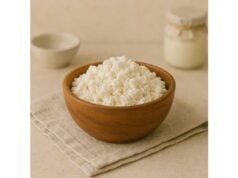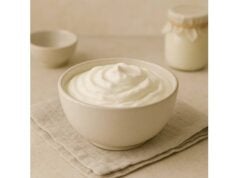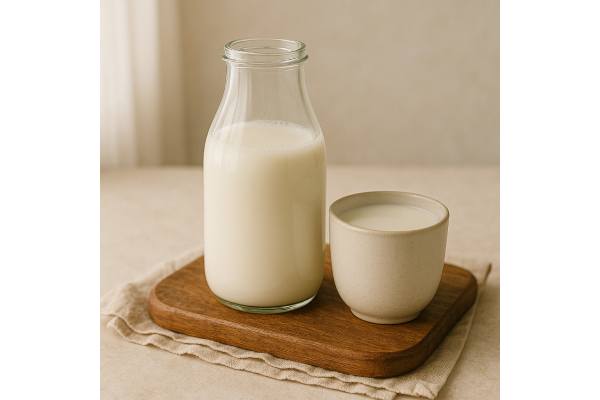
Camel milk has nourished people across arid landscapes for centuries. Today it is finding a place on modern tables for its gentle flavor, concentrated nutrition, and intriguing bioactives. Compared with cow’s milk, camel milk typically has similar protein, slightly different fats, and noticeably more vitamin C. Many people enjoy it chilled, in tea or coffee, or as the base for fermented drinks; small dairies also pasteurize and bottle it, while specialty makers turn it into powders and shelf-stable products. Research continues to explore potential roles for camel milk in metabolic health and immune support, yet it remains—first and foremost—food: a source of high-quality protein, calcium, potassium, and hydration. Because camels convert scarce forage and water into nutrient-dense milk, they also contribute to food security in dry regions. This guide brings together what you need to know: how camel milk compares nutritionally, what the most credible benefits and risks look like, how to choose and store it, and ways to use it in your kitchen while preserving nutrients and flavor.
Key Takeaways
- Provides complete protein, calcium (≈120 mg/100 g), and more vitamin C than cow’s milk.
- Considered by some with cow’s milk allergy; however, cross-reactivity can occur.
- A practical serving is 200–250 ml, up to several times per week as part of a varied diet.
- Avoid raw/unpasteurized camel milk if pregnant, immunocompromised, or serving young children.
Table of Contents
- Camel milk: detailed overview
- Camel milk nutrition profile (per 100 g)
- Evidence-based benefits of camel milk
- Risks, allergies and interactions
- Selecting quality, sustainability and storage
- Preparation, cooking and nutrient retention
- Portions, comparisons and FAQs
Camel milk: detailed overview
Camel milk is produced primarily by dromedaries (one-humped camels) across North Africa, the Middle East, and parts of Asia, with growing dairies in East Africa, Central Asia, and niche operations in Europe and North America. Its composition reflects adaptation to heat and scarce water: small fat globules dispersed in a relatively watery matrix, sturdy micelles of casein protein, and a suite of protective proteins (such as lactoferrin and lysozyme) that help preserve quality. In the glass, fresh camel milk appears bright white, mildly sweet, and sometimes slightly saline; flavor varies with pasture, water, and handling.
From a culinary perspective, camel milk behaves like a leaner whole milk. It steams well for lattes, blends smoothly into smoothies and soups, and sets into gentle yogurt under the right conditions. Cheese making is technically challenging because camel milk’s casein micelles and the low proportion of κ-casein resist firm coagulation; modern dairies use specialized rennets and techniques to obtain workable curds. Powdered camel milk offers portability and shelf stability, although heat treatment changes some sensory and functional properties.
Why are people seeking it out? Three reasons come up consistently:
- Nutrition density with a different balance: comparable protein to cow’s milk, with a modestly different fat composition (often a bit more unsaturated fat) and more vitamin C on average.
- Bioactive proteins and peptides: research is exploring antioxidant, antimicrobial, and immune-modulating activities of certain native and fermented components.
- Cultural continuity and sustainability: in drylands, camels convert sparse forage and brackish water into milk with a lower need for irrigated feed and intensive infrastructure.
It is important to pair enthusiasm with prudence. Camel milk is nutritious but not a medical cure. Health claims should be weighed against the quality of evidence, individual context, and food safety basics—particularly the need for pasteurization. If you are curious, start by tasting pasteurized camel milk on its own, then try it wherever you would use cow’s milk. The sections below give you the specifics to make confident choices.
Camel milk nutrition profile (per 100 g)
How to read this section: Values below are typical averages for pasteurized camel milk. Actual numbers vary by breed, diet, lactation stage, and processing. % Daily Value (%DV) uses adult reference intakes on current labels.
Macros & Electrolytes (per 100 g)
| Nutrient | Amount | %DV |
|---|---|---|
| Energy | 60 kcal | — |
| Water | 87 g | — |
| Protein | 3.2 g | 6% |
| Total fat | 3.5 g | 4% |
| Saturated fat | 2.0 g | 10% |
| Trans fat | 0 g | — |
| Carbohydrate (total) | 4.7 g | 2% |
| Total sugars (as lactose) | 4.7 g | — |
| Dietary fiber | 0 g | — |
| Sodium | 50 mg | 2% |
| Potassium | 160 mg | 3% |
Fats & Fatty Acids (per 100 g)
| Component | Amount | %DV (if applicable) |
|---|---|---|
| Saturated fatty acids | 2.0 g | 10% |
| Monounsaturated fatty acids | ~1.1 g | — |
| Polyunsaturated fatty acids | ~0.2 g | — |
| Cholesterol | 10 mg | 3% |
Protein & Amino Acids (per 100 g)
Camel milk provides complete protein with all essential amino acids. Typical total protein is ~3.2 g/100 g; lysine is relatively abundant. Caseins dominate, with a higher β-casein proportion and different micelle structure than cow’s milk, which influences processing behavior.
Vitamins (per 100 g)
| Vitamin | Amount | %DV |
|---|---|---|
| Vitamin C (ascorbic acid) | ~3 mg | 3% |
| Vitamin A (RAE) | ~40 µg | 4% |
| Riboflavin (B2) | ~0.09 mg | 7% |
| Thiamine (B1) | ~0.04 mg | 3% |
| Vitamin B12 (cobalamin) | ~0.4 µg | 17% |
| Niacin (B3) | ~0.1 mg | 1% |
| Pantothenic acid (B5) | ~0.3 mg | 6% |
| Folate (DFE) | ~5 µg | 1% |
| Vitamin D | 0–added if fortified | varies |
Minerals (per 100 g)
| Mineral | Amount | %DV |
|---|---|---|
| Calcium | ~120 mg | 9% |
| Phosphorus | ~90 mg | 7% |
| Magnesium | ~10 mg | 2% |
| Zinc | ~0.3 mg | 3% |
| Iodine | trace–variable | — |
| Iron | ~0.1 mg | 1% |
| Selenium | ~1–2 µg | 2–4% |
Allergens & Intolerance Markers
| Item | Note |
|---|---|
| β-lactoglobulin | Commonly reported as absent/not detected in camel milk; allergenicity differs from cow’s milk but cross-reactivity is possible. |
| Casein profile | Higher β-casein, lower κ-casein vs cow’s milk; still a potential allergen for those with broad dairy allergy. |
| Lactose | ~4.7 g/100 g; fermentation (yogurt/kefir) can reduce free lactose. |
Glycemic & Acid–Base Metrics (contextual)
| Metric | Estimate per 100 g |
|---|---|
| Available carbohydrate | ~4.7 g (lactose) |
| Estimated glycemic load | ~2 (low) |
| Potential renal acid load (PRAL) | ~+1 to +2 mEq (mildly acid-forming) |
Notes:
Values reflect unfortified, pasteurized camel milk unless marked. Vitamin A and D may be added in some markets; always check labels. %DV uses standard adult references (e.g., calcium 1300 mg/day, potassium 4700 mg/day, vitamin C 90 mg/day, saturated fat 20 g/day). Natural variation is expected.
Evidence-based benefits of camel milk
1) Foundational nutrition for bones, muscles, and hydration
Camel milk delivers complete protein (about 3.2 g/100 g) and readily absorbed calcium and phosphorus, supporting bone mineralization and muscle repair. The potassium content helps replenish electrolytes, and the high water fraction aids hydration—useful in hot climates or after activity.
2) Different fat and vitamin balance
Compared with typical cow’s milk, camel milk often has a slightly leaner fat profile with a bit more unsaturated fat relative to saturated fat, plus naturally more vitamin C on average. While not a vitamin C powerhouse, it contributes alongside fruit and vegetables, especially where fresh produce is scarce.
3) Bioactives of interest
Lactoferrin, lysozyme, and immune-modulating peptides present in camel milk and its fermented forms are under study for antioxidant and antimicrobial actions. These bioactives may help explain traditional uses and the growing scientific interest. Fermentation can generate additional peptides that influence flavor, texture, and potentially health-related mechanisms.
4) Metabolic health: what the research suggests and what it does not
Clinical research has explored camel milk as an adjunct in glucose regulation. Systematic reviews and meta-analyses pooling randomized trials report mixed but promising signals: some improvements in fasting glucose and lipid measures in certain subgroups, others showing neutral overall effects when all trials are combined. Importantly, these studies generally use pasteurized or carefully handled milk alongside standard care. The takeaway: camel milk can be part of a balanced diet for people managing blood sugar, but it is not a replacement for medical therapy.
5) Cow’s milk allergy context
Some individuals with IgE-mediated cow’s milk allergy tolerate camel milk because its protein profile lacks β-lactoglobulin and differs in caseins. However, cross-reactivity occurs; supervised testing is essential. For lactose intolerance, camel milk contains lactose in amounts similar to cow’s milk. Fermented camel milk or small portions alongside other foods may be more comfortable for some, but this is highly individual.
6) Fermented camel milk (yogurt/kefir-style) advantages
Fermentation can reduce free lactose, add live cultures, and increase shelf life. In warm regions, lightly soured camel milk has long supported food safety and nutrition. Modern starter cultures tailored to camel milk improve texture and consistency, offering a mild, spoonable yogurt suitable for sweet or savory applications.
What to expect in practice
- As everyday nourishment, camel milk contributes complete protein, calcium, potassium, vitamin B12, and modest vitamin C.
- As part of a healthy pattern—vegetables, whole grains, legumes, fruit, nuts/seeds, and other quality proteins—camel milk can help meet nutrient targets without excessive saturated fat or sodium.
- For specific outcomes (e.g., blood sugar, lipids, or allergy tolerance), discuss with a clinician; benefits vary by person and product.
Risks, allergies and interactions
Food safety first: pasteurization matters.
Like all mammalian milk, raw (unpasteurized) camel milk can carry pathogens such as Campylobacter, E. coli, Salmonella, Brucella, and Listeria. These organisms can cause severe illness, especially in pregnant individuals, young children, older adults, and those with weakened immunity. Pasteurization—heating milk to a specific temperature for a set time—greatly reduces these risks while preserving nutritional value. Choose pasteurized products and keep them cold (≤4 °C/40 °F).
Allergy considerations
- Cow’s milk allergy (CMA): Camel milk’s protein profile differs from cow’s milk and may be tolerated by some with CMA; others react due to cross-reactive caseins or shared epitopes. Do not trial at home if you have a history of anaphylaxis—consult an allergist for supervised evaluation.
- General dairy allergy: If you react to multiple dairy species, camel milk is not a safe substitute without medical guidance.
- Lactose intolerance: Camel milk contains lactose at levels similar to cow’s milk. Tolerance varies; fermented camel milk (yogurt/kefir-style) may be more comfortable for some because cultures consume a portion of lactose.
Medication and condition cautions
- Immunocompromised status, pregnancy, very young or very old age: Avoid raw products; stick to pasteurized milk and fermented products made from pasteurized milk.
- Diabetes management: Camel milk may be included as part of a carbohydrate-aware plan. If you monitor glucose or use insulin/secretagogues, track responses when introducing any new dairy to avoid hypoglycemia from miscounted carbs.
- Sodium-restricted diets: Camel milk is naturally moderate in sodium (~50 mg/100 g). Account for totals if your clinician recommends strict limits.
- Histamine intolerance: Some sensitive individuals report symptoms from fermented milks. Introduce gradually or choose fresh, pasteurized milk instead.
Quality variability
Nutrient values vary with breed, feed, and processing. Powdered products can have different vitamin levels; some are fortified (e.g., vitamins A and D), others are not. Always check labels for pasteurization status, fortification, and shelf-life instructions.
Bottom line on risk
Camel milk is as safe as other dairy when pasteurized and handled correctly. People at higher risk for foodborne illness should avoid raw milk. Those with milk allergy or intolerance need personalized guidance before trying camel milk.
Selecting quality, sustainability and storage
How to choose a good product
- Pasteurization clearly stated: Look for “pasteurized” on the label. If buying from a farm gate, ask specifically about pasteurization and temperatures used.
- Packaging and date codes: Choose sealed containers with a valid sell-by or use-by date. Avoid bulging caps, leaks, or off odors.
- Ingredient list: Many products are 100% milk. Some add vitamins A and D, or stabilize shelf-stable versions (e.g., UHT or powder). Fortification can be useful if you rely on milk for these nutrients.
- Flavor expectations: Fresh camel milk is clean, mildly sweet, sometimes faintly saline. Powdered versions may taste slightly cooked from heat treatment; reconstitute per directions for best results.
Sustainability notes
Camels thrive on sparse forage, tolerate heat, and can drink brackish water, making them well-suited to drylands where intensive cattle systems are impractical. In these settings, camel dairying supports local livelihoods and food security with relatively efficient water use per unit of edible output. Transportation and cold-chain needs still drive environmental impacts. Choosing regional producers, when available, reduces transport emissions and helps maintain freshness.
Storage and shelf life
- Refrigerated pasteurized milk: Keep at ≤4 °C/40 °F. Once opened, use within 5–7 days for best quality.
- UHT/shelf-stable milk: Unopened, store in a cool pantry; refrigerate after opening and use within 5–7 days.
- Powder: Store unopened in a cool, dry place. After opening, seal tightly; use within a month or as directed. Reconstituted milk should be refrigerated and used within 2–3 days.
- Freezing: You can freeze camel milk for 2–3 months; expect slight separation after thawing. Thaw in the refrigerator and shake before use.
Quality troubleshooting
- Slight sourness before the date: Temperature excursions during transport or storage can spur bacterial growth. Discard if flavor is sharply sour, curdled, or fizzy.
- Sediment or separation: Gentle shaking restores homogeneity in pasteurized milk; persistent clumps or ropiness indicate spoilage.
- Off notes (barny, bitter): Feed changes or lipase activity can cause off flavors; switch brands or batches if persistent.
Preparation, cooking and nutrient retention
Best everyday uses
- Drink it cold, plain, or lightly spiced. Try a chilled glass with dates or nuts, or warm it gently with cardamom or saffron.
- In coffee and tea. Camel milk steams nicely; microfoam is silky due to small fat globules.
- Smoothies and shakes. Blend with banana, mango, or cocoa; add oats or nut butter for body.
- Soups and sauces. Use where you’d use whole milk for gentle creaminess (e.g., tomato soup, chicken velouté).
Temperature guidance
- Gentle heating protects vitamins and proteins. Prolonged high heat darkens flavor and can denature whey proteins. Bring to a simmer for hot drinks and custards; avoid rolling boils.
- Pasteurization at home (if legally required/desired): Heat to 72 °C (162 °F) for 15 seconds (HTST-style) or 63 °C (145 °F) for 30 minutes (LTLT), then chill rapidly. Commercial pasteurization is preferred for consistency and safety.
Fermentation tips (yogurt/kefir-style)
Camel milk forms a softer, more delicate gel than cow’s milk. For fuller body:
- Heat milk to 85–90 °C (185–194 °F) for 10–15 minutes, then cool to 42–45 °C (108–113 °F).
- Use a starter culture suitable for camel milk (look for blends with Streptococcus thermophilus plus selected Lactobacillus strains).
- Incubate longer (8–12 hours) for a set, spoonable texture; then chill fully before stirring.
- For thicker yogurt, strain through cheesecloth (labneh-style) or add 2–3% milk powder before fermentation.
Nutrient retention quick wins
- Vitamin C is heat-sensitive: minimize unnecessary high heat; drink some milk fresh or lightly warmed.
- Protein quality holds up well: avoid scorching; use heavy-bottom pans and moderate heat.
- Minerals are stable: losses are minimal with typical cooking; watch for dilution in soups.
- Fermentation can lower lactose and add bioactive peptides: a plus for many.
Flavor pairings
- Sweet: dates, honey, vanilla, cinnamon, rosewater, cocoa, berries.
- Savory: turmeric, cumin, garlic, mint, cucumber, roasted peppers.
- Grains: bulgur, millet, couscous, oats.
- Proteins: pulses (red lentils, chickpeas), eggs, lean poultry.
Simple recipe idea: cardamom camel milk
Warm 250 ml camel milk with 2 lightly crushed cardamom pods and a strip of orange zest to just below a simmer; rest 5 minutes, strain, sweeten to taste, and serve.
Portions, comparisons and FAQs
Smart portioning
A practical serving is 200–250 ml (about 1 cup). That delivers ~6–8 g protein, ~7–9 g fat, ~9–12 g carbohydrates (mostly lactose), ~240–300 mg calcium, and ~320–400 mg potassium. Frequency can range from occasional to daily, depending on your overall diet and preferences.
Camel milk vs cow’s milk
- Protein: similar per 100 g; both complete.
- Fat: camel milk’s fat globules are smaller; fatty acid profile is slightly different, with a bit more unsaturated fats on average.
- Vitamins: camel milk typically contains more vitamin C; vitamin A and D often come from fortification in both milks depending on market.
- Allergens: camel milk lacks β-lactoglobulin and has different caseins; some people with cow’s milk allergy tolerate it, others do not.
- Taste/culinary use: slightly sweeter and sometimes faintly saline; great in hot drinks and smoothies; yogurt requires adapted cultures and longer fermentation.
Camel milk vs goat’s and sheep’s milk
- Goat: tangier flavor; generally higher medium-chain fatty acids; similar protein.
- Sheep: richer (more fat and protein); excellent for cheese; stronger taste.
- Camel: cleaner, milder flavor; softer yogurt gel; cheese making is more technical.
Who might benefit most?
- People seeking a nutrient-dense dairy with a different flavor profile.
- Individuals in hot climates who value hydration plus electrolytes and vitamin C.
- Cooks interested in new milks for coffee, smoothies, and gentle sauces.
- Select people with cow’s milk allergy under medical supervision.
Who should limit or avoid?
- Anyone at higher risk for foodborne illness should avoid raw camel milk; choose pasteurized only.
- People with broad dairy allergies unless an allergist confirms tolerance.
- Those with severe lactose intolerance may prefer fermented forms, lactose-free alternatives, or smaller portions with meals.
Frequently asked questions
- Does camel milk taste “gamey”? Most pasteurized products taste clean, lightly sweet, and milk-like; feed and handling matter more than species.
- Is powdered camel milk equal to fresh? Nutritionally similar when properly reconstituted; heat may slightly alter some fragile vitamins and flavor.
- Is camel milk naturally lactose-free? No. It contains lactose similar to cow’s milk; fermentation lowers free lactose.
- Can children drink it? Yes—if pasteurized and age-appropriate within a varied diet. Avoid raw milk for children.
- What about coffee drinks? Camel milk steams well; try a 1:1 mix with cow’s milk if you prefer a firmer foam.
References
- A Review on Camel Milk Composition, Techno-Functional Properties and Processing Constraints 2024 (Systematic Review)
- Raw Milk | Food Safety | CDC 2025 (Guidance)
- The Dangers of Raw Milk: Unpasteurized Milk Can Pose a Serious Health Risk | FDA 2024 (Guidance)
- Meta-analysis of the efficacy of camel milk consumption for improving autism symptoms in children in randomized clinical trials 2024 (Meta-analysis)
- Effect of Camel Milk on Glucose Homeostasis in Patients with Diabetes: A Systematic Review and Meta-Analysis of Randomized Controlled Trials 2022 (Systematic Review)
Disclaimer
This article is for general information and education. It does not replace personalized advice from your physician, registered dietitian, or other qualified health professional. If you have a medical condition, food allergy, are pregnant, immunocompromised, or plan to change your diet or medications, consult a licensed professional before using camel milk or related products.
If you found this helpful, please consider sharing it with a friend or on Facebook, X (formerly Twitter), or any platform you prefer. Your support helps us continue creating clear, careful nutrition guides.