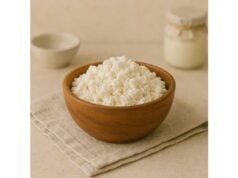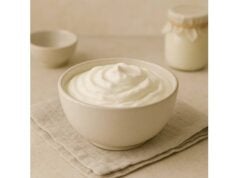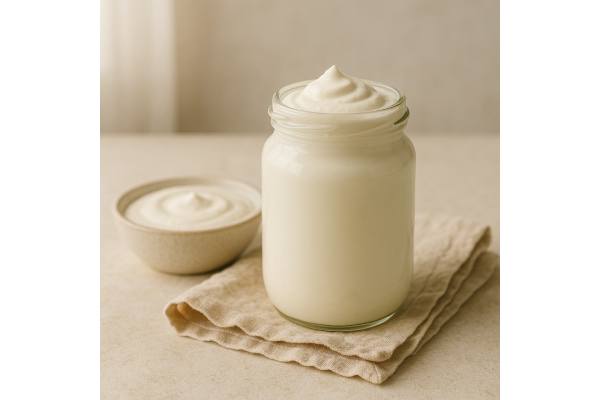
Camel yogurt is a cultured dairy food made by fermenting camel milk with starter bacteria, most often Lactobacillus delbrueckii subsp. bulgaricus and Streptococcus thermophilus. It tastes clean and gently tangy, with a silky body that’s naturally less firm than cow’s milk yogurt—one reason artisans often strain it or blend in milk solids for extra thickness. Nutrition-wise, camel yogurt supplies complete protein, highly bioavailable calcium, and B vitamins, while fermentation lowers lactose and adds live cultures that can help many people digest dairy better. In the kitchen, it’s a multitasker: a cool base for smoothies and bowls, a marinade that tenderizes meat and vegetables, and a velvety finish for soups and stews. Because camel milk comes from animals adapted to arid lands, camel dairying also supports pastoral livelihoods in regions where other dairy herds struggle. This guide brings together the practical details—how camel yogurt is made, what the nutrition label really means, where benefits and risks sit side by side, and how to buy, store, and cook with it for maximum flavor and value.
Quick Overview
- Live-culture camel yogurt is typically easier to digest than fresh milk because fermentation lowers lactose.
- Delivers complete protein (~3.5–4 g/100 g) and bioavailable calcium (~120 mg/100 g).
- Typical serving: 170 g (about 3/4 cup), enjoyed daily or several times weekly as part of mixed meals.
- Choose pasteurized products and keep cold; avoid raw-milk yogurt in pregnancy and for immunocompromised people.
- People with confirmed milk protein allergy should avoid camel yogurt unless specifically cleared by an allergist.
Table of Contents
- Camel yogurt: detailed overview
- Camel yogurt nutrition profile
- Camel yogurt benefits: evidence-based
- Risks, allergies and interactions
- Selecting quality, sustainability and storage
- Preparation, cooking and nutrient retention
- Portions, comparisons and FAQs
Camel yogurt: detailed overview
Where it comes from and how it’s made. Camel yogurt is produced by inoculating pasteurized camel milk with thermophilic “yogurt cultures”—most often the classic pair L. delbrueckii subsp. bulgaricus and S. thermophilus—and holding the milk warm until it acidifies to a safe pH (commonly near or below 4.6). Because camel milk has larger casein micelles, a different casein ratio (more β-casein, less κ-casein), and small, resilient fat globules, it sets more softly than cow’s milk yogurt. To improve body, makers may gently concentrate the milk (evaporation), add milk solids (skim milk powder), or strain the finished yogurt. None of these steps change the essential product: fermented milk with live cultures.
How camel yogurt differs from cow’s milk yogurt. Expect a cleaner, less buttery aroma and a silkier, less gelled spoonfeel, especially in unstrained styles. Camel milk carries more vitamin C than cow’s milk before fermentation; some is lost with heat and fermentation, but it can remain higher than in typical bovine yogurt. Lactose falls during fermentation, often landing below the level in fresh milk, and titratable acidity is comparable at a similar end-point pH. Because the fat globule membrane is robust, camel yogurt can feel creamy even when the fat percentage is modest.
Traditional relatives and modern formats. Across Central Asia and parts of North and East Africa, fermented camel milk appears as drinks (e.g., shubat/chal), lightly effervescent or still. Modern camel yogurt ranges from drinkable bottles to spoonable cups and strained labneh-style spreads. Some are plain and unsweetened; others blend fruit or honey. When shopping, the most meaningful label cues are “pasteurized,” “live and active cultures,” and the ingredient list (milk plus cultures, with optional milk solids or stabilizers for texture).
Culinary personality. Camel yogurt’s bright tang and clean dairy notes make it a natural partner for citrus, mint, dill, cucumber, apricot, dates, pistachio, toasted sesame, cumin, and coriander. It tenderizes proteins in marinades, cools spicy dishes, and provides body to smoothies and chilled soups without heavy cream. Strained camel yogurt behaves like a light cream cheese for dips and spreads; whisked with olive oil and lemon, it becomes a fast dressing for grains, tomatoes, or roasted carrots.
A note on availability. Camel yogurt remains a niche product beyond camel-keeping regions, but growth in specialty dairies and imported shelf-stable cultures has expanded access. If local options are limited, drinkable versions and frozen cultures for home fermentation are increasingly common from reputable producers.
Camel yogurt nutrition profile
Reading the numbers. Values below are per 100 g plain, unsweetened camel yogurt. Actual labels vary by fat level, solids, fermentation time, straining, and fortification. Most home servings are 150–200 g.
Macros and electrolytes (per 100 g)
| Nutrient | Amount | % Daily Value |
|---|---|---|
| Energy | ~65 kcal | — |
| Protein | ~3.8 g | 8% |
| Total Fat | ~3.2 g | 4% |
| Saturated Fat | ~1.9 g | 10% |
| Total Carbohydrate | ~4.8 g | 2% |
| Total Sugars (includes lactose) | ~4.6 g | — |
| Dietary Fiber | 0 g | 0% |
| Sodium | ~45 mg | 2% |
| Potassium | ~150 mg | 3% |
| Water | ~87–88 g | — |
Fats and fatty acids
| Component | Amount per 100 g | Notes |
|---|---|---|
| Monounsaturated fat | ~1.1 g | Mostly oleic acid (C18:1). |
| Polyunsaturated fat | ~0.1–0.2 g | Small amounts of linoleic and alpha-linolenic acids. |
| Cholesterol | ~10–12 mg | Typical for yogurt at this fat level. |
Protein and amino acids
| Metric | Value | Context |
|---|---|---|
| Protein | ~3.8 g | Complete protein with all essential amino acids. |
| Casein-to-whey profile | β-casein dominant | Contributes to softer gel; helpful for some digestibility perceptions. |
Vitamins (per 100 g)
| Vitamin | Amount | % Daily Value |
|---|---|---|
| Vitamin B12 (cobalamin) | ~0.30 µg | 13% |
| Riboflavin (B2) | ~0.20 mg | 15% |
| Vitamin A (RAE) | ~40 µg | 4% |
| Vitamin C | ~2 mg | 2% |
| Vitamin D* | 0–1 µg | 0–5% |
*Varies by sunlight exposure of animals and fortification; many yogurts are not fortified.
Minerals (per 100 g)
| Mineral | Amount | % Daily Value |
|---|---|---|
| Calcium | ~120 mg | 9% |
| Phosphorus | ~95 mg | 8% |
| Magnesium | ~12 mg | 3% |
| Zinc | ~0.5 mg | 5% |
Allergens and intolerance markers
- Milk proteins present; camel milk lacks β-lactoglobulin (a common bovine whey allergen), but cross-reactivity with other milk proteins can still occur.
- Lactose reduced versus fresh milk; residual ~3–5 g/100 g depends on culture and time.
- Biogenic amines (e.g., histamine) typically low-to-moderate in fresh yogurt; can increase with extended storage or poor hygiene.
Glycemic and acid–base metrics
- Glycemic impact: small portion of available carbohydrate and high water content produce a low glycemic load per 100 g.
- pH: finished yogurt generally at or below 4.6; straining concentrates nutrients without meaningfully changing pH.
Additives and fortification
- Ingredient lists may include milk solids (for thickness) or stabilizers such as pectin or starch. Fortification with vitamin D is brand-specific. Choose plain, unsweetened styles if you’re managing sugars.
Footnote on DVs: %DV calculations use common labeling reference values (e.g., fat 78 g, saturated fat 20 g, sodium 2,300 mg, calcium 1,300 mg, B12 2.4 µg, riboflavin 1.3 mg, vitamin C 90 mg, phosphorus 1,250 mg, potassium 4,700 mg). Product labels take precedence where they differ.
Camel yogurt benefits: evidence-based
Supports lactose digestion for many people. Live cultures in yogurt supply β-galactosidase, the same enzyme the body uses to break down lactose. During fermentation, bacteria consume part of the lactose; once eaten, those live cultures continue helping digestion in the small intestine. For many with lactose maldigestion, this means camel yogurt—and yogurt in general—is easier to tolerate than fresh milk. To maximize the effect, choose products labeled with “live and active cultures” and eat them fresh.
Delivers complete protein in a light package. Per 170 g (about 3/4 cup), plain camel yogurt offers roughly 6–7 g protein in low-fat styles and more in strained varieties. That’s enough to steadier post-meal hunger when paired with fruit and whole grains. Because fermentation slightly pre-digests proteins, yogurt often feels gentler than a similar amount of unfermented milk for some people.
Bone-friendly minerals that absorb well. Calcium in yogurt is highly bioavailable, with phosphorus and magnesium alongside to support bone mineralization. A 170 g serving commonly contributes ~15% of daily calcium needs in standard styles, and more if the yogurt is strained (less water, more solids per spoonful). For those who avoid cheese’s higher sodium and saturated fat, yogurt is a lower-salt way to get dairy minerals.
B vitamins for energy metabolism. Camel yogurt naturally supplies riboflavin (B2) and cobalamin (B12) from both milk and microbial synthesis during fermentation. These vitamins support red blood cell formation and energy-releasing pathways. Depending on diet patterns, regular servings can help fill small but meaningful gaps.
A versatile vehicle for dietary patterns linked to better metabolic health. Evidence consistently favors eating patterns rich in minimally processed foods, legumes, vegetables, fruits, and unsalted nuts. Camel yogurt fits easily: it pairs with fiber-rich foods for breakfasts and snacks, acts as a lower-salt alternative to cream in sauces, and brings flavor that may reduce the need for added sugar or excess oil in dressings and dips.
Gentle on the palate and stomach. The tang of camel yogurt is present without sharpness, which helps in reintroducing dairy after illness or during appetite recovery. Small, frequent servings (2–4 tablespoons at a time) can be useful when you’re regaining intake after GI upset; the low lactose and soft texture are often well tolerated.
Performance angles for active people. As a post-exercise option with fruit and honey, camel yogurt supplies fast and slow carbohydrates, protein for repair, and fluid. If you’re replacing higher-sodium dairy foods, plain yogurt keeps total sodium modest while still delivering calcium and potassium.
Bottom line: Camel yogurt is not a cure-all, but used daily or several times a week, it provides an easy, tasty way to add complete protein, absorbable calcium, and helpful bacteria—especially when combined with high-fiber, plant-forward meals.
Risks, allergies and interactions
Milk allergy vs. lactose intolerance. Camel yogurt still contains milk proteins. Some individuals with cow’s milk allergy tolerate camel milk because it lacks β-lactoglobulin, but cross-reactivity with caseins and other whey proteins is possible. If you have a confirmed IgE-mediated milk allergy, do not assume camel yogurt is safe; seek allergist guidance and a supervised food challenge if appropriate. Lactose intolerance is different: most people with maldigestion tolerate live-culture yogurt better than milk because of reduced lactose and bacterial β-galactosidase.
Raw-milk risks and pregnancy. Unpasteurized milk and products made from it can carry pathogens. Pasteurization and proper fermentation lower risk significantly, but do not eliminate it if hygiene is poor. During pregnancy, for older adults, and for immunocompromised people, stick to pasteurized products from trusted producers and observe use-by dates.
Added sugars and energy density. Fruit-flavored and dessert-style yogurts may add 10–20 g sugar per serving. Over time, this undermines the advantages of a protein-rich snack. To keep sugars in check, choose plain yogurt and sweeten at home with whole fruit, a sprinkle of dates or raisins, or a teaspoon of honey if desired.
Biogenic amines (histamine). Fresh yogurt tends to contain low levels; however, amounts can climb with extended storage, higher temperatures, or additional fermentations. If you experience flushing, hives, or headaches after fermented foods, opt for very fresh yogurt, keep portions small, and avoid long storage.
Medication and condition caveats.
- MAOI medicines: Tyramine is typically far lower in fresh yogurt than in aged cheeses, but sensitive individuals should still prioritize very fresh, well-refrigerated products and modest portions.
- Hyperkalemia or severe renal disease: Even modest potassium adds up; consult your renal dietitian before adding frequent yogurt servings.
- Diabetes management: Plain yogurt can fit well, but sweetened products raise post-meal glucose; build bowls around fiber and protein.
- Reflux: Rich or late-night servings may aggravate symptoms for some; smaller, earlier portions can help.
Food safety at home. Keep yogurt at ≤4 °C, limit room-temperature exposure to ≤2 hours, seal tightly, and avoid double-dipping. Discard if you notice off-odors, bubbling unrelated to opening, visible mold, or separation that does not whisk back.
Selecting quality, sustainability and storage
What to look for on the label.
- Pasteurized milk and live and active cultures are the two most important cues.
- Plain, unsweetened versions keep sugars low; choose fruit toppings you control.
- Strained vs. unstrained: strained styles (labneh-like) pack more protein and calcium per spoonful; unstrained are lighter and drinkable.
- Ingredients: ideal list is milk and cultures, optionally milk solids for thickness. Stabilizers such as pectin or starch are fine when used lightly, but they don’t replace good fermentation.
- Fortification: some brands add vitamin D; check the nutrition panel if this matters to you.
Sourcing and sustainability. Camel dairying supports communities in arid lands where cattle dairying is not feasible. Responsible producers publish herd care, grazing, and cold-chain practices. Packaging matters too: large tubs reduce plastic per serving; glass is reusable; single-serves are convenient but waste-heavier unless recycled.
Judging freshness and quality.
- Date: choose the furthest use-by date and buy from the coldest case.
- Texture: expect smooth and uniform; a small whey layer is normal—stir it in for minerals and water-soluble vitamins.
- Aroma and flavor: clean, tangy, not yeasty or cheesy. A persistent “bready” or solvent note suggests unwanted microbes or storage abuse.
Storage and shelf life.
- Fridge: ≤4 °C; keep sealed. Opened yogurt usually holds 5–7 days at best quality; strained versions last slightly longer due to lower water.
- Freezer: possible but changes texture; thawed yogurt works in baking and smoothies. To preserve live cultures, rely on refrigeration and buy volumes you’ll finish.
- Cross-contamination: spoon into a bowl rather than eating from the tub. Close promptly and store away from odor-strong foods.
Smart buying tips. Try one small tub from several producers to find the flavor and texture you prefer. If availability is limited, consider drinkable versions or shelf-stable culture packets for home fermentation with pasteurized camel milk from a reputable supplier.
Preparation, cooking and nutrient retention
Keep the cultures alive when you want them. High heat inactivates live bacteria. For hot dishes, add yogurt at the end and avoid boiling. If you need a stable hot sauce, use tempered yogurt (see below) or accept that the dish will be delicious but not probiotic.
Master tempering to prevent curdling.
- Whisk 1 cup camel yogurt with 1 teaspoon cornstarch (optional but helpful).
- Warm 1 cup of your hot soup or sauce; drizzle it slowly into the yogurt while whisking.
- Return the mixture to the pot off-heat and stir gently just to steaming, not boiling.
This keeps proteins from tightening and graininess from forming.
Everyday uses (with portions).
- Breakfast bowl (5 minutes): 170 g camel yogurt, 1 small apple, 20 g walnuts, cinnamon, and a drizzle of honey (optional). Protein ~10 g (strained: higher).
- Cucumber-mint raita: 1 cup yogurt, 1 cup grated cucumber, mint, lemon, and a pinch of salt; serve with grilled fish or lentils.
- Marinade for chicken or mushrooms: 1 cup yogurt + garlic + cumin + coriander + lemon; marinate 30–120 minutes. The acid and calcium help tenderize.
- Creamy dressing: whisk yogurt with olive oil, lemon, Dijon, and dill; thins with water instead of cream.
- Frozen bark: spread yogurt on a lined tray, top with berries and pistachios, freeze, and snap into shards for a light dessert.
Straining for labneh-style yogurt.
- Spoon 1 kg yogurt into a cheesecloth-lined sieve over a bowl.
- Refrigerate 6–12 hours.
- The result is thick, spreadable yogurt with higher protein and lower lactose per spoonful. Stir in olive oil and za’atar for a savory dip.
Home fermentation (for experienced users with safe milk).
- Heat pasteurized camel milk to ~85–90 °C for 10–30 minutes (improves texture). Cool to ~42–43 °C.
- Stir in a direct-vat yogurt culture.
- Incubate warm (e.g., yogurt maker) until tangy and set (usually 6–10 hours for camel milk).
- Chill promptly to stop acidification.
Note: Use only pasteurized milk and clean equipment; if you’re pregnant or immunocompromised, prefer commercial pasteurized yogurt.
Retain nutrients and flavor.
- Stir in fruits and nuts just before serving to preserve texture and vitamin C.
- If you strain yogurt, don’t discard the whey—use it in pancakes, bread, soups, or smoothies for added minerals and tang.
Portions, comparisons and FAQs
How much to eat and how often. A practical target for most adults is 170 g (about 3/4 cup) of plain camel yogurt daily or several times per week, paired with fiber-rich foods. If you prefer strained styles, 120–150 g offers similar protein and minerals in fewer spoonfuls. Children’s portions are smaller (90–120 g), adjusted for appetite and energy needs.
Comparisons (per 100 g, plain, typical values).
- Camel yogurt: ~65 kcal, 3.8 g protein, 3.2 g fat, 4.8 g carbs, ~120 mg calcium; live cultures lower lactose vs. milk.
- Cow’s milk yogurt (whole, plain): ~61–67 kcal, ~3.4 g protein, ~3.3 g fat, ~4.7 g carbs, ~121 mg calcium; firmer gel due to different casein ratio.
- Kefir (camel or cow): similar calories but usually thinner and lightly effervescent; may contain a broader microbe spectrum; typically slightly higher residual lactose than fully set yogurt, depending on fermentation.
- Labneh/strained yogurt: more protein and calcium per spoon due to lower water; often used as a spread.
- Plant “yogurts”: nutrition varies widely; many require fortification to match calcium or B12; check labels for added sugars and live cultures.
Frequently asked questions
Is camel yogurt lactose-free? No. It is lower in lactose than fresh milk, and most people with lactose maldigestion tolerate it better. Residual lactose depends on culture and time; strained yogurt concentrates protein and calcium while reducing lactose per spoonful.
Is camel yogurt safe in pregnancy? Yes—when it’s pasteurized, well-refrigerated, and within its date. Avoid products made from raw milk.
Does camel yogurt help the gut microbiome? It contributes live bacteria and fermentation by-products that can support digestive comfort. For a diverse microbiome, focus on overall diet quality (fiber, variety) and use yogurt as one helpful component.
Can people with cow’s milk allergy eat camel yogurt? Some cannot. Camel milk lacks β-lactoglobulin, but other proteins can still trigger reactions. Only an allergist can advise safely.
Why is the texture sometimes runny? Camel milk’s casein balance builds a softer gel. Makers often strain or add milk solids for body. At home, brief straining in a lined sieve yields a luscious, thick style.
What about sodium and sugar? Plain camel yogurt is naturally low in sodium and modest in sugars (mostly residual lactose). Flavored cups can add 10–20 g sugars per serving; choose plain to control sweetness.
Can I cook with it without curdling? Yes—temper before adding to hot dishes and avoid boiling. For guaranteed stability, stir in just before serving.
References
- A Review on Camel Milk Composition, Techno-Functional Properties and Processing Constraints 2024 (Review).
- Camel Milk: Antimicrobial Agents, Fermented Products and Food Safety 2024 (Review).
- Camel milk products: innovations, limitations and opportunities 2023 (Review).
- FDA Amends Standard of Identity for Yogurt 2024 (Regulatory Update).
- STANDARD FOR FERMENTED MILKS CXS 243-2003 2025 (Standard).
Disclaimer
This information is educational and is not a substitute for personalized medical advice, diagnosis, or treatment. Nutrition and food safety needs vary by health status, age, medications, and pregnancy. If you have lactose intolerance, a milk protein allergy, a compromised immune system, or are pregnant, seek guidance from a qualified clinician or dietitian before changing your diet. If you suspect foodborne illness or an allergic reaction, seek medical care immediately.
If this article was helpful, please consider sharing it on Facebook, X (formerly Twitter), or any platform you prefer. Your support helps us keep creating careful, evidence-based guides.