Camu camu (Myrciaria dubia) is a small, intensely sour Amazonian fruit that has become popular well beyond its native riverbanks for one simple reason: it is naturally concentrated in vitamin C and a wide range of antioxidant polyphenols. In practice, that combination makes camu camu less of a “miracle cure” and more of a strategic tool—useful when you want to support immune function, collagen production, and overall antioxidant intake without relying solely on synthetic vitamin C.
Most people use camu camu as a powder or capsule because the fresh fruit is extremely tart. It’s commonly added to smoothies, yogurt, and diluted drinks, and it’s also explored for anti-inflammatory and metabolic support. Still, the most important detail is also the most overlooked: vitamin C and polyphenol levels can vary widely by processing, storage, and product quality. Used thoughtfully, camu camu can fit into a balanced routine—but it also deserves basic safety precautions, especially for people prone to kidney stones or those who need to manage iron levels carefully.
Essential Insights
- Use camu camu to top up daily vitamin C and polyphenol intake, not as a stand-alone treatment for illness.
- Start with 1–3 g powder daily (or an equivalent capsule dose) and adjust based on the label’s vitamin C amount.
- Avoid high total vitamin C intake if you are prone to kidney stones or have significant kidney disease.
- People with hemochromatosis or iron overload should avoid high-dose camu camu unless clinically advised.
Table of Contents
- What is camu camu?
- Key ingredients in camu camu
- Does camu camu support health?
- How to use camu camu
- How much camu camu per day?
- Side effects and who should avoid
- What the evidence says
What is camu camu?
Camu camu is a small berry-like fruit from the Amazon basin, traditionally harvested near rivers and floodplains. Botanically, it belongs to the myrtle family (Myrtaceae), which includes other aromatic, polyphenol-rich plants. Fresh camu camu is rarely eaten out of hand because it is sharply acidic—many people describe it as “mouth-puckering.” That tartness is not a flaw; it reflects the fruit’s organic acids (such as malic acid) and its unusually high concentration of certain water-soluble compounds.
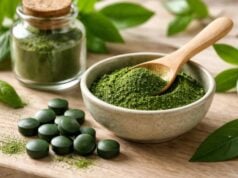
In modern wellness use, camu camu is usually consumed as a freeze-dried powder, spray-dried powder, or encapsulated supplement. The goal is practical: preserve vitamin C and polyphenols in a form you can measure. It’s sometimes compared with other “Amazon superfruits,” including açaí’s antioxidant-focused nutrition profile, but camu camu’s calling card is its vitamin C density rather than fat-based nutrients.
A helpful way to think about camu camu is as a “whole-food vitamin C matrix.” In addition to vitamin C, it contains plant pigments (anthocyanins), tannin-like compounds (including ellagitannins), and flavonols (such as quercetin and myricetin). This matters because people often tolerate whole-food sources differently than isolated nutrients, and the combination may influence how the body handles oxidative stress and inflammation signals.
That said, camu camu is not a substitute for sleep, protein, fruits and vegetables, or medical care. Its best role is narrower and more realistic: it can help fill nutrient gaps, support collagen production when dietary vitamin C is low, and add antioxidant diversity when your diet is repetitive or when you want a measured supplement option instead of large doses of synthetic ascorbic acid.
Finally, because camu camu products are processed foods, “what it is” includes how it’s made. Heat, light, humidity, and long storage can all degrade vitamin C. Choosing the right form—and using it correctly—often makes the difference between a product that meaningfully contributes to your diet and one that is mostly a sour-tasting powder with a premium price tag.
Key ingredients in camu camu
Camu camu’s benefits are usually traced back to two major categories: vitamin C and polyphenols. Understanding both helps you choose better products and set more accurate expectations.
Vitamin C (ascorbic acid)
Vitamin C is essential for collagen synthesis, immune cell function, antioxidant recycling, and wound healing. Camu camu is well known for having a high vitamin C content, but the exact amount can vary dramatically based on cultivar, ripeness, geography, and—most importantly—processing. This is why the supplement label matters more than generic claims. If you want the “vitamin C effect,” use the label’s stated vitamin C (mg) as your dosing compass, and treat the powder grams as a secondary measure. If you want a deeper grounding in how vitamin C works in the body, the ascorbic acid guide is a useful companion topic.
Polyphenols and plant pigments
Camu camu contains multiple polyphenol families, including:
- Anthocyanins (often responsible for red-purple coloration in ripening fruit): commonly discussed for antioxidant signaling and vascular support.
- Flavonols (such as quercetin and myricetin): studied for antioxidant and anti-inflammatory pathway modulation.
- Ellagic acid derivatives and ellagitannins: tannin-like compounds associated with antioxidant capacity and possible microbiome-related effects.
- Proanthocyanidins: polyphenols sometimes linked with vascular and skin-related antioxidant support.
These compounds do not “replace” vitamin C; they complement it. A practical implication is that two camu camu products with similar vitamin C (mg) may feel different in the body depending on how much of the polyphenol fraction was preserved.
Organic acids and minerals
Camu camu naturally contains acids like malic acid. This contributes to sourness and may also influence stomach tolerance. Some products can cause mild heartburn or stomach upset if taken on an empty stomach, especially at higher doses. Minerals are present in smaller amounts compared with whole fruits and vegetables, so camu camu should not be treated as a mineral supplement.
Why processing changes the “ingredient profile”
Freeze-drying tends to preserve heat-sensitive compounds better than some high-heat methods, while spray-drying can be effective when protective carriers are used. Humidity during storage can degrade vitamin C and shift flavor. This is why product handling—airtight storage, avoiding heat, and reasonable “use-by” timelines—belongs in the same conversation as ingredients.
Does camu camu support health?
Most interest in camu camu falls into a few familiar categories: immune support, skin and collagen, inflammation balance, and metabolic health. The most helpful way to evaluate these claims is to separate what camu camu is well positioned to do (based on known nutrient functions) from what remains more experimental.
Immune function support
Vitamin C contributes to normal immune cell activity, including barrier integrity and certain white blood cell functions. If your diet is low in vitamin C, camu camu can be a convenient way to close that gap—especially in seasons when fresh produce intake dips or when appetite is reduced. The key expectation shift is this: vitamin C supports immune function, but it does not guarantee you will avoid colds, and it is not a treatment for active infection. Many people report that consistent, moderate dosing is more useful than occasional “megadoses,” which are more likely to cause stomach upset.
Skin, collagen, and recovery
Collagen formation depends on vitamin C as a cofactor. In practical terms, that means camu camu can support skin elasticity and wound healing when vitamin C intake is insufficient. If your diet already includes adequate vitamin C (for example, from citrus, peppers, or berries), camu camu may offer less noticeable change—though it can still add polyphenol variety.
Antioxidant and inflammation balance
Camu camu offers antioxidant compounds that may influence oxidative stress signaling. This does not mean it “neutralizes all free radicals” (your body needs oxidative signaling), but it may support a healthier balance when lifestyle factors are pushing inflammation upward—poor sleep, high stress, smoke exposure, or a diet low in colorful plants. The most realistic outcome is modest: support for inflammatory tone and recovery, not an immediate “anti-inflammatory switch.”
Metabolic and liver-related interest
A growing area of interest is camu camu’s polyphenol fraction as a prebiotic-like input that may influence gut microbiota and downstream metabolic markers. Early human findings suggest potential effects on liver fat and liver enzymes in specific populations, which is promising but not universal. It is best viewed as an adjunct to foundational interventions (nutrition pattern, weight management when indicated, and activity).
What camu camu does not replace
Camu camu is not a substitute for medical treatment of chronic disease, nor is it a reliable stand-alone solution for fatigue, mood disorders, or infections. If you treat it as a targeted nutrient tool—primarily vitamin C plus polyphenols—you’ll be much more satisfied with what it can realistically deliver.
How to use camu camu
Camu camu is easiest to use when you treat it like a concentrated ingredient rather than a “drink mix” you gulp quickly. Its strong acidity can be an advantage (it blends well with fruit-forward flavors), but it can also be a barrier if you take it straight.
Common forms
- Powder (freeze-dried or spray-dried): Most versatile for food use. Quality varies widely, so look for a clear vitamin C amount per serving and a realistic serving size.
- Capsules: Convenient and more consistent for dosing. Often better for people who dislike the taste.
- Liquid extracts and juices: Can be effective, but vitamin C stability may be lower depending on processing, storage, and added ingredients. Look for a stated vitamin C content per serving and a reasonable shelf-life plan.
Practical ways to take it
- Smoothies: Add camu camu near the end of blending to limit heat buildup. Pair with mango, banana, pineapple, or berries to soften acidity.
- Yogurt or kefir: The tang fits naturally. Stir in thoroughly and start with a smaller amount to test tolerance.
- Oatmeal or chia pudding: Mix after cooking (heat can reduce vitamin C over time).
- Diluted drinks: Use cold water, coconut water, or a light juice base. Sip rather than chug if you’re sensitive.
If your goal is skin support, some people pair camu camu with protein-rich foods or supplements because collagen formation needs amino acids as building blocks. A related option some readers explore is collagen peptides for skin and joint support, with vitamin C acting as a supportive cofactor rather than the “main ingredient.”
Timing and habit design
- With food is often best for stomach comfort.
- Morning or midday works well if you find acidity stimulating.
- Consistency beats intensity: A moderate daily dose is usually more practical than occasional large doses.
Storage matters more than most people think
Vitamin C is sensitive to moisture and heat. Keep powder tightly sealed, away from light, and out of humid environments (like above the stove). If you buy a large container, consider transferring part to a smaller jar for daily use to reduce repeated air exposure.
Finally, if you’re using camu camu primarily for vitamin C, don’t guess—use the label’s vitamin C amount to guide your intake, especially if you also take a multivitamin or fortified foods.
How much camu camu per day?
Because camu camu products vary widely in vitamin C concentration, the smartest dosing strategy is to choose your target vitamin C range first, then translate that into grams or capsules using the product label.
A practical daily range for most adults
For general wellness use, many people do well with:
- Powder: 1–3 g daily, often split into 1–2 servings
- Capsules: 500–1,500 mg daily total powder equivalent (depending on capsule size), with water and preferably with food
These ranges are intentionally conservative because a “small scoop” can still contribute a meaningful amount of vitamin C, and pushing doses higher increases the chance of stomach upset.
Use vitamin C (mg) as the dosing anchor
If your product lists vitamin C per serving, you can aim for a practical contribution such as:
- 100–500 mg vitamin C per day from camu camu (often enough to meaningfully supplement a low produce day)
This approach helps you stay well below very high total vitamin C intake when you also consider dietary sources (citrus, peppers, broccoli) and supplements.
If you want a clearer framework for vitamin C targets and upper limits, see vitamin C dosing and safety guidance for context—then apply it to the camu camu label rather than relying on generic “superfruit” marketing.
When to take it
- With breakfast or lunch: reduces nausea risk and can fit easily into food.
- Before or after exercise: some people use it for antioxidant support, but very high antioxidant dosing right around training is not always helpful for adaptation. Moderate intake is a safer default.
- Split dosing: If 2–3 g powder upsets your stomach, split into two smaller servings.
How long to use it
Camu camu can be used seasonally (for example, during low-produce months) or as a long-term, low-dose staple. A reasonable routine is 4–12 weeks, then reassess: Do you feel better? Are you tolerating it? Are you duplicating vitamin C from multiple products?
Signs your dose is too high
- Loose stools or stomach cramping
- Heartburn or acid irritation
- Headaches or nausea after dosing (often improves with lower dose and food)
If any of these appear, reduce the dose, take it with food, or switch to capsules for steadier tolerance.
Side effects and who should avoid
Camu camu is generally used as a food-derived supplement, but “natural” does not mean risk-free. Most issues come from its high vitamin C potential, its acidity, and the fact that supplements vary in strength.
Common side effects
- Stomach upset: nausea, cramping, or reflux—more likely on an empty stomach or at higher doses
- Loose stools: a classic sign of too much vitamin C intake for your personal tolerance
- Tooth sensitivity: acidic powders mixed in water and sipped frequently can irritate enamel over time (dilute well, drink with meals, and consider rinsing your mouth with plain water afterward)
Kidney stone risk and kidney disease
High vitamin C intake can increase urinary oxalate in some people, which may raise kidney stone risk—especially if you have a history of calcium oxalate stones. If you have chronic kidney disease or recurrent stones, avoid high-dose camu camu unless your clinician has specifically approved it.
Iron overload and hemochromatosis
Vitamin C can increase non-heme iron absorption. For people with hemochromatosis or iron overload, high-dose vitamin C sources can be counterproductive. If this applies to you, it’s safest to avoid high-dose camu camu and discuss your overall iron strategy with a clinician. For broader context on iron dosing and risk tradeoffs, see iron dosing and safety considerations.
Medication and treatment considerations
- Anticoagulants and antiplatelet therapy: very high-dose vitamin C may complicate monitoring in some cases, so consistency matters.
- Chemotherapy or radiation: antioxidant supplements are sometimes discouraged during active cancer treatment depending on regimen and goals. Camu camu’s high vitamin C potential makes it a “do not self-prescribe” supplement in this setting.
- Gout or uric acid issues: vitamin C can influence uric acid dynamics; effects can be helpful for some and irritating for others. Monitor symptoms.
Who should avoid camu camu unless medically advised
- Pregnant or breastfeeding individuals (limited safety data for supplemental dosing)
- People with recurrent kidney stones or significant kidney disease
- People with hemochromatosis or iron overload
- Anyone on complex medication regimens who cannot easily monitor interactions
Allergy and product quality risks
True allergy is uncommon but possible. More common is sensitivity to additives, fillers, or contaminants. Choose products with third-party testing when possible, and stop use if you develop hives, wheezing, or swelling.
If in doubt, lower the dose and prioritize consistency over intensity.
What the evidence says
The research story for camu camu is promising but uneven. There is strong interest in its chemistry (vitamin C plus diverse polyphenols) and in how those compounds may influence oxidative stress and metabolic pathways. However, the number of large, long-term human trials is still limited, and product variation makes comparisons difficult.
What looks strongest
- Nutrient logic: Vitamin C’s role in immune function and collagen is well established, and camu camu can be a concentrated dietary source when the label confirms vitamin C content.
- Antioxidant potential: Laboratory and mechanistic studies consistently show high antioxidant capacity, and the polyphenol profile supports a plausible anti-inflammatory effect.
- Emerging human metabolic data: A randomized crossover trial in adults with overweight and elevated triglycerides reported that daily camu camu capsules (1.5 g/day for 12 weeks) reduced liver fat and improved liver enzymes compared with placebo, alongside microbiome shifts. This does not prove camu camu “treats fatty liver,” but it is a meaningful signal that the fruit’s polyphenols may have clinically relevant effects in specific groups.
Where evidence is still limited
- “Immune boosting” claims: While vitamin C supports normal immune function, claims that camu camu prevents colds or infections outright are stronger than the evidence supports.
- Skin transformation claims: Collagen support is plausible, but dramatic cosmetic effects are unlikely unless vitamin C intake was previously low.
- Dose certainty: Because products vary, “the dose used in studies” may not translate cleanly to your powder scoop unless the product is standardized.
How to choose a better product
- Look for stated vitamin C content (mg) per serving. If the label does not state vitamin C, you are dosing blind.
- Prefer gentle processing and clear storage guidance. Freeze-dried or carefully spray-dried products often preserve more actives.
- Check for third-party testing. This is especially important for powders (contaminants and label accuracy are the main concerns).
- Avoid “mega-dose” positioning. More is not always better; it often just increases side effects.
- Match the product to your goal. If you primarily want vitamin C, a standardized label matters more than exotic marketing. If you want polyphenols, look for products that discuss polyphenol content or preserve whole-fruit fractions.
Putting it together
Camu camu makes the most sense when used as a measured, food-derived supplement: moderate dose, consistent routine, label-based vitamin C tracking, and realistic expectations. If you want a “one-word summary,” it’s this: promising—especially for antioxidant diversity and targeted metabolic research—without being a replacement for foundational nutrition and medical care.
References
- Nutritional Composition, Pharmacological Properties, and Industrial Applications of Myrciaria dubia: An Undiscovered Superfruit 2025 (Review)
- Camu-camu decreases hepatic steatosis and liver injury markers in overweight, hypertriglyceridemic individuals: A randomized crossover trial 2024 (RCT)
- Characterization and bioaccessibility assessment of bioactive compounds from camu-camu (Myrciaria dubia) powders and their food applications 2024
- Comparison of the Stability of a Camu Camu Extract Dried and Encapsulated by Means of High-Throughput Electrospraying Assisted by Pressurized Gas 2024
- Camu Camu (Myrciaria dubia (Kunth) McVaugh): An Amazonian Fruit with Biofunctional Properties-A Review 2023 (Review)
Disclaimer
This article is for educational purposes only and does not provide medical advice, diagnosis, or treatment. Dietary supplements can affect people differently based on health status, medications, and total nutrient intake. If you are pregnant or breastfeeding, have kidney disease or a history of kidney stones, have iron overload, or take prescription medications (including blood thinners or cancer therapies), consult a qualified healthcare professional before using camu camu. Seek urgent medical care for signs of an allergic reaction (such as swelling, wheezing, or hives).
If you found this guide useful, consider sharing it on Facebook, X (formerly Twitter), or your preferred platform so others can reference it when comparing camu camu products and dosing choices.