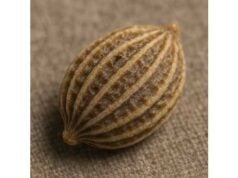
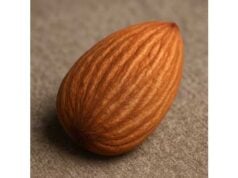
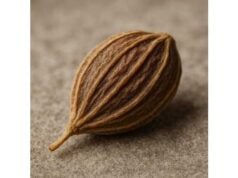
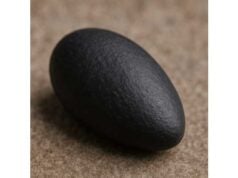
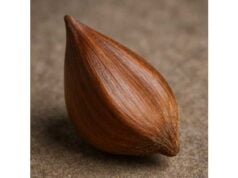
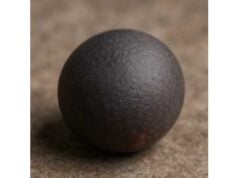
Candlenuts (Aleurites moluccanus) are rich, creamy seeds prized across Southeast Asia and the Pacific—best known as kemiri in Indonesian and kukui in Hawai‘i. Lightly roasted and ground, they turn sauces silky, thicken curries and sambals, and add a gentle, nutty depth. Historically, their high oil content powered lamps and varnishes; in the kitchen today, it adds gloss and body without dairy. Nutritionally, candlenuts are calorie-dense like other nuts and seeds, supplying unsaturated fats, plant protein, fiber, and important minerals. They also contain bioactive compounds studied for antioxidant and antimicrobial potential.
There is one rule every cook follows: never eat candlenuts raw. Raw kernels can irritate the gut and act as a purgative. Cooking—especially roasting—neutralizes that harshness and reveals the soft flavor that blends so well in spice pastes. This guide explains what candlenuts are, how they compare to other nuts, their per-100-g nutrition profile, realistic, evidence-based benefits, safety cautions, how to select and store for quality, and practical ways to prepare them so you get their best texture and taste.
Fast Facts
- Roasted candlenuts add creamy body and mild nuttiness that helps emulsify curries, stews, and dressings.
- Per 100 g, candlenuts provide ~648 kcal, ~18 g protein, ~62 g fat (mostly unsaturated), and key minerals like magnesium and potassium.
- Safety: never consume raw kernels; always roast or cook before eating to avoid purgative effects.
- Typical culinary portion is 5–10 g (about 1–2 kernels) in a spice paste, or 10–15 g in a family-size curry; 2–4 times per week is common in traditional cuisine.
- Avoid or limit if you have nut/seed allergies, sensitive digestion, or if you’re pregnant and were advised to avoid new or unfamiliar botanicals.
Table of Contents
- Detailed Overview
- Nutrition Profile
- Evidence-Based Health Benefits
- Risks, Allergies and Interactions
- Selecting, Quality, Sustainability and Storage
- Preparation, Cooking and Nutrient Retention
- Portions, Comparisons and FAQs
Detailed Overview
What are candlenuts?
Candlenuts are the oil-rich seeds of Aleurites moluccanus, a tree native to maritime Southeast Asia and the Pacific. The species thrives in tropical climates and often naturalizes along coasts and valleys. The tree bears green, spherical drupes; inside are hard shells that protect cream-colored kernels. Traditional names—kukui, kemiri, buah keras, lumbang—reflect how widely they’re used.
Culinary personality.
Raw kernels smell faintly green and taste bitter. Roasting transforms them. A gentle, pale roast (often done before grinding) releases oils and softens flavor, producing a buttery texture that thickens spice pastes. In Indonesian bumbu bases, candlenuts partner with shallots, garlic, galangal, chilies, and turmeric. In Malaysian and Singaporean kitchens, they enrich rempah and curries. Hawaiian cooks historically used kukui as a condiment (inamona) and as an oil, though modern culinary use focuses on small amounts of roasted kernels rather than oil as a primary fat.
How candlenuts change sauces.
Crushed candlenuts release emulsifying components and fine particles that bind water and oil. The result is a creamier, more cohesive sauce with a pleasant sheen—particularly useful when cooking dairy-free. A small quantity (one or two kernels) can mellow sharp spices and unify flavors.
Beyond the kitchen.
The high-oil kernel was once a practical lamp fuel—hence “candle”-nut. The same oil appears in soaps, varnishes, and skin-care products. Those non-culinary uses do not imply that candlenut oil should be a major cooking oil; its polyunsaturated profile and traditional cautions suggest using it primarily in small culinary amounts as part of the nut/seed, not as the main frying fat.
Flavor and texture notes.
- Roast level: pale beige, not dark brown; over-toasting brings bitterness.
- Texture: finely ground kernels lend gloss; coarser grinds add gentle grain to sauces.
- Pairings: citrus, vinegar, or tamarind brighten their richness; coconut milk complements their body.
Key takeaway.
Think of candlenuts as a culinary texturizer with a subtle nut flavor. Used correctly—always cooked—they elevate sauces and stews while contributing useful unsaturated fats and minerals.
Nutrition Profile
Scope and method.
Values below refer to raw candlenut kernels per 100 g (edible portion). Actual home servings are far smaller. Numbers vary by origin and harvest; use them as a realistic range for nutrient density.
Macros and Electrolytes (per 100 g)
| Nutrient | Amount | %DV |
|---|---|---|
| Energy | ~648 kcal | — |
| Protein | ~18.2 g | 36% |
| Total fat | ~62.3 g | 80% |
| Saturated fat | ~9–10 g | 45–50% |
| Carbohydrate (available) | ~3.3 g | 1% |
| Dietary fiber (TDF) | ~5.2 g | 19% |
| Sodium | ~26 mg | 1% |
| Potassium | ~440 mg | 9% |
| Water | ~5 g | — |
Notes: Per-100-g values come from regional composition tables for Pacific foods. Home portions of 5–15 g contribute a fraction of these amounts; see Portions for practical guidance.
Fats and Fatty Acids (kernel oil)
Candlenut oil is predominantly unsaturated, rich in essential fatty acids.
| Fatty Acid | Typical range in oil | Context |
|---|---|---|
| Linoleic acid (18:2 n-6) | ~38–51% | Major omega-6 PUFA; important for skin barrier. |
| Alpha-linolenic acid (18:3 n-3) | ~15–32% | Plant omega-3 ALA; supports overall PUFA balance. |
| Oleic acid (18:1 n-9) | ~15–29% | Monounsaturated; contributes to oil stability and mouthfeel. |
| Palmitic + stearic acids | ~7–10% | Saturates; minor share. |
Interpretation: Compared with many culinary nuts, candlenuts skew more polyunsaturated (notably ALA and linoleic) and less monounsaturated than, say, macadamias or hazelnuts. This profile suits low-heat applications inside sauces; it’s less ideal for prolonged high-heat frying.
Protein and Amino Acids (per 100 g)
- Protein: ~18 g per 100 g—moderate for a nut.
- Usefulness: In the small culinary amounts typical for candlenuts, protein contribution is modest; their main value is texture and fatty acid content.
Vitamins (per 100 g)
| Vitamin | Amount | %DV |
|---|---|---|
| Vitamin E (alpha-tocopherol equivalents) | small–moderate | — |
| Folate | small | — |
| Vitamin C, B12, D | ~0 | — |
Remark: Formal vitamin profiles are limited in public databases for candlenuts. As with many nuts, vitamin E is present but varies; minerals are the clearer strength.
Minerals (per 100 g)
| Mineral | Amount | %DV |
|---|---|---|
| Magnesium | ~200 mg | 48% |
| Calcium | ~154 mg | 12% |
| Potassium | ~440 mg | 9% |
| Iron | ~3.4 mg | 19% |
These numbers make candlenuts mineral-dense per weight. In real-world portions (5–15 g), they provide small but useful top-ups to magnesium and potassium intake over the week.
Bioactives and Phytonutrients
- Phenolics and tocopherols contribute to antioxidant activity in the oil fraction.
- Saponins and other constituents occur in raw kernels; heat and culinary processing reduce irritant effects.
Allergens and Intolerance Markers
- Candlenuts belong to the euphorbiaceae family, not the common tree-nut families. However, cross-reactivity can occur, and sensitive individuals may react to nut/seed proteins regardless of family. Start with small, cooked amounts.
Anti-nutrients
- Phytates are present as in many nuts; soaking/roasting can reduce them slightly. In typical small culinary portions, impact on mineral absorption is limited.
Contaminants/Residues
- Quality hinges on proper drying and storage. As with other oily seeds, rancidity develops if exposed to heat, oxygen, or light for long periods. Choose fresh stock and store well (see Storage).
Footnote: Unfortified, unblended kernels are assumed here. Prepared pastes or condiments that include salt, sugar, or oils will change the per-100-g picture—often lowering kernel density and raising sodium.
Evidence-Based Health Benefits
1) Flavor-first strategies that improve overall diet quality
Candlenuts help create creamy mouthfeel without dairy, encouraging vegetable-rich curries and stews that are both satisfying and plant-forward. Because the nut’s flavor is gentle, it heightens spices and aromatics rather than masking them, making it ideal for home cooks scaling back on heavy cream or coconut milk while keeping dishes cohesive.
2) Useful fatty acid pattern in small culinary amounts
Candlenut oil is dominated by polyunsaturated fatty acids—notably linoleic acid (LA) and alpha-linolenic acid (ALA)—with a meaningful share of oleic acid. In small amounts, that pattern supports a healthy mix of dietary fats. ALA is an essential omega-3 that contributes to the overall n-3 intake from plant foods, while LA supports skin barrier integrity. Because the oil is highly unsaturated, it’s best used within sauces rather than as a high-heat frying oil.
3) Mineral top-ups over the week
Even though daily portions are small, consistent culinary use contributes magnesium and potassium, minerals many people under-consume. A teaspoon (5 g) in a spice paste won’t change your day, but repeating that across several meals adds up, especially in plant-forward diets.
4) Texture that tames sodium and sugar
Creamy viscosity and roundness from candlenuts can reduce the need for heavy salt or sugar to balance heat in chilies or acid in tamarind. Home cooks often find that a sauce thickened with candlenut is satisfying at lower sodium—a practical, culinary route to healthier seasoning.
5) Traditional topical uses—culinary caveats
Candlenut oil appears in skin-care contexts for moisturization. That history does not mean the oil should be treated as a general health supplement or a primary cooking fat. For nutrition, the safer approach is the cooked kernel in food-level amounts, focusing on flavor and texture benefits rather than pharmacologic claims.
How form and technique shape benefits
- Roasting lightly preserves delicate fatty acids while neutralizing raw irritants.
- Grinding and blending increases surface area, allowing the oil to emulsify sauces for a silkier texture.
- Adding late in cooking (or simmering gently) protects polyunsaturates; long, high heat is unnecessary to unlock flavor.
Bottom line. Candlenuts are not a superfood shortcut; they are a smart culinary tool. Used properly, they make vegetable-rich meals more appealing, add favorable fats in small doses, and support week-to-week mineral intake—without relying on large portions.
Risks, Allergies and Interactions
Never eat candlenuts raw.
Raw kernels can cause nausea, vomiting, abdominal cramps, and diarrhea. Case reports also describe serious cardiac rhythm disturbances after ingestion of candlenut sold online for weight loss. Cooking (especially roasting) is standard culinary practice to neutralize harsh constituents and reduce GI irritation.
Look-alike warning: “Nuez de la India.”
Cases of poisoning have occurred when people purchased “Nuez de la India” online for weight loss. Some products were misidentified and contained yellow oleander seeds (Thevetia peruviana)—a different plant with cardioactive glycosides that can be fatal. Do not use candlenuts—or any “weight-loss nut”—as a laxative or slimming aid. Buy food-grade candlenuts from reputable grocers that supply culinary nuts, ideally labeled kemiri or candlenut with country of origin.
Allergic considerations
Candlenuts are not among the most common regulated nuts in many countries, but nut and seed allergies can cross-present. If you have a history of reactions to nuts/seeds, consult an allergist and introduce new nuts cautiously—and only cooked.
Gastrointestinal sensitivity
Even when roasted, rich sauces can aggravate reflux or sensitive digestion. Start with small amounts, eat with meals—not on an empty stomach—and avoid raw kernels altogether.
Medication and condition notes
- Electrolytes/cardiac meds: Poisoning from misidentified or raw seeds has involved abnormal heart rhythms. Culinary use of properly roasted candlenuts in small amounts has not been linked to such events, but anyone with arrhythmias or on drugs that affect heart rhythm should avoid unregulated “slimming nuts” and stick strictly to culinary candlenuts from food suppliers.
- Pregnancy/lactation: Use only cooked kernels in normal food amounts. Avoid raw kernels and any weight-loss product marketed as “candlenut.”
- Children: Candlenuts are hard; whole kernels pose a choking hazard. Use finely ground, well-cooked forms only.
Food handling safety
Store cool and airtight. Discard if rancid (paint-like or fishy smell). Because the oil is highly unsaturated, it oxidizes faster than macadamia or almond; correct storage reduces off-flavors and potential GI upset.
When to seek help
- Severe vomiting, diarrhea, dizziness, slow pulse, chest discomfort, or fainting after ingestion—call emergency services.
- Any signs of allergic reaction, including hives, swelling, wheezing, or throat tightness.
Selecting, Quality, Sustainability and Storage
How to select quality candlenuts
- Form: Kernels sold shelled and dried are most common outside growing regions. Choose plump, pale kernels with minimal cracking or oiliness.
- Aroma: Neutral-nutty is ideal. Sharp, soapy, or rancid notes mean the oil has degraded.
- Label cues: Culinary terms like kemiri (Indonesia) or candlenut (English) and clear country of origin indicate food-grade supply. Avoid unlabeled “slimming nuts.”
- Whole vs. ground: Whole kernels keep longer. Ground meal is convenient but stales faster; buy small packs and use within weeks.
Sustainability snapshot
A. moluccanus grows well in tropical agroforestry systems and coastal areas. The tree can support soil stabilization and provide shade and habitat. For eco-friendly choices:
- Favor suppliers that support smallholder sourcing or community co-ops.
- Buy only the amounts you will use; the oil’s high unsaturation means waste from rancidity is more likely if you overstock.
Storage to preserve flavor and nutrition
- Airtight + dark + cool: Keep in a sealed jar in a pantry under 20 °C; for long storage, refrigerate or freeze well-sealed portions.
- Moisture control: Avoid condensation; bring refrigerated nuts to room temperature before opening to prevent moisture uptake.
- Shelf life: Whole kernels—6–12 months in pantry; 12–18 months in fridge/freezer. Ground kernels—1–3 months airtight in fridge.
Quality troubleshooting
- Bitter aftertaste: Often from over-roasting or rancidity. Use a lighter roast and refresh stock.
- Greasy mouthfeel in sauces: Use fewer kernels, or balance with acid (lime, vinegar) and aromatics.
- Gritty paste: Grind with a little oil or water and rest the paste 5–10 minutes before cooking; strain for ultra-smooth sauces.
Preparation, Cooking and Nutrient Retention
Golden rule: Roast before eating. This improves flavor, reduces raw harshness, and protects your stomach.
Roasting basics
- Dry skillet method: Place kernels in a cold, heavy skillet. Heat over medium-low, shaking often, 5–8 minutes until they smell nutty and turn pale beige. Do not brown deeply. Cool fully before grinding.
- Oven method: Spread on a tray at 150–160 °C for 8–12 minutes, stirring once. Stop at pale gold. Over-brown nuts taste bitter.
- Oil-toast step for spice pastes: After grinding with aromatics (shallot/garlic/chilies), sauté the paste in a little oil over medium-low heat until glossy and fragrant; the paste will thicken and emulsify.
Kitchen uses that play to candlenuts’ strengths
- Indonesian bumbu base (for 4–6 servings). Blend 2 roasted candlenuts (≈10 g) with 3 shallots, 3 cloves garlic, 2–3 red chilies, 1 tsp turmeric, and 1 tsp galangal. Sauté gently; add vegetables or protein and liquid. Result: a smooth, cohesive sauce with moderate richness.
- Kemiri-coconut curry. Roast 3–4 candlenuts; grind with lemongrass, ginger, and coriander. Simmer with thin coconut milk and vegetables. The nuts stabilize the emulsion and reduce the amount of coconut milk needed.
- Roasted-chili sambal with candlenut. Roast chilies, tomato, and 1 candlenut; pound with salt and lime. Spread over grilled eggplant or fish for gloss and depth.
- Dressings and dips. Blitz 1 roasted candlenut with lime juice, a splash of rice vinegar, a neutral oil, and herbs to create a creamy dressing without mayonnaise.
Protecting delicate fats
Candlenut oil is highly polyunsaturated. For better retention:
- Roast gently, not dark.
- Prefer simmering and low-to-moderate heat sautéing of the paste; avoid prolonged high heat.
- Add highly acidic ingredients (vinegar, tamarind) after roasting and grinding—acidity won’t destroy fats, but gentler cooking preserves flavor.
Food safety tips
- Always grind only what you need within a week or two.
- Store roasted/ground nuts in the refrigerator in a sealed jar to slow oxidation.
- If experimenting with candlenut oil for topical use, keep it separate from cooking oil to prevent mix-ups.
What not to do
- Do not substitute raw candlenuts into recipes.
- Do not deep-fry with candlenut oil as your primary fat; use stable oils for high heat and keep candlenuts inside sauces.
- Do not rely on candlenuts for weight loss; avoid any “slimming nut” products.
Portions, Comparisons and FAQs
Practical portions
- Spice pastes for 4–6 servings: 1–3 kernels (≈5–15 g) total, depending on desired richness.
- Curries/stews: Up to 15–20 g per pot when you want a glossier finish.
- Frequency: 2–4 times per week is common in cuisines that use candlenuts; this stays within a reasonable intake given their calorie density.
How do candlenuts compare with other nuts?
- Macadamia: Much higher in monounsaturated fat and lower in polyunsaturates; candlenuts are softer and creamier in sauces but less suited to roasting for snacking.
- Cashew: Lower fat, sweeter flavor, and excellent for creaminess in dairy-free sauces; candlenuts give a subtler flavor and require less volume.
- Almond: Firmer and protein-rich; candlenuts are oilier with a smoother, emulsifying mouthfeel.
Can I eat candlenuts as a snack?
They’re rarely eaten like almonds or peanuts. Culinary tradition uses them inside dishes. If you do snack, ensure they’re roasted and keep portions small due to richness.
Are candlenuts good for the heart?
They contain favorable unsaturated fats in small culinary amounts. The health impact depends on your whole diet—especially replacing refined, high-sodium sauces with vegetable-rich meals that use candlenut-thickened bases. Do not take candlenuts or oil as a supplement.
Do candlenuts contain omega-3?
Yes—alpha-linolenic acid (ALA). The body converts ALA to longer-chain omega-3s inefficiently, so view candlenuts as one supportive plant source among many (e.g., flaxseed, chia, walnuts) rather than a primary omega-3 strategy.
I saw “Nuez de la India” online. Is that safe?
Be cautious. “Nuez de la India” has been used as a marketing term for weight-loss products; some shipments have been misidentified and actually contained yellow oleander seeds, which can be lethal. Buy candlenuts only from reputable food suppliers and use them only as a cooked culinary ingredient.
Any kitchen shortcuts?
- Roast a small batch, cool, and freeze in airtight bags.
- Grind just before cooking for best aroma.
- If a paste splits, whisk in a teaspoon of cool water and simmer gently; candlenut emulsifiers will help it come back together.
References
- The Pacific Islands food composition tables (2004)
- Heart Block Initiated by Candlenut Ingestion (2022)
- Fatty acids composition and in vivo biochemical effects of Aleurites moluccana seed (Candlenut) in obese wistar rats (2022)
- Comprehensive Characterization of Kukui Nuts as Feedstock for Energy Production in Hawaii (2023)
Medical Disclaimer
This article provides general information about candlenuts for culinary use. It is not medical advice and does not replace consultation with a qualified healthcare professional. Do not consume raw candlenuts. If you are pregnant, breastfeeding, have nut or seed allergies, heart rhythm problems, thyroid disease, or gastrointestinal disorders, or if you take prescription medications, talk with your clinician before introducing new foods or supplements. Seek urgent care for any signs of poisoning or severe allergic reaction.
If you found this helpful, please consider sharing it on Facebook, X (formerly Twitter), or any platform you prefer. Your support helps us continue creating careful, evidence-based guides.