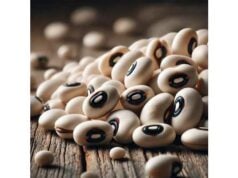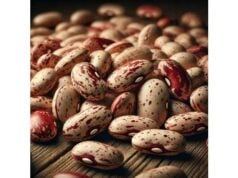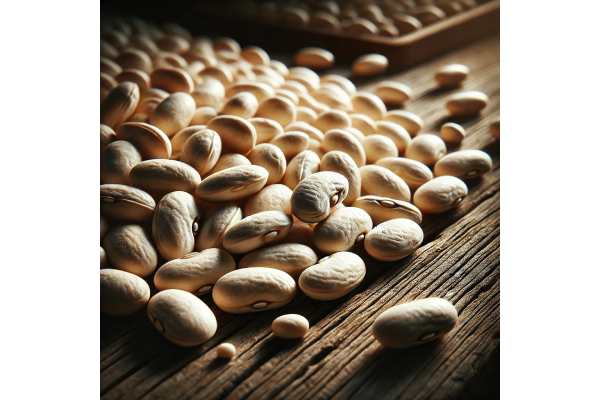
Cannellini beans—also called white kidney beans—are a Mediterranean staple known for their creamy texture, thin skins, and mild, nutty flavor. They slide seamlessly into soups (minestrone), braises, salads, puréed dips, and toast-topping spreads, turning simple vegetables and grains into complete, satisfying meals. A small cooked serving brings substantial fiber and plant protein with very little fat or sodium, plus key micronutrients like folate, potassium, iron, and magnesium. That nutrient package supports steadier energy, digestive health, and satiety at a budget-friendly cost. In the kitchen, cannellini beans hold their shape when simmered but blend luxuriously smooth when mashed—ideal for both rustic and elegant dishes. In the field, they also do good: as legumes, they fix nitrogen and help maintain healthy soils within crop rotations. Whether you are exploring plant-forward eating, aiming to lower the glycemic load of your meals, or just trying to stock a smarter pantry, cannellini beans deliver dependable flavor, function, and nutrition with minimal effort.
Essential Insights
- Per 100 g cooked: about 8–9 g protein and 8–9 g fiber; low fat and naturally low sodium.
- Typical serving: ½ cup cooked (≈90–100 g), enjoyed 3–6 times per week in mixed meals.
- Cook thoroughly; avoid raw or undercooked beans to prevent lectin-related stomach upset.
- People with legume allergies or on potassium-restricted diets should tailor portions with clinical guidance.
Table of Contents
- Cannellini beans: detailed overview
- Cannellini beans nutrition profile
- Evidence-based health benefits of cannellini beans
- Risks, allergies and interactions with cannellini beans
- Selecting, quality, sustainability and storage
- Preparation, cooking and nutrient retention
- Portions, comparisons and FAQs
Cannellini beans: detailed overview
Cannellini beans (Phaseolus vulgaris) are the classic white kidney bean prized in central and northern Italian cooking. Their hallmark is a creamy, almost buttery interior wrapped in a very thin skin—substantial enough to hold shape in soups and braises, but tender enough to purée into silky spreads. In taste, they are mild and slightly nutty, making them receptive to a wide range of companions: garlic and rosemary, lemon and parsley, tomatoes and olive oil, anchovy and chili, or tahini and herbs in mezze-style dips. Because cannellini beans absorb aromatics readily, a short sauté of onion, celery, and carrot (soffritto) or a quick garlic-and-rosemary oil can transform a humble pot into something layered and restaurant-worthy.
Nutritionally, cooked cannellini beans provide a rare mix of high fiber, slow-release carbohydrates, and meaningful plant protein—an effective trio for steady energy and fullness. They contribute folate, iron, magnesium, phosphorus, zinc, copper, and potassium while staying very low in saturated fat and naturally low in sodium (unless salted during or after cooking). The carbohydrate quality matters as much as the quantity: cannellini beans are rich in soluble and insoluble fiber and contain resistant starch, features associated with lower post-meal glucose spikes and support for a diverse, metabolically helpful gut microbiome.
In a broader meal pattern, cannellini beans help you reduce reliance on more expensive animal proteins without sacrificing satisfaction. Their lysine-rich protein complements grain proteins that are relatively higher in methionine, so eating beans and grains across the day provides a balanced amino acid profile—no need for “protein combining” at every meal. Practically, swapping part of the pasta or bread for a generous scoop of beans can lower a plate’s glycemic load while increasing micronutrients and fiber.
Storage and convenience are simple. Dried beans last months in a cool, dry pantry; canned beans are pre-cooked and ready to use after a quick rinse (which also reduces sodium). In batch-cooking, cannellini beans freeze well in their cooking liquid, so a single weekend pot can anchor several weeknight dinners. In agriculture, these legumes fix atmospheric nitrogen via root nodules, reducing the need for synthetic fertilizer in rotations and improving soil structure. That farm-level benefit, paired with low cost and long shelf life, makes cannellini beans a smart, sustainable staple for most households.
Cannellini beans nutrition profile
Basis: cooked, boiled cannellini (white kidney) beans without salt, per 100 g. % Daily Value (%DV) uses adult reference intakes for a 2,000 kcal diet. Values are rounded for kitchen use; actual values vary slightly with variety and cooking method.
Macros & Electrolytes (per 100 g cooked)
| Nutrient | Amount | %DV |
|---|---|---|
| Energy | ~130–140 kcal | — |
| Protein | 8.5–9.5 g | 17–19% |
| Total Carbohydrate | 23–25 g | 8–9% |
| Dietary Fiber | 8.0–9.0 g | 29–32% |
| Total Sugars | ~0.3–0.7 g | — |
| Total Fat | 0.4–0.6 g | 1% |
| Saturated Fat | ~0.1 g | 1% |
| Sodium (no added salt) | 0–5 mg | 0% |
| Potassium | 350–420 mg | 7–9% |
| Water | ~65–68 g | — |
Carbohydrates
- Predominantly slowly digestible starch plus soluble fiber and resistant starch.
- Low intrinsic sugars; when served with vegetables and olive oil, the overall glycemic load of the meal stays modest.
Protein & amino acid context
- ~9 g plant protein per 100 g cooked, rich in lysine; relatively lower in methionine and cysteine—pair with grains (bread, farro, barley, rice) across the day for a balanced profile.
- Digestibility improves with soaking and thorough cooking; fermentation (e.g., sourdough toast topped with cannellini) may provide additional comfort for some.
Fats & fatty acids (typical)
| Component | Amount | Notes |
|---|---|---|
| Total fat | ~0.5 g | Very low overall |
| Monounsaturated fatty acids | ~0.05–0.1 g | Mostly oleic acid |
| Polyunsaturated fatty acids | ~0.2–0.3 g | Primarily linoleic; trace alpha-linolenic |
| Saturated fatty acids | ~0.1–0.2 g | Predominantly palmitic |
Minerals (per 100 g cooked)
| Mineral | Amount | %DV |
|---|---|---|
| Calcium | 55–65 mg | 4–5% |
| Iron | 2.0–2.6 mg | 11–14% |
| Magnesium | 50–60 mg | 12–14% |
| Phosphorus | 130–160 mg | 10–13% |
| Zinc | 1.0–1.2 mg | 9–11% |
| Copper | 0.20–0.27 mg | 22–30% |
| Manganese | 0.35–0.55 mg | 15–24% |
| Selenium | 1–3 µg | 2–5% |
Vitamins (per 100 g cooked)
| Vitamin | Amount | %DV |
|---|---|---|
| Folate (DFE) | 140–180 µg | 35–45% |
| Thiamin (B1) | 0.18–0.24 mg | 15–20% |
| Riboflavin (B2) | 0.05–0.08 mg | 4–6% |
| Niacin (B3) | 0.4–0.9 mg | 3–6% |
| Pantothenic Acid (B5) | 0.2–0.4 mg | 4–8% |
| Vitamin B6 | 0.06–0.10 mg | 4–6% |
| Choline | 25–35 mg | 5–6% |
Bioactives/Phytonutrients
- Phenolic compounds and oligosaccharides that, once cooked, contribute antioxidant capacity and prebiotic effects (via fermentation to short-chain fatty acids).
Allergens & Intolerance Markers
- Legume seed proteins can trigger allergy in sensitized individuals (cross-reactivity with other legumes is possible).
- FODMAPs (raffinose-family oligosaccharides) may cause gas; preparation and portion strategies mitigate this (see sections below).
Anti-nutrients
- Phytic acid, tannins, lectins, trypsin inhibitors are present in raw/undercooked beans. Soaking and full boiling or pressure-cooking markedly reduce them and improve mineral bioavailability.
Glycemic & Acid–Base Notes
- Low glycemic impact in typical servings; slightly alkaline-forming relative to refined grains when assessed within mixed diets.
Footnote: Canned beans are pre-cooked; rinse to reduce sodium and some FODMAPs. Some brands add calcium chloride as a firming agent, which is safe but yields a slightly firmer texture.
Evidence-based health benefits of cannellini beans
Heart-health alignment
Meals that feature beans instead of refined starches or processed meats tend to deliver more fiber and potassium with less saturated fat and sodium—shifts consistently linked to healthier blood pressure and cholesterol patterns. In everyday cooking, that might look like replacing half the pasta in a bowl with cannellini beans and roasted vegetables, or swapping some sausage in a stew for extra beans and greens. Soluble fibers help bind bile acids (a pathway tied to modest LDL reductions over time), while potassium counters sodium’s effect on vascular tone, and magnesium supports endothelial and glucose-regulatory enzymes.
Steady energy and glycemic balance
Cannellini beans’ slow-release carbohydrates and fiber yield a low glycemic impact in real-world portions. Across randomized trials and meta-analyses, routine pulse consumption (beans, peas, lentils) modestly improves post-meal glycemia and may contribute to small, favorable changes in longer-term markers when replacing more rapidly digested carbohydrates. Practically, adding ½ cup cooked beans to lunch or dinner is a reliable way to smooth energy dips without relying on ultra-processed snacks.
Gut microbiome support
The fermentable fibers and resistant starch in cooked beans feed beneficial microbes that produce short-chain fatty acids (SCFAs) such as butyrate. SCFAs help maintain intestinal barrier integrity and modulate immune and metabolic signaling. If beans cause bloating at first, the microbiome usually adapts within days to weeks—start with small amounts and build up gradually.
Micronutrient density for less
Per 100 g cooked, cannellini beans offer meaningful folate (≈35–45% DV), iron (≈11–14% DV), magnesium (≈12–14% DV), and potassium (≈7–9% DV) with minimal calories from fat and no cholesterol. Pairing beans with vitamin C sources (lemon, tomatoes, peppers) enhances non-heme iron absorption—a simple, flavorful nudge for those minimizing red meat. Their lysine-rich protein complements grains, nuts, and seeds across the day, making it easier to meet protein goals in vegetarian or flexitarian patterns.
Weight-friendly meal building
High fiber plus protein increases satiety at relatively low energy density. Cannellini beans make it easy to build big-volume, veggie-forward plates: think brothy soups thickened by a quick bean purée, grain bowls with a 50/50 split of grains and beans, or toast layered with garlicky bean mash and greens. These swaps reduce calorie density without making meals feel sparse or restrictive.
Food security and sustainability
Cannellini beans are inexpensive per serving, stable in the pantry, and easy to batch-prep and freeze—practical advantages that reduce waste and takeout dependence. In fields, as nitrogen-fixing legumes, they support soil health and crop rotations. Choosing beans a few times a week is a small, tangible step toward a more climate-conscious plate.
How much is useful?
A pattern with 3–6 cooked legume servings per week (≈300–600 g total) fits within heart-healthy and Mediterranean-style diets. As a starting point, add ½ cup cooked cannellini beans to meals a few times per week and adjust to comfort and goals.
Risks, allergies and interactions with cannellini beans
Undercooked beans (lectins)
Raw or undercooked beans contain lectins that can cause acute gastrointestinal symptoms (nausea, vomiting, diarrhea). Standard home methods—soaking then boiling until fully tender or pressure-cooking—neutralize these proteins. Avoid slow-cooker “low” settings for dried beans unless they are pre-boiled. Canned beans are pre-cooked and safe; heat to serving temperature and rinse if desired.
Gas and digestive comfort
Raffinose-family oligosaccharides (a FODMAP group) can cause gas and bloating, especially when intake jumps suddenly. To improve tolerance: soak 8–12 hours and discard the soak water; cook in fresh water until creamy tender; pressure-cook when possible; rinse canned beans; start with small portions (2–3 tablespoons cooked) and increase gradually over 1–2 weeks.
Allergies and cross-reactivity
While uncommon compared with peanut or soy, allergy to common beans can occur. Cross-reactivity among legumes is possible due to similar storage proteins. Anyone with a known legume allergy should introduce new legumes only with clinician guidance or avoid them if advised. Signs of an allergic reaction include oral itching, hives, wheeze, or anaphylaxis—seek urgent care for severe symptoms.
Mineral considerations
- Potassium: Cannellini beans are moderately high in potassium. People with advanced chronic kidney disease or those on potassium-restricted diets should tailor portions with a renal dietitian.
- Iron and zinc: Phytate and polyphenols can reduce absorption modestly. Solutions: cook thoroughly; pair with vitamin C-rich foods; separate tea/coffee from iron-rich meals; include fermented foods or sour dressings.
Medication timing
High-fiber meals can affect absorption of certain medicines and minerals. Take levothyroxine on an empty stomach and separate iron supplements from high-phytate meals as directed by your clinician. If you significantly increase bean intake while using glucose-lowering drugs, monitor closely to avoid lows and discuss dose adjustments with your care team.
Food safety and storage
Refrigerate cooked beans within 2 hours; use within 3–5 days or freeze for later. Reheat to steaming hot. Discard any beans with off-odors, unusual foam after storage, or signs of spoilage. Store dried beans airtight in a cool, dark place; very old beans may require longer cooking.
Who might limit or avoid
- Individuals with diagnosed legume allergy.
- Those on potassium-restricted plans.
- People in a low-FODMAP elimination phase (until reintroduction testing).
- Infants and toddlers should receive thoroughly cooked, mashed beans to reduce choking risk.
Selecting, quality, sustainability and storage
Buying forms
- Dried cannellini: Choose uniform, intact beans without cracks, dust, or evidence of pests. Fresher lots (recent harvest) cook more evenly and quickly than old stock.
- Canned cannellini: Look for short ingredient lists (beans, water, salt). If watching sodium, select no-salt-added or rinse well. Some brands include calcium chloride as a firming agent—safe and useful when you want beans to hold shape in salads.
- Vacuum-packed or jarred, pre-cooked: Convenient and often lightly salted; refrigerate after opening and use within 3–4 days.
Quality cues at home
- Before cooking: Beans should smell clean and earthy, not musty.
- After cooking: Tender to the center, creamy when pressed between fingers, with skins mostly intact. If some remain hard while others soften, the batch is likely old; add time, keep water above the beans, and consider filtered water or a pinch of baking soda in very hard water.
Sustainability snapshot
- Nitrogen fixation: As legumes, cannellini beans host root bacteria that fix atmospheric nitrogen, reducing synthetic fertilizer needs.
- Resource efficiency: Dried beans have a fraction of the land, water, and greenhouse-gas footprint of many animal proteins. Canned beans require more processing energy but save at-home fuel and time; both forms are climate-friendly choices.
- Food waste reduction: Long shelf life, batch-cooking potential, and freezer-friendliness make beans a natural tool for wasting less.
Storage best practices
- Dried: Keep in airtight containers in a cool, dark pantry (ideally below ~20 °C). Best quality for 8–12 months, safe longer with longer cook times.
- Cooked: Store submerged in some cooking liquid for 3–5 days in the refrigerator.
- Freezing: Portion with a little liquid; freeze for up to 3 months for best texture (safe up to 6 months). Thaw overnight or under cold running water.
Budget and planning
- Dried beans are the best value per serving. Use soaking and pressure-cooking to save energy. Batch-cook 450–500 g dried beans, then portion into labeled ½-cup (≈100–120 g) or 1-cup (≈200–240 g) containers for fast meals all week.
Label literacy
- “Low sodium” means ≤140 mg per serving. “No salt added” indicates only naturally occurring sodium. “Organic” reflects growing standards; nutrition is broadly similar to conventional beans.
Preparation, cooking and nutrient retention
Soaking (optional but helpful)
- Overnight soak: Rinse, then soak 8–12 hours in plenty of water (3–4× bean volume). Discard soak water to reduce some FODMAPs and surface anti-nutrients; refill with fresh water to cook.
- Hot-soak shortcut: Boil beans in water for 2–3 minutes; cover and rest 1 hour; drain and rinse; cook in fresh water.
Cooking methods
- Stovetop simmer: Cover soaked beans with fresh water by 3–5 cm. Add aromatics (garlic, bay leaf, a sprig of rosemary). Simmer gently until creamy-tender—typically 60–90 minutes, depending on bean age and water hardness. Avoid aggressive boiling that splits skins.
- Pressure cooker: After soaking, cook 6–10 minutes at high pressure with natural release; unsoaked beans often need 20–25 minutes. Check tenderness and return to pressure briefly if needed.
- Canned, ready-to-use: Drain and rinse; warm gently in broth or toss directly into salads and grain bowls.
Flavor layering that works
- Base: extra-virgin olive oil, garlic, onion, celery, carrot, bay, thyme, rosemary.
- Finishers: lemon zest/juice, parsley, basil, black pepper, chili flakes.
- Umami nudges: anchovy paste, miso, mushroom powder, or Parmigiano rind simmered in broth (remove rind before serving).
Digestibility & mineral uptake
- Combine soaking with thorough cooking to neutralize lectins and reduce enzyme inhibitors.
- Pair with vitamin C (lemon, tomatoes, peppers) to enhance non-heme iron absorption.
- If sensitive to gas, rinse canned beans well; for dried beans, discard soak water and cook in fresh water; start with smaller portions and increase gradually.
Nutrient retention tips
- Keep beans just submerged; reserve the cooking liquid (“pot liquor”) rich in soluble minerals and flavor—ideal for soups and sauces.
- Add acidic ingredients (tomato, wine, vinegar) once beans are nearly tender; adding early can toughen skins and extend cook time.
- Salt strategy: with soft water, moderate early salting seasons interiors; with very hard water, salt later or use filtered water to avoid tough skins.
Fast frameworks
- Tuscan-style brothy beans: cannellini, garlic, rosemary, olive oil, splash of lemon. Serve with toasted bread and greens.
- Herby bean mash on toast: purée warm beans with olive oil and garlic; spread on whole-grain toast; top with arugula, lemon, and shaved vegetables.
- Pasta e fagioli shortcut: stir rinsed cannellini into tomato-garlic broth with small pasta and a Parmigiano rind; finish with parsley.
Batch-cook blueprint
Cook 500 g dried beans after an overnight soak; pressure-cook ~8 minutes (natural release). Portion with cooking liquid into containers (1–1½ cups each). Refrigerate two for the next 3 days and freeze the rest. Use across soups, salads, bowls, and toast toppers.
Portions, comparisons and FAQs
Portion guidance and frequency
- Standard serving: ½ cup cooked (≈90–100 g).
- Weekly cadence: 3–6 servings per week fits well in Mediterranean-style and plant-forward patterns, adjusted for appetite, digestion, and medical needs.
Who benefits most?
- People seeking budget-friendly, fiber-rich protein to replace part of refined carbs or processed meats.
- Anyone aiming for steadier energy and better post-meal fullness.
- Those building heart-healthy or Mediterranean plates with beans, vegetables, whole grains, olive oil, and herbs.
Comparisons (per 100 g cooked, typical)
- Cannellini vs chickpeas: chickpeas are higher in calories and fat, with a firmer bite; cannellini are creamier and usually higher in folate per 100 g.
- Cannellini vs pinto beans: both offer similar fiber and protein; cannellini are milder and creamier; pintos have a deeper, earthy flavor and mash more easily for spreads.
- Cannellini vs great northern beans: similar look; great northerns are smaller and slightly firmer; cannellini are creamier and more luxurious in texture.
- Cannellini vs navy beans: navy beans are smaller with a denser texture; cannellini hold shape better in brothy dishes.
Smart pairings
- With grains: farro, barley, sourdough, or brown rice for complementary amino acids.
- With vitamin C: lemon, tomatoes, roasted peppers to assist iron absorption.
- With healthy fats: olive oil, nuts, or seeds to boost flavor and satiety.
Frequently asked questions
Are cannellini beans low glycemic?
Yes in typical portions. Their fiber and resistant starch help curb post-meal glucose rises, especially when meals include vegetables, protein, and healthy fats.
Do I need to combine beans and grains in the same meal?
No. Complementary amino acids balance across the day. Enjoy beans with grains at some meals and you’ll meet protein quality needs.
Can I use a slow cooker?
Yes, if beans are pre-boiled for safety. Otherwise, use stovetop or pressure cooker to ensure lectins are fully deactivated.
Are canned beans as nutritious as cooked-from-dry?
Generally yes for protein, fiber, and minerals. Rinse to reduce sodium. Flavor and texture vary by brand; choose what suits the recipe.
How do I reduce gas?
Soak, rinse, and cook thoroughly; start small and increase portions gradually; consider carminative spices (bay, fennel, cumin); pair with lemon or vinegar; pureed soups can be gentler early on.
Are cannellini beans gluten-free?
Naturally yes. Check labels for cross-contact if you require strict gluten avoidance.
References
- Pulse consumption improves indices of glycemic control in adults with and without type 2 diabetes: a systematic review and meta-analysis of acute and long-term randomized controlled trials 2021 (Systematic Review)
- Intake of legumes and cardiovascular disease: A systematic review and dose-response meta-analysis 2023 (Systematic Review and Meta-analysis)
- Natural Toxins in Food 2024 (Guidance)
- Legumes and pulses – a scoping review for Nordic Nutrition Recommendations 2023 2024 (Scoping Review)
Medical Disclaimer
This guide is for general education and is not a substitute for personalized medical advice, diagnosis, or treatment. Nutrition, digestion, and medication needs vary by individual and health status. If you have kidney disease, food allergies, severe IBS symptoms, diabetes, are pregnant or breastfeeding, or take prescription medicines, seek advice from a qualified healthcare professional or registered dietitian before making significant dietary changes.
If this article was useful, please consider sharing it on Facebook, X (formerly Twitter), or your preferred platform. Your support helps us continue creating clear, practical nutrition resources.