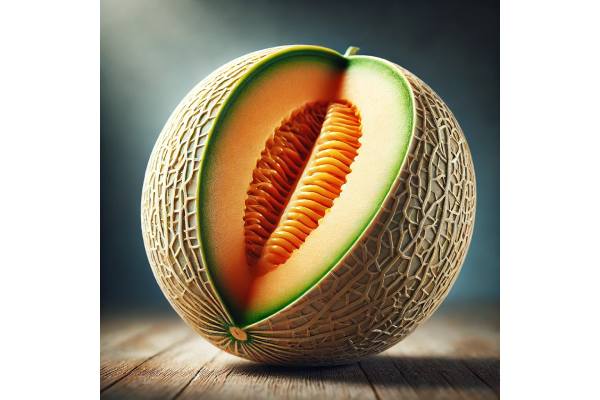
Cantaloupe brings cool sweetness to warm days and practical nutrition to everyday meals. This orange-fleshed melon (a type of muskmelon) is about 90% water, yet it delivers meaningful vitamin C, provitamin A carotenoids, potassium, and gentle fiber with very few calories per serving. Its floral aroma signals ripeness, while the netted rind protects a tender, juicy interior. In the kitchen, cantaloupe slices into salads, chills into smoothies, purées into soups, and pairs easily with yogurt, herbs, and cured meats. For athletes and busy families, it doubles as a hydrating snack that also adds electrolytes. This guide covers what cantaloupe is, how its nutrients compare, practical health benefits, who should be cautious, and how to choose, store, and prepare it for the best flavor and safety. Whether you buy a whole melon at peak season or a container of cut cubes, a few habits—washing the rind, chilling promptly, and pairing with a source of protein—help you get more goodness from every bite.
Top Highlights
- Per 100 g, cantaloupe typically provides ~34 kcal, ~8 g carbs, ~0.8 g fiber, ~36 mg vitamin C, ~170 µg RAE vitamin A, and ~267 mg potassium.
- A typical serving is 150–200 g (about 1–1¼ cups), enjoyed several times per week as part of varied fruit intake.
- Wash whole melons before cutting; refrigerate cut cantaloupe within 2 hours to reduce foodborne risk.
- People with pollen-food allergy syndrome (ragweed) or immunocompromising conditions should be cautious with pre-cut melon.
Table of Contents
- What Cantaloupe Is and Why It Matters
- Cantaloupe Nutrition Profile (per 100 g)
- Evidence-Based Health Benefits of Cantaloupe
- Risks, Allergies and Interactions
- Selecting Quality Cantaloupe, Sustainability and Storage
- Preparation, Cooking and Nutrient Retention
- Portions, Comparisons and FAQs
What Cantaloupe Is and Why It Matters
Cantaloupe is the common market name for a group of muskmelons (Cucumis melo) with netted rinds and sweet orange flesh. In North America, “cantaloupe” usually refers to C. melo var. reticulatus (a netted muskmelon). In Europe, true “Cantaloupe” (C. melo var. cantalupensis) often has light ribbing and a less netted rind. Both are fragrant, juicy, and nutritionally similar. What sets cantaloupe apart from many fruits is the mix of hydration and micronutrients: you get a lot of water and potassium for fluid balance, plus vitamin C and beta-carotene (the plant pigment your body can convert into vitamin A).
From a cook’s standpoint, cantaloupe is flexible. It’s best raw—chilled wedges, cubes in fruit salads, or puréed into a cold soup with lime and mint. Thin slices with prosciutto, basil, and black pepper make a refreshing starter. For breakfasts, cantaloupe pairs with yogurt and granola; for snacks, it blends into smoothies; for desserts, it sets into granitas or sorbets with very little added sugar because the ripe fruit brings natural sweetness. Savory options work too: toss cubes with cucumber, chili, and feta; or combine with tomatoes, olive oil, and herbs for a bright side.
Cantaloupe can play a small but useful role in meal patterns. Compared with many sweet snacks, it’s low in calories and has a modest glycemic load per typical portion. Its potassium content helps counterbalance sodium in salty meals, and its vitamin C supports collagen formation (think skin and connective tissues). The fruit’s orange color signals carotenoids that support normal vision and cellular functions. Because it’s so water-rich, cantaloupe also helps with hydration during hot weather or after exercise—especially if you add a pinch of salt elsewhere on the plate.
Botanically, the plant thrives in warm conditions, and quality depends on sun exposure, soil health, and careful harvest timing. Aroma and a gentle softness at the stem end are the home cook’s best cues of ripeness. Post-harvest handling matters, too: the rough, netted rind can trap soil, so washing before cutting is a smart safety step. Treated well, a good melon delivers on three fronts—flavor, refreshment, and nutrition—without a long ingredient list.
Cantaloupe Nutrition Profile (per 100 g)
Values are typical for raw cantaloupe; cultivars and growing conditions vary. %DV uses adult Daily Values on a 2,000-kcal diet.
Macros and Electrolytes
| Nutrient | Amount (per 100 g) | %DV |
|---|---|---|
| Energy | 34 kcal | — |
| Water | ~90.2 g | — |
| Carbohydrate | 8.2 g | — |
| Dietary fiber | 0.8–0.9 g | 3% |
| Total sugars | ~7.9 g | — |
| Protein | 0.8 g | 2% |
| Total fat | 0.2 g | 0% |
| Potassium | ~267 mg | 6% |
| Sodium | 15–20 mg | 1% |
Carbohydrates and Glycemic Metrics
| Metric | Value | Notes |
|---|---|---|
| Glycemic Index (GI) | ~60–65 | Varies by ripeness and serving temperature. |
| Estimated Glycemic Load (GL) | ~5 per 100 g | Low GL due to modest available carbs per portion. |
Vitamins
| Vitamin | Amount | %DV |
|---|---|---|
| Vitamin C (ascorbic acid) | ~36–37 mg | 40% |
| Vitamin A (as RAE from beta-carotene) | ~160–180 µg RAE | 18–20% |
| Beta-carotene (provitamin A) | ~2,000 µg | — |
| Folate (B9) | ~21 µg | 5% |
| Vitamin K | ~2.5 µg | 2% |
| Niacin (B3) | ~0.7 mg | 4% |
| Vitamin B6 | ~0.07 mg | 4% |
| Thiamin (B1) | ~0.04 mg | 3% |
| Riboflavin (B2) | ~0.02 mg | 2% |
Minerals
| Mineral | Amount | %DV |
|---|---|---|
| Magnesium | ~12 mg | 3% |
| Calcium | ~9 mg | 1% |
| Phosphorus | ~15 mg | 1% |
| Iron | ~0.2 mg | 1% |
| Zinc | ~0.2 mg | 2% |
| Copper | ~0.04 mg | 4% |
| Manganese | ~0.04 mg | 2% |
Bioactives and Phytonutrients
- Carotenoids (notably beta-carotene; smaller amounts of lutein and zeaxanthin).
- Phenolic compounds present at low to moderate levels; antioxidant capacity is modest but meaningful within a varied fruit pattern.
Allergens and Intolerance Markers
- May trigger oral allergy syndrome (pollen-food allergy) in sensitized individuals, especially those reactive to ragweed pollen.
Additives and Fortification
- Fresh cantaloupe and plain frozen cantaloupe are not fortified. Packaged fruit cups may contain preservatives or added sugars—check labels.
Glycemic and Acid–Base Notes
- Low glycemic load per typical portion; acidity is mild (near neutral taste). Chilling may slightly slow gastric emptying, but overall effects are small.
Evidence-Based Health Benefits of Cantaloupe
Hydration with electrolytes. Cantaloupe is roughly 90% water, which helps you reach daily fluid targets, especially in hot weather or around exercise. Unlike plain water, it brings potassium (~260–430 mg per typical 150–160 g serving), which works with sodium and fluid intake to support normal muscle and nerve function. Pairing cantaloupe with a lightly salted meal or yogurt helps keep electrolytes balanced.
Vitamin C for collagen and antioxidant support. A 150–200 g portion can deliver roughly 55–75 mg of vitamin C, contributing a major share of the daily requirement. Vitamin C is essential for collagen formation (skin, cartilage, blood vessels), supports immune defenses, and helps reduce oxidative stress from everyday metabolism. Because vitamin C is heat- and oxygen-sensitive, raw preparations preserve it best.
Provitamin A carotenoids for vision and cellular health. The orange color signals beta-carotene, a provitamin A carotenoid your body can convert to vitamin A as needed. Vitamin A supports normal visual function (especially low-light vision), maintains epithelial tissues, and contributes to immune function. Unlike preformed vitamin A from supplements or liver, carotenoids from fruit pose no risk of hypervitaminosis A in typical diets because conversion is regulated.
Weight-conscious, satisfying volume. Cantaloupe’s low energy density—lots of volume for few calories—can help you build plates that feel generous without overshooting daily energy needs. Combining cantaloupe with protein (cottage cheese, yogurt, tofu) and a sprinkling of nuts adds staying power for breakfasts and snacks.
Gentle fiber and digestive comfort. Fiber is modest (about 1 g per 100 g), but in the context of a meal with other whole foods, cantaloupe contributes to overall fiber goals. For those with sensitive digestion, ripe, chilled cantaloupe tends to be well tolerated when served in moderate portions.
Glycemic practicality. While the glycemic index of ripe cantaloupe is in the medium range, the actual glycemic load of common portions is low, thanks to high water content and modest available carbohydrate. Keeping portions realistic and pairing with protein or fat further smooths the post-meal glucose curve.
Culinary versatility promotes higher fruit intake. Because it’s easy to prep and kid-friendly, cantaloupe often increases total fruit consumption at home. More fruit—within calorie needs—correlates with better micronutrient coverage and dietary quality.
Expect steady, not miraculous, benefits. Cantaloupe joins other fruits in a pattern that favors nutrient density, hydration, and enjoyment. The gains come from consistent habits—choosing fruit over sugary desserts, washing and chilling it safely, and building balanced plates.
Risks, Allergies and Interactions
Food safety—handle melons with care. Netted rinds can harbor soil and microorganisms. Always wash and scrub the whole melon under running water before cutting, dry it with a clean towel, and use a clean knife and board. Refrigerate cut cantaloupe in covered containers within 2 hours (within 1 hour outdoors in hot weather). High-risk groups—pregnant people, adults over 65, young children, and those with weakened immunity—should avoid recalled melons and be cautious with pre-cut fruit when the source is unclear.
Allergy considerations. Some people experience oral allergy syndrome (pollen-food allergy) with cantaloupe, typically itching or tingling in the mouth and throat after eating fresh melon. This is most common in those sensitized to ragweed pollen. Symptoms are usually mild and brief, but anyone with a history of severe reactions should seek medical advice and keep emergency medications available as directed.
Blood sugar responses. The fruit’s glycemic index is moderate, but glycemic load per portion is low. If you monitor glucose, consider 150 g servings, eat cantaloupe with protein (e.g., Greek yogurt), and avoid juices or large blended servings that are easy to overconsume.
Potassium and kidney disease. Cantaloupe provides moderate potassium. For most people, that’s beneficial. If you have advanced kidney disease or take potassium-sparing medications, discuss fruit portions with your clinician.
Foodborne illness—recognize spoilage. Discard cantaloupe that smells fermented, feels slimy, or shows mold growth, and avoid fruit that has been held at warm temperatures after cutting. When in doubt, throw it out.
Medication interactions. Cantaloupe has no notable direct interactions with common medications at typical food intakes. Its vitamin K content is low and generally not a concern for people on warfarin; still, maintain consistent overall dietary patterns as advised by your care team.
Selecting Quality Cantaloupe, Sustainability and Storage
How to choose a good melon
- Look and color: The rind should be well netted with a buff-gold background (not green). Avoid bruises, large soft spots, or cracks.
- Aroma: A ripe melon smells sweet and floral at the stem end; no aroma often means under-ripe. Overly strong or fermented aromas signal over-ripeness.
- Feel: The stem end should yield slightly to gentle pressure; the blossom end may have a faint give. The fruit should feel heavy for its size.
- Sticker or origin info: When buying pre-cut fruit, prefer brands with clear labeling and a sell-by date; choose containers kept refrigerated on ice.
Sustainability notes
- Cantaloupe grows well in warm climates and, when sourced in season from nearer farms, can reduce transport impacts. On diversified farms, melons support crop rotations and pollinator activity. Reducing waste is the biggest lever at home: buy only what you’ll eat in 3–4 days once cut.
Storage guidelines
- Whole melon: Keep at room temperature to ripen if slightly firm and aromatic but not yet soft. Once ripe, refrigerate whole melons to slow spoilage and plan to eat within 3–5 days.
- After cutting: Cover and refrigerate slices or cubes promptly; use within 3–4 days for best quality. Keep at 4°C (40°F) or colder.
- Freezing: Texture softens after thawing, but frozen cubes are excellent for smoothies or sorbets. Freeze on a tray, then transfer to a freezer bag; use within 3 months.
- Transporting: Keep cold on the way home; a small cooler helps in hot weather.
Minimal-waste tips
- Seeds: Rinse, roast, and salt lightly for a crunchy snack (they behave like small pepitas).
- Trim and rind: The firm outer rind is not typically eaten; compost if possible.
- Leftovers: Purée overripe but sound fruit into popsicles or granita to prevent waste.
Quality cues at serving
- Properly ripened cantaloupe should be juicy, fragrant, and evenly orange inside. Pale flesh, a hard crunch, or a cucumber-like taste usually indicate under-ripeness; let slightly underripe fruit sit at room temperature a day or two before cutting.
Preparation, Cooking and Nutrient Retention
Safety-first prep sequence
- Wash your hands.
- Scrub the whole melon with a clean produce brush under running water; dry with a clean towel.
- Trim a thin slice from both ends to create flat surfaces, then halve from top to bottom.
- Scoop out seeds (save for roasting if you like).
- Slice or cube on a clean board with a clean knife.
- Refrigerate cut fruit within 2 hours in covered containers.
Raw preparations that highlight nutrients
- Breakfast bowls: Pair 1–1¼ cups of cubes with yogurt and a spoon of nuts or seeds; the protein and fat increase satiety and help absorb carotenoids.
- Herb salads: Toss cantaloupe with cucumber, lime, mint or basil, and a pinch of salt. Add feta for contrast.
- Prosciutto plates: Classic pairing—sweet melon, salty ham, black pepper, and a drizzle of olive oil.
- Chilled soups and smoothies: Blend with citrus and ginger for a light starter; keep portions modest if you monitor blood sugar.
Light cooking ideas
- Quick grill: Brush thick wedges with a neutral oil and grill briefly to caramelize sugars without drying the interior. Serve with balsamic and herbs.
- Warm sautés: Stir-fry cubes with chili and shrimp for a savory-sweet contrast; add at the end to prevent mushiness.
- Roasted seeds: Rinse, dry, toss with oil and spice, and roast at moderate heat until crisp.
Maximizing nutrient retention
- Work cold and quick: Vitamin C degrades with heat, oxygen, and time. Cut just before serving and keep chilled.
- Add acid: A squeeze of lemon or lime slows browning and brightens flavor.
- Mind the surface area: Larger pieces slow vitamin C loss compared with tiny dice.
- Pair with healthy fats: A bit of olive oil, yogurt, or nuts improves absorption of fat-soluble carotenoids.
Texture troubleshooting
- Mealy or mushy: Over-ripe fruit or long warm holding. Use for smoothies or sorbets.
- Bland: Fruit was picked too early. Add salt, acid, and herbs; next time, choose by aroma and slight stem-end softness.
- Watery fruit cups: Drain excess liquid and serve colder; colder temperatures sharpen sweetness perception.
Portions, Comparisons and FAQs
Suggested portions and frequency
- Everyday serving: 150–200 g (about 1–1¼ cups diced or 1 large wedge).
- How often: Several times per week within a varied fruit rotation.
- For athletes: As part of post-exercise snacks, combine cantaloupe with a protein source and fluids to support rehydration and recovery.
How cantaloupe compares to similar fruits (per 100 g, typical values)
- Cantaloupe vs. honeydew: Cantaloupe generally has more vitamin C and provitamin A; honeydew offers similar potassium and is slightly milder in flavor.
- Cantaloupe vs. watermelon: Watermelon is even more hydrating but lower in vitamin C and beta-carotene; both are low in calories.
- Cantaloupe vs. orange: Orange provides more fiber and vitamin C per 100 g, but cantaloupe contributes provitamin A and is easier to eat in larger, hydrating portions.
For people managing blood sugar
- Keep portions modest (150 g), pair with protein (e.g., ¾ cup Greek yogurt), and prefer intact pieces over juices. The combination reduces the effective glycemic impact.
For toddlers and older adults
- Serve bite-size pieces without seeds. Very firm or very slippery textures can be choking hazards; aim for ripe, tender cubes.
Frequently asked questions
- Do I need to wash the rind if I do not eat it? Yes. Washing and scrubbing the whole melon before cutting reduces the chance of transferring surface microbes to the flesh.
- Can I eat the seeds? Yes. Roasted cantaloupe seeds are edible and provide crunch, though nutrition will depend on seasoning and portion size.
- Is the rind edible? The tough outer rind is not typically eaten. Compost if possible.
- How can I tell when it is ripe? Look for a sweet aroma and slight give at the stem end; the background color should be buff-gold rather than green.
- Is cantaloupe a good choice during pregnancy? Yes—when handled safely. Wash thoroughly before cutting, chill promptly, and avoid recalled or questionable pre-cut products.
Bottom line
Cantaloupe is a hydrating, vitamin-rich fruit that fits easily into daily meals. Choose ripe melons, wash before cutting, chill promptly, and pair with protein for balanced snacks and breakfasts.
References
- International tables of glycemic index and glycemic load values 2021: a systematic review 2021 (Systematic Review)
- Vitamin A and Carotenoids – Health Professional Fact Sheet 2025 (Guideline)
- How Listeria Spread: Sprouts and Melons 2024 (Guidance)
- Insights on the Nutritional Profiling of Cantaloupe (Cucumis melo L.) via 1-Naphthalene Acetic Acid 2023 (Research)
- USDA FoodData Central 2025 (Database)
Disclaimer
This article provides general nutrition and food-safety information and is not a substitute for personalized medical advice, diagnosis, or treatment. Always consult a qualified healthcare professional about your specific health needs, allergies, and medications—especially if you are pregnant, immunocompromised, have kidney disease, or manage blood sugar. If you suspect a foodborne illness, seek medical care promptly.
If this guide was helpful, please consider sharing it on Facebook, X (formerly Twitter), or any platform you prefer. Your support helps us continue creating clear, trustworthy nutrition resources.