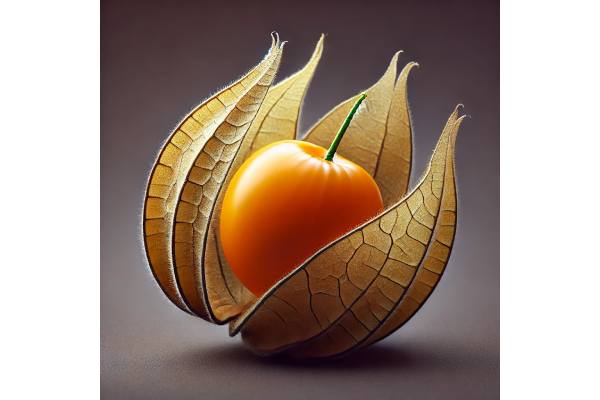
Cape gooseberry (Physalis peruviana), also known as goldenberry, uchuva, or aguaymanto, is a bright, sweet-tart fruit wrapped in a papery husk that looks like a lantern. Beyond its striking look, it delivers a refreshing balance of natural sugars, fiber, vitamin C, and carotenoid pigments. The plant belongs to the nightshade family, but its ripe fruit is eaten worldwide—tossed into salads, roasted into savory glazes, simmered into jams, or dried into a tangy snack. Thanks to the husk, the berries keep well and travel better than many delicate fruits. Nutrition-wise, a 100 g portion is light in calories yet offers useful potassium, niacin (vitamin B3), and vitamin E, with a notable fiber content for a small fruit. Research also highlights distinctive bioactives—such as withanolides and phenolic acids—that may support antioxidant defenses. This guide walks you through exactly what to expect from cape gooseberry: how it tastes, how to buy and store it, how to use it in the kitchen, what the science says about benefits, and the safety notes that matter.
Top Highlights
- Provides fiber (~5 g/100 g), vitamin C (≈30 mg/100 g), and potassium (≈250–300 mg/100 g).
- Offers polyphenols and carotenoids; promising but not a cure-all.
- Typical serving: 1 cup fresh (≈140 g) up to several times per week as part of fruit variety.
- Safety note: Eat only ripe fruit; avoid leaves and calyx; watch for oral-allergy symptoms if pollen-sensitive.
- People who should limit: those with confirmed nightshade allergies or prescribed low-potassium diets.
Table of Contents
- Cape gooseberry: detailed overview
- Cape gooseberry nutrition profile (per 100 g)
- Evidence-based health benefits of cape gooseberry
- Risks, allergies and interactions
- Selecting, quality, sustainability and storage
- Preparation, cooking and nutrient retention
- Portions, comparisons and FAQs
Cape gooseberry: detailed overview
Cape gooseberry is the golden, marble-sized fruit of Physalis peruviana, a nightshade native to the Andes that now grows in many subtropical and temperate regions. Each berry sits inside a thin, papery husk (the calyx) that protects it from bruising and pests. When ripe, the fruit turns deep yellow to orange, tastes sweet with a lemony edge, and pops with a tomato-like juiciness. Because of that balance, it works in both sweet and savory dishes—think salsa with heat and citrus, a glossy pan sauce for salmon, a tart counterpoint on a cheese board, or spooned over yogurt the way you might use berries or passion fruit.
From a food-systems angle, the husk does more than look beautiful: it reduces mechanical damage and moisture loss during storage and transit. That means less waste compared with many soft berries. Small-scale growers value the plant’s adaptability; with attention to frost protection and trellising, it can be cultivated in home gardens and diversified farms. Commercially, you’ll find two main products: fresh fruit (usually sold with the husk attached) and dried “goldenberries,” which are essentially raisins with a sharper tang.
Nutritionally, cape gooseberry stands out for its fiber relative to calories, along with vitamin C, niacin (vitamin B3), vitamin E (tocopherols), and potassium. Like tomatoes, it also provides carotenoids (notably beta-carotene) and polyphenols (such as chlorogenic acid). Scientists are interested in its withanolide compounds (also called physalins and related molecules), which plants in the Physalis genus produce. These are being studied for antioxidant and anti-inflammatory effects in cells and animals. For everyday eaters, the practical takeaway is simpler: cape gooseberry is a tasty, versatile fruit that can help you meet daily fruit and fiber goals while adding variety to color and flavor.
Flavor profile and texture: bright, citrusy-sweet; firm skin, juicy flesh, and soft edible seeds. Aroma has tropical and floral notes with faint tomato-husk hints. Preparation is quick—remove the husk, rinse, and enjoy raw; or roast, sauté, or simmer. Availability has improved globally, but seasonality still matters—peak flavor often aligns with local warm seasons. If you’re new to it, start by substituting it where you would use cherry tomatoes, pineapple, or berries: salsa, chopped fruit salad, compote, or a quick chutney with onion and ginger.
In short: cape gooseberry is a convenient, nutrient-dense fruit with cross-over culinary uses, efficient packaging (its own husk), and a growing evidence base for health-supporting compounds—worthy of a regular spot in your fruit rotation.
Cape gooseberry nutrition profile (per 100 g)
How to read this section: Values reflect raw, ripe fruit. Nutrients vary by cultivar, growing conditions, and ripeness. Per 100 g is a practical comparison unit; for many people, a typical fresh serving is ~140 g (about 1 cup), which you can scale from these numbers. Percent Daily Values (%DV) use current adult DVs.
Macros & Electrolytes (per 100 g)
| Nutrient | Amount | %DV |
|---|---|---|
| Energy | 53 kcal | — |
| Water | ~86 g | — |
| Carbohydrate, total | 11.3 g | — |
| Dietary fiber | 5.1 g | 18% |
| Total sugars | ~6.9 g | — |
| Protein | 1.9 g | 4% |
| Total fat | 0.5–0.7 g | 1% |
| Potassium | ~250–300 mg | 5–6% |
| Sodium | ~1–3 mg | 0% |
Carbohydrates
| Detail | Amount | Note |
|---|---|---|
| Net carbs (carbs − fiber) | ~6.2 g | Low for a 100 g fruit portion. |
| Natural sugars | ~6–7 g | Mostly glucose/fructose; no added sugars in fresh fruit. |
| Starch | minimal | Increases slightly in less-ripe fruit. |
Fats & Fatty Acids
| Detail | Amount | %DV |
|---|---|---|
| Fat, total | 0.5–0.7 g | 1% |
| Saturated | ~0.04 g | 0% |
| Monounsaturated + Polyunsaturated | ~0.4–0.6 g | — |
Protein & Amino Acids
| Detail | Amount |
|---|---|
| Protein, total | 1.9 g |
| Limiting amino acids | Lysine, methionine (typical for fruits) |
Vitamins
| Vitamin | Amount (per 100 g) | %DV |
|---|---|---|
| Vitamin C (ascorbic acid) | ~30–32 mg | 33–36% |
| Vitamin A (RAE) | ~35–40 µg | 4% |
| Vitamin E (tocopherols) | ~2.3 mg | 15% |
| Niacin (B3) | ~2.8 mg | 18% |
| Thiamin (B1) | ~0.11 mg | 9% |
| Riboflavin (B2) | ~0.04–0.06 mg | 3–5% |
| Vitamin B6 | ~0.1 mg | 6% |
| Folate (DFE) | ~14–20 µg | 4–5% |
| Vitamin K | trace–low | — |
Minerals
| Mineral | Amount | %DV |
|---|---|---|
| Potassium | ~250–300 mg | 5–6% |
| Phosphorus | ~40–45 mg | 3–4% |
| Magnesium | ~20 mg | 5% |
| Calcium | ~9–13 mg | 1% |
| Iron | ~1.0 mg | 6% |
| Zinc | ~0.2 mg | 2% |
Bioactives / Phytonutrients
- Carotenoids: beta-carotene and related pigments that give the fruit its orange color.
- Polyphenols: chlorogenic acid and other phenolic acids; flavonoids present at modest levels.
- Withanolides/physalins: Physalis-specific steroidal lactones under active study.
Glycemic & Acid–Base Notes
- With ~6 g net carbs per 100 g and meaningful fiber, the glycemic load per 100 g is low. Formal GI values are limited; most people experience a mild post-meal glucose effect when eaten with other foods.
- Fruit acidity is moderate; flavor brightens with ripeness.
Additives & Fortification
- Fresh berries are unfortified. Dried goldenberries may include added sugar or sulfites (check labels).
Footnote on variability: Vitamin C, potassium, and fiber can shift with cultivar and growing region; numbers above represent common modern analyses of ripe fruit.
Evidence-based health benefits of cape gooseberry
Supports daily fruit and fiber targets. A 100 g portion supplies about 5 g of fiber with only ~53 kcal. That fiber helps increase satiety at meals and supports regularity. When you replace more refined desserts with a bowl of cape gooseberries (or mix them into a fruit salad), you raise overall fiber while keeping sugars in a whole-food matrix.
Antioxidant capacity from vitamin C, carotenoids, and polyphenols. Cape gooseberry’s color signals carotenoids (including beta-carotene), and the flesh also carries vitamin C and phenolic acids. In laboratory tests, extracts scavenge free radicals and help limit lipid oxidation in cell systems. In practical terms, that means this fruit contributes to the dietary pattern associated with better oxidative stress management—similar to other orange/yellow fruits—without implying disease treatment.
Emerging data on withanolides and inflammation pathways. Unique to Physalis species, withanolides (and closely related physalins) have been shown in preclinical models to influence inflammatory signaling and oxidative stress. These results are early-stage (cell and animal work) and should not be over-interpreted, yet they do explain some of the scientific interest in the fruit beyond its basic vitamins.
Metabolic friendliness in everyday portions. With modest sugars, meaningful fiber, and low glycemic load per typical serving, cape gooseberry fits well into patterns aiming for stable post-meal glucose. Combine it with yogurt, nuts, or a whole-grain breakfast to further slow carbohydrate absorption.
Potassium for diet quality. A 100 g portion adds roughly 5–6% of the daily potassium target, supporting electrolyte balance. While it’s no substitute for high-potassium staples (beans, potatoes, leafy greens), it can help nudge totals upward—useful when you diversify fruit intake beyond bananas and citrus.
Culinary advantages that reinforce healthier choices. Because the fruit is sturdy, flavorful, and versatile, it encourages consistent use: toss into salads for color and acidity, add to grain bowls for brightness, or roast with olive oil to glaze chicken or tofu. The husk improves shelf life, so you’re less likely to waste it—an indirect but real benefit for making healthy eating practical.
What the evidence does not show. There are no robust human clinical trials demonstrating that cape gooseberry alone treats or prevents specific diseases. Most mechanistic papers use concentrated extracts at doses far beyond what you’d eat. Treat cape gooseberry as a nutrient-dense fruit that contributes to a balanced diet, not a supplement or therapy.
Practical ways to leverage benefits
- Add ½–1 cup to morning yogurt with nuts and oats for a high-fiber breakfast.
- Roast 10–12 berries with a teaspoon of olive oil and a splash of balsamic; spoon over grilled fish.
- Simmer a quick chutney (onion, ginger, chili, cape gooseberry) to serve with beans or lentils.
- Mix fresh berries with tomatoes and cilantro for a sweet-tart salsa that supports veggie intake.
Bottom line: cape gooseberry offers a useful nutrient package—fiber, vitamin C, carotenoids, potassium—plus intriguing plant compounds under study. Use it regularly as part of fruit variety, and the benefits add up.
Risks, allergies and interactions
Nightshade family considerations. Cape gooseberry is a Solanaceae fruit. Most people tolerate it well, but anyone with a confirmed nightshade allergy should avoid it unless cleared by an allergist.
Oral allergy syndrome (pollen-food cross-reactivity). People sensitized to certain pollens can experience itching or mild swelling in the mouth or throat after eating some raw fruits. If you’ve had oral-allergy reactions to other fruits, try a small amount first or use cooked forms (heat can denature reactive proteins). Seek medical advice if symptoms are persistent, systemic, or severe.
Unripe fruit and inedible parts. Eat only ripe fruit (deep yellow-orange) and discard the papery husk and leaves. Unripe or green parts of Physalis plants can contain higher levels of bitter, potentially irritating compounds; ripe fruit is the edible portion.
Medication and condition caveats.
- Potassium-restricted diets: While a standard serving is modest in potassium compared with many foods, people on strict potassium limits (e.g., some with late-stage kidney disease) should count it toward daily totals.
- Sulfite sensitivity: Some dried goldenberries may contain sulfites as preservatives. Those with sulfite-sensitive asthma should read labels and choose unsulfited products.
- Diabetes: Fresh cape gooseberry has a low glycemic load in typical portions, but total carbohydrate intake still matters. Pair with protein or fat for steadier post-meal responses.
Food safety practices. Remove and discard the husk, then rinse berries under running water before eating or cutting. Wash hands, cutting boards, and knives. Do not use soap or special produce washes on the fruit. Store separate from raw meats to avoid cross-contamination. Refrigerate once cut. Waiting to wash until just before eating can help slow spoilage during storage.
Who should avoid or limit
- Individuals with documented nightshade allergy or prior reproducible reactions to cape gooseberry.
- Those on clinician-directed potassium restriction (coordinate inclusion with your care team).
- Anyone with severe oral-allergy syndrome reactions to raw fruits unless advised otherwise.
- Infants under 1 year for dried forms with added sugars; whole berries can be choking hazards—serve appropriately cut for young children.
Signs to discard. Off-odors, mushy texture, brown or black mold on the berry, or a slimy film are reasons to compost or discard. A dry or flaking husk is normal; a damp or sticky husk suggests improper storage.
Takeaway: ripe fruit is generally safe for most people when washed and handled properly. If you have specific allergies, kidney concerns, or a history of reactions to nightshades or raw fruits, personalize your approach with a healthcare professional.
Selecting, quality, sustainability and storage
How to choose
- Color: Look for berries that are golden to deep orange; a few lighter ones will ripen at room temperature.
- Husk: Papery, dry, and intact. A tan lantern-like husk that’s slightly puffed is ideal. Avoid damp or darkened husks.
- Firmness: Berries should feel firm with a little give. Over-soft berries may be past peak.
- Aroma: Subtle floral and tropical notes; sour or fermented smells indicate overripeness.
Ripening and storage
- Ripen: Leave husked berries at cool room temperature, out of direct sun, for 1–3 days to deepen flavor.
- Store: Once ripe, keep in their husks in a breathable container in the refrigerator for up to 1–2 weeks. Remove only the portion you plan to eat, then rinse.
- After husk removal: Store in a covered container in the fridge; eat within 3–5 days.
- Do not wash before storage to avoid excess moisture; wash right before eating.
- Freezing: For long-term storage, husk, rinse, pat dry, freeze berries on a tray, then transfer to a freezer bag. Quality holds 6–9 months; texture softens on thawing (perfect for sauces and baking).
Sustainability notes
- Built-in packaging: The husk reduces bruising, so fewer plastic clamshells are needed and loss during transport is lower than for many delicate berries.
- Diversified cropping: Cape gooseberry fits into small-farm rotations and home gardens, supporting biodiversity.
- Food waste reduction: Because the fruit keeps well and is versatile (fresh, cooked, dried, frozen), it’s easier to use fully.
- Buying tips: Choose local or regional producers in season when possible to minimize transport footprint. For dried fruit, select unsweetened, unsulfited options to reduce additives and excess sugar.
Quality troubleshooting
- Wrinkling: Natural water loss; still usable for cooking.
- Sticky residue under husk: Often a sign of condensation; increase airflow and check for spoilage.
- Uneven ripening: Leave slightly underripe berries at room temperature; avoid sealed bags that trap moisture.
Minimal-waste ideas
- Use lightly bruised berries for quick jam or pan sauces.
- Freeze extra berries just before they soften to capture peak flavor.
- Save husks for decorative plating (do not eat) or compost them.
With these practices, you’ll get the best flavor while reducing waste and packaging.
Preparation, cooking and nutrient retention
Prep basics (1–2 minutes)
- Pull back and twist off the husk; 2) Rinse under cool running water; 3) Dry gently; 4) Leave whole, halve, or quarter depending on use.
Raw uses (brightest flavor, maximal vitamin C)
- Toss with mixed berries and mint for a color-rich fruit bowl.
- Halve and add to chopped salads (pairs well with cucumber, avocado, feta, cilantro).
- Slice into fish tacos or grain bowls for an acidic, tropical punch.
- Blend into smoothies for citrusy tang; strain if you prefer fewer seeds.
Quick-cook uses (caramelization, softer acidity)
- Roast: 8–12 minutes at ~220°C/425°F with olive oil; mash into a glaze for poultry, tofu, or roasted vegetables.
- Sauté: 3–5 minutes with shallot and chili; deglaze with vinegar for a sharp pan sauce.
- Simmer: 10–20 minutes with ginger, onion, mustard seed for a chutney that lifts rich dishes.
Sweet applications
- Jam/compote: High pectin lets you set texture quickly. Keep simmer brief to preserve more vitamin C; add lemon at the end for brightness.
- Baking: Fold halved berries into muffins or clafoutis; expect softened skins and a marmalade-like pop.
- Dried fruit swaps: Dried goldenberries replace raisins or cranberries in trail mix, granola, or cookies; note that dried forms are denser in sugars per weight.
Retention tips
- Vitamin C is heat- and oxygen-sensitive. Preserve more by shorter cook times, bigger pieces, and acidic environments (lemon helps).
- Carotenoids are fat-soluble; a small amount of oil (e.g., olive oil) can aid absorption.
- Freezing retains minerals, fiber, and most carotenoids; vitamin C decreases modestly over time—use within several months for best quality.
- Minimize nutrient loss by cooking just until softened or caramelized rather than to a jammy collapse, unless that is the goal.
Flavor partnerships that work
- Herbs: mint, basil, cilantro.
- Aromatics: ginger, shallot, garlic, chili.
- Proteins: salmon, grilled chicken, tofu, halloumi.
- Pantry: olive oil, honey, brown sugar, balsamic or sherry vinegar, mustard seed.
- Other fruits/veg: cucumber, cherry tomato, mango, pineapple.
Simple template recipes
- Five-minute salsa: 1 cup halved cape gooseberries, ½ cup diced tomato, ¼ cup red onion, jalapeño to taste, lime, salt, cilantro.
- Sheet-pan glaze: Roast 2 cups berries with 1 tbsp olive oil and a pinch of salt; mash with 1 tsp honey and 1 tbsp vinegar as a finishing sauce.
- Quick compote: Simmer 2 cups berries with 2 tbsp water and 1–2 tsp sugar for 6–8 minutes; finish with lemon zest.
Use raw or quick-cooked preparations when you want the freshest flavor and more vitamin C; use roasting or simmering for deeper sweetness and easy sauces.
Portions, comparisons and FAQs
Portions and frequency
- Standard fresh serving: ~1 cup (≈140 g).
- Everyday pattern: Enjoy several times per week as part of your fruit variety (rotate with citrus, berries, melon, stone fruit).
- Dried fruit: Start with 2–3 tbsp (≈20–30 g). Check labels for added sugar or sulfites.
How it compares
- Versus cherry tomatoes: Similar juiciness and acidity, but cape gooseberry is sweeter and more aromatic. Both are low in calories; cape gooseberry typically offers more vitamin C per 100 g when fully ripe.
- Versus berries (e.g., blueberries): Comparable calories; cape gooseberry tends to have more vitamin C and niacin, blueberries generally deliver more manganese.
- Versus pineapple or mango: Lower sugars per 100 g and smaller portions needed for tart brightness in savory dishes.
- Fresh vs dried: Drying concentrates sugars; per equal weight, dried goldenberries are higher in sugar and calories but still provide fiber and polyphenols. Use smaller amounts.
Smart pairing ideas for goals
- Satiety & stable energy: Pair with Greek yogurt, nuts, or chia pudding.
- Post-workout: Combine with cottage cheese or kefir for carbs plus protein.
- Family-friendly: Thread onto fruit skewers with grapes and strawberries; the color mix encourages kids to try a new fruit.
FAQs
Are the husks edible?
No. The papery husk (calyx) is inedible. Remove and discard before washing and eating the fruit.
Can I eat them slightly green?
Wait for deep yellow-orange color. Fully ripe fruit is the edible part; underripe fruit can be bitter and may cause stomach upset.
Do cape gooseberries fit a lower-sugar plan?
Yes in typical portions. Per 100 g, you get ~6 g net carbs after fiber. Pair with protein/fat for slower glucose rise.
Are there allergens to worry about?
Some pollen-allergic individuals experience oral-allergy syndrome with certain raw fruits. If that’s you, try cooked forms or consult an allergist.
Can I give them to kids?
Yes, as age-appropriate pieces to reduce choking risk. Avoid dried forms high in added sugar for toddlers; choose fresh, ripe fruit and slice it.
What about pets?
Ripe fruit flesh is generally considered low-risk in tiny amounts for many dogs and cats, but leaves and husks are not for pets. When in doubt, skip sharing and consult your vet.
How do I keep them from bursting in the pan?
Use medium-high heat and avoid over-crowding. Roast or sauté briefly so skins blister and juices thicken without total collapse.
Can I can them?
Yes—use tested recipes for jams or preserves, maintain proper acidity, and follow safe canning procedures. Freezing is simpler for most home cooks.
References
- USDA FoodData Central 2025.
- Nutrients, Phytochemicals, and In Vitro Biological Activities of Goldenberry (Physalis peruviana L.) Fruit and Calyx 2025 (Systematic Characterization).
- Nutritional and antioxidant profile of the Physalis fruit grown in three Andean regions of Peru 2023.
- Physalis peruwiana Fruits and Their Food Products as New Important Components of Functional Foods 2025 (Systematic Review).
- Acute and Subchronic Toxic Effects of the Fruits of Physalis peruviana L. 2013.
Disclaimer
This article provides general nutrition and food-safety information for educational purposes. It is not a substitute for individualized medical advice, diagnosis, or treatment. If you have allergies, kidney disease, or any condition requiring dietary restrictions, consult your healthcare professional or a registered dietitian before changing your diet.
If you found this helpful, please consider sharing it with others on Facebook, X (formerly Twitter), or any platform you prefer. Your support helps us continue creating quality, evidence-based guides.