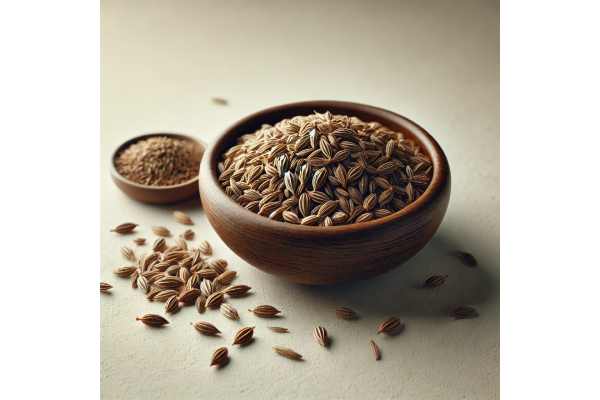
Caraway is one of those quiet spices that does far more work than most people realize. The small, curved brown “seeds” (botanically fruits) of Carum carvi bring a warm, earthy, slightly sweet flavor with hints of citrus and anise. They give rye bread its signature taste, brighten sauerkraut, and show up in cheeses, liqueurs, roasted vegetables, and traditional digestive teas across Europe, the Middle East, and parts of Asia.
Nutritionally, caraway seeds are surprisingly dense in fiber, plant protein, and minerals such as iron, zinc, and magnesium. They also provide essential oils rich in carvone and limonene, along with other phytochemicals that have been studied for digestive, antimicrobial, and metabolic effects. At the same time, caraway’s essential oil can be quite potent, and concentrated products are not appropriate for everyone.
This article explains what caraway is, how it is used in cooking and herbal practice, what its nutrients and active constituents look like, where the evidence for benefits really stands, and how to use it safely in daily life.
Key Takeaways for Caraway
- Caraway seeds are aromatic fruits used in small amounts to flavor breads, pickles, stews, cheeses, and herbal teas while adding fiber and minerals.
- They contain essential oils (especially carvone and limonene) and other compounds that may support digestive comfort and metabolic health when used appropriately.
- A practical culinary and herbal range is about 1–6 g whole seeds per day (roughly ½–3 teaspoons), adjusted to taste and tolerance.
- Concentrated caraway oil and medicinal doses are not recommended for children, pregnancy, certain gallbladder or liver conditions, or people with seed family allergies.
- Culinary use is generally well tolerated for healthy adults, but anyone with chronic disease or multiple medications should seek tailored advice before using high-dose extracts.
Table of Contents
- Caraway Background and Key Uses
- Caraway Nutrition and Active Constituents
- Science Based Benefits of Caraway
- Risks, Allergies and Interactions
- Choosing Caraway Quality and Storage
- Cooking with Caraway and Nutrients
- Caraway Portions Comparisons and FAQs
Caraway Background and Key Uses
Caraway comes from Carum carvi, a member of the Apiaceae family, which also includes fennel, cumin, coriander, and dill. The plant produces delicate white flowers in umbrella-like clusters and, later, small elongated fruits commonly called seeds. Once dried, these seeds develop the familiar warm, slightly sweet, and gently bitter flavor that defines caraway.
Historically, caraway has a long track record in European and West Asian cooking and traditional medicine. It has been found in archaeological sites dating back thousands of years and is mentioned in classical herbal texts as a digestive aid and culinary spice. Today, it remains a core ingredient in many regional dishes:
- Breads and baked goods: Traditional rye bread, soda bread, and some cakes and cookies use caraway to add a distinctive aroma and to pair with hearty flours.
- Fermented and pickled foods: Sauerkraut, pickled cabbage, and certain cucumber pickles often rely on caraway for depth and balance.
- Cheeses and meats: Havarti, Tilsit, and other cheeses may include whole seeds; caraway also complements sausages, roast pork, and game.
- Liqueurs and spirits: Drinks such as kümmel, aquavit, and some regional schnapps use caraway as a main flavoring.
- Herbal teas and tisanes: Caraway tea, alone or blended with fennel, anise, or peppermint, is a traditional remedy for bloating, gas, and colicky discomfort.
Caraway is available in several forms:
- Whole seeds (the most common), which retain flavor and essential oil best.
- Ground powder, which is convenient but loses aroma more quickly.
- Caraway oil or extracts, used in herbal medicines and some food or cosmetic applications.
It is important not to confuse caraway with similar-looking spices. Cumin seeds are straighter, more yellow-brown, and have a distinctly different, more earthy flavor. Fennel and anise seeds are larger, greener, and sweeter, with a stronger licorice note. While these siblings often appear together in digestive blends, each has its own chemistry and traditional role.
In modern kitchens, caraway is highly versatile. A small amount can transform roasted vegetables, bean stews, root vegetable soups, and grain salads. It pairs well with cabbage, potatoes, carrots, beets, onions, apples, pears, and rich meats, as well as with spices such as coriander, mustard seed, garlic, and black pepper. Because its flavor is pronounced, it is usually used in teaspoon-level amounts rather than as a bulk ingredient.
Recognizing the breadth of caraway’s culinary and cultural uses provides context for its nutritional value and its role in digestive and metabolic health, which are explored in the next sections.
Caraway Nutrition and Active Constituents
Caraway seeds are surprisingly nutrient-dense when you look at them per 100 g, even though typical servings are much smaller. On a weight basis, dried caraway seeds are roughly half carbohydrate, one-fifth protein, and around 15% fat, with the remainder water and ash. They are particularly notable for their high fiber content, which can approach about 38 g per 100 g—essentially a full day’s recommended intake in just a small handful.
Of course, few people eat anywhere near 100 g of caraway. A more realistic culinary portion might be 2–6 g per day, equivalent to roughly ½–3 teaspoons of whole seeds. In that range, caraway contributes only a modest number of calories but still provides meaningful amounts of fiber and micronutrients when used regularly.
Caraway’s mineral profile is especially strong. On a per-weight basis, it contains significant amounts of:
- Iron, supporting red blood cell formation and oxygen transport.
- Zinc, involved in immune function and enzyme activity.
- Magnesium and phosphorus, important for energy metabolism and bone health.
- Potassium, which contributes to fluid balance and blood pressure regulation.
- Manganese, used as a cofactor in antioxidant enzymes and bone formation.
Caraway seeds also provide several B vitamins, including B1, B2, B3, and B6, which support energy metabolism and nervous system function. There is a small amount of vitamin E and other antioxidant compounds as well.
Beyond these nutrients, caraway’s distinctive physiological profile comes from its phytochemicals, especially essential oils and other secondary metabolites. Key components include:
- Carvone, the dominant compound in caraway essential oil, responsible for its characteristic aroma and much of its carminative (gas-relieving) reputation.
- Limonene, a citrus-like terpene with antioxidant and potential anti-inflammatory properties in experimental models.
- Other terpenes and phenolic compounds, which contribute to antimicrobial, antioxidant, and digestive effects observed in laboratory and animal studies.
Caraway also contains fixed oils (non-volatile fatty acids) such as oleic, linoleic, and petroselinic acid. These are present in modest amounts but reinforce the seed’s energy density and nutritional complexity.
Processing influences this profile. When seeds are ground, essential oils are exposed to air and gradually evaporate or oxidize, leading to a decline in flavor and certain bioactive properties. Whole seeds maintain their aroma and oil content longer. Heat can also alter volatile components: gentle toasting enhances aroma, while excessive heat can damage delicate compounds.
It is useful to think of caraway as a “high-impact, low-volume” ingredient. Even a teaspoon or two can supply:
- A few grams of fiber.
- Small but meaningful amounts of minerals and B vitamins.
- A concentrated dose of essential oils and phytochemicals that act primarily on the digestive tract.
These features set the stage for caraway’s role in digestive comfort, metabolic support, and other potential health effects explored in clinical and traditional contexts.
Science Based Benefits of Caraway
Caraway has a long history in traditional medicine as a digestive aid, and modern research has begun to examine these uses in more structured ways. While not every traditional claim is fully proven, several areas show promising evidence.
Digestive comfort and functional dyspepsia
Caraway fruits and their essential oil are widely used for symptoms such as bloating, gas, and upper abdominal discomfort. Clinical studies have tested preparations that combine caraway oil with peppermint oil or menthol in people with functional dyspepsia, a disorder characterized by chronic indigestion without structural disease. These trials have found meaningful reductions in pain, pressure, and fullness compared with placebo, especially when the formulation delivers the active oils to the upper small intestine.
Topical applications have also been explored. Preparations containing caraway oil applied as warm compresses to the abdomen have shown reductions in pain and other symptoms in some people with irritable bowel-type complaints compared with control heat treatments. Such findings support both oral and external use of caraway-containing products for functional digestive issues, though many studies use combination formulas and short follow-up periods.
Gas, colic, and infant comfort
Caraway is a classic ingredient in “gripe water” and infant colic mixtures, usually combined with fennel, chamomile, and other herbs. Controlled data specifically on infants are limited, but caraway’s antispasmodic and gas-relieving properties have been demonstrated in laboratory and animal models. In adults, caraway-based teas and liquid preparations are widely used after meals to ease gas and bloating, and observational reports suggest many people find them helpful.
Metabolic health and weight management
Several human studies have looked at caraway extracts for weight and metabolic outcomes. In one randomized, triple-blind, placebo-controlled trial, overweight and obese women consuming caraway extract or caraway water over several weeks experienced greater reductions in body weight, body mass index, and waist-to-hip ratio compared with placebo, without major adverse effects. Other work has examined multi-herb formulas that include caraway along with oregano, ajwain, or other plants, reporting improvements in body composition and metabolic markers.
These results are encouraging but should be interpreted carefully. The study populations are relatively small, the extracts standardized in specific ways, and lifestyle contexts controlled. They suggest that caraway extracts may support weight-management efforts and metabolic health when combined with diet and physical activity, but they do not imply that caraway alone is a stand-alone solution.
Antioxidant, antimicrobial, and anti-inflammatory actions
In vitro and animal studies show that caraway essential oil and seed extracts possess antioxidant activity, can inhibit the growth of some bacteria and fungi, and may modulate inflammatory pathways. These properties support traditional uses for digestive infections, oral health, and general resilience, but direct translation to human disease prevention or treatment is still uncertain. The concentrations used in laboratory settings often exceed those achievable through normal culinary use.
Other emerging areas
Caraway extracts have been investigated for effects on conditions such as inflammatory bowel disease in animal models, thyroid function, and even certain aspects of mood or cognitive function. While preliminary findings are intriguing, they remain far from routine clinical practice. At this stage, caraway is best viewed as:
- A well-established digestive ally for many people.
- A potentially useful adjunct in weight and metabolic management in extract form.
- A contributor to overall antioxidant and antimicrobial tone in a spice-rich diet.
Any medicinal use beyond culinary portions, especially involving concentrated oils or extracts, should be discussed with a qualified healthcare practitioner to ensure appropriate dosing and safety.
Risks, Allergies and Interactions
Caraway is generally recognized as safe in food amounts for most healthy adults, but concentrated preparations and specific medical situations require careful attention. Understanding the main risks helps you decide how best to use it.
Digestive and gallbladder considerations
Caraway fruit and essential oil act on smooth muscle and the biliary system. Some human experiments have shown that caraway oil can significantly reduce gallbladder emptying, which may be problematic in people with gallstones, bile duct obstruction, or certain liver and biliary diseases. For these individuals, products containing concentrated caraway oil may not be appropriate unless prescribed and monitored.
In otherwise healthy people, modest caraway intake is usually gentle on the digestive tract and may even relieve cramping and gas. However, high doses of seeds, strong teas, or essential oil capsules can irritate the stomach or intestines, leading to nausea, cramping, or loose stools. Those with active peptic ulcers, severe reflux, or inflammatory bowel disease should introduce caraway cautiously and monitor symptoms.
Pregnancy, breastfeeding, and children
Regulatory herbal assessments generally do not recommend caraway essential oil or high-dose medicinal preparations during pregnancy or lactation due to limited safety data and traditional concerns that concentrated caraway might stimulate uterine activity. Culinary use of small amounts of seeds in food is usually considered acceptable, but large amounts of tea, extracts, or oil should be avoided unless specifically advised by a healthcare professional.
For breastfeeding, modest dietary intake appears unlikely to pose a risk and is sometimes used traditionally to support milk production. Even so, concentrated supplements have not been thoroughly studied, so caution is prudent.
In children, especially infants, caraway-containing products must be used carefully. Traditional gripe waters vary widely in composition. Any medicinal use in babies or young children should be discussed with a pediatric professional, and essential oils should never be given internally or applied undiluted to the skin.
Allergy and cross-reactivity
Caraway belongs to the Apiaceae family. People allergic to other members of this family—such as celery, coriander, anise, fennel, or dill—may have an increased risk of reacting to caraway. Symptoms can include oral itching, swelling, hives, or, in rare cases, more serious allergic reactions.
Anyone who has experienced such reactions after consuming spice blends, rye bread, or caraway-flavored foods should be evaluated before further exposure. Individuals with known celery or spice allergy sometimes receive advice to avoid all Apiaceae spices, including caraway.
Interactions with medications and other herbs
Caraway oil and extracts can influence digestive motility and enzyme activity, which may alter how some medicines move through the gut or are absorbed. Products combining caraway with peppermint oil are known to affect smooth muscle tone and may interact with drugs that also act on the digestive tract or bile system.
Although typical food amounts are unlikely to cause significant interactions, concentrated extracts might. People taking multiple medications, especially for liver or biliary disease, thyroid disorders, or serious chronic conditions, should consult their healthcare provider before using caraway supplements or medicinal-strength preparations.
In short, culinary use of caraway seeds in bread, stews, vegetables, and mild teas is usually safe for healthy adults. Risks rise mainly with essential oils, high-dose extracts, special populations (pregnancy, breastfeeding, infants), and underlying gallbladder or allergy issues.
Choosing Caraway Quality and Storage
Like most spices, caraway varies widely in quality. Fresh, well-handled seeds are intensely aromatic, while stale or poorly stored product can taste flat or slightly musty. Choosing and storing caraway thoughtfully makes a noticeable difference in flavor and potential benefits.
Selecting good-quality caraway
When buying whole seeds, look for:
- Color and shape: Seeds should be uniform in size, curved, and brown to dark brown with clear ridges. A dull gray or faded appearance may signal age.
- Aroma: Crush a few seeds between your fingers if possible. They should release a strong, clean, unmistakable caraway scent—warm, slightly sweet, and reminiscent of rye bread. Weak aroma suggests loss of volatile oils.
- Cleanliness: Avoid products with visible dust, debris, or foreign plant material. High-quality caraway is well sorted and free from stones or stems.
- Packaging: Opaque or dark containers protect against light; sealed packaging helps preserve aroma and reduce moisture uptake.
Ground caraway is more convenient but more fragile. Buy it in small amounts and from suppliers with good turnover. If the powder is pale, clumpy, or has little smell, it is likely past its prime.
Organic or sustainably grown caraway is increasingly available. While organic certification does not guarantee superior flavor, it does indicate certain farming practices and may reduce exposure to synthetic pesticides. Some producers also share information about soil conservation, biodiversity, and fair trade relationships with smallholder farmers, which can help you align purchases with your values.
Storage for freshness and safety
Caraway’s essential oils are sensitive to air, heat, and light. To maintain quality:
- Store whole seeds in airtight glass jars or tins in a cool, dark cupboard away from the stove, oven, and dishwasher steam.
- Keep ground caraway in tightly closed containers and use within a few months for best flavor.
- Avoid transferring seeds or powder between containers repeatedly, which increases exposure to air and moisture.
Proper storage also protects against spoilage and contamination. While caraway itself has some antimicrobial properties, it is still a food product that can grow mold if kept damp. If you notice:
- Visible mold spots.
- A damp, clumping texture.
- A musty or off smell rather than a clear spice aroma.
it is best to discard the product and replace it with fresh seeds.
Sustainability considerations
Caraway is primarily grown in temperate regions, including parts of Europe and Asia, with some countries becoming major exporters. As global demand grows, concerns arise about soil health, pesticide use, and economic stability for growers. Thoughtful purchasing, such as:
- Buying from trusted suppliers who specify origin.
- Favoring producers that emphasize sustainable farming practices.
- Using caraway efficiently—buying only what you will reasonably use in a year or so.
can help minimize waste and support better agricultural systems.
By paying attention to quality and storage, you not only get better flavor from each teaspoon of caraway but also respect the resources and labor invested in growing and processing this small but potent seed.
Cooking with Caraway and Nutrients
Caraway is easy to use, but a few techniques can dramatically improve its flavor and the enjoyment of its nutritional and functional qualities. Because the essential oils are concentrated in the seed coat and easily affected by heat, timing and preparation matter.
Toasting and grinding
Light dry toasting awakens caraway’s aroma. To do this:
- Place whole seeds in a small, dry skillet over low to medium heat.
- Stir frequently for a few minutes until the seeds become more fragrant and slightly darker.
- Remove from heat and transfer immediately to a cool dish to prevent burning.
After toasting, you can leave the seeds whole for texture or grind them in a mortar, spice grinder, or clean coffee grinder. Grinding just before use releases essential oils and ensures full flavor. Because ground caraway loses potency quickly, it is best to grind in small batches.
Layering flavor in dishes
Caraway can play different roles depending on when it is added:
- Early in cooking: Adding toasted seeds to the fat or onions at the beginning of a soup, stew, or braise allows the flavor to infuse the entire dish. The result is a deeper, more integrated caraway note.
- Midway through: Stirring caraway into simmering cabbage, lentils, or potatoes lets it stand out while still blending with other ingredients.
- At the end: Sprinkling lightly toasted seeds over roasted vegetables or salads provides bursts of aroma and texture.
Traditional pairings, such as caraway with cabbage and apple in a warm salad, or with carrots and onions in a soup, exploit its ability to cut through sweetness and earthiness, adding clarity and structure.
Herbal teas and infusions
Caraway tea is a simple preparation that many people use after meals. A basic method is:
- Lightly crush 1–2 teaspoons (about 2–4 g) of whole seeds.
- Pour 250–300 ml of just-boiled water over the seeds.
- Cover and steep for 10–15 minutes, then strain.
This can be sipped warm, sometimes combined with fennel, anise, or peppermint. The steeping process draws out water-soluble compounds and some essential oils. Because heat and time increase extraction, longer steeping yields a stronger tea but may also bring more bitterness.
Nutrient and phytochemical retention
Most of caraway’s vitamins and minerals are quite stable in typical cooking conditions. Its essential oils and some polyphenols are more sensitive. To balance flavor and potential benefits:
- Avoid prolonged high-heat frying of ground caraway, which can lead to off flavors and volatilization of oils.
- Use whole seeds early in cooking and add a small amount of freshly ground caraway near the end to capture delicate aromatic notes.
- When making teas, cover the cup or pot to reduce evaporation of volatile components.
Remember that caraway is a supporting actor in most recipes. It works best when combined with other herbs and spices, such as coriander, mustard, garlic, and thyme, rather than dominating a dish. Using it wisely can make high-fiber, plant-rich meals feel more satisfying, which is a meaningful but often underappreciated benefit.
Caraway Portions Comparisons and FAQs
Because caraway is both a culinary spice and a traditional remedy, people often wonder how much is sensible to use, how it compares with similar seeds, and when caution is warranted.
Typical portions and frequency
For most adults, common culinary and gentle herbal ranges are:
- About ½–1 teaspoon (roughly 1–2 g) of whole seeds at a time in bread, stews, roasted vegetables, or salads.
- Up to around 1–2 teaspoons (2–4 g) per cup of tea, taken once or twice daily.
- Total daily intakes of roughly 1–6 g of seeds spread over meals and beverages.
These ranges align with traditional use and modern references for digestive support. They are not strict rules, but they offer a practical framework: enough to enjoy caraway’s flavor and potential benefits, yet unlikely to reach levels associated with adverse effects in most healthy adults.
Concentrated essential oil products deliver much higher amounts of active compounds per drop and should only be used according to professional guidance and product instructions.
Comparisons with related spices
Caraway often gets grouped with cumin, fennel, and anise because of similar appearances and overlapping uses, but there are important differences:
- Cumin has a hotter, smokier taste and is more common in South Asian, Middle Eastern, and Latin American cooking. It is less sweet and more earthy than caraway.
- Fennel and anise are sweeter and more overtly licorice-like. They are favored in Italian, Mediterranean, and some confectionery contexts and are often used in digestive blends alongside caraway.
- Coriander seed has a citrusy, nutty flavor and is more neutral; it often forms the background in spice mixes where caraway is a sharper accent.
For digestive teas, caraway is usually used in combination with fennel, anise, or peppermint, with each plant contributing different aspects of relief.
Frequently asked questions
Is caraway good for gas and bloating?
Many people find that caraway tea or caraway-rich foods help ease gas, bloating, and mild cramping, particularly after heavy or fiber-rich meals. Clinical and traditional evidence supports caraway’s use as a carminative, meaning it can help expel gas and reduce uncomfortable fullness in some individuals.
Can caraway help with weight loss?
Caraway alone is not a weight-loss cure. However, controlled trials of caraway extracts have shown modest reductions in body weight and waist measurements in some groups when combined with lifestyle measures. In everyday life, using caraway to make vegetable- and legume-based dishes more appealing can support a balanced, lower-calorie eating pattern, which is the main driver of sustainable weight change.
Is caraway safe in pregnancy and breastfeeding?
Small culinary amounts of caraway seeds used in normal cooking are generally considered acceptable during pregnancy and breastfeeding for most individuals, unless there is an allergy or specific medical restriction. However, medicinal doses, strong teas taken several times a day, and essential oil preparations are not recommended because safety data are limited and some traditional texts raise concerns about uterine stimulation. Always consult a prenatal or lactation specialist before using herbal products beyond normal food seasoning in these periods.
Can children take caraway?
Caraway-flavored foods are usually safe in small amounts for older children, assuming no allergy. The use of caraway teas or caraway-containing colic remedies in babies and toddlers should be guided by a pediatric professional, and concentrated essential oils should never be given internally to children.
Who should limit or avoid caraway?
It is prudent to be cautious or avoid medicinal doses of caraway if you:
- Have known allergy to caraway or other Apiaceae plants (such as celery, fennel, or coriander).
- Live with gallstones, bile duct obstruction, cholangitis, or other serious biliary disease.
- Are pregnant, breastfeeding, or considering giving caraway to infants or young children, especially as strong tea or oil.
- Take multiple medications and are considering high-dose extracts or combination products.
For most other adults, regular culinary use of caraway as a flavoring is a safe and enjoyable way to diversify both taste and plant intake.
References
- Caraway as Important Medicinal Plants in Management of Diseases 2018 (Narrative Review)
- Antiobesity Effect of Caraway Extract on Overweight and Obese Women: A Randomized, Triple-Blind, Placebo-Controlled Clinical Trial 2013 (RCT)
- A Novel, Duodenal-Release Formulation of a Combination of Caraway Oil and L-Menthol for the Treatment of Functional Dyspepsia: A Randomized Controlled Trial 2019 (RCT)
- Assessment Report on Carum carvi L., Fructus and Carum carvi L., Aetheroleum 2015 (Regulatory Monograph)
- Caraway: Nutrients, Benefits, and Uses 2019 (Evidence-Based Summary)
Medical Disclaimer
The information in this article is intended for general educational purposes only and is not a substitute for professional medical advice, diagnosis, or treatment. Caraway seeds, oils, and extracts can affect individuals differently, especially in the presence of digestive disorders, gallbladder or liver disease, pregnancy, breastfeeding, childhood, allergies, or complex medication regimens. Always consult a qualified healthcare professional before using caraway in medicinal amounts, taking caraway-containing supplements, or relying on any herb or spice for the prevention or management of health conditions. If you experience troubling symptoms after consuming caraway, seek timely medical evaluation.
If you found this article helpful, you are kindly invited to share it with others on Facebook, X (formerly Twitter), or any platform you prefer. Sharing supports wider access to balanced, evidence-informed nutrition content and helps our team continue producing detailed, high-quality guides.